Support

Restaurant Jardim da Manga

About

Jardim da Manga is a unique Renaissance architectural ensemble located in the historical center of Coimbra. Also known as the Manga Cloister, this site was once part of the Santa Cruz Monastery and still preserves an atmosphere of spirituality and tranquility, embodied in stone and water.
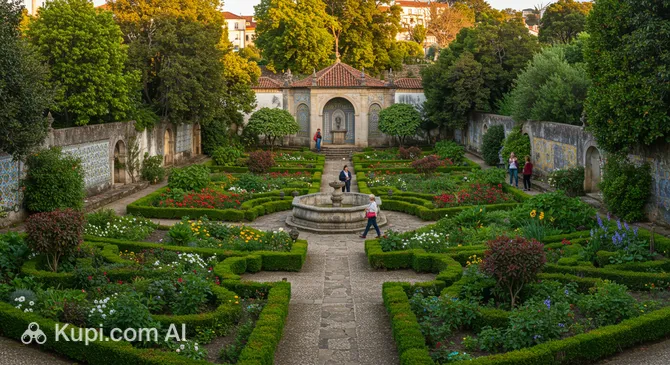
Jardim da Manga
Jardim da Manga. Иллюстрация. Источник: Kupi.com AI

The central element of the monument is an unusual fountain with a dome set on eight columns, surrounded by four miniature chapels and rectangular pools. The architectural design, inspired by Arabic influences and the works of master Jean de Rouen, makes this garden one of the most recognizable landmarks in Portugal. Since 1934, the site has been listed as a National Monument.

Today, Jardim da Manga is not only a historical site but also a popular public space. A restaurant and cafe, which opened in 1977 and was fully renovated in 2010, operates right within the walls of the ancient cloister. Here, modern comfort blends harmoniously with Renaissance aesthetics, offering guests the chance to enjoy traditional cuisine surrounded by centuries of history.

Contacts

To contact the administration or inquire about group dining at Jardim da Manga, you can use the following contact details:

How to contactContact
AddressR. Olímpio Nicolau Rui Fernandes, 3000-303 Coimbra, Portugal
Phone+351 239 829 156
Websitewww.jardimdamanga.pt

What to Do

The main reason to visit Jardim da Manga is the opportunity to touch living history. You can study the Renaissance architecture of the fountain and chapels in detail, observing the remains of altars by Jean de Rouen. A stroll along the symmetrical pools allows you to appreciate the deep symbolism of the project, where water represents the rivers of Paradise.

For those who are hungry, a visit to this site turns into a gastronomic pleasure. At the local restaurant, you can try a typical Portuguese breakfast, order a full lunch from the daily menu, or simply relax with a glass of wine or a cup of coffee. The garden's atmosphere invites leisurely conversation and contemplation of architectural masterpieces right from your table.

Technology and history enthusiasts will be interested to learn about the 3D reconstruction projects of the Santa Cruz Monastery, which allow you to see what the garden looked like in the 19th century. The combination of ancient walls, the sound of water in the fountains, and modern service makes a visit here a must for anyone wanting to experience the cozy and intellectual atmosphere of Coimbra.

Getting There

The Jardim da Manga landmark is located in the very heart of historical Coimbra, directly behind the Santa Cruz Church. This makes it easily accessible for tourists already strolling through the city's main streets.

If you are in the University of Coimbra area or the Old Town, the walk to the garden will take no more than 10–15 minutes. Its central location allows you to find the site without difficulty by following the signs for the Santa Cruz Monastery complex. For those using public transport, there are bus stops nearby connecting the center with other districts.

Tourists arriving from other cities in Portugal usually use trains or intercity buses. From the Coimbra-B station, you can reach the center by taxi in 5–10 minutes or take a suburban train to the Coimbra-A station, which is within walking distance of the garden. You can also use taxi services or ride-hailing apps to go directly to R. Olímpio Nicolau Rui Fernandes.

Ближайший город: Coimbra

History & Facts

The history of Jardim da Manga, also known as the Manga Cloister, began in 1533. The structure was built by order of King João III and originally served as a fountain for the Santa Cruz Monastery. This architectural masterpiece was designed by the famous French architect and sculptor Jean de Rouen.

There is a curious legend associated with the name. It is believed that while visiting the monastery, the king noticed an empty space and immediately sketched the design for the future garden and cloister right on the sleeve of his jacket (in Portuguese, the word for "sleeve" is manga). This improvised design was later brought to life in stone, giving the landmark its unusual name.

The garden's architecture is steeped in deep Christian symbolism. The central structure represents the "source of life" in Eden, while the surrounding water channels symbolize the four rivers of Paradise flowing in different directions. Originally, the garden was part of a much larger monastery complex, but today only the central dome, the fountain, four chapels, and the elegant pools remain.

Since 1934, Jardim da Manga has been officially recognized as a National Monument of Portugal. In 2010, the space underwent an extensive restoration that preserved its Renaissance heritage while adapting it for the city's modern needs. Today, it remains a rare example of early Renaissance architecture in Portugal.

Time Needed

To leisurely explore the architectural details of the Manga Cloister and soak in its atmosphere, 1 to 2 hours is sufficient for most visitors. This provides enough time for a walk around the fountains and a short photo session by the Renaissance chapels.

If you plan to combine your sightseeing with a break at the restaurant of the same name, it is worth allowing an additional 45 minutes. A cup of coffee or a light Portuguese breakfast with a view of 16th-century historical monuments will be a great addition to your cultural program. Overall, this place is perfect for a pleasant pause in the middle of a tourist route through the city.

Working Hours

The restaurant and the grounds of Jardim da Manga are open for visitors throughout the day, which is convenient for both early breakfasts and late dinners. Please note that the site is closed on Saturdays.

DayWorking hours
Понедельник8:00 – 23:00
Вторник8:00 – 23:00
Среда8:00 – 23:00
Четверг8:00 – 23:00
Пятница8:00 – 23:00
СубботаЗакрыто
Воскресенье8:00 – 23:00

Nearby

Its location in the historical core of the city allows you to combine a visit to the garden with many other iconic sites. A walk through the surrounding area will reveal the rich history and architectural diversity of the region.

NameDistance
Restaurante Sete0.1 km
Santa Cruz Church0.1 km
D. Pedro V Municipal Market0.1 km
Barbican Gate0.3 km
Nau Coffee0.3 km
Machado de Castro National Museum0.3 km
Old Cathedral of Coimbra0.3 km

Reached the end of the page?

That means the route is fully explored