Support

Iron Gate

About

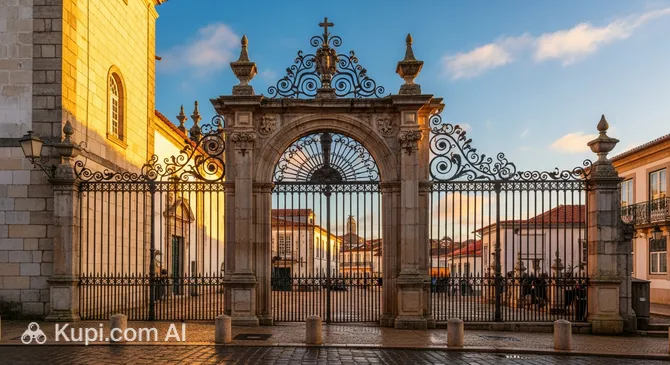
Imagine a majestic portal that has served for centuries as the main entrance to one of Europe's oldest universities. The Iron Gate (Porta Férrea) is not just an architectural element, but a true symbol of the knowledge and traditions for which Coimbra is so famous. Located in the historic part of the city, it opens the way to the heart of the country's academic life.
\n\n
Iron Gate
Iron Gate. Иллюстрация. Источник: Kupi.com AI
\n\n

Built in 1633 by architect Alfonso Tavares, the gate is a magnificent example of the Baroque style. Its facade is richly decorated with symbolism emphasizing the prestige of the educational institution. The structure is crowned by an allegorical figure of Wisdom, and statues and emblems in the niches tell the story of the university community in Portugal.

\n\n

Today, this site remains one of the most popular points of attraction for tourists. The Iron Gate harmoniously connects the medieval city walls with the grand ensemble of the university square, creating a unique atmosphere of continuity across the ages. High ratings and numerous positive reviews confirm that this landmark is a must-visit for anyone who appreciates history and classical architecture.

Contacts

For those planning a visit to this historic landmark, it is useful to have the exact address on hand. Since the site is part of the university complex, it is quite easy to find in the historic center.

How to contactContact
AddressR. de São Pedro 20, 3000-515 Coimbra, Португалия

What to Do

Upon arriving at the Iron Gate, the first thing to do is carefully examine its architectural details. Pay attention to the top of the portal, where the figure of Wisdom sits—it is one of the university's most recognizable symbols. The fine 17th-century stonework and Baroque facade details make this a magnificent backdrop for photos, especially in the soft light of the morning or evening sun.

\n\n

Beyond admiring the architecture, you can feel the city's living rhythm here. The gate remains an active passage, so you can observe students in their traditional black capes hurrying to lectures. This creates a sense of complete immersion in the cultural life of Coimbra. Don't forget to read the information signs, which will help you better understand the meaning of each decorative element.

\n\n

It is convenient to continue your walk in the surrounding area: the Plaza Del Comercio market square and the ancient Igreja de Santa Cruz church are very close by. It is also worth walking to the neighboring Barbican Gate, where fragments of ancient walls with images of the Virgin Mary have been preserved. The platform by the gate offers an impressive view of the university complex, inviting further exploration of the grounds.

Getting There

Getting to this iconic spot in Coimbra is easy, as it is located right in the heart of the city. If you are arriving from another city, such as Lisbon or Porto, it is most convenient to take a train or bus to the Coimbra-B station. From there, you can reach the gate on foot in about 10–15 minutes by walking up the picturesque old streets, or you can use local buses No. 1, 3, or 33.

\n\n

If you are already in the upper part of the city exploring the university, simply walk down past the Torre de Almedina—the walk will take no more than 10 minutes. For those who prefer comfort, city taxi services or ride-hailing apps are always available. Keep in mind that many parts of the city center are pedestrian-only, so walking is the best way to soak up the atmosphere of the medieval baixa.

Ближайший город: Coimbra

History & Facts

The Iron Gate was erected in 1633 according to the design of the talented architect Alfonso Tavares. It became the grand entrance to the university, emphasizing its high status and academic majesty. Interestingly, the city itself arose on the site of the ancient Roman settlement of Aeminium, which gained importance after the decline of neighboring Conimbriga in the 6th century.

\n\n

The history of this location is inextricably linked with the formation of Portuguese statehood. In 1139, Coimbra was proclaimed the first capital of Portugal, and later, in 1537, King John III permanently moved the university here, turning the city into the country's primary intellectual center. The gate became a symbolic boundary between the bustling city and the world of science.

\n\n

The architecture of the site reflects 17th-century Baroque traditions, while the gate is harmoniously integrated into the system of older city fortifications. Looking at it today, you can see how masterfully the creators combined the defensive strength of the old walls with the elegance of decorative elements characteristic of the Age of Enlightenment.

Time Needed

A quick look at the Iron Gate itself, studying its bas-reliefs and taking commemorative photos, usually takes about 30–60 minutes. This is quite enough time to read the information plaques and enjoy the details of the Baroque facade.

\n\n

However, if you plan to combine your visit to the gate with a tour of the entire University of Coimbra complex or a stroll through the historic Lower Town, we recommend setting aside at least 1.5–2 hours in your schedule. This will allow you to immerse yourself in the unique academic environment and explore nearby attractions without rushing.

Working Hours

The Iron Gate is accessible to tourists and residents daily. Usually, the passage through it is open from 08:00 to 20:00, allowing you to see the landmark both in the morning sunlight and in the evening twilight when the city illumination is turned on.

\n\n

Since the gate is part of an active university campus, access may be restricted during official academic ceremonies or holidays. To ensure your visit goes perfectly, we recommend checking the official university website for the current schedule before you go.

08:00–20:00

Nearby

A walk around this historic portal opens the doors to many other gems of Coimbra. The University Quarter is literally packed with architectural monuments, and every step here leads to a new discovery, allowing you to dive deeper into the atmosphere of the "city of students."

\n
NameDistance
Paço das Escolas0 km
University of Coimbra Tower0.1 km
Nau Coffee0.1 km
Machado de Castro National Museum0.1 km
Old Cathedral of Coimbra0.2 km
New Cathedral of Coimbra0.2 km
Barbican Gate0.3 km

Reached the end of the page?

That means the route is fully explored