Support

Municipal Museum of Faro

About

Immerse yourself in the region's centuries-old history by visiting the Faro Municipal Museum—one of the oldest and most significant cultural venues in the southern part of Portugal. The museum is housed within the walls of a magnificent 16th-century former monastery, which is an architectural masterpiece and a national monument in its own right. In this place, the silence of monastic corridors and the wealth of archaeological treasures are harmoniously intertwined.
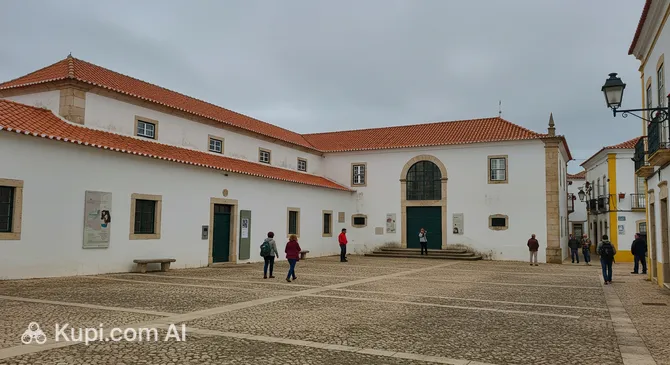
Faro Municipal Museum
Faro Municipal Museum. Иллюстрация. Источник: Kupi.com AI

Located in the heart of the city of Faro, this museum offers guests a unique journey through time: from prehistoric times and the Roman Empire era to the Middle Ages and the present day. The collection's main pride is the stunning Ocean Mosaic, dating back to the 2nd–3rd centuries AD, as well as exquisite marble busts of emperors that highlight the former glory of the ancient settlement of Ossonoba.

In addition to archaeological finds, the museum houses a valuable collection of religious art and paintings covering the period from the 16th to the 19th century. A recent renovation has made the visit even more comfortable, providing modern accessibility and an updated exhibition, allowing the museum to firmly secure its place on the list of must-visit attractions in the Algarve.

Contacts

To inquire about current events or visiting details, you can contact the administration directly. Below are the main ways to get in touch with the cultural center to ensure your visit goes as smoothly as possible. The official website also provides information on temporary exhibitions.

How to contactContact
AddressLargo Dom Afonso III 14, 8000-167 Faro, Portugal
Phone+351 289 870 827
Websitewww.cm-faro.pt

What to Do

Inside the museum's halls, a discovery of unique evidence from the past awaits you. Be sure to spend some time studying the Ocean Mosaic in detail—its scale and preservation are impressive even to seasoned travelers. Equally interesting are the busts of Hadrian and Agrippina, which allow you to literally look into the faces of people who lived thousands of years ago. Fans of epigraphy will appreciate the rich collection of inscriptions that tell the story of the daily life and beliefs of the region's ancient inhabitants.

A walk through the inner monastery courtyard (cloister) is a special pleasure. Here you can enjoy the silence, admire the elegant arches, and momentarily forget the bustle of the city. This space often hosts temporary exhibitions and cultural events, so it's worth checking the current program before your visit—you might be able to see modern works by local artists in a historical context.

For those interested in religious art, there are halls with paintings and sculptures collected from churches across the entire Algarve region. Following the recent renovation, moving through the museum has become more convenient: installed elevators and ramps allow all categories of visitors to explore the exhibition comfortably. This peaceful and educational spot is perfect for family vacations and deep immersion into the city's culture.

Getting There

The museum is located in the heart of the historic district at Largo Dom Afonso III 14. It is situated very close to the main gates of the Old Town, so finding it is quite easy. If you are already walking through the center, use the Cathedral or the Arco da Vila as landmarks—the museum entrance is just a few minutes' walk from them.

For those arriving from other cities or distant areas by public transport, the Faro Railway Station (Estação de Faro) is a convenient reference point. The walk from the station to the museum takes about 10–15 minutes through scenic pedestrian zones. There are also regular buses from the airport that take passengers to the central bus station, located near the historic part of the city.

If you prefer to travel by car, keep in mind that parking spaces in the Old Town can be difficult to find during the high season. It is better to leave your car in one of the paid parking lots on the edge of the center and walk to your destination, enjoying the ancient architecture. Taxis or transfer services will also easily take you directly to Largo Dom Afonso III square.

Ближайший город: Faro

History & Facts

The origins of this collection date back to 1894, when it was founded as the Museu Archeológico e Lapidar Infante D. Henrique. The occasion for its creation was the 500th anniversary of the birth of Prince Henry the Navigator. Initially, the exhibits were housed in the City Hall, but as the collection grew, the museum changed several locations until it finally settled in the majestic building of a former monastery in 1971.

The museum building itself deserves special attention—it is the Convent of Our Lady of the Assumption, built in the 16th century. It is recognized as a national monument and is considered one of the finest examples of Renaissance architecture in the region. After religious orders were disbanded in the mid-19th century, the premises were used for various purposes until they became the home for the region's historical treasures.

The museum's archaeological value is closely linked to the ancient settlement of Ossonoba, upon which the modern city grew. Notable finds include artifacts from the Roman and Moorish periods, including rare epigraphs and inscriptions from the time of the Almohad prince Abu-l-Ula Idris. These items allow visitors to literally trace the succession of civilizations in the Algarve.

In the 21st century, the museum continues to evolve: in 2002, it became part of the national museum network, and in 2005, it was recognized as the best in its category by the APOM professional community. A large-scale renovation in 2024, for which half a million euros were allocated, has made the space modern and accessible while preserving its unique historical spirit.

Time Needed

To leisurely explore all the halls and delve into the details of the archaeological collection, the average tourist typically needs 1 to 1.5 hours. The museum is quite compact, so it won't cause fatigue even for those who are not used to long excursions.

It’s worth setting aside extra time to relax in the monastery cloister, where peace and quiet reign. This is the perfect place to take a short break between walks through the sun-drenched city streets. Overall, a visit to the museum can easily be included in a morning itinerary or combined with a visit to the Cathedral.

Working Hours

The museum welcomes visitors according to the following schedule: from Tuesday to Friday, the doors are open from 10:00 to 18:00. On weekends, Saturday and Sunday, the opening hours are slightly reduced—from 10:30 to 17:00. When planning your route, please note that Monday is a closing day, and the exhibitions are not open to the public.

DayWorking hours
ПонедельникЗакрыто
Вторник10:00 – 18:00
Среда10:00 – 18:00
Четверг10:00 – 18:00
Пятница10:00 – 18:00
Суббота10:30 – 17:00
Воскресенье10:30 – 17:00

Nearby

Once in this part of the city, you will find that literally every step leads to a new historical discovery. The old quarter is filled with architectural monuments that perfectly complement a visit to the museum and allow you to fully immerse yourself in the atmosphere of Portugal's past.

Exploring the fortress walls and ancient gates located within walking distance will enrich your impressions and provide a more complete picture of the city's defensive system across different eras. Below are some interesting sites located very close by.

NameDistance
Church of Santa Maria0.1 km
Arco da Vila0.2 km
Old Town of Faro0.2 km
LAB Terrace Sunset Bar0.2 km
ATO Restaurante0.2 km
Algarve Life Sciences Center0.2 km
Game Over0.3 km

Reached the end of the page?

That means the route is fully explored