Support

Museum of National History and Archaeology

About

The Museum of National History and Archaeology is one of the most significant cultural landmarks Constanța has to offer. Housed in a magnificent historical building—the former city hall—in the heart of the Old Town, this museum is a true treasury of the Dobruja region. Since its founding in 1878, it has amassed an impressive collection of more than 430,000 items.
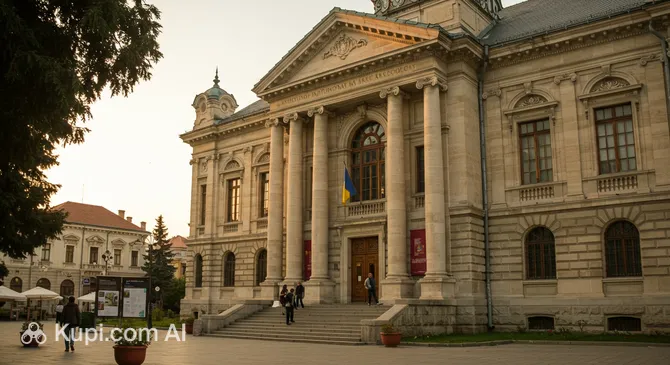
Museum of National History and Archaeology
Museum of National History and Archaeology. Иллюстрация. Источник: Kupi.com AI

The museum's halls present a rich history spanning from the Stone Age to the modern era. Here, Romania appears to tourists as a crossroads of ancient civilizations: Greek, Roman, and Dacian. The museum building itself, designed in the Neo-Romanian style, is an architectural monument that dominates Ovidiu Square, creating the unique atmosphere of the historical center.

The pride of the collection includes unique archaeological finds, such as the world-famous Glykon Serpent and the "Thinker" of Hamangia. Visitors can see not only exquisite statues and jewelry but also everyday objects, weapons, and even reconstructed dwellings of ancient cultures, making a walk through the museum both educational and visually engaging.

Contacts

To plan your visit and check for the most current details, you can use the contact information provided below. We recommend checking the official website in advance, as operating hours may change depending on the season or ongoing restoration work.

How to contactContact
AddressOld Town, Constanța 900178, Romania
Phone+40 241 618 763
Websitewww.minac.ro

What to Do

A visit to the museum is an engaging chronological journey through the floors of history. It is best to start your tour on the first level, where monumental artifacts from the Greco-Roman period are displayed. Be sure to find the famous Glykon Serpent—this mysterious guardian with a lion's head is considered the only one of its kind. Soft music often plays in the halls, helping you settle into a contemplative mood while viewing ancient vases, statues of gods, and gold jewelry.

The interactive part of the museum includes models of ancient ships, navigation instruments, and reconstructions of dwellings. History buffs will appreciate the ancient sarcophagi with preserved inscriptions and video materials detailing archaeological expeditions. The collection is so visually rich that it will even interest school-aged children, who are sure to remember the mammoth tusks and models of ancient settlements.

After finishing your tour of the indoor galleries, don't be in a hurry to leave. An open-air lapidarium exhibition is located around the museum building. Here, you can get up close to massive stone tombstones, amphorae, and fragments of columns that once adorned ancient Tomis. It's a great spot to take atmospheric photos against the backdrop of the ancient masonry and the museum's monumental facade.

Getting There

The museum is located in the heart of the Old Town, on the famous Ovidiu Square. If you are already exploring the historical center or relaxing on the beach, reaching the museum is easy: a leisurely 10–15 minute walk from the waterfront or the harbor will take you there. Picturesque pedestrian streets, lined with café tables, lead you straight to the majestic facade of the former city hall.

For those who prefer public transport, the Piața Ovidiu stop is within walking distance, served by popular bus routes and trams. If you are traveling from other parts of the city or from the railway station, a taxi ride will take no more than 10 minutes.

Tourists arriving from Bucharest by train can easily transfer to local transport right at the Constanța station. For those traveling by car, it is worth noting that parking spaces in the old district are limited, so it is better to leave your car in one of the nearby paid parking lots and continue on foot to enjoy the atmosphere of the ancient city.

Ближайший город: Constanta

History & Facts

The history of this institution, one of the country's oldest cultural sites, began in 1878, shortly after the Dobruja region became part of Romania. The museum was initiated by the region's first prefect, Remus Opreanu. Initially, the unique finds were kept right in his office, and later moved between several sites until they found their current home in 1977 in the magnificent former city hall building.

The museum's collection is a living chronicle of the city, which in ancient times was called Tomis. Founded by Greek colonists from Miletus in the 7th century BC, the city quickly grew into a prosperous trading center. Among the exhibits, you can find evidence of various eras: from Paleolithic mammoth tusks to exquisite Greco-Roman jewelry. A special place in history is held by the poet Ovid, who spent his years of exile here. His statue, created by the Italian master Ettore Ferrari, now graces the square in front of the entrance.

One of the museum's most mysterious artifacts is the Glykon Serpent—a unique marble statue from the 2nd century AD. This creature, with a lion's head, human ears, and a snake's body, was part of a cult popular in the Roman Empire. The statue was found by chance during construction work in 1962 and remains the only discovery of its kind in the world, becoming a true symbol of the region's archaeological wealth.

Time Needed

To explore all three floors of the exhibition and pay attention to the most valuable artifacts, it usually takes between 2 and 3 hours. If you plan to study the exhibit descriptions in detail or enjoy spending extra time observing the ancient statues and jewelry, your visit may take a bit longer.

Don't forget to set aside some time to view the outdoor exhibition—the lapidarium located around the museum building. There, you can see massive sarcophagi and ancient steles that look particularly striking in daylight. Overall, planning half a day for the museum visit and a walk around the adjacent Ovidiu Square is an optimal choice for travelers.

Working Hours

Currently, the museum is temporarily closed to visitors. When planning your route, be sure to check the latest information on the institution's official website or contact the administration by phone.

Typically, the museum's schedule depends on the season, so before traveling to Constanța, it is worth confirming the visiting hours to ensure you can see the unique exhibits within the halls of the former city hall.

Nearby

The museum's location on the main square of the Old Town makes it the ideal starting point for an extensive walking tour. Exploring the surrounding area will allow you to dive deeper into the multi-layered history of this coastal region, where ancient ruins sit alongside the grand architecture of the early 20th century.

Just a few minutes' walk from the museum are the city's main landmarks, from religious sites to the famous promenade with its legendary casino. A stroll through this area is a true delight for photography and architecture enthusiasts.

NameDistance
Ovid Square0 km
Grand Mosque of Constanța0.1 km
Saint Anthony of Padua Basilica0.2 km
Museum of Folk Art0.4 km
Saints Peter and Paul Cathedral0.4 km
Capitoline Wolf of Tomis0.4 km
Constanta Aquarium0.5 km

Reached the end of the page?

That means the route is fully explored