Support

The Museum of Folk Art

About

In the heart of the historic district for which Constanta is famous, lies a remarkable place where time seems to slow down. The Folk Art Museum is not just a collection of antiquities, but a living chronicle of the daily life and spirit that Romania is so proud of. The museum is housed in a magnificent 19th-century building constructed in the recognizable Neo-Romanian style, which itself catches the eyes of passersby with its columns and elegant decor.
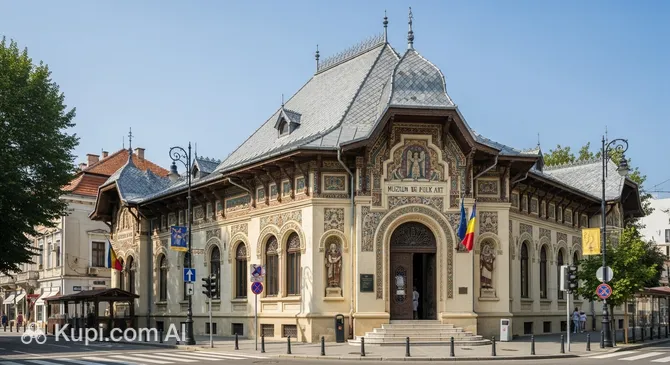
Museum of Folk Art
Museum of Folk Art. Иллюстрация. Источник: Kupi.com AI

Inside, a rich collection of more than 12,000 exhibits awaits. It features treasures from all ethnographic regions of the country, from Transylvania to Dobruja. The exhibition clearly demonstrates how the history of the people, their joys, and their daily labor are reflected in the patterns of fabrics and the shapes of ceramics.

Of particular value is the collection of peasant icons painted on glass and the meticulously recreated interiors of traditional dwellings. Thanks to the multicultural nature of the region, visitors can witness a unique blend of styles and traditions from various ethnic groups that have lived peacefully side by side on the shores of the Danube and the Black Sea for centuries.

Contacts

For more information regarding special events or group tours, you can use the official contact details of the institution.

How to contactContact
AddressBulevardul Tomis nr.32, 900742 Constanța, Румыния
Phone+40 241 616 133
Websitewww.muzeuetnocta.ro

What to Do

As you wander through the halls, you can appreciate the craftsmanship of Romanian artisans: the exhibition features magnificent folk costumes, each of which is a work of art. Fine embroidery, vibrant colors, and unique patterns allow you to trace the differences between regions and learn about the former social status of the wearer.

Be sure to pay attention to the collection of ceramics and wooden items. Here, you can see not only kitchen utensils but also traditional toys and ritual masks used in folk ceremonies. One of the most atmospheric rooms is the space dedicated to traditional weddings, which details the ancient customs and rituals of this celebration.

On the ground floor, art lovers will find unique Orthodox icons on glass created by masters from Transylvania. Before you leave, stop by the souvenir shop: it sells authentic handmade items that will serve as a much more meaningful reminder of your trip than typical tourist trinkets.

Getting There

The museum is located in the very heart of the city at Bulevardul Tomis nr. 32. It sits at the beginning of the main pedestrian street of the old town, so the easiest way to reach it is during a leisurely walk. The nearby Archaeological Park serves as an excellent landmark.

If you plan to use public transport, choose bus routes that stop at the entrance to the pedestrian zone of the historic center. The walk from the railway station or the port is quite short, allowing you to admire the city's architecture along the way.

For those who prefer comfort, local taxi services are always available to drop you off as close to the pedestrian zone as possible. Drivers should note that parking in the old town can be difficult; it is better to leave your car in one of the designated parking lots nearby and continue on foot.

Ближайший город: Constanta

History & Facts

The building that houses the collection today is an outstanding architectural monument in its own right. It was constructed in 1826 based on the design of the famous architect Ioan Socolescu. Originally, this grand Neo-Romanian style mansion served as the Communal Palace—the city's first town hall.

Throughout its long history, the building’s walls also housed the Post Office Palace before becoming a home for folk art treasures. Interestingly, the first exhibition dedicated to the culture of Dobruja opened within these walls as early as 1871, though the museum's official status was established much later, in the mid-20th century.

The collection was built over decades, starting with the enthusiasm of individual folklore collectors. By the 1990s, it had grown beyond regional boundaries to attain national significance, bringing together cultural treasures from every corner of the country, from Transylvania to the Danube coast.

Time Needed

For a standard visit to the main exhibition, most visitors need between 1 and 2 hours. This is enough time to slowly admire the details of the national costumes, study the unique icons, and take beautiful photos within the interiors of the historic building.

If you happen to catch one of the temporary exhibitions or decide to participate in one of the workshops, you should budget about 3 hours for your visit. Also, remember to leave a little time for choosing souvenirs at the shop on the ground floor.

Working Hours

The museum's doors are usually open to visitors from Wednesday to Sunday, 10:00 AM to 6:00 PM. Monday and Tuesday are closing days, which is worth keeping in mind when planning your city itinerary.

Since working hours may change depending on the season or public holidays, we recommend checking the institution's official website before your visit for the most up-to-date information.

DayWorking hours
понедельникЗакрыто
вторникЗакрыто
среда10:00–18:00
четверг10:00–18:00
пятница10:00–18:00
суббота10:00–18:00
воскресенье10:00–18:00

Nearby

After immersing yourself in the world of folk crafts, be sure to take some time to explore the surroundings, as the museum is located at the epicenter of the city's historic life. A stroll through the neighboring streets will reveal how closely different eras and cultures are intertwined here.

NameDistance
Capitoline Wolf of Tomis0.1 km
Ovid Square0.4 km
Constanța Art Museum0.4 km
Museum of National History and Archaeology0.4 km
Grand Mosque of Constanța0.5 km
Museum of the Romanian Navy0.5 km
Saint Anthony of Padua Basilica0.6 km

Reached the end of the page?

That means the route is fully explored