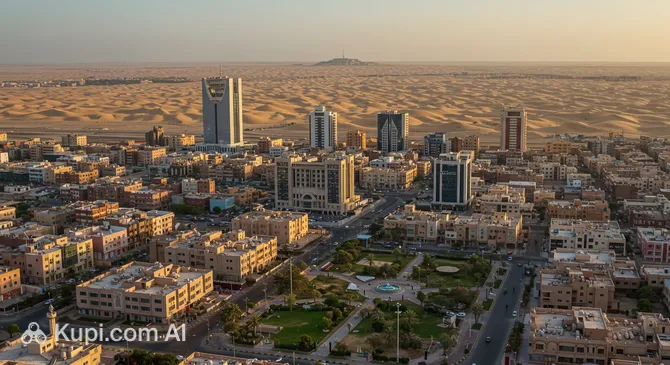
Hafar al-Batin is a dynamic city in the northern part of Saudi Arabia's Eastern Province, which has long served as a vital oasis on the route of pilgrims and trade caravans. Located in the valley of the dry Wadi al-Batin river, the city fascinates with its utilitarian beauty and the rhythm of a major transit hub. Here, modern architecture sits alongside the traditional way of life of the desert region, creating a unique atmosphere of a welcoming administrative center.
Hafar al-Batin. Illustration.
Source: Kupi.com AI
The city originated from wells dug in the 7th century by order of Abu Musa al-Ashari, a companion of the Prophet. This rich history of Hafar al-Batin as a key point on the route to Mecca from Iraq has shaped its character as an open and lively place. Today, the metropolitan population reaches 600,000, making it a significant hub connecting the Kingdom with neighboring Kuwait and the northern borders.
For travelers, Hafar al-Batin is primarily interesting as a starting point for exploring authentic desert life. Here, you can see one of the largest dams in the region, built to protect against wadi floods, and visit famous local markets. The city invites those who want to see the "real" Saudi Arabia off the beaten tourist path, offering the comfort of modern hotels and genuine Eastern hospitality.
Weather Overview
The climate of Hafar al-Batin is typical of desert regions: it features a hot and dry summer followed by a moderately cool winter. The summer months, especially June and July, are characterized by extreme temperatures that often exceed +45°C. During this period, there is virtually no rainfall, and the city is occasionally hit by sandstorms, making air conditioning a vital necessity.
Winter in the city brings long-awaited relief. In January, the average temperature is around +13°C, with daytime highs of a comfortable +18°C, while at night, the thermometer can sometimes drop to +7°C. It is during the winter-spring period that most of the annual precipitation falls, although the amount remains minimal. Due to the city's location in a wadi valley, rare but intense downpours can pose a flood risk, for which a special protective dam was built.
If you are planning a visit, we recommend checking the current weather forecast in Hafar al-Batin in advance. The best time to visit is considered to be from November to March, when the climate is mild and pleasant, ideal for walking and exploring local life without the exhausting heat.
Average monthly temperature
Average monthly precipitation
Interesting Facts
The name of the city Hafar al-Batin literally translates to "the hole of the Batin valley," directly referencing its historical origin around deep wells.
The historical wells that gave life to the city were dug in 638 AD by order of Abu Musa al-Ashari, a companion of the Prophet, to provide water for pilgrims traveling from Iraq to Mecca.
The city features the only protective dam in the Eastern Province, which protects residents from flash floods in Wadi al-Batin—a riverbed stretching a thousand kilometers from Medina itself.
The region is a recognized center for harvesting desert truffles (known as "faga"), which are considered a rare delicacy and sell for high prices at local markets during the season.
Despite the desert climate, the areas surrounding the city, especially in the Nariya region, can feature unique green landscapes with flowers and plants blooming after rare rains.
How to Get There
Hafar al-Batin is a strategically important transport hub in the north of the Kingdom, ensuring good accessibility for both drivers and air travelers. The city is located at the intersection of major national highways connecting it with Riyadh and Kuwait. To plan your trip as efficiently as possible, we recommend checking detailed tips on how to get to Hafar al-Batin.
Air travel is serviced through the nearby Al Qaisumah Airport (IATA: OEA), located approximately 20–30 kilometers from the city center. This domestic airport handles regular flights from Riyadh and Dammam. Flight time from the capital is about an hour and a half, and a transfer from the airport to your hotel by taxi or rental car will take no more than 45 minutes.
There is currently no rail service to the city, so SAPTCO intercity buses remain the primary ground transport. Regular routes connect Hafar al-Batin with major Saudi cities: the trip from Dammam takes about 5 hours, and from Riyadh, around 6–7 hours. For maximum convenience and freedom of movement on desert highways, many travelers prefer renting a car.
Station
Passenger traffic
Distance
Qassim railway station
1
279 km
Al Maqal Railway Station
3
299 km
Main Attractions
While Hafar al-Batin is primarily known as an administrative center, the city offers several interesting locations for relaxation and family leisure. One of the main attractions for locals and visitors alike is the Active Amusement Park, where families can enjoy modern rides and relaxation zones in an atmosphere of Arabian hospitality.
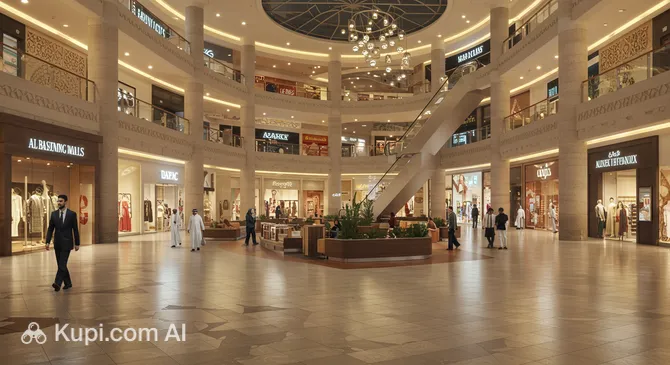
For those who enjoy shopping and comfort, Al-Basem Mall is well worth a visit. This modern space brings together popular brands and food courts under one roof, making it an ideal place to escape the afternoon heat. Another significant urban site is the Al Musallam Complex, which offers a wide range of goods and services for daily needs and leisure.
For those seeking culinary experiences, the city boasts cozy venues with excellent cuisine. You can visit Arama Restaurant, known for its traditional dishes, or grab a bite at the popular Burgerizzr chain. Hafar al-Batin is a city where attractions are closely intertwined with everyday life, allowing tourists to feel like part of the local community.
Local Cuisine
The culinary scene in Hafar al-Batin is a true paradise for lovers of authentic Arabic cuisine with a unique "desert" flair. The main local delicacy is desert truffles (faga), harvested in the city's outskirts during the winter and spring. They are often added to stews or served in gourmet salads, and foodies from all over the region flock here for this seasonal treat.
The staple of the diet here is the freshest meat supplied by local farmers. Be sure to try traditional kabsa (rice with meat and aromatic spices) or mansaf. If you are looking for a hearty lunch in a pleasant setting, visit Arama Restaurant, which serves expertly prepared national dishes. For those wanting a quick yet high-quality snack, the popular Burgerizzr is perfect, offering juicy Saudi-style burgers.
Arama Restaurant. Illustration.
Source: Kupi.com AI
Traveler photos:
The dining culture in the city is inextricably linked to the traditions of hospitality. A meal often begins and ends with gahwa, Arabic coffee with cardamom, served with premium local dates. Residents enjoy spending time in the food courts of large shopping centers, where you can find not only Saudi but also Indian and Pakistani cuisine. Alcohol is strictly prohibited in the city, as in the rest of the country, so the focus is on fresh juices and various types of tea.
Travel Tips
Hafar al-Batin is a welcoming city; however, knowing the local specifics will make your trip much more pleasant and productive. Here are some practical tips from experienced travelers:
Clothing and Essentials: Choose clothing made of natural fabrics that covers your shoulders and knees—this is a sign of respect for local traditions and the best protection from the sun. Be sure to bring sunglasses and comfortable closed shoes for walking through the markets.
Transport: The most convenient way to get around is using the Uber or Careem apps. If you plan to head out into the desert, it is better to rent a car, but avoid driving off-road after dark.
Finance: The local currency is the Saudi Riyal (SAR). Cards are accepted almost everywhere, including malls and chain cafes, but keep some cash on hand for markets and small shops.
Health and Safety: The main risk is the heat, so drink only bottled water and always have a supply with you. Pharmacies in the city center stay open late and offer a wide range of international medications.
Communication: The official language is Arabic, but staff in hotels and large malls speak English fairly well. A local SIM card can be purchased right upon arrival or at operator offices (STC, Mobily) in the malls.
Local Etiquette: Start your interactions with the polite greeting "Assalamu Alaikum." Remember that in Saudi Arabia, it is customary to show restraint in public behavior.
What to Avoid: Do not photograph people without their explicit consent, especially women, or government buildings. Also, refrain from discussing political or religious topics.
Seasonal Tip: If you find yourself here at the end of winter, be sure to visit the truffle market—it is a unique experience that only happens once a year.
Following these simple rules will help you experience true Eastern hospitality and enjoy every moment in this amazing desert land!
Entertainment & Nightlife
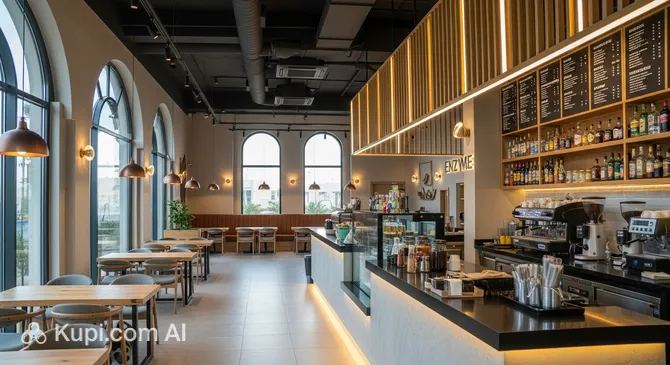
Entertainment in Hafar al-Batin reflects the region's calm and traditional pace of life. Nightlife here lacks the usual club noise and instead centers around cozy cafes and modern shopping malls, which become the main meeting spots after sunset. Local youth and expats prefer spending their evenings at places like Enzyme Cafe, where they can enjoy excellent coffee and leisurely conversation in a stylish setting.
Enzyme Café. Illustration.
Source: Kupi.com AI
Traveler photos:
For family vacations and active leisure, Active Amusement Park is ideal. It is one of the few places in the city where you can find game zones and rides that stay open late. In the evening, the park fills with lights and children's laughter, becoming a hub for residents of all ages. Visiting cinemas in modern malls is also a popular evening pastime, having become available as part of the Kingdom's recent cultural reforms.
In the cooler months, picnics in nature are a favorite activity for locals. Many head to the Wadi al-Batin dam or the green areas of neighboring Nariya to enjoy the fresh air and the beauty of desert plants. Safety in the city is maintained at a high level, making evening strolls through central districts and visits to food courts in shopping complexes perfectly comfortable for tourists. Taxis can be hailed at night via popular apps, making getting around the city simple and fast.
Parks & Museums
In Hafar al-Batin, a city with a primarily transit and administrative character, traditional museums and extensive park areas are in a stage of active development. Nevertheless, there are places for relaxation that are very popular with locals. One of the centers for family leisure is the Active Amusement Park, offering playgrounds and outdoor entertainment, which is especially popular in the evening hours.
The region's natural beauty is concentrated along the bed of Wadi al-Batin and the protective dam, which is an impressive piece of engineering in its own right. While these are not parks in the conventional sense, locals often choose these areas for traditional picnics, especially when the desert comes alive after rare rains. If you are looking for true green landscapes, it is worth driving towards the Nariya governorate, where carpets of flowers and unique desert vegetation can be seen during certain seasons.
For cultural leisure, residents often visit modern complexes such as the Al Musallam Complex or Al-Basem Mall. These venues serve as public spaces, offering not only shopping but also areas for socializing and relaxation in air-conditioned environments. Although the city does not yet house large historical galleries, its streets and markets are themselves a living museum of traditional Saudi life.
Getting Around
The public transport system in Hafar al-Batin is still developing, so the city is largely oriented towards the use of private cars and taxis. The main form of official transport is SAPTCO intercity buses, which connect the city with major regional centers. Intra-city bus routes do exist, but they are not always convenient for tourists due to long intervals between services.
The most popular and reliable way for visitors to get around the city is through ride-hailing apps like Uber and Careem. They allow you to see the trip cost in advance and provide a high level of comfort, which is particularly important during the hot summer months. Traditional taxis can also be found on the streets, but it is best to agree on the fare in advance.
For those planning to travel frequently or explore the surrounding areas, renting a car is an ideal solution. The city's road network has a clear structure, traffic jams are rare, and the cost of gasoline is traditionally low. Walking in Hafar al-Batin is difficult due to the layout and climate, so even for short distances, locals and tourists prefer to move in air-conditioned transport.
Accommodation
The hotel infrastructure in Hafar al-Batin is primarily geared towards business travelers and those passing through the city in transit, so mid-range and high-class hotels that provide an excellent level of comfort predominate. Notable accommodation options include international chains such as Holiday Inn Hafr Al Batin and Ramada, which offer modern air-conditioned rooms—a critical feature given the local climate.
For those seeking a blend of luxury and traditional hospitality, the Mansour Grand Hotel is an excellent choice. Additionally, the city has a well-developed segment of apart-hotels, such as Banan Apartment, which are particularly convenient for long stays or groups traveling together. Most popular accommodations are concentrated in the central Al-Baladiyah district, providing easy access to shopping centers and main highways.
Accommodation prices in the city remain moderate compared to megacities like Riyadh. It is recommended to book your stay in advance through international services, especially if your trip coincides with the truffle harvest season or religious holidays when the flow of transit travelers increases. When choosing a hotel, look for parking availability and high-quality Wi-Fi, as these services are standard for most quality hotels in Hafar al-Batin.
Nearby Cities
Hafar al-Batin serves as an excellent starting point for exploring the northern regions and even neighboring states, thanks to its prime location at the intersection of key highways. Traveling from this city allows you to see both quiet oases and dynamic Gulf metropolises.
Just 17 kilometers away is the small town of Al Qaisumah, known for its airport and quiet atmosphere. If you are ready for a longer journey, you can head to Kuwait City. The drive to the capital of neighboring Kuwait takes about 3-4 hours along a high-speed highway, offering opportunities to explore modern architecture and Persian Gulf waterfronts. Also of interest is the city of Al-Jahra, located on the way to the Kuwaiti capital and known for its historical monuments.
Exploring the outskirts of Hafar al-Batin provides a chance to feel the scale of the desert and see how modern cities rise from the sands. Whether it's a short trip to a neighboring village for local produce or a full journey to another country, the region around the city promises many interesting discoveries.
Shopping & Souvenirs
Shopping in Hafar al-Batin is a fascinating mix of modern retail complexes and colorful Eastern markets. The city doesn't claim to be a world fashion capital, but it offers an excellent selection of goods, from well-known clothing brands to unique desert products found nowhere else.
For those who prefer comfortable European-style shopping, centers like Al-Basem Mall and Al Musallam Complex are open for business. Here you can find clothing boutiques, perfumery, and electronics, as well as relax in food court areas. These malls are the city's main commercial arteries, where life buzzes until late in the evening.
Al Basem Mall. Illustration.
Source: Kupi.com AI
Traveler photos:
If you are looking for something truly authentic, head to the local vegetable and meat market. This place is famous for its desert truffles and high-quality livestock products. Popular souvenirs from Hafar al-Batin include premium dates, local spices, or leather goods. Shops usually take a break during the afternoon heat and prayer times, opening in the morning until 12:00 PM and resuming from 4:00 PM until late evening. Card payments are widely accepted in malls, but it is better to have cash in local riyals for the markets.