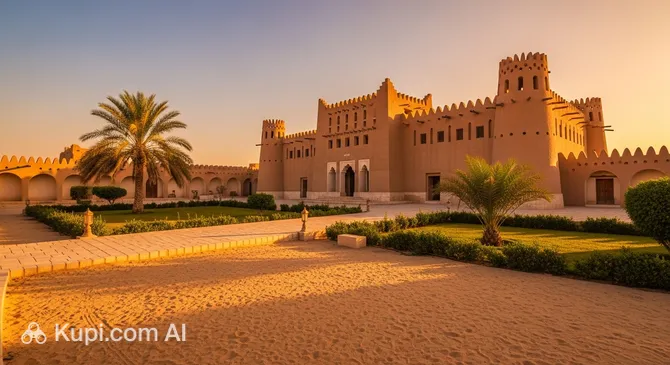
Al Jahra is a unique oasis city in the central part of Kuwait, serving as the administrative center of the governorate of the same name. Located approximately 50 kilometers west of the capital, the city harmoniously combines the features of a modern residential area with a traditional agricultural zone. It is home to about 393,432 people, making it one of the country's significant population centers.
The city is permeated with an atmosphere of calm and deliberate pace typical of agrarian regions. In the city's history, its position as an oasis has always played a key role, allowing Al Jahra to become the main supplier of fruits and vegetables to the country's markets. Today, you can see an interesting proximity of modern residential blocks to extensive farmlands and endless desert landscapes.
Al Jahra. Illustration.
Source: Kupi.com AI
One of the city's main highlights is its rich heritage and its status as the "green lungs" of the region. Although Al Jahra is not a typical tourist destination, it attracts those who want to see the authentic, unpolished Kuwait and connect with its roots. We invite you to visit this amazing oasis to experience its unique rhythm of life.
Weather Overview
Al Jahra experiences a typical desert climate, characterized by extremely hot summers and mild, pleasant winters. In the summer months, especially in July and August, temperatures can rise to 45–50°C. Expect a scorching sun and occasional dust storms, which can affect air quality.
The winter period, lasting from December to February, is the most comfortable time to visit. The average temperature in January is about 13.8°C, with daytime highs reaching up to 19°C and nighttime lows dropping to 8°C. Precipitation is extremely rare, mostly occurring as short-lived rain during the winter months.
Before your trip, we recommend checking the detailed city's climate to choose your wardrobe correctly. Al Jahra's oasis location slightly moderates the microclimate thanks to the abundance of greenery on the farms, but the overall aridity of the region remains the defining factor.
Average monthly temperature
Average monthly precipitation
Interesting Facts
Al Jahra is the capital of Kuwait's largest governorate, which occupies nearly two-thirds of the country's entire territory.
The city is recognized as the state's primary agricultural oasis; this is where most of the local fruits and vegetables are grown.
Despite its agrarian focus, Al Jahra is experiencing high rates of urbanization, rapidly transforming from an oasis into a modern suburb.
Located in the immediate vicinity of the city is one of the region's best motorsport complexes—Kuwait Motor Town.
How to Get There
Al Jahra is conveniently connected to the capital and other regions of the country by modern highways. The main traffic flow follows Route 80 and Route 47. A car trip from Kuwait City takes about 30–40 minutes, though travel time can increase to an hour during peak hours due to heavy traffic. For those who prefer public transport, KPTC buses operate, but keep in mind that their schedules might not be very flexible.
If you are planning a visit, it is helpful to find out details in advance about how to get to specific locations within the city. The city itself does not have its own passenger airport, so travelers arrive via the country's international aviation hub. The Ali Al Salem airbase is nearby, located about 15 kilometers from the center, but it does not serve civilian flights.
There is currently no rail service in Al Jahra, as Kuwait's transport system is entirely oriented toward road traffic. For comfortable travel, tourists are recommended to use taxi services or rent a car, which is the most practical way to get around in this region.
Station
Passenger traffic
Distance
Khorramshahr railway station
1
132 km
Al Maqal Railway Station
3
136 km
Bandar Imam Khomeini Railway Station
1
182 km
Ahvaz Railway Station
5
240 km
Main Attractions
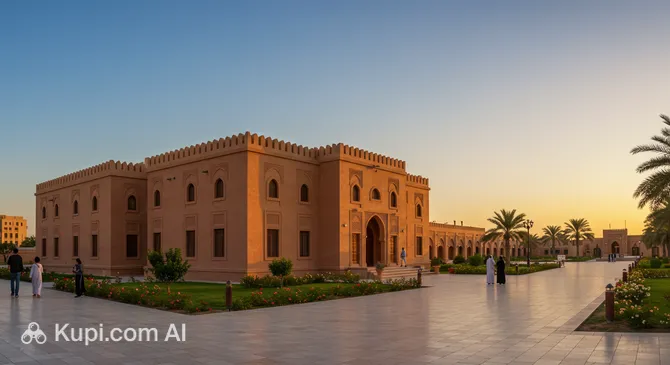
While Al Jahra is primarily known as an agricultural and residential hub, it does have sites of historical interest. One of the most significant monuments is the Red Palace. This fortress structure serves as a reminder of important past events and is a rare example of traditional architecture preserved in the region.
Red Palace. Illustration.
Source: Kupi.com AI
Traveler photos:
For those interested in the city's modern life, the Al Jahra Sports Club is worth a visit—a central sports complex that frequently hosts football matches and training sessions. This location is a hub for local youth and active lifestyle enthusiasts.
Otherwise, the city's attractions are centered around its oases and farmsteads. A walk through the surrounding gardens allows you to see how crops are grown in desert conditions, which is a unique experience for any traveler. While major cultural and museum routes usually lead toward the capital, Al Jahra remains an important point for understanding the country's inner workings.
Local Cuisine
The culinary scene in Al Jahra is a true celebration of Arabic flavors. The local diet is based on traditional Kuwaiti dishes, with machboos—fragrant rice with meat or fish, generously seasoned with spices—leading the way. You should also definitely try the tender kebabs, hummus, and falafel, which are prepared here with great care.
A major advantage of the city is the availability of fresh produce straight from local farms. In restaurants such as Freej Swaeleh, you can enjoy authentic home-style cooking in a cozy setting. If you prefer high-quality international fast food, Raising Cane's is worth a visit.
Raising Cane's. Illustration.
Source: Kupi.com AI
Traveler photos:
Regarding drinks, locals prefer Arabic coffee with cardamom (gahwa) and strong tea. On hot days, fresh juices made from fruits grown in local oases are popular. Alcohol is officially banned in the city, as in all of Kuwait, which shapes a unique culture of spending evenings in coffee shops and juice bars.
Travel Tips
Traveling to Al Jahra can be an amazing experience if you know a few important nuances. Here are some practical tips to help make your trip comfortable and safe:
Clothing and Essentials: Choose light clothing made from natural fabrics, but remember to be modest—in Kuwait, it is customary to cover shoulders and knees. Be sure to bring sunglasses, a hat, and comfortable shoes for walking through the oases.
Transport: The best way to get around is by rented car or taxi. Public buses are infrequent and can be crowded, so it's better not to rely on them when planning a tight schedule.
Finances: The local currency is the Kuwaiti Dinar (KWD), one of the most valuable currencies in the world. Cards are accepted in malls and hotels, but always keep some cash on hand for markets and small shops. Tipping is appreciated but not mandatory.
Health and Safety: Always carry water with you and avoid prolonged exposure to the sun at midday. The city is generally safe, but it's best not to head into remote desert areas alone without an experienced guide.
Communication: The official language is Arabic, but English is very common in the service sector and shopping malls. It wouldn't hurt to learn a couple of phrases in Arabic: "As-salamu alaykum" (hello) and "Shukran" (thank you).
Local Etiquette: It is customary to remove your shoes when entering a private home. Show respect for local traditions, especially during prayer times. Greetings are best done with a nod or a light handshake (between men).
What to Avoid: It is strictly forbidden to photograph government and military facilities. Also, refrain from public displays of affection and do not consume food or water in public during daylight hours during the month of Ramadan.
Extra Tip: If you plan to visit the Red Palace, check its opening hours in advance, as the schedule can change depending on the season and holidays.
Following these simple rules will allow you to enjoy the hospitality of Al Jahra and ensure you have only pleasant impressions of this region!
Entertainment & Nightlife
Entertainment in Al Jahra is quiet and family-oriented, mostly centered around large shopping complexes. For evening leisure, locals and visitors often choose Awtad Mall or Jahra Mall, where they can find not only shops but also food courts offering diverse cuisines.
Awtad Mall. Illustration.
Source: Kupi.com AI
Traveler photos:
Nightlife in its classic Western sense—with clubs and bars—is non-existent here due to local traditions and laws. Evenings are typically spent enjoying long dinners at restaurants like Freej Swaeleh or over a cup of traditional coffee with family. The atmosphere in these establishments is very welcoming but requires a modest dress code and respectful behavior.
For those seeking thrill and active recreation, racing tracks, including the famous Kuwait Motor Town, are located within a 20–30 minute drive from the city. This spot attracts fans of motorsports and high-speed racing. For a more intensive nighttime program, theaters, and international concerts, travelers usually head to Kuwait City.
Parks & Museums
Al Jahra is a city where nature and history are closely intertwined. The main historical site is the Red Palace, which today serves as a cultural center. This is a must-visit for anyone wishing to see ancient fortress architecture and learn about the region's heroic past.
Red Palace. Illustration.
Source: Kupi.com AI
Traveler photos:
Park infrastructure in the city is moderately developed due to the harsh desert climate. However, oasis gardens and green areas at farms often serve as parks, where locals enjoy family picnics. For a relaxing break, residents also visit small squares near shopping centers like Awtad Mall.
Although Al Jahra itself lacks major art galleries or science museums, its proximity to the capital makes it easy to fill this gap. However, it is here that you can feel the unique atmosphere of a living oasis that has fed the region for centuries, which is more valuable than any museum exhibit behind glass.
Getting Around
The public transport system in Al Jahra is primarily focused on connecting with the capital. The main operator is KPTC, whose buses run regularly between Al Jahra and Kuwait City. However, within the city itself, intervals can be quite long, so the transport system is not considered the most convenient for tourists without their own car.
Most locals and expats prefer to get around by private car or taxi. Calling a car through mobile apps (such as Careem) is the most reliable and comfortable way to reach your destination. Fares are quite affordable, and the air conditioning inside will be a lifesaver on hot days.
Walking is not very popular in Al Jahra due to long distances and the climate. Bike rentals and car-sharing have not yet become widespread here. If you plan to move actively around the city and its surroundings, renting a car is the most sensible solution, providing complete freedom of movement.
Accommodation
Accommodation options directly in Al Jahra are limited, as the city is more geared toward permanent residents and agricultural workers. Nevertheless, there are decent options for a comfortable stay. The most well-known property is the Copthorne Al Jahra Hotel & Resort, located within the Slayil Al-Jahra tourist resort. This hotel offers guests a swimming pool, fitness center, and a full range of leisure services.
Jahra Mall. Illustration.
Source: Kupi.com AI
Traveler photos:
In addition to large resorts, there are apartments in the city, though they are more commonly rented for long-term stays. For tourists planning a short-term visit, this might not be the most convenient option, so many prefer to stay in hotels in the capital and make day trips to Al Jahra.
We recommend booking accommodation in advance, especially if you plan to visit during the winter months when the weather is most favorable for exploring. Accommodation prices here align with the country's average, and booking is available through popular international services.
Nearby Cities
Al Jahra serves as an excellent starting point for exploring the northern and central regions of the country. Just 29 kilometers away is the capital, Kuwait City, where you can go for large-scale shopping, world-class museums, and the famous Kuwait Towers. The drive takes no more than half an hour, making the capital an ideal destination for a full-day trip.
For those who want to see other sides of life in the country, cities like Ar-Riqqa or Abu Halifa, located along the coast, may be of interest. Also within reach is the Ahmed Al Jaber Air Base, where interesting technical events are often held nearby.
Exploring the surroundings of Al Jahra will allow you to better understand the diversity of Kuwaiti landscapes—from dense urban development to vast deserts and industrial zones. The good condition of the roads makes such trips easy and pleasant.
Shopping & Souvenirs
Shopping in Al Jahra is a blend of modern formats and traditional character. If you are looking for comfortable conditions and well-known brands, head to Awtad Mall or Jahra Mall. These centers offer a great selection of clothing, electronics, and home goods, along with pleasant relaxation areas.
Jahra Mall. Illustration.
Source: Kupi.com AI
Traveler photos:
Special attention should be paid to the local markets. Al Jahra is famous for its agricultural produce, so you can always find fresh fruits, vegetables, and dates brought directly from nearby farms at the food markets. This is the best place to buy delicious souvenirs and feel the pulse of a local oasis.
Shops typically operate from morning until late evening with a lunch break, while major malls are open until 10:00 PM or 11:00 PM. Card payments are accepted almost everywhere, but it's better to carry some cash—Kuwaiti Dinars—for the markets. There is currently no Tax-Free system in the country, but prices for many goods remain competitive.