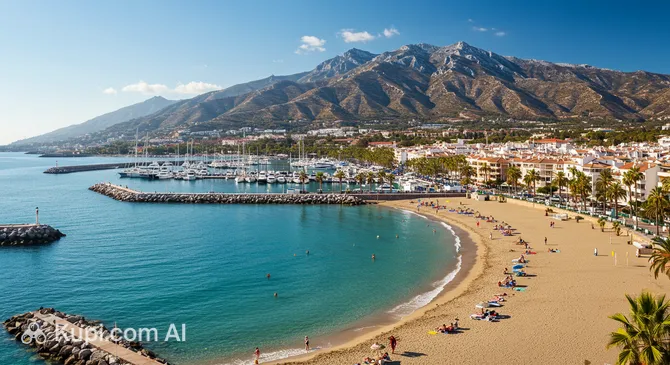
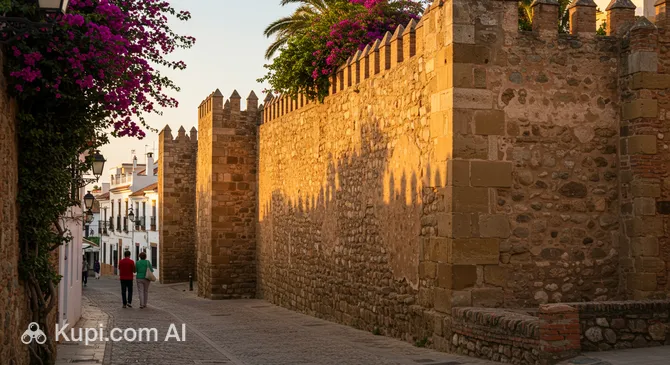
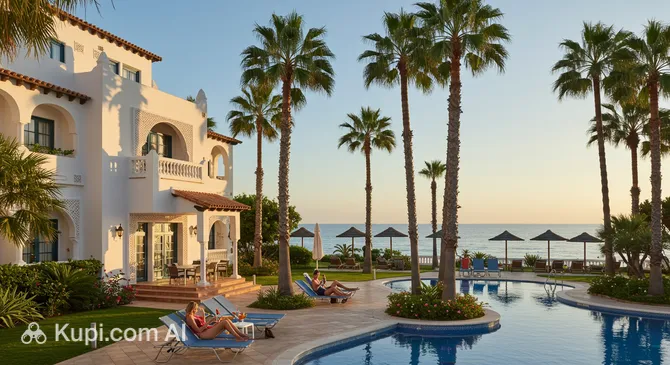
Marbella is the jewel of the Costa del Sol in Spain, a city that harmoniously blends an atmosphere of exceptional luxury with authentic Andalusian charm. Nestled at the foot of the majestic Sierra Blanca mountain range, it attracts travelers with its golden beaches and mild Mediterranean climate. The city's population is around 150,000, but during the peak season, the streets come alive with guests from all over the world.
Marbella. Illustration.
Source: Kupi.com AI
The rich history of Marbella can be felt in the labyrinths of the Old Town (Casco Antiguo), where cozy courtyards and historical monuments are hidden among whitewashed houses. Here you will find the famous Orange Square, the heart of cultural life, surrounded by 16th-century architecture and fragrant citrus trees. At the same time, the modern part of the city, known as "European California," offers elite villas, world-class golf courses, and some of the best beach clubs in Europe.
Today, this resort embodies the "jet-set" lifestyle while remaining welcoming to all kinds of tourists. We invite you to dive into a world where the sound of the Mediterranean surf mixes with the scent of blooming oranges, and every evening promises unforgettable experiences under the bright southern sun.
Weather Overview
Marbella is rightfully considered one of the sunniest places in the region, as it is located on the famous "Coast of the Sun." The favorable climate of Marbella allows you to enjoy a vacation practically year-round. Summers here are hot and dry: in July and August, daytime temperatures often reach +30°C, and the sea warms up to comfortable levels for swimming.
Winters in the city are very mild, with an average January temperature of around +10°C, though on sunny days the air can warm up to +15°C and above. Expect a warm summer with minimal rainfall and a moderately humid spring, especially in March, when rains refresh nature before the high season begins. Overall, the region is famous for ideal conditions for those seeking warmth and a chance to top up their Vitamin D at any time of year.
Average monthly temperature
Average monthly precipitation
Interesting Facts
This sunny city holds many surprising details that go far beyond its image as a simple beach resort.
Marbella's coastline stretches for 27 kilometers and includes 26 magnificent beaches, many of which receive the prestigious Blue Flag annually for cleanliness and quality of service.
The heart of the historic center is Orange Square (Plaza de los Naranjos), where you can see the 16th-century town hall and an ancient basilica surrounded by fragrant citrus trees.
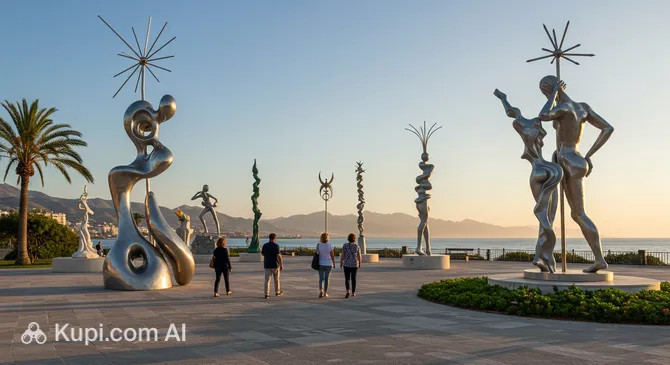
Walking from the Old Town to the waterfront along Avenida del Mar, you will encounter a unique collection of authentic bronze sculptures by Salvador Dalí, exhibited right under the open sky.
On the outskirts of the historic quarter, ruins of a 15th-century Arab Fortress are still preserved, serving as a reminder of the region's Moorish past.
Rising above the city is La Concha mountain, part of the Sierra Blanca range, reaching a height of 1,200 meters, creating a unique microclimate and protecting the coast from northern winds.
How to Get There
Reaching this sunny coast in the province of Malaga is easy thanks to southern Spain's well-developed transport network. Although the city does not have its own airport, the region's main air gateway is very close. Detailed information on routes, connections, and tickets can be found on the page describing how to get to Marbella.
The nearest major air hub is Malaga-Costa del Sol Airport (AGP), located approximately 50 kilometers away. Regular express buses, taxis, and private transfers run from there to the resort center. The drive along the scenic A-7 highway usually takes about 40–50 minutes, depending on traffic.
For those who prefer land transport, the main hub is the Marbella Bus Station (QRL). It is located in the northern part of the city and serves routes from Madrid, Seville, and neighboring coastal resorts. There is no direct rail link to the city, so travelers often arrive at Malaga station via high-speed trains and then transfer to a bus or taxi.
A tour of the city should begin with its historical core — the Old Town. Here, on the famous Orange Square, you will see the Town Hall building and the oldest structure — the Church of Santiago. Narrow streets with whitewashed walls decorated with flower pots lead to Plaza de la Iglesia, where the 17th-century Church of the Incarnation stands, considered the tallest historical building in this part of Marbella.
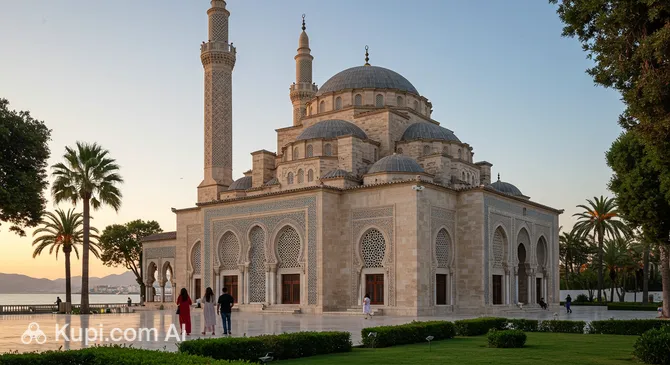
A special place among cultural sites is held by the Marbella Mosque. This magnificent white-stone building in the Andalusian style is a reminder of the region's Arab heritage and an important architectural monument of the modern era, harmoniously integrated into the coastal landscape.
Marbella Mosque. Illustration.
Source: Kupi.com AI
Traveller photos:
Art lovers should definitely visit the Avenida del Mar promenade, home to the original Dali Sculptures. These ten bronze masterpieces by the great surrealist transform a simple walk to the sea into an open-air art gallery available to every passerby.
Dalí Sculptures. Illustration.
Source: Kupi.com AI
Traveller photos:
The best way to conclude your walk is where the city meets the Mediterranean Sea. The picturesque Marbella Promenade stretches along the coast, offering tourists endless views of the waves, cozy cafes, and an atmosphere of carefree relaxation. Here you can enjoy the sea breeze and watch the passing yachts in the rays of the setting sun.
Marbella Promenade. Illustration.
Source: Kupi.com AI
Traveller photos:
Local Cuisine
Marbella's gastronomy is a celebration of Mediterranean flavors, where the freshest seafood meets classic Andalusian traditions. You must try "espetos"—sardines grilled over coals right on the beach—as well as traditional cold soups like gazpacho or ajoblanco, which are perfectly refreshing on a hot day.
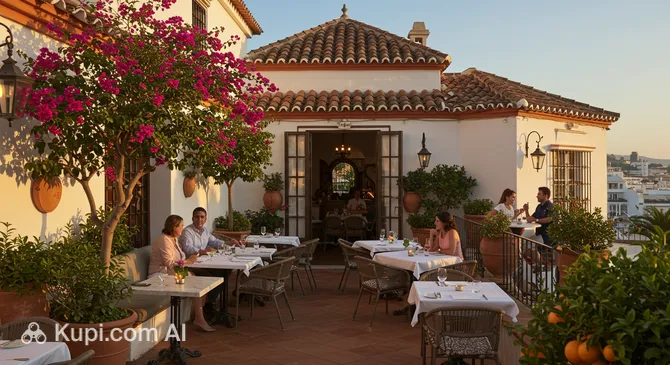
For those who want to immerse themselves in an authentic atmosphere, El Boqueron is a perfect choice. Here you can taste classic Spanish tapas alongside locals and enjoy the simplicity and quality of local cuisine. Dining in the Old Town is often accompanied by a glass of chilled sangria in the shade of orange trees in the main squares.
El Boquerón. Illustration.
Source: Kupi.com AI
Traveller photos:
If you are looking for a more modern take on cuisine and a cozy atmosphere, look no further than Cascada Cocina & Bar. This place is famous for its attention to detail and interesting ingredient pairings, representing a bright example of the resort's modern gastro-scene. The city's markets and numerous taverns offer a huge selection of dishes: from simple fried "pescaíto" to exquisite haute cuisine delicacies.
Cascada Cocina & Bar. Illustration.
Source: Kupi.com AI
Traveller photos:
Travel Tips
Preparing for a trip to one of Spain's most prestigious resorts requires attention to detail. Here are some practical tips to help make your holiday in Marbella as comfortable and pleasant as possible.
Clothing and essentials: Bring light clothing made from natural fabrics, but don't forget a light jumper for evening strolls by the sea. Comfortable shoes are a must for walking along the cobbled streets of the Old Town.
Transport: It is convenient to move around the center on foot. For trips to Puerto Banús or neighboring towns, use buses or taxis (Uber and Cabify apps also operate in the region).
Finances: The official currency is the Euro. Bank cards are accepted almost everywhere, but it's better to have some cash on hand for small shops or tipping in bars.
Health and Safety: The city is very safe, but always keep an eye on your belongings in crowded places. Don't forget sunscreen and drink plenty of water. Pharmacies are easily recognized by a glowing green cross.
Communication: The main language is Spanish, but staff in tourist areas speak English well. A few phrases like "Hola" or "Gracias" always bring a smile in return.
Local Etiquette: It is customary to say hello when entering a shop or restaurant. Spaniards are open people, so politeness and friendliness will help you quickly find common ground with the locals.
What to avoid: You should not walk in swimsuits or trunks outside the beach area and promenade—it is considered bad manners in the city and may cause disapproval.
Extra tip: Drop by the tourist office on Orange Square to pick up a free map and find out the current schedule of holidays and festivals.
By following these simple recommendations, you can fully focus on the beauty, hospitality, and magnificent atmosphere of this amazing resort.
Entertainment & Nightlife
When the sun sets behind the horizon, Marbella transforms, offering entertainment for every taste. The center of nightlife is rightfully considered the Puerto Banús area and the "Golden Mile," where the most elite clubs and bars are located. The crowd here is stylish, and venues often have a dress code (smart casual or elegant), especially on weekends when the international elite flock to the city.
For an active evening out, Perita Marbella is a great choice, where modern music and an excellent cocktail list create the perfect atmosphere for dancing until dawn. If you prefer a more traditional Spanish vibe with live music, be sure to stop by a place like Tavern El Bordon. The sound of the guitar often fills the air here, and the soulful setting invites long conversations over a glass of wine.
Taberna El Bordón. Illustration.
Source: Kupi.com AI
Traveller photos:
Daytime entertainment is just as diverse: from walks through picturesque parks to visiting cozy cafes. For instance, you can start your morning at Art Bakery & Gourmet, enjoying specialty coffee and exquisite pastries. For safe night walks, it is recommended to stick to well-lit promenades and tourist quarters, and to use taxis to return to your hotel, which can be easily called via mobile apps or found at designated ranks.
Parks & Museums
The main green space in the heart of Marbella is Alameda Park. This shady oasis with lush tropical vegetation and historical benches decorated with traditional ceramic tiles serves as a link between the Old Town and the seafront. Locals often relax here, enjoying the cool mist of the fountains during hot hours.
For nature lovers, the Sierra de las Nieves National Park will be a true discovery. This unique natural reserve offers hiking trails with breathtaking panoramic views of the mountains and the Mediterranean Sea. The park is listed as a UNESCO Biosphere Reserve and is home to rare species of flora and fauna.
The city's cultural heritage is represented not only in classical museums but also in its architecture. A key historical site is the Marbella City Walls. These powerful 15th-century defensive structures are a reminder of the times of Arab rule and the Reconquista, allowing tourists to literally touch the ancient history of the region.
Marbella City Walls. Illustration.
Source: Kupi.com AI
Traveller photos:
Those who want to get to know the soul of Andalusia through dance and music should visit Tablao Flamenco Marbella. This is a vibrant space where Spanish flamenco traditions are carefully preserved, turning every evening into a captivating cultural performance full of passion and skill.
Getting Around
The public transport system in Marbella is geared toward tourist convenience and connects the main coastal areas. The primary mode of transport is buses, which run regularly between the historic center, the Puerto Banús district, and neighboring municipalities. This is a reliable and cost-effective way to get around for those not planning to rent a car.
You can pay the fare in city buses to the driver in cash, but for convenience, consider purchasing a travel card at specialized kiosks or the tourist office. Most routes operate from early morning until midnight, and during the summer period, additional night services are often launched, linking popular coastal entertainment zones.
An alternative to buses are the numerous taxis, which can be found at designated stands or called via mobile apps. For those who prefer active leisure, the city offers bicycle rentals, and the well-maintained promenade is perfect for long bike rides with sea views. Additional information on fares and current routes can always be checked at the info center on Orange Square.
Accommodation
Accommodation in Marbella offers a wide range of options—from budget-friendly apartments to world-renowned luxury hotels. Despite its image as an exclusive resort, it is easy to find cozy guesthouses in the historic center or modern studios in residential areas, making a stay accessible for travelers with various budgets.
For those who value exceptional service and a prime beachfront location, Marbella Coral Beach is an ideal choice. This resort hotel offers a tranquil atmosphere and magnificent views of the Mediterranean Sea. Another legendary spot is Puente Romano Marbella, which resembles a traditional Andalusian village in its architecture and is famous for its tennis club and fine dining restaurants.
Puente Romano Marbella. Illustration.
Source: Kupi.com AI
Traveller photos:
Marbella Coral Beach. Illustration.
Source: Kupi.com AI
Traveller photos:
Popular areas to stay include the vicinity of Orange Square, where you can feel the spirit of antiquity, and the "Golden Mile" district, which connects the city center with the elite Puerto Banús marina. If you are planning a trip for the high season (July-August), we recommend booking accommodation well in advance, as the best value-for-money options are snapped up very quickly.
Nearby Cities
Marbella is an ideal jumping-off point for exploring southern Spain, allowing you to see picturesque white villages and vibrant neighboring resorts in just one day. The surrounding area offers amazing diversity—from mountain landscapes and national parks to ancient fortresses and modern theme parks.
Just a few kilometers away is San Pedro, where you can stroll along a cozy modern boulevard or visit an early Christian basilica. If you are looking for culinary adventures, head to Benahavis—a mountain village often called the "culinary capital of the Costa del Sol" due to its vast number of excellent restaurants. It is also worth visiting the city of Fuengirola, known for its zoo and the Sohail Arab fortress.
Exploring nearby towns like Coin or Alhaurin el Grande will allow you to feel the spirit of Andalusia more deeply. Most of them are easily accessible by regular buses or a rental car, offering views of the coast and mountain ranges along the way.
Shopping & Souvenirs
Shopping in Marbella is an exciting mix of world-class fashion boutiques and charming craft shops. In the Old Town, along the streets surrounding Orange Square, you will find many shops with local ceramics, handmade olive oil, and unique jewelry that make excellent souvenirs from your trip.
For large-scale shopping and finding popular clothing brands, La Cañada Shopping mall is the best fit. It is one of the largest complexes in the region, featuring over 150 stores, a cinema, and a food court under one roof, allowing the whole family to comfortably spend an entire day here.
La Cañada Shopping. Illustration.
Source: Kupi.com AI
Traveller photos:
If you are interested in "haute couture," make your way to the Puerto Banús district. The marina's waterfront is lined with windows of leading global fashion houses, and on weekends, street markets often open up, where you can find vintage items and products by local artisans. Remember that many small shops may close for siesta, and Tax Free refunds are available at most large retail outlets upon presentation of your passport.