Support

Skansen

About

Skansen is a unique open-air ethnographic museum located on the picturesque island of Djurgården in Stockholm. Founded in 1891, it became the world's first museum of its kind, created to preserve and showcase the traditional way of life in old Sweden during an era of change. The idea of its founder, Artur Hazelius, was to gather the entire country in miniature in one place.

More than 150 historical buildings and farmsteads from the 18th to the 20th centuries, transported from all corners of the country, are collected on the museum's vast territory. Walking through Skansen, you feel as though you are traveling through time and space, becoming acquainted with the architecture and daily life of different eras—from peasant farms to town quarters with craft workshops. Inside many of the houses, authentic settings have been recreated, and caretakers in historical costumes tell fascinating stories about the past.
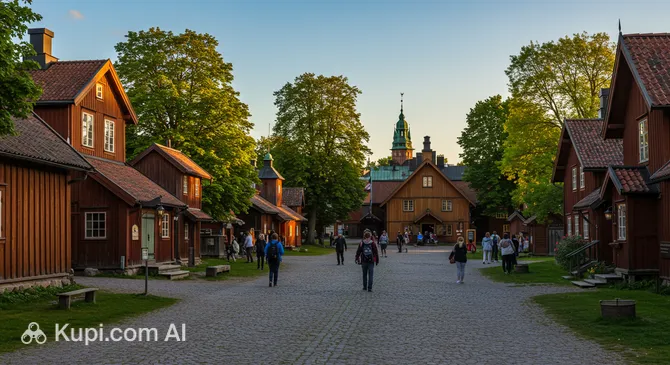
Skansen. Illustration.
Source: Kupi.com AI

Traveler photos:

But Skansen is not just a collection of old houses. It is a living museum where you can see masters at work—glassblowers, bakers, blacksmiths—and even take part in seasonal holidays, which are celebrated here on a grand scale. Furthermore, the grounds house Stockholm's only zoo featuring northern fauna: moose, bears, lynx, and wolverines, making a visit even more exciting for the whole family.

Contacts

For the most up-to-date information on opening hours, ticket prices, and special events, it is recommended to consult the official sources of the Skansen museum. All the details needed to plan your visit, including online ticket purchases and an events calendar, are available on the website.

How to contactContact
AddressDjurgårdsslätten 49-51, 115 21 Stockholm, Sweden
Phone number+46 8 442 82 00
Websitewww.skansen.se

What to Do

A visit to Skansen is a true immersion into the history and culture of Sweden. Here you can stroll through recreated streets of "old Sweden," look inside houses and farmsteads from various eras, and watch craftsmen at work. You will see blacksmiths, glassblowers, and bakers working using age-old techniques. Additionally, the museum grounds often host workshops, interactive exhibitions, and theatrical performances, making a visit interesting for both adults and children.

The zoo, where you can meet representatives of northern fauna, attracts special attention. Here, moose, bears, wolves, and lynx live in spacious enclosures. For younger guests, there is a separate area with a children's petting zoo where they can interact with domestic animals, as well as several playgrounds. This makes Skansen a wonderful place for a family holiday.

Seasonal events complement the impressions of the visit. The museum regularly hosts traditional holidays and fairs that allow for a deeper dive into Swedish customs. And during the summer season, cozy cafes and restaurants open their doors, where you can relax and try national Swedish cuisine, rounding off a busy day.

Getting There

The Skansen museum is conveniently located on the island of Djurgården in the heart of Stockholm, making it easily accessible for visitors. The simplest way to get here is by public transport. Tram No. 7 and Bus No. 67 stop right at the main entrance, following routes that pass through key points in the city. This is particularly convenient as you won't have to spend much time looking for the museum.

For those who want to combine their trip with a short boat ride, a ferry is an excellent option. It departs from the pier in the Old Town (Gamla Stan), near the Royal Palace, and takes passengers directly to Djurgården. Additionally, walking enthusiasts can enjoy a scenic route from the city center across the Djurgårdsbron bridge, which leads to the green island. This walk allows you not only to reach the museum but also to admire the views of the Swedish capital.

Nearest city: Stockholm

History & Facts

The history of Skansen is inextricably linked with the name of its founder, the Swedish ethnographer and philologist Artur Hazelius. In the late 19th century, against the backdrop of Sweden's rapid industrialization, he watched with concern as the traditional rural way of life faded into the past. Hazelius was inspired by the idea of preserving the country's cultural heritage for future generations by gathering authentic examples of architecture, daily life, and crafts from different parts of the kingdom in one place. This concept became the foundation for the future open-air museum.

The scenic island of Djurgården in Stockholm was chosen as the site for this ambitious project. Artur Hazelius acquired an estate here, and work began in earnest. The first exhibit to be transported, dismantled, and carefully recreated on the new site was a small house from the province of Mora. The museum's grand opening to visitors took place on October 11, 1891. The name "Skansen" itself was inherited from a small fortification (Swedish for "skans") that was once located nearby.

The idea proved to be so innovative and successful that Skansen quickly gained popularity and became a model for similar projects worldwide. Soon, the word "skansen" became a common noun, and today ethnographic open-air museums in many countries are referred to by this name. Thus, Artur Hazelius's project not only preserved a piece of old Sweden but also initiated a global movement for the conservation of folk heritage.

Time Needed

When planning a visit to Skansen, it's important to budget your time correctly to get the most out of this unique museum. For a quick introduction to the main area, a stroll through the main streets, and a look at a few key farmsteads, you should allow at least 3–4 hours. This time is enough to get a general sense of the park's scale and atmosphere.

However, to truly immerse yourself in the history and daily life of old Sweden, it is recommended to dedicate half a day to a full day to Skansen. Such a leisurely visit will allow you not only to study all the thematic zones in detail, including the town quarter and rural farmsteads, but also to visit the zoo with representatives of northern fauna. Additionally, you will have the opportunity to watch craftsmen at work, take part in workshops, have lunch at one of the cozy cafes, and simply enjoy a relaxed walk through the scenic grounds. Many visitors note that even a whole day might not be enough to see everything.

Working Hours

Skansen welcomes guests year-round, but its opening hours depend significantly on the season. The museum opens its doors daily at 10:00 AM, but closing times vary. During the summer period, the park is generally open until 6:00 PM or even later, allowing you to enjoy the long, bright evenings. During the winter months and the off-season, the working day is shortened, and the museum usually closes around 3:00 PM or 4:00 PM. Since the schedule can change, especially on holidays and festival days, it is highly recommended to check the current schedule on the official Skansen website before your visit.

To avoid queues, especially during the peak tourist season or during popular events, it is worth considering purchasing tickets online in advance. This will not only save you time but also make your visit more comfortable, allowing you to immediately immerse yourself in the unique atmosphere of this living museum.

10:00 – 17:00

Nearby

A visit to Skansen is just one part of a great adventure awaiting you on the island of Djurgården. This green area in the center of Stockholm is not called "museum island" for nothing, as many cultural sites are concentrated here. Exploring its surroundings will allow you to dive deeper into the atmosphere of the Swedish capital and complement your experience at the ethnographic complex with new discoveries.

Just a few steps from Skansen, you'll find other iconic attractions, parks, and entertainment centers. A walk around the island turns into a fascinating journey where everyone will find something of interest—from modern museums to ancient gardens and an amusement park.

NameDistance
Baltic Sea Science Center0.2 km
ABBA The Museum0.5 km
Gröna Lund0.6 km
The Viking Museum0.6 km
Nordic Museum0.7 km
Vasa Museum0.8 km
Waldemarsudde0.8 km

Have you reached the end of the page?

So the route has been studied inside and out