Support

Nordic Museum

About

The Nordic Museum (Nordiska museet) is the largest museum of Swedish culture and ethnography, located on the picturesque island of Djurgården in Stockholm, Sweden. It serves as an important center for the preservation and study of Nordic cultural heritage, featuring exhibits that span an impressive period from the Middle Ages to the present day.
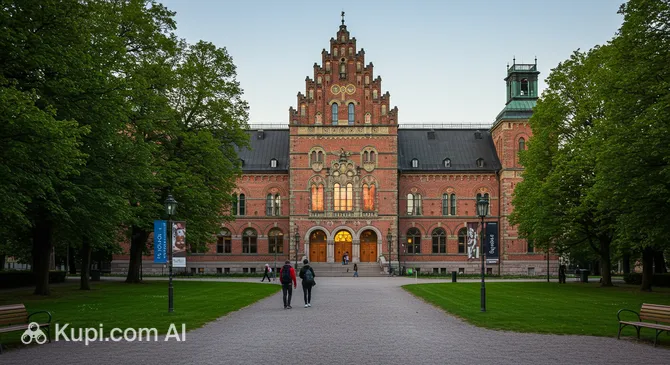
Nordic Museum. Illustration.
Source: Kupi.com AI

Traveler photos:

The museum building itself, designed in a grand Nordic Renaissance style, is an architectural landmark in its own right. Designed by the renowned Swedish architect Isak Gustaf Clason, it draws attention with its lavish decoration: numerous towers, ornate spires, complex gables, and a striking combination of brick walls and natural stone.

Inside, visitors will find a fascinating immersion into the history and everyday life of the Swedish people. The Nordic Museum's exhibitions cover a wide variety of topics, from traditional clothing, household items, and crafts to fashion, interior design, and folk celebrations. It is a truly unique opportunity to trace how life in Sweden has changed over the centuries and to better understand the culture of this Scandinavian country.

Contacts

To ensure your visit to the Nordic Museum is as comfortable and engaging as possible, we recommend checking the latest information in advance. The most up-to-date details on opening hours, ticket prices, and current exhibitions are typically available on the museum's official resources.

You can contact the museum or find more details in the following ways:

How to contactContact
AddressDjurgårdsvägen 6-16, 115 93 Stockholm, Sweden
Phone number+46 8 519 546 00
Websitewww.nordiskamuseet.se

What to Do

At the Nordic Museum, visitors embark on a fascinating journey through the history and culture of Sweden and other Nordic countries. A centerpiece of the main hall is the impressive statue of King Gustav Vasa, who played a key role in the formation of the Swedish state. Viewing this monumental sculpture is just the beginning of your introduction to the museum's rich collection, which covers diverse aspects of life: from traditional crafts and everyday living to fashion and festive customs.

The museum's exhibitions offer a deep dive into the daily life, beliefs, and art of Northern peoples over the centuries. You can see authentic household items, national costumes, furniture, toys, and much more, providing a vivid picture of how people lived in the past. This place will interest both history buffs seeking to learn more about Scandinavian heritage and art lovers who will be drawn to unique artifacts and design solutions from different eras.

In addition to the main exhibitions, it's worth noting the connection between the Nordic Museum and another landmark on Djurgården — the open-air museum Skansen. Artur Hazelius initiated the creation of both museums, and until 1963, Skansen was managed by the Nordic Museum administration. Today, many tourists combine a visit to these two cultural sites to get the most complete picture of Swedish history and traditions. It is a great opportunity to create a unified cultural itinerary and spend a full day exploring the rich heritage of Stockholm.

Getting There

The Nordic Museum is ideally situated on the picturesque island of Djurgården, which is one of the central and most visited tourist areas in Stockholm. Thanks to its location, getting to the museum is easy, and the journey itself can be a pleasant part of your introduction to the capital of Sweden.

The primary way to reach the Nordic Museum is by using Stockholm's extensive public transport system. Buses and trams run regularly to Djurgården. You will need to find a route heading towards Djurgården and get off at one of the stops closest to the museum. This is a convenient and cost-effective option that also allows you to enjoy the city views along the way.

Another scenic way to reach Djurgården is by water transport. Ferries operate across Stockholm's waters, with some stopping at Djurgården right by the Nordic Museum or within walking distance. Such a trip offers not just a way to reach the museum, but also a chance to admire the city from the water, which is especially pleasant in warm weather.

Of course, you can always use taxi services, especially if you value comfort and speed or are traveling with luggage. A taxi ride from central Stockholm or the nearest major transport hub to the Nordic Museum will take little time, depending on traffic conditions. It is recommended to check the route and approximate cost in advance.

Nearest city: Stockholm

History & Facts

The history of the Nordic Museum began in 1873, thanks to the initiative of the prominent cultural historian Artur Hazelius. Driven by the idea of preserving the unique cultural traditions of not only Sweden but the entire Nordic region, Hazelius (1833–1901) laid the foundation for this grand collection. His desire to save the rich heritage of the Northern peoples from oblivion became the driving force behind the creation of this landmark institution.

Construction of the majestic building that houses the museum today began in 1888 and lasted nearly two decades, concluding in 1907. The architect Isak Gustaf Clason was responsible for its impressive appearance. When designing the project, Clason drew inspiration from Scandinavian architectural forms from the era of the Swedish Vasa dynasty, seeking to embody the spirit of national heritage in stone.

The architectural design of the building largely followed the model of the famous Danish Frederiksborg Castle, reflected in its lavish and detailed style. Despite the picturesque and somewhat romantic nature of the building's overall composition, it is based on strict principles of classicism. During that period, the search for a national style in Nordic architecture was often expressed through the use of traditional cladding materials, and the Nordic Museum was no exception, showcasing this trend in its design.

Time Needed

When planning a visit to the Nordic Museum in Stockholm, you should allow for 2–4 hours for a full tour of its exhibitions. This time is usually enough to see the main displays dedicated to the history of Swedish culture, lifestyle, fashion, and traditions from the Middle Ages to the present day. The museum has an extensive collection, and even a superficial tour will take at least an hour and a half to two hours.

The exact amount of time you spend at the Nordic Museum will depend on your personal interest in the themes presented and the depth of your engagement with the exhibits. If you plan to study every exhibition in detail, read all the accompanying texts, and perhaps visit the temporary exhibitions often held here, feel free to set aside up to half a day. History, ethnography, and design enthusiasts will find many fascinating details here that can hold their attention for a long time.

For those with limited time, you can plan a route through the rooms of most interest. However, to truly appreciate the scale and diversity of the Nordic Museum's collection, it's best not to rush. Remember that the museum building itself is an architectural masterpiece, and viewing it can also take some time. On average, most visitors find it optimal to spend about 3 hours here.

Working Hours

The Nordic Museum is generally open to visitors year-round; however, opening hours may vary depending on the season, public holidays, or special events. The museum usually operates during daytime hours, but for the most accurate and up-to-date information on the hours for your specific visit date, it is highly recommended to check the official Nordic Museum website. Information on potential schedule changes and ticket prices can also be found there.

While pre-booking tickets for the Nordic Museum is not always mandatory, it can be a good idea, especially during the peak tourist season or if you plan to visit popular temporary exhibitions. Buying tickets online in advance can help avoid queues and guarantee entry at a time convenient for you. It is also best to check the official website or Stockholm's tourist information centers for information on the availability and necessity of advance booking.

DayOpening hours
Monday10:00 – 17:00
Tuesday10:00 – 17:00
Wednesday10:00 – 20:00
Thursday10:00 – 17:00
Friday10:00 – 17:00
Saturday10:00 – 17:00
Sunday10:00 – 17:00

Nearby

Visiting the Nordic Museum is a wonderful opportunity to immerse yourself in the culture and history of Sweden. However, the island of Djurgården, where it is located, is a treasure trove of interesting places in its own right. Exploring the surroundings will significantly enrich your experience and make your day even more fulfilling.

Many nearby attractions are within walking distance, making them the perfect addition to your visit to the Nordic Museum. You can easily create a combined itinerary and discover even more facets of multifaceted Stockholm.

NameDistance
Vasa Museum0.2 km
The Viking Museum0.3 km
Junibacken0.3 km
ABBA The Museum0.5 km
Gröna Lund0.6 km
Moderna Museet0.6 km
Skansen0.7 km

Have you reached the end of the page?

So the route has been studied inside and out