Support

Bündner Naturmuseum

About

You can immerse yourself in the world of Alpine wildlife at the Graubünden Museum of Natural History (Bündner Naturmuseum) — one of the most fascinating spots in the city of Chur. This modern educational center is entirely dedicated to the rich flora and fauna of the Graubünden region, revealing the secrets of high-mountain geology and ecology to its guests. Here, the nature of Switzerland is presented in all its diversity: from tiny insects to the majestic inhabitants of rocky peaks.
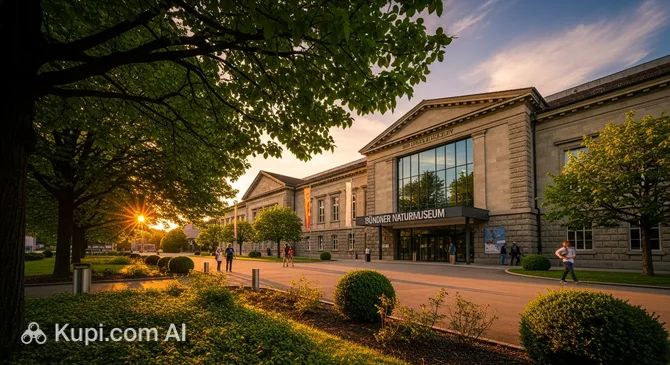
Graubünden Natural History Museum
Graubünden Natural History Museum. Иллюстрация. Источник: Kupi.com AI

The museum is famous for its detailed exhibitions, where you can see realistic animal taxidermy, impressive mineral collections, and rare fossils. This is not just an exhibition of objects, but an entire journey through ecosystems that teaches respect for the environment. Its high rating and positive reviews make it a must-visit for families with children and all lovers of natural sciences.

Located in the heart of the country's oldest city, the museum combines classical exhibition traditions with interactive elements. The building at Masanserstrasse 31 is easy to recognize and serves as an excellent starting point for getting to know the canton's natural heritage before you head out to explore the real mountains.

Contacts

For those planning a visit and wanting to clarify exhibition details or book a tour, it is helpful to have up-to-date contact information. The Graubünden Museum of Natural History is always open to communication with tourists and nature enthusiasts. Below are the key details to help you find your way and contact the administration.

How to contactContact
AddressMasanserstrasse 31, 7000 Chur, Швейцария
Phone+41 81 257 28 41
Websitewww.naturmuseum.gr.ch

What to Do

In the halls of the Bündner Naturmuseum, an exciting journey through six thematic zones awaits visitors. Here, you can see detailed dioramas representing the natural habitats of Alpine animals, from noble red deer to marmots. Of particular interest are the collections of minerals and crystals found in the depths of local mountains, which literally glow under focused spotlights.

For those who prefer active learning, the museum provides interactive panels and multimedia materials that tell the story of climate change and biodiversity. Children and adults can participate in exploring exhibits dedicated to the region's birds or examine ancient fossils that are millions of years old. This place is ideal for a peaceful and educational break in Chur.

In addition to the permanent exhibitions, the museum frequently hosts temporary displays dedicated to seasonal phenomena in Alpine nature or specific animal species. After viewing the main collection, it is worth stopping by the ecology section, which clearly demonstrates how humans interact with the environment and what is being done to preserve the protected areas of the Graubünden canton.

Getting There

Getting to the museum is easy, as it is located at Masanserstrasse 31, right in the heart of Chur. If you are traveling through a country like Switzerland by train, the walk from the Chur main railway station will take only about 10–15 minutes. Alternatively, you can take local buses No. 1 or No. 3, which stop in the immediate vicinity of the building.

For those arriving from international airports, such as Zurich, the most convenient option is to take a comfortable train. The journey to Chur takes between an hour and a half and two hours, offering scenic views of the Alpine foothills along the way. If you prefer to travel by car, follow the A13 motorway; however, keep in mind that the city center is quite compact and more pleasant to explore on foot.

Ближайший город: Chur

History & Facts

The Graubünden Museum of Natural History has a long and venerable history, having begun its work as far back as the 1870s. At that time, it was established as an important center for the preservation and study of the unique natural heritage of the country's largest canton. The first collections were gathered by enthusiast naturalists and archaeologists who sought to document the geological structure and fauna of the Alps.

Throughout the 20th century, the museum developed actively, moving from simple collecting to scientific education. Its halls were gradually filled with rare minerals, fossils, and flora samples, turning the museum into one of the region's most significant educational platforms. The museum building is harmoniously integrated into the city's architectural landscape, emphasizing the link between eras and the continuity of generations in the study of nature.

Interestingly, many exhibits appeared here thanks to private donations from local scientists who dedicated their lives to studying high-altitude ecosystems. Today, the museum does not just preserve memories of the past but also actively participates in modern ecological research, helping visitors realize the fragility and beauty of Alpine nature in a changing climate.

Time Needed

To fully enjoy all six thematic halls and carefully study the collections, an average visitor will need about 1.5–2 hours. This time is quite sufficient to not only view the main exhibits but also pay attention to the interactive panels and temporary exhibitions that often rotate.

If you visit the museum with children, the duration of your visit may increase slightly, as young explorers often spend a long time at the realistic dioramas and mineral collections. In any case, a visit to the museum will be a great addition to your half-day cultural program, leaving time for a leisurely lunch in the Old Town.

Working Hours

The museum welcomes visitors on a steady schedule: doors are open from Tuesday to Sunday from 10:00 to 17:00. Please note that Monday is a day off, so it is worth planning your city itinerary in advance.

As opening hours may change on public holidays, we strongly recommend checking the museum's official website before your visit for up-to-date information. This will help avoid any unpleasant surprises and make your trip as comfortable as possible.

DayWorking hours
понедельникЗакрыто
вторник10:00–17:00
среда10:00–17:00
четверг10:00–17:00
пятница10:00–17:00
суббота10:00–17:00
воскресенье10:00–17:00

Nearby

A visit to the museum can easily be combined with a stroll through the historical center, as the city of Chur is famous for its ancient streets and architectural monuments. Exploring the surroundings after seeing the exhibits will allow you to feel the atmosphere of Switzerland's oldest city more deeply and see its main symbols.

NameDistance
Quaderwiese0.1 km
Graubünden Art Museum0.4 km
Bernina Express0.4 km
Restaurant Capricorn0.5 km
Werkstatt Chur0.7 km
Va Bene0.9 km
Fabrik1 km

Reached the end of the page?

That means the route is fully explored