Support

Ang Kaew Reservoir

About

Ang Kaew Reservoir is a charming oasis of tranquility located in the city of Chiang Mai, which is often called the cultural capital of northern Thailand. This picturesque man-made lake, surrounded by lush greenery, serves as a popular spot for relaxation and solitude for both locals and tourists wishing to take a break from the city's pace.
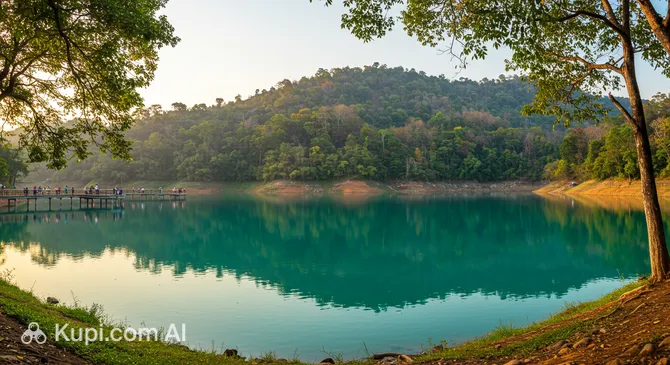
Ang Kaew Reservoir. Illustration.
Source: Kupi.com AI

Traveler photos:

The main appeal of Ang Kaew Reservoir lies in its peaceful atmosphere. It is an ideal place for leisurely walks along shaded paths, enjoying views of the calm water, or simply quiet contemplation of nature. The site is frequently chosen for morning jogs, yoga sessions, or just reading a book in harmony with the surroundings. It is common for such reservoirs in Thailand to be located near educational institutions, becoming a favorite leisure spot for students and faculty.

A visit to Ang Kaew Reservoir offers a great opportunity to enjoy the beauty of nature without leaving Chiang Mai. It is an excellent place to take a break from a busy sightseeing schedule, have a small picnic, or take beautiful photos to remember your trip. If you are looking for a corner of peace and serenity, this place certainly deserves your attention.

Contacts

Since Ang Kaew Reservoir is primarily a natural site and a popular spot for walks, there is usually no specific contact information provided. The reservoir is located on the Chiang Mai University campus, so it is easy to reach by local public transport, taxi, or a rented scooter by following the signs to the university.

For the latest information regarding access hours or special events, it is recommended to check official Chiang Mai tourism portals or information boards located directly on the university grounds.

How to contactContact
AddressRX42+99C, Soi Sukhothai 5, Tambon Su Thep, Amphoe Mueang Chiang Mai, Chang Wat Chiang Mai 50200, Thailand

What to Do

The primary activity at Ang Kaew Reservoir is enjoying nature and the calm atmosphere. Visitors come here to walk along the scenic paths, have a picnic on the grass, read a book in the shade of the trees, or simply meditate while looking at the water. It is a popular spot for morning and evening jogs, as well as outdoor yoga. Photographers will also find many inspiring views here, especially at sunrise or sunset, when the sunlight plays beautifully on the water and the surrounding greenery.

While the reservoir itself does not offer organized entertainment or attractions, its location in Chiang Mai—a city recognized as one of the best in Asia for travel—opens up many possibilities. Chiang Mai is famous for its numerous Buddhist temples (wats)—there are about 300 of them here. Many of these ancient and beautiful structures are relatively close to the reservoir or easily accessible from this part of the city, allowing you to combine nature relaxation with a cultural program.

Thus, a visit to Ang Kaew Reservoir can be seen as a pleasant respite in a busy Chiang Mai sightseeing schedule. You can start the day with a peaceful walk by the water and then head out to explore nearby temples, local markets, or the craft workshops for which this region of Thailand is so famous. This location allows you to experience the slower, more measured rhythm of life characteristic of the northern part of the country.

Getting There

Getting to the Ang Kaew Reservoir is quite easy as it is located within the city of Chiang Mai, on the grounds of the local university. The most common way for tourists and locals to get around Chiang Mai is by songthaew. These are covered pickup trucks converted into shared taxis that run throughout the city. To get to the reservoir, you will most likely need a red songthaew, as they typically serve the central areas and routes passing near Chiang Mai University.

To use a songthaew, simply flag one down on the street and check with the driver if they are heading toward Chiang Mai University (locals often call it "Mo Cho"). While there are songthaews of other colors (yellow, blue, green, white) serving the northern, southern, northeastern, and eastern districts respectively, the red ones are the most versatile for traveling around the central part of the city and to popular sites like the university campus where the Ang Kaew Reservoir is located.

A more comfortable and faster way to reach the Ang Kaew Reservoir is by motorized rickshaw (tuk-tuk) or taxi. In Chiang Mai, the Grab ride-hailing service is widely used, allowing you to see the fare in advance and conveniently book a car. Just set your destination as "Ang Kaew Reservoir" or "Chiang Mai University." This is particularly convenient if you are traveling in a small group or with bags.

If you are arriving in Chiang Mai from other regions of Thailand, the city is well-connected by transport hubs. The railway station receives several passenger trains daily, including those from Bangkok. Additionally, Chiang Mai International Airport (CNX) is located within the city limits, serving both domestic and international flights. From the airport or the railway station, you can easily reach the university campus where the reservoir is located by taxi or songthaew.

Nearest city: Chiang Mai

History & Facts

Although Ang Kaew Reservoir is known today primarily as a scenic spot for relaxation on the Chiang Mai University campus, detailed historical data about its creation or the ancient history of this specific site is difficult to find. It is most likely a relatively modern construction built for the university's needs and as a recreational area. However, being in Chiang Mai, the reservoir naturally becomes part of the rich historical heritage of this ancient city.

Chiang Mai, the city where the reservoir is located, was founded in the 13th century and has a long and eventful history. It served as the capital of the independent Lanna Kingdom and was a vital cultural and commercial hub. In 1556, Chiang Mai was captured by the Burmese, and the city remained periodically under their rule until 1774. This period was marked by numerous conflicts and struggles for independence.

A key moment in the history of Chiang Mai was 1774, when King Taksin the Great reclaimed the city from the Burmese, after which Chiang Mai became part of Siam, later known as Thailand. This event marked a new era for the city, allowing it to preserve its unique Lanna culture while integrating into the larger Thai kingdom. Interestingly, the dramatic history of the opposition between Siam and Chiang Mai is even reflected in literature, such as the Thai epic poem "Yuan Phai," dating back to 1475.

Thus, while the Ang Kaew Reservoir itself may not have ancient roots, it is situated in the heart of a region with centuries of history. Walking along its shores, one can feel the spirit of old Chiang Mai—a city that witnessed the rise of kingdoms, dramatic battles, and cultural revival, which adds a special charm to this quiet natural corner.

Time Needed

To fully enjoy the tranquil atmosphere of Ang Kaew Reservoir and take a leisurely stroll through its scenic surroundings, most visitors will need about 1-2 hours. This is usually enough time to walk around the lake, admire the views, take some memorable photos, and simply take a break from the hustle and bustle of Chiang Mai.

If you plan to do more than just look around—for example, have a small picnic on the grass, read a book in the shade of the trees, go for a morning run, or do some outdoor yoga—your visit could last up to 3-4 hours or even half a day. The reservoir invites solitude and meditative relaxation, so many find peace here for a longer period, especially if they want to enjoy the silence at sunrise or sunset.

Overall, the length of your stay at Ang Kaew Reservoir will depend on your personal plans and preferences. An hour is enough for a quick introduction to this charming natural corner, but to truly relax and soak in its serene atmosphere, it is worth allocating a bit more time in your Chiang Mai itinerary.

Working Hours

Ang Kaew Reservoir, being located on the Chiang Mai University campus, is generally accessible for visiting during daylight hours. Exact operating hours may not be strictly regulated, as it is a public space popular for walking and relaxation. Typically, such places are open year-round, allowing visitors to enjoy nature in any season.

Special ticket bookings or advance reservations are not usually required to visit Ang Kaew Reservoir, as it is an open recreational area. However, if any special events are planned on the university grounds or at the reservoir, access conditions may temporarily change. For the most up-to-date information on access hours or potential restrictions, it is recommended to check the official Chiang Mai University website or local tourist information centers just before your visit.

5:00 – 22:00

Nearby

Visiting Ang Kaew Reservoir is a wonderful opportunity to enjoy the peace and beauty of nature in Chiang Mai. However, to make your journey even more fulfilling and memorable, we recommend exploring other interesting places nearby. Getting to know the surroundings will allow you to experience the unique atmosphere of this city more deeply and discover its hidden gems.

Chiang Mai, the cultural capital of northern Thailand, abounds with attractions for every taste. Not far from the peaceful shores of Ang Kaew Reservoir, you will find both ancient temples holding centuries-old secrets and vibrant modern spaces. Each of these locations will complement your impressions of multifaceted Chiang Mai in its own way.

NameDistance
Roi Dvarapala Ban Devalaya1.4 km
One Nimman1.9 km
Baan Kang Wat3.3 km
Doi Suthep–Pui National Park3.7 km
Early Owls House4 km
Wat Chedi Luang4.3 km
BlackLight CNX4.5 km

Have you reached the end of the page?

So the route has been studied inside and out