Support

Municipal Theatre

About

This architectural masterpiece, known as the Théâtre Municipal de Tunis (Tunis Municipal Theatre), is one of the most elegant gems of the capital. Located in the heart of Tunis, it is a magnificent example of Art Nouveau. The building was designed by French architect Jean-Émile Resplandy and first opened its doors to the public in 1902.
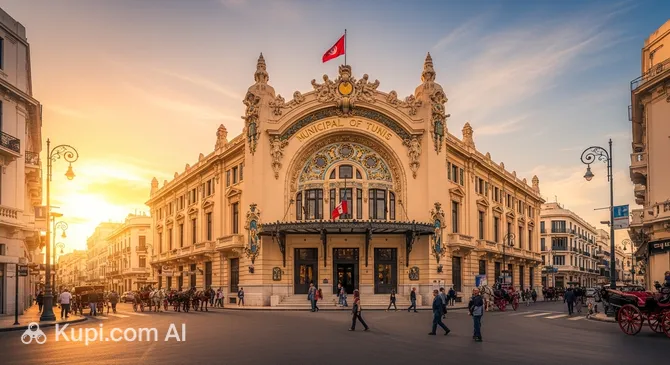
Municipal Theatre of Tunis
Municipal Theatre of Tunis. Иллюстрация. Источник: Kupi.com AI

The theatre is rightfully considered an important historical site in Tunisia. Its facade is decorated with an elaborate bas-relief depicting Apollo surrounded by the muses of poetry and drama. Due to its characteristic shape and refined decor, locals affectionately nicknamed the building the "bonbonnière", comparing it to an exquisite box of chocolates.

Today, it is not just a monument of the colonial era, but an active center of cultural life where significant productions and concerts are held. The combination of historical charm and the vibrant energy of art makes it a must-see on the itinerary of any traveler interested in architecture and history.

Contacts

To check the current event program or purchase tickets, you can use the following contact details:

How to contactContact
Address2 Rue de Greece, Tunis, Тунис
Phone+216 71 259 499
Websiteteskerti.tn

What to Do

A visit to the theatre offers guests a diverse cultural experience. First, take some time for an architectural tour: examine the Art Nouveau details of the facade and admire the sculptural compositions dedicated to ancient muses. The interior decoration of the halls, with its rich decor, transports visitors back to the atmosphere of the early 20th century.

For art lovers, the main highlight will be attending a performance. The walls of the "bonbonnière" regularly host opera and ballet productions, classical music concerts, and performances by modern theatre troupes. This is an excellent opportunity to see some of the best examples of European and national performing arts on the city's main stage.

In addition, a walk to the theatre can be conveniently combined with sightseeing on Avenue Habib Bourguiba, such as the nearby Cathedral of St. Vincent de Paul. Photography enthusiasts will find many great angles here, especially under the evening lighting, which emphasizes the elegance of the historic building.

Getting There

This magnificent architectural monument occupies a prime location in the heart of the capital, on the famous Avenue Habib Bourguiba. The exact address is 2 Rue de Grèce. Thanks to its proximity to the Bab el Bhar gate, the theatre is very easy to reach on foot if you are strolling through the historical part of the city—the Medina.

If you plan to use public transport, look for stops along Avenue Habib Bourguiba. City buses and the Tunis light metro line run regularly here. A taxi ride from Tunis-Carthage International Airport is approximately 10 kilometers and takes 20 to 30 minutes, depending on traffic density.

It is worth noting that parking spaces are very limited in the central district, so tourists are recommended to prefer taxis or walking. During daylight hours, the area is completely safe and perfect for a leisurely exploration of the city's beauty.

Ближайший город: Tunis

History & Facts

The project for this grand building was developed by the talented French architect Jean-Émile Resplandy. The grand opening took place on November 20, 1902, and was a major social event. The first production on the new stage was Jules Massenet's opera "Manon", which set a high cultural bar for all future performances.

The building was erected during the French protectorate period and was intended as a symbol of cultural prosperity. In terms of technical equipment and the luxury of its interiors, it was in no way inferior to the leading European theatres of that time. The Art Nouveau architecture, with its characteristic flowing lines, became a true decoration of the colonial center.

From the moment it opened, the theatre became the main point of attraction for the local intelligentsia and visiting artists. Even after more than a century, it maintains its status as the country's leading stage, carefully preserving the traditions of classical theatrical art while simultaneously opening up to new modern trends.

Time Needed

For a quick look at the building's architecture and a photo against its exquisite facade, 30–45 minutes will be quite enough. This is sufficient time to examine the details of the bas-reliefs and enjoy the atmosphere of the central avenue.

If your goal is to immerse yourself in the city's cultural life and attend a theatrical performance, opera, or concert, plan for at least 2.5–3 hours in your schedule. Also, remember to add travel time, especially if you plan to get to the center during rush hour.

Working Hours

The theatre's opening hours depend directly on the schedule of events and rehearsals. As it is an active performance venue, there may not be a single fixed schedule for visiting the internal halls for tours.

To get inside or purchase tickets, we recommend checking the schedule on the official website in advance or inquiring directly at the theatre box office before your planned visit.

Nearby

Its location in the heart of the capital makes visiting the theatre an excellent starting point for exploring other iconic landmarks. A walk through the adjacent streets will allow you to see the contrast between colonial architecture and the ancient walls of the Medina, enriching your understanding of the region's multifaceted culture.

Within walking distance or a short distance away are various cultural and entertainment sites that may be of interest to both adults and children.

NameDistance
Central Market of Tunis0.4 km
Tunis Clock Tower0.5 km
Bab el Bhar0.5 km
Zitouna Mosque0.9 km
Dar El Jeld1 km
Kasbah Square1.3 km
City of Culture1.4 km

Reached the end of the page?

That means the route is fully explored