Support

Konya Archaeological Museum

About

The Konya Archaeological Museum is more than just a repository of antiquities; it is a true portal to the centuries-old history of the region, located in the heart of the city in Turkey. The museum building itself is an outstanding architectural monument built in the mid-13th century. It is decorated with intricate carved columns, and its ornate facade catches the eye, while the interior features a domed courtyard and terraces, creating a special atmosphere for exploring the collection.
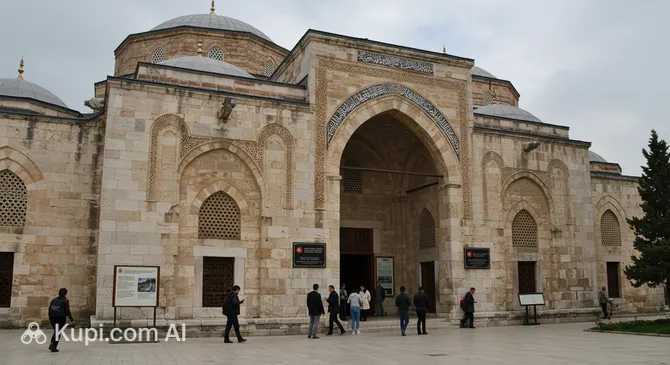
Konya Archaeological Museum. Illustration.
Source: Kupi.com AI

Traveler photos:

Inside the museum, a rich collection of archaeological finds awaits visitors, reflecting the vibrant history of this land. The exhibition spans a vast period: it features artifacts starting from the Neolithic period, documenting the earliest settlements. Of particular interest are items from the eras of the rise and fall of great ancient states such as the Roman and Macedonian empires, Assyria, Byzantium, and the Ottoman Empire.

Of particular value and the pride of the collection are the intricately carved wood and stone products of the Ottoman period. Many of these unique artifacts were discovered during archaeological excavations of the Seljuk palace, adding to their historical significance. Visiting the Konya Archaeological Museum will be a fascinating journey into the past for anyone interested in ancient civilizations and the rich cultural heritage of Turkey.

Contacts

For up-to-date information on opening hours, ticket prices, and available tours at the Konya Archaeological Museum, it is recommended to visit the official museum website or contact local tourist information centers. You can also find useful information on travel portals dedicated to Konya.

How to contactContact
AddressSahibiata, Sahibiata Cd. No:91, 42200 Meram/Konya, Türkiye
Phone number+90 332 351 32 07

What to Do

The Konya Archaeological Museum invites visitors on a fascinating journey through the ancient history of the region. Several halls house a rich collection of artifacts spanning thousands of years—from the Bronze Age to the Roman period. Each exhibit tells its own unique story, offering a deeper understanding of the cultures that once flourished on this land.

In the first hall, your attention will be drawn to finds from the Middle Bronze Age (1950–1750 BC). Among the exhibits, you will see various clay vessels, elegant candlesticks, original animal-shaped vessels, and cylinder seals found during excavations at the Karahöyük mound. Moving to the second hall, you will immerse yourself in the atmosphere of the Iron Age (8th–7th centuries BC). Here you'll find vessel fragments from the Alaaddin Tepesi mound, painted Phrygian ceramics, expressive bronze figurines from the Urartu era, and tablets with ancient drawings, each a testament to a bygone era.

The third hall takes visitors back to the time of the Roman Empire (30 BC – 395 AD). The central exhibits here are an impressive statue of Hercules, dating from 250–260 AD, and a majestic statue of Poseidon. In addition, the hall displays marble column fragments, ancient sarcophagi, and many everyday items: clay sarcophagi, candlesticks, incense boxes, delicate "tear bottles" and perfume bottles, jewelry, and even manicure tools. These items provide a unique opportunity to peek into the daily lives of people who lived centuries ago.

Getting There

The Konya Archaeological Museum is conveniently located in the heart of Konya, making it easily accessible for visitors. The museum's exact address is Sahibi Ata Cd. No. 91. Thanks to its central location near famous landmarks like Alaaddin Park, the museum is an attractive spot on the city's tourist map.

There are several ways to reach the Archaeological Museum. If you are in central Konya—for example, visiting the Mevlana Museum or strolling through Alaaddin Park—the museum is an easy walk away. This is a great opportunity to combine several attractions and enjoy the city's atmosphere.

For those who prefer public transport, Konya has a well-developed bus network. Many routes likely pass near the central districts where the museum is located. Taxis are also available to take you quickly to the museum entrance from anywhere in the city. A taxi ride from most hotels or key locations in the center won't take much time.

Nearest city: Konya

History & Facts

The Konya Archaeological Museum has a rich history that began in 1901 when the first exhibitions were housed in the Karma Secondary School building. Later, in 1927, the collection moved to the Mevlana Museum, and in 1953, the museum found its current home, where it continues to introduce visitors to unique artifacts of the past.

The city of Konya, where the museum is located, is considered one of the oldest cradles of civilization, with the first settlements dating back to the 8th century BC. This deep history is reflected in the museum's exhibitions. Here, you can trace the development of the region through various eras: from the time of the Assyrian colony (20th–18th centuries BC) and the Phrygian period to Classical Antiquity (33rd–30th centuries BC) and Roman rule. Each hall tells its own story, allowing visitors to touch the heritage of long-gone civilizations.

Notable exhibits include unique figurines from the Assyrian colony era, providing insight into the beliefs and daily life of that time. The majestic Roman sarcophagi from Sidamara, dating to approximately the 3rd century AD, are particularly impressive for their masterful carving and monumentality. Archaeological finds from the Karahöyük mound in Konya and the Alaaddin Tepesi mound are also of significant interest, shedding light on the lives and culture of the ancient peoples who inhabited this land.

Time Needed

When planning a visit to the Konya Archaeological Museum, you should allow about 1-2 hours for your tour. This is usually enough time to see the main exhibition, take your time looking at the most interesting artifacts, and get a general overview of the region's rich history.

The duration of your visit can vary, of course. If you have a deep interest in archaeology and the history of ancient Anatolian civilizations, you might need more time—up to 3 hours—to carefully study all the exhibits, read the information boards, and dive into the details. The museum houses finds from various eras, from the Neolithic to the Byzantine period, so history buffs certainly won't be bored.

For a quick look at the key exhibits and a general impression, one hour might be enough. However, to truly appreciate the significance of the collections and understand the historical context of Konya, it is better to set aside at least one and a half to two hours for your visit.

Working Hours

Exact information regarding the opening hours of the Konya Archaeological Museum in Konya can vary, so it is highly recommended to check the current schedule on the official museum website or through local tourist information channels before visiting. This will help you avoid inconveniences related to potential schedule changes or special events.

Generally, many museums in Turkey are open to visitors year-round, except for certain public holidays. For popular attractions like the Archaeological Museum, it can sometimes be useful to inquire about the need for advance ticket booking, especially during peak tourist season, to guarantee entry and avoid long queues. Checking this information in advance will make your visit more comfortable.

DayOpening hours
MondayClosed
Tuesday9:00 – 16:30
Wednesday9:00 – 16:30
Thursday9:00 – 16:30
Friday9:00 – 16:30
Saturday9:00 – 16:30
Sunday9:00 – 16:30

Nearby

Visiting the Konya Archaeological Museum is undoubtedly a highlight, but you shouldn't stop there. Exploring the museum's surroundings will allow you to dive deeper into the atmosphere of Konya and discover other treasures of this amazing city. Often, it's the short walks nearby that offer the most unexpected and pleasant experiences, completing the overall picture of your trip.

Several interesting places are located near the Konya Archaeological Museum that deserve your attention. They are within walking distance, making them very convenient to visit and allowing you to make the most of your time in the city.

NameDistance
Doğanay Hotel0.3 km
Alaeddin Hill Park0.5 km
Zafer Square0.5 km
Kapu Mosque0.6 km
Shams Tabrizi Mosque and Tomb0.7 km
Aziziye Mosque0.7 km
Karatay Madrasa0.8 km

Have you reached the end of the page?

So the route has been studied inside and out