Support

Richmond

About

Richmond is a true oasis of tranquility and beauty, located in southwest London, in the United Kingdom, on the picturesque banks of the River Thames. This charming town seems designed for leisurely strolls, harmoniously blending elegant historic mansions, well-kept parks, and cozy streets tucked away in lush greenery. Thanks to its proximity to the river and vast natural areas, Richmond maintains a peaceful countryside atmosphere despite being part of the capital's metropolitan area.
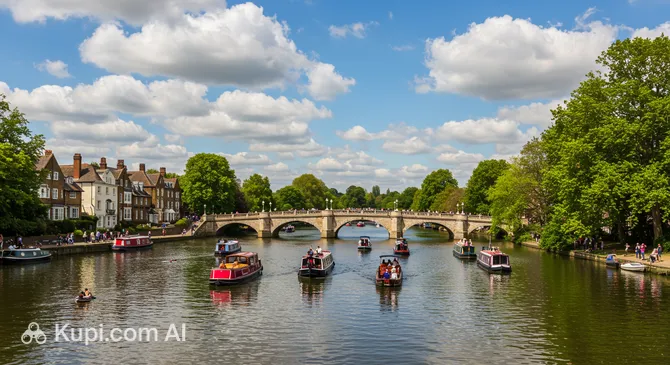
Richmond. Illustration.
Source: Kupi.com AI

With a population of around 21,500, Richmond is considered one of London's most prestigious and comfortable neighborhoods. It lacks the typical hustle and bustle of a metropolis, offering instead many cozy cafes, independent galleries, boutiques, and local markets. The town is part of the London Borough of Richmond upon Thames, which is renowned for its safety and high quality of life.

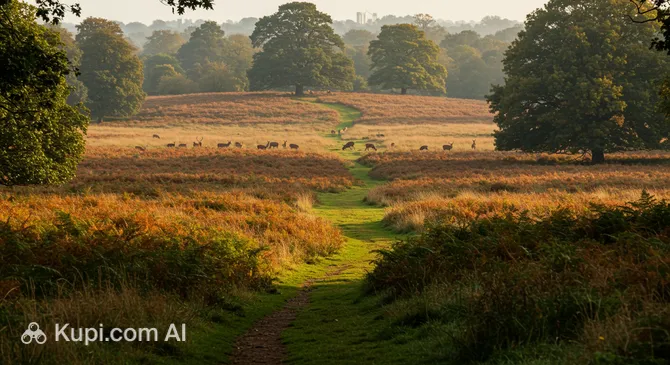
Richmond attracts visitors not only with its scenic nature but also with its rich cultural heritage. The town exudes a special atmosphere of aristocratic calm that was once highly valued by English monarchs; as early as the 16th century, this area was a favorite retreat for the royal family. Today, people come here to enjoy the beauty of the famous Richmond Park, where you can see free-roaming deer, take a calming walk along the Thames embankment, and discover the little-known but charming corners of old England.

To visit Richmond is to see a different side of London: one that is more measured, elegant, and green. It is an ideal destination for those who appreciate the harmony of nature and architecture, love active outdoor recreation, and want to escape busy tourist routes without traveling far from the city center.

You can find more interesting facts on the history of Richmond page.
Weather Overview

Richmond has a temperate maritime climate. Expect warm summers, with average daytime temperatures ranging from 16°C in June to around 18°C in July and August (with highs reaching 20-22°C), and mild, damp winters with average temperatures around 5-6°C (lows can drop to 2-4°C in January). Rainfall occurs regularly throughout the year but is usually not heavy (averaging about 2 mm per month, except for October with 3 mm), with the number of rainy days ranging from 9 (in June) to 16 (in March). For the most up-to-date and detailed information, please visit the weather in Richmond page.

Average monthly temperature

Average monthly precipitation

Interesting Facts

In addition to its scenic views and royal history, Richmond hides many surprising details and stories that make it a truly unique place. Get ready to learn some curious facts about this charming corner of the UK.

Richmond Park. Illustration.
Source: Kupi.com AI

Traveler photos:

  • Richmond is home to Richmond Park—the largest of London's Royal Parks and the largest enclosed urban park in England. Its area exceeds 900 hectares, which is almost three times larger than Central Park in New York. The park is famous for its herds of wild deer, numbering about 600, which have roamed freely across its territory for centuries.

  • Located within Richmond Park is the famous King Henry's Mound. Legend has it that from this point, King Henry VIII awaited the signal confirming the execution of his second wife, Anne Boleyn. Today, the mound offers a legally protected panoramic view of St. Paul's Cathedral, located 16 kilometers away.

  • Richmond has attracted creative minds for centuries. Famous figures such as the writer Virginia Woolf, composer Edward Elgar, and painter J.M.W. Turner, who captured local landscapes in many of his canvases, lived and worked here.

  • The town boasts one of the oldest operating theaters in the London area—the Richmond Theatre. Built in 1899 and designed by the famous theater architect Frank Matcham, it remains an important cultural hub, hosting West End productions and touring companies.

How to Get There

Getting to Richmond is easy thanks to several convenient options, primarily due to its proximity to London's main transport hubs. Most tourists arrive via one of the capital's international airports.

The closest and largest is Heathrow Airport (IATA: LHR), one of the world's busiest airports. It is located only about 10.7 km from Richmond, making a taxi ride quick—about 30-45 minutes depending on traffic. You can also reach Richmond from Heathrow via public transport, including buses and trains with transfers (for example, the Heathrow Express to Paddington Station, followed by local services).

Another major international airport is London Gatwick (IATA: LGW), situated about 35.1 km south of Richmond. A taxi journey from Gatwick takes about 1 to 1.5 hours. A more economical option is the Gatwick Express train to Victoria Station in London, where you can easily transfer to a train or the Tube to Richmond.

London City Airport (IATA: LCY) is located approximately 25.4 km east of Richmond. This airport is smaller but convenient for European and business flights. A taxi ride from here to Richmond can take about 50-70 minutes.

For your convenience, here is a summary of the main airports serving Richmond:

AirportPassenger trafficDistance
Heathrow Airport83.9 mln11 km
London City Airport3.6 mln25 km
London Gatwick Airport43.2 mln35 km
London Luton Airport16.7 mln46 km
Stansted Airport29.8 mln60 km

Richmond has excellent rail connections. Richmond Station, located in the town center, serves both National Rail and the London Underground's District Line. For travel from other parts of the UK or international rail journeys (such as the Eurostar), you will likely arrive at one of London's major central stations, from which Richmond is easily accessible.

For example, Victoria (railway station) (IATA: ZEP), located in London about 11.7 km from Richmond, is one of the busiest transport hubs. South Western Railway trains depart regularly from here to Richmond, with a travel time of about 25-35 minutes. Another important station is Paddington (IATA: QQP), located in London approximately 10.8 km from Richmond. Although there are fewer direct trains to Richmond from Paddington, you can easily get there by using the Tube and transferring to a train.

Main London railway stations convenient for getting to Richmond:

StationPassenger trafficDistance
Paddington Station66.9 mln11 km
London Victoria Station50.8 mln12 km
Euston Station36.2 mln14 km
Waterloo Station62.5 mln14 km
St Pancras International36 mln15 km

In addition to air and rail transport, Richmond is also easy to reach by car, thanks to good road links with central London and the surrounding areas. The town and its outskirts also feature a well-developed network of local bus routes.

Main Attractions

Richmond is not only a charming corner of London but also a place rich in iconic landmarks that attract both locals and tourists. Here, everyone will find something for themselves, from vast royal parks to historic buildings and unique nature reserves.

One of the main gems is Richmond Park. This is the largest of London's Royal Parks and a true oasis of wildlife. You can spend hours walking along picturesque trails, watching the free-roaming deer, and enjoying panoramic views. The park is perfect for picnics, cycling, and simply reconnecting with nature.

Richmond Park. Illustration.
Source: Kupi.com AI

Traveler photos:

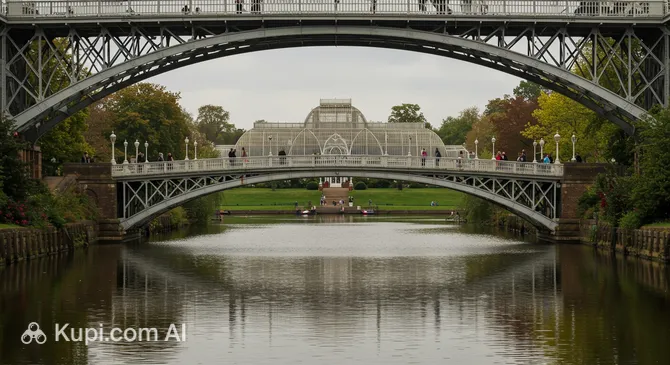
Nearby, crossing the Thames, stands Kew Bridge. This elegant bridge is not only an important transport link but also a beautiful spot for photography, offering views of the river and the surrounding area, including the famous Royal Botanic Gardens, Kew. A walk across the bridge is especially pleasant at sunset.

Kew Bridge. Illustration.
Source: Kupi.com AI

Traveler photos:

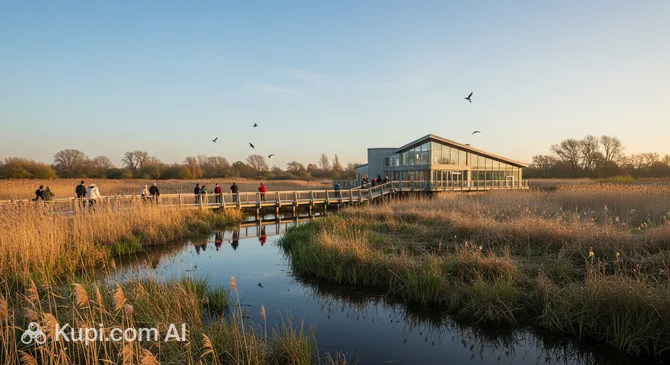
For birdwatchers and nature enthusiasts, the London Wetland Centre is a must-visit. This unique reserve, created on the site of former reservoirs, is home to many species of birds and other animals. You can walk along specially equipped paths, visit observation towers, and learn more about the importance of preserving wetland ecosystems.

London Wetland Centre. Illustration.
Source: Kupi.com AI

Traveler photos:

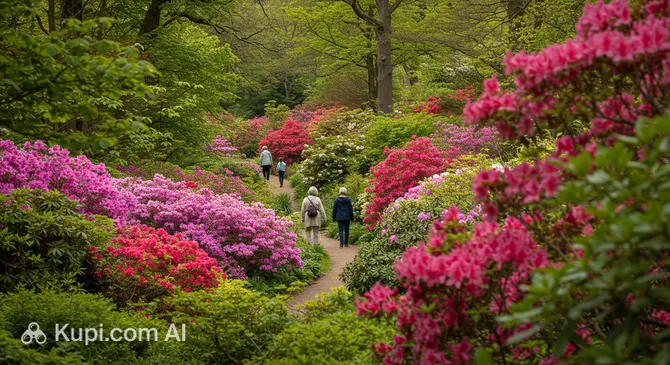
Hidden within Richmond Park itself is another treasure—the Isabella Plantation. This magnificent woodland garden is especially beautiful in spring when the azaleas and rhododendrons bloom, creating an incredible riot of color. It is an ideal place for a quiet walk and enjoying the beauty of nature.

Isabella Plantation. Illustration.
Source: Kupi.com AI

Traveler photos:

Also worth noting is Chiswick House and Gardens. This magnificent 18th-century Palladian villa and its surrounding gardens are a fine example of English landscape design. Visitors can explore the historic interiors of the house and stroll through the well-maintained alleys, enjoying the peace and beauty of the estate.

Local Cuisine

The gastronomic scene in Richmond is a true delight for foodies, offering a wonderful blend of traditional British cuisine and modern culinary treats. The town prides itself on its cozy pubs, elegant restaurants, and lively markets where everyone can find something to their liking. The emphasis is on fresh, often local ingredients, making every dish particularly appetizing.

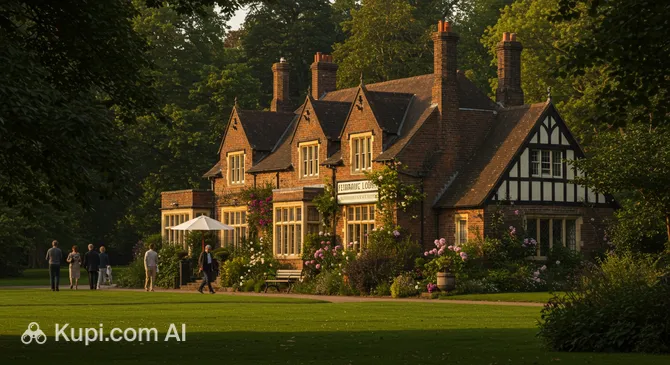
Among the must-try dishes in Richmond is the classic Sunday Roast—roasted meat served with potatoes, vegetables, and Yorkshire pudding. Equally popular are traditional English pies, such as beef and ale, prepared according to old recipes. Due to the proximity of the Thames, many menus feature fresh fish and seafood, ranging from classic fish & chips to exquisite oysters and smoked salmon. Many restaurants, such as Pembroke Lodge, offer the chance to enjoy these delicacies in a pleasant setting.

Pembroke Lodge. Illustration.
Source: Kupi.com AI

Traveler photos:

As for drinks, Richmond will please connoisseurs of traditional English ale and cider, as well as craft beer from local breweries. Be sure to set aside time for afternoon tea—the famous mid-afternoon tradition served with a variety of finger sandwiches, freshly baked scones with jam and clotted cream, and mouth-watering cakes. It is not just a meal, but a true cultural tradition.

Dining culture in Richmond is diverse. Locals and tourists alike enjoy spending time in traditional pubs, where you can not only have a pint of ale but also a hearty dinner. Restaurants located both on the riverside and in the town center offer dishes for all tastes—from fine dining to simple but delicious home-cooked meals. For those who prefer street food and farm products, Richmond Market is a real find. Here you can find organic cheeses, homemade jams, fresh pastries, and seasonal vegetables, with gourmet fairs often held on weekends.

Travel Tips

Welcome to charming Richmond! To make your journey through this picturesque part of the United Kingdom as comfortable and pleasant as possible, we have prepared some practical tips. They will help you find your way and enjoy every moment of your stay.

  1. Clothing and Essentials: The climate in Richmond, as in all of London, is changeable. Bring clothes that can be layered, comfortable shoes for walks in Richmond Park and along the Thames embankment, as well as a light waterproof jacket or umbrella. Don't forget an adapter for British sockets (Type G). There are usually no strict dress code requirements for visiting local churches, but a neat appearance is appreciated.
  2. Transport: Richmond is excellently connected to central London and the surrounding areas. You can use National Rail trains, the District Line (Underground), and numerous bus routes. To pay for travel, it is most convenient to use an Oyster card or contactless bank cards. Taxis and ride-hailing apps (like Uber) are also available. Renting a car may be impractical due to limited parking and traffic, but Richmond itself is perfect for exploring on foot.
  3. Finance: The local currency is the Pound Sterling (GBP, £). Bank cards (Visa, Mastercard) are accepted almost everywhere. American Express is less common. International cards usually work without issues, but it's best to notify your bank of your trip. ATMs are easy to find. An approximate daily budget can vary, but aim for £70-£150 per person (excluding accommodation). Tipping in restaurants is usually 10-12.5% if a service charge is not already included. In pubs, tipping is not mandatory if you order at the bar.
  4. Health and Safety: Pharmacies (such as Boots) can be found in the center of Richmond. Should you need medical assistance, tourists should go to local walk-in centers or NHS (National Health Service) hospitals; travel insurance is recommended. Richmond is considered one of London's safest neighborhoods. Nevertheless, follow standard precautions: keep an eye on your belongings, especially in crowded places, and avoid poorly lit park areas after dark. The emergency services number is 999 or 112.
  5. Communication: The official language is English. Service staff and most locals speak English fluently. You can buy a local SIM card at mobile phone shops or supermarkets. Free Wi-Fi is available in many cafes, pubs, and public spaces.
  6. Local Etiquette: The British value politeness. It is customary to greet people ("Hello", "Good morning/afternoon") and say "please" and "thank you". Respect the "queue"—this is very important. Try to keep noise levels down in public places and on transport.
  7. What to Avoid: Try not to jump the queue—it is considered extremely rude. Avoid loud phone conversations on public transport. Also, do not litter; use the provided bins.
  8. Additional Tip: Be sure to visit Richmond Park, famous for its deer. Remember that these are wild animals and maintain a safe distance. Take a walk along the Thames embankment, enjoy the views, and perhaps stop by one of the traditional pubs overlooking the river.

We hope these tips make your stay in Richmond unforgettable. Enjoy its beauty, tranquility, and unique atmosphere!

Entertainment & Nightlife

Richmond, a charming district in southwest London, offers a variety of options for evening relaxation. While it is better known for its parks and calm atmosphere, you can find cozy pubs, stylish bars, and places to enjoy yourself after sunset. The nightlife here is not as hectic as in the city center, but it possesses its own unique charm.

The main hubs of evening activity in Richmond are centered around Richmond Hill, George Street, and the Thames riverside. Here you will find many traditional English pubs, modern bars, and restaurants with evening programs. The atmosphere is usually relaxed and friendly, attracting both locals and visitors. Most venues are geared towards an adult audience that appreciates quality leisure time.

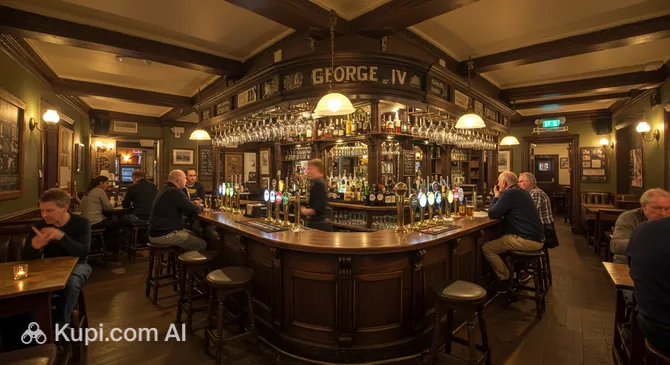
Among the popular spots for an evening out is the traditional pub George IV, where you can enjoy classic British ales and snacks in an authentic setting. It is a great place to experience the atmosphere of a real English pub.

The George IV. Illustration.
Source: Kupi.com AI

Traveler photos:

Another noteworthy venue is the Bell and Crown bar, which offers a wide selection of drinks and often features live music. If you are looking for something more dynamic for a late night, consider places like the Grey Horse nightclub. Here you can dance to contemporary hits and enjoy cocktails. Clubs generally open later in the evening and stay open until the early morning, especially on Fridays and Saturdays. The dress code in most Richmond bars and pubs is quite casual (smart casual), but some clubs may have stricter requirements.

The Bell & Crown. Illustration.
Source: Kupi.com AI

Traveler photos:

The Grey Horse. Illustration.
Source: Kupi.com AI

Traveler photos:

The best time to visit bars and pubs is Friday and Saturday nights, when the atmosphere is most lively. Prices for drinks and food in Richmond can be slightly higher than the London average, reflecting the prestige of the area. At night, you can get to or from Richmond via night buses or taxis. It is recommended to check public transport schedules in advance or use ride-hailing apps.

Richmond is considered one of London's safest neighborhoods, so walking at night generally does not cause concern, especially in busy areas. Nevertheless, it is always wise to take standard precautions. You can call a taxi by phone, use mobile apps, or find a taxi rank at central points.

During the day, Richmond also offers plenty of entertainment. You can spend time in the famous Richmond Park, enjoying nature and spotting deer. History and culture enthusiasts will find the Gunnersbury Park Museum interesting. Additionally, the district has theaters offering various productions and many charming cafes and shops for daytime leisure.

Parks & Museums

Richmond offers a delightful combination of vast green spaces, serene riverside walks, and a rich cultural heritage. This charming corner of Greater London is perfect for those seeking both natural beauty and a chance to connect with history.

Central to the green spaces is the magnificent Richmond Park, the largest of London's Royal Parks. It is a genuine nature reserve where deer roam freely, and visitors can enjoy miles of trails for walking and cycling. The Isabella Plantation deserves special attention, being a picturesque woodland garden famous for its vibrant spring blooms of azaleas and rhododendrons. From King Henry's Mound, you can enjoy a famous panoramic view that, according to legend, was much loved by Henry VIII and remains protected by law today.

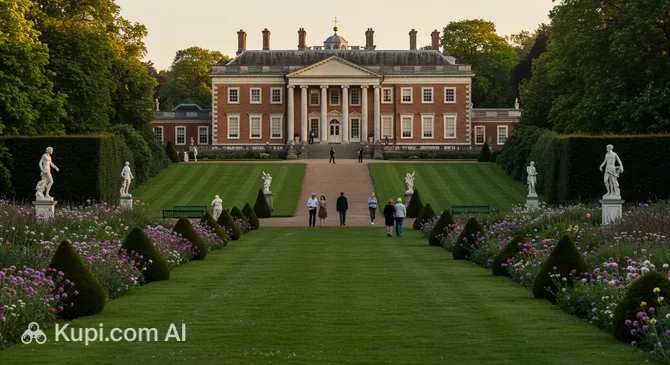
Equally attractive is the London Wetland Centre—a unique urban oasis where you can observe a variety of bird species and other wildlife in their natural habitat. It is a wonderful place for families and nature enthusiasts. For lovers of history and landscape art, Chiswick House and Gardens is a must-see, representing a magnificent example of Palladian architecture with perfectly preserved classical gardens, ideal for leisurely strolls and soaking in the 18th-century atmosphere.

Chiswick House and Gardens. Illustration.
Source: Kupi.com AI

Traveler photos:

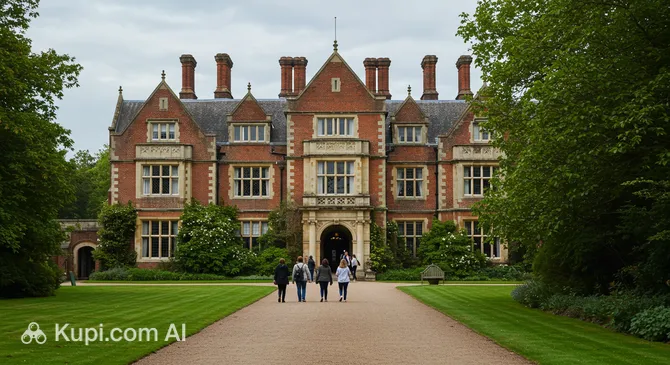
The cultural life of Richmond is equally diverse, offering several interesting spots to dive into history and art. To get closer to local history, head to the Gunnersbury Park Museum. Located in a historic building within a scenic park, it offers fascinating exhibitions about the area's past, its residents, their daily lives, and traditions. Another important cultural center is the Museum of Richmond, which preserves and displays artifacts telling the story of the borough from prehistoric times to the present, with a particular focus on its royal past and development as a suburban settlement. For art lovers, the Orleans House Gallery is of great interest. Housed in a beautiful 18th-century building on the banks of the Thames, it offers various exhibitions of contemporary and historical art, as well as educational programs. While Richmond may not have world-class mega-galleries, its picturesque streets and Thames views have inspired many artists, and you can find small independent galleries and craft workshops throughout the area.

Gunnersbury Park Museum. Illustration.
Source: Kupi.com AI

Traveler photos:

In addition to the aforementioned Chiswick House, Richmond's architectural landscape is complemented by other interesting structures. For example, Kew Bridge, an elegant bridge over the Thames, is not only a vital transport artery but also an interesting piece of early 20th-century engineering. The bridge offers beautiful views of the river and the famous Royal Botanic Gardens, Kew, located nearby.

For an authentic experience, turn off the main tourist routes and explore the quiet lanes leading to the river. Here you will find charming traditional pubs with centuries of history and can enjoy the peaceful atmosphere of the "real" Richmond. Also, look out for local weekend markets where you can purchase unique handmade souvenirs and sample farm products.

Getting Around

Getting around Richmond and its surroundings is quite convenient thanks to its well-developed public transport system, which is integrated into London's wider network. The primary modes of transport for tourists and locals are the London Underground, London Overground, National Rail commuter trains, and the iconic red buses.

Richmond Station is a major transport hub serving the District Line, London Overground trains, and South Western Railway routes, making it easy to reach central London and other districts. The bus network in Richmond is also extensive, offering many routes that cover most of the town and its suburbs. Buses run frequently and are a great way to see the area.

For paying fares in Richmond, as in the rest of London, the most popular options are the Oyster card and contactless bank cards. You can purchase and top up an Oyster card at Tube stations, from vending machines, or at numerous Oyster Ticket Stops. Contactless cards (debit/credit) are accepted on all types of transport. There are also Travelcards available for a day, a week, or longer. The system automatically calculates the best fare and applies daily or weekly capping (a maximum charge limit) if you use Oyster or contactless payment.

Tickets and Oyster cards can be bought at Tube stations, in special machines, and in shops displaying the Oyster sign. It is important to remember that when traveling on the Underground, Overground, and National Rail, you must touch your card on the yellow reader at both the start and end of your journey. On buses, you only touch in at the start. Public transport usually runs from early morning until late at night. Some Underground lines and bus routes run 24 hours on weekends (Night Tube and night buses), but it is always best to check the schedule in advance on the official Transport for London (TfL) website or via mobile apps.

In addition to public transport, other ways of getting around are available in Richmond. You can always use traditional black cabs (taxis) or book a car through popular mobile apps. For short trips or exploring scenic spots like Richmond Park, bicycle rental is a great option—London's Santander Cycles system is in operation, and other local services may also be available. For those who prefer more autonomy, car-sharing services are also an option.

The transport system's integration and convenience are its standout features. While Richmond itself may not have unique modes of transport like cable cars, the journey by train or bus along the Thames or to the famous nearby parks and gardens can be a pleasant part of your sightseeing experience.

Accommodation

When planning a trip to Richmond, you will find a wide range of accommodation options to suit various tastes and budgets. The town offers everything from cozy bed and breakfasts (B&Bs) and stylish boutique hotels to comfortable self-catering apartments and larger hotels. This allows every traveler to find the perfect place for their stay.

Many tourists prefer staying in or near central Richmond. This provides easy access to the main shops, restaurants, cafes, and iconic landmarks such as Richmond Park or the scenic Thames embankment. Areas adjacent to Richmond railway station are also popular due to the convenient transport links to central London.

While the provided list of attractions does not include specific hotels, rest assured that Richmond offers a broad spectrum of hospitality services. You can find small family-run hotels with a personal touch as well as larger chain hotels offering a full range of amenities. Look for options situated in historic buildings, which can add a special charm to your stay.

To ensure the best selection and most competitive prices, it is recommended to book your accommodation in advance. This is particularly relevant if your trip coincides with the peak tourist season (usually the summer months) or major events taking place in or around London. Early booking also increases your chances of finding a place that perfectly meets your requirements.

The price range for accommodation in Richmond can vary from relatively budget-friendly options to luxury offerings. Most hotels and apartments can be easily booked through popular online booking platforms such as Booking.com, Expedia, or Airbnb. Additionally, many hotels offer the option to book directly through their official websites, sometimes with exclusive deals or discounts.

Nearby Cities

For those who wish to explore the surrounding area, Richmond serves as an excellent starting point for day trips to several interesting nearby locations. For instance, you can visit Hounslow, which offers extensive parkland and easy access to Heathrow Airport. Another option is vibrant Hammersmith, known for its Thames riverside and popular concert venues. You might also consider a trip to Wimbledon, famous not only for its tennis tournament but also for the charming atmosphere of Wimbledon Village.

Here are some of the nearby towns that may be of interest for a short visit:

CityPopulationDistance
Kew14 9152 km
Twickenham62 1483 km
Hounslow103 3374 km
Kingston upon Thames43 0135 km
Hammersmith95 9966 km

These nearby destinations provide a glimpse into the diverse culture and landscapes of the region, complementing the experience of staying in Richmond.

Shopping & Souvenirs

Richmond offers an enjoyable and diverse shopping experience, where well-known brands sit alongside charming independent boutiques and specialty stores. While the town isn't famous for unique goods produced exclusively here, it is an excellent place to buy fashion, original gifts, books, antiques, and home goods. Shopping in Richmond is more of a relaxed stroll along picturesque streets than a hunt for discounts in massive malls.

The main shopping arteries of Richmond are George Street, The Quadrant, and Hill Street. This is where most shops are concentrated, ranging from popular high-street fashion and beauty brands to unique designer boutiques, jewelry stores, and cozy bookshops. Walking along these streets is a pleasure in itself thanks to the beautiful architecture and pleasant atmosphere.

In Richmond, you won't find the giant modern shopping centers typical of major cities. Instead, the "high street" shopping format (shops along the main streets) and small shopping galleries or arcades prevail. This creates a more intimate and personalized shopping atmosphere.

Although Richmond does not have one large central market, various fairs are held periodically. Farmers' markets, where you can buy fresh local produce, are particularly popular, as are craft fairs (such as the Duck Pond Market on Sundays), which offer handmade items, vintage goods, and unique gifts. It is recommended to check the schedule of such events before your trip, as they may be seasonal.

For souvenirs from Richmond, you can pick up classic British gifts: aromatic tea, quality Scotch whisky, or items with British symbols. Also popular are items related to local attractions, such as Richmond Park—these could be postcards, books about nature, or souvenirs featuring the famous deer. In antique shops and independent boutiques, you can find unique items with local character.

Richmond Park. Illustration.
Source: Kupi.com AI

Traveler photos:

Most shops in Richmond operate on standard British hours: Monday to Saturday from 9:00 or 10:00 AM to 5:30 or 6:00 PM. Some larger stores may stay open later, especially on Thursdays, which is often a late-night shopping day. On Sundays, shops typically operate on reduced hours, such as 11:00 AM to 5:00 PM. Bank cards (Visa, Mastercard, American Express) are accepted almost everywhere, and contactless payments are widely used.

It is important to know that the traditional VAT Retail Export Scheme, which allowed tourists to claim tax refunds on goods taken out in personal luggage, was abolished in the UK (England, Scotland, and Wales) as of January 1, 2021. This means that tourists can no longer claim VAT refunds on most items they buy and take with them. However, some retailers may offer VAT-free sales if they arrange for direct delivery of the goods to your overseas address (outside the UK). We recommend checking this possibility directly with stores before making large purchases.

Reached the end of the page?

That means the route is fully explored