Support

Johnstown Inclined Plane

About

Imagine a breathtakingly steep ascent: the Johnstown Inclined Plane is not just transport, but a true monument to engineering. Located in the city of Johnstown, this historic funicular holds the record as the steepest vehicular inclined plane in the world. Its slope features an impressive 72% grade, making a trip to the top of Yoder Hill an unforgettable adventure for every visitor to the USA.
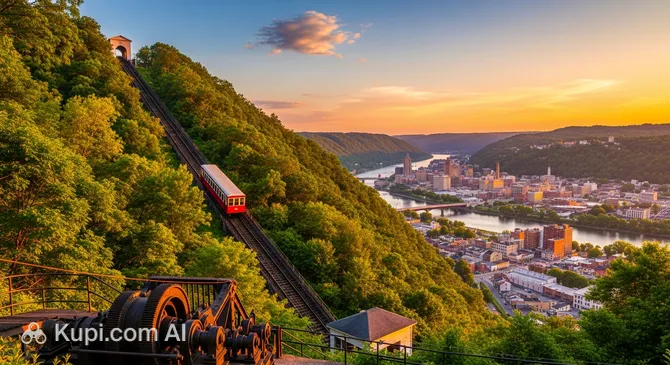
Johnstown Inclined Plane
Johnstown Inclined Plane. Иллюстрация. Источник: Kupi.com AI

Built in 1891 by Hungarian-American engineer Samuel Diescher, the funicular originally served to connect the city with the residential neighborhood of Westmont. The uniqueness of the design lies in its counterbalance system: two cars are connected by steel cables so that the weight of one helps lift the other. Due to its significance, the site is listed on the National Register of Historic Places and recognized as a major milestone in mechanical history.

Today, this site attracts tourists not only for its technical power but also for the incredible panoramic views of the Stonycreek River valley. It is the perfect place to feel the scale of the region's industrial past and enjoy the beauty of the Pennsylvania landscape from a height of 153 meters.

Contacts

To confirm current operating status or to book group tours, you can use the following contact information:

How to contactContact
Address711 Edgehill Dr, Johnstown, PA 15905, США
Phone+1 814-536-1816
Websitewww.inclinedplane.org

What to Do

The main experience worth coming for is the funicular ride. As you ascend the steep slope, you can watch the city's perspective shift, and at the end of the journey, a spectacular circular panorama of the valley unfolds before you. At the top station, be sure to stop by the visitor center, where you can learn more about the technical secrets of this mechanical wonder.

For technology enthusiasts, inspecting the original mechanisms and tracks preserved from the 19th century will be a real treat. If you are feeling energetic, you can try walking part of the way via the steps between the tracks (there are exactly 900 of them), which were originally intended for evacuation but now serve as a great challenge for active tourists.

At the top of the hill, you will find not only an observation deck but also a cozy restaurant and a souvenir shop. Don't forget to look for the James Wolfe sculpture located nearby. The surrounding area also offers walking trails where you can take excellent photos of the funicular against the backdrop of picturesque nature.

Getting There

The attraction is located at 711 Edgehill Dr, Johnstown, PA 15905. If you are traveling by car, the most convenient way is via PA Route 56. Parking is available at both the lower station and the upper station on top of Yoder Hill.

For those who prefer public transport, it is worth noting that the funicular has historically been integrated into the city's transit system. From larger cities like Pittsburgh, the drive takes about 1.5 hours (approximately 70 miles) via I-376 E and US-22 E. The nearest airport—Johnstown–Cambria County Airport (JST)—is just a 10–15 minute taxi ride away.

If you are already in the city center, you can reach the lower station on foot by crossing the bridge over the Stonycreek River. Active tourists can also hike up the trail or the special steps; however, keep in mind there are about 900 of them, so this walk requires good physical fitness.

Ближайший город: Johnstown

History & Facts

The history of this engineering marvel is inextricably linked to tragic events. The decision to build it was made following the catastrophic flood of 1889, when a dam breach nearly destroyed the city. The Cambria Iron Company constructed the incline not only to develop the new Westmont residential area but also to serve as a reliable evacuation route in case of future disasters.

The official opening took place on June 1, 1891. The project cost $133,296, and on its first day, the funicular transported over 600 passengers and 30 horse-drawn carriages. Over time, it proved its vital importance: during the floods of 1936 and 1977, this transport was used to save thousands of people and deliver humanitarian aid to flooded areas.

Interestingly, its peak popularity occurred in 1919, when more than 1.3 million pedestrians and 124,000 vehicles were transported in a single year. Throughout its long history of operation, only one fatality has been recorded, and it was not related to mechanical failure, confirming the exceptional reliability of Samuel Diescher's design.

Time Needed

A full visit to this attraction typically takes between 1 and 2 hours. This is usually enough time to enjoy a round trip, take in the panoramic views from the observation decks, and explore the exhibits at the visitor center.

If you plan to visit the gift shop or dine at the hilltop restaurant, you should budget a bit more time. A ride on the funicular is more than just transport; it is a true journey into the past, so there is no need to rush if you want to observe the antique machinery in action.

Working Hours

Currently, the status of the attraction may be listed as temporarily closed due to maintenance or restoration work. The funicular's operating hours often depend on the season and weather conditions.

Before planning your visit, it is highly recommended to check the current schedule on the official website or contact the administration by phone. This will help you avoid disappointment and stay informed about any possible changes to the operating hours.

Nearby

Johnstown is rich in industrial landmarks and cozy spots for relaxation. A walk around the Inclined Plane area will allow you to dive deeper into the atmosphere of America's old industrial heartland.

NameDistance
Cambria County War Memorial Arena0.5 km
Scott's By Dam0.7 km
Johnstown Flood Museum0.7 km
Stackhouse Park0.7 km
Central Park0.9 km
Flood City Cafe1.1 km
Heritage Discovery Center1.6 km

Reached the end of the page?

That means the route is fully explored