Support

Marble Canyon

About

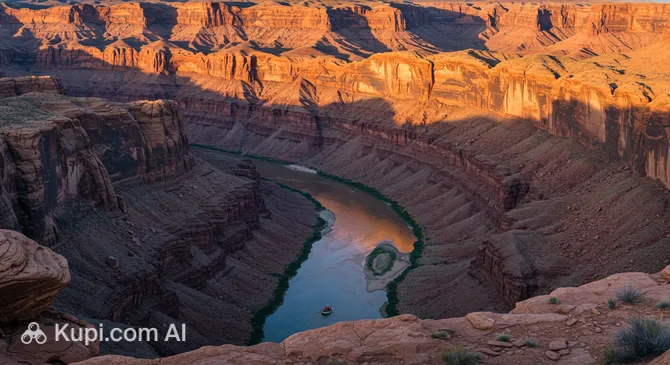
Marble Canyon is a place that can hardly be called a typical city with bustling streets and high-rises. Rather, it is a unique settlement and a picturesque natural area located in northwestern Arizona, in the USA. Nestled at the very border of the majestic Colorado Plateau, this corner serves as a kind of "gateway" to the famous Grand Canyon. It is here that the Colorado River begins its journey through the rocks, creating landscapes of incredible beauty that look as if they have come straight off a postcard.

Marble Canyon. Illustration.
Source: Kupi.com AI

The administrative significance of the settlement is somewhat nominal, and the permanent population here is very small. People come here not for urban infrastructure, but for an atmosphere of complete solitude and harmony with the surrounding world. The fascinating history of Marble Canyon is closely intertwined with geological processes and the spirit of the pioneers who conquered the wild nature of the West.

The main draw for travelers is the opportunity for outdoor activities. Tourists can look forward to exciting kayaking on the river, scenic trekking routes, and nights in campgrounds under an endless starry sky. Marble Canyon is the perfect destination for those seeking inspiration, wanting to take stunning photographs, or simply wanting to feel like a true explorer far from the crowds.

Weather Overview

The climate in this part of Arizona is arid and sharply continental, typical of desert regions. The current weather in Marble Canyon depends heavily on the season, so it's important to consider significant temperature fluctuations when planning your trip.

Summer here is hot and sunny. The warmest month is July, with an average temperature of about 27.7°C, while daily highs often reach 35°C. Rainfall is sparse during this period, although in August, the number of days with potential rain increases slightly (up to 5 days), which can bring brief freshness.

Winter, by contrast, is cool, especially at night. In January, the average temperature is only 1.4°C, and nighttime lows can drop to -3.8°C. Snow and rain are rare in winter but possible. Expect a hot summer with clear skies and cool, predominantly dry winters with night frosts.

The most comfortable time for active tourism is considered to be spring and early fall. In May and September, the air warms up to a pleasant 18–22°C, and the probability of precipitation tends toward zero, creating ideal conditions for hiking and exploring the canyon.

Average monthly temperature

Average monthly precipitation

Interesting Facts

Marble Canyon is not just a geological wonder but also a place full of mysteries and amazing stories. Beyond the breathtaking views, this area holds secrets that not all travelers are aware of.

  • An Archaeological Treasure Trove. The canyon has been a site of remarkable finds that shed light on the ancient history of the region. Split-twig animal figurines dating back 4,000 years have been discovered here, as well as the remains of the extinct Harrington's mountain goat, which lived in these parts more than 12,000 years ago.

  • A "Marble" Deception. The canyon got its name because of a visual effect: its smooth rocks, polished by wind and water, resemble marble. In reality, these rocks are limestone formed during the Jurassic period, but their unique shine and shades continue to fascinate photographers from all over the world.

  • A Unique Crossing. The legendary Lees Ferry is the only place for hundreds of kilometers where you can easily descend to the waters of the Colorado River. This very location serves as the official start for most boat and kayak expeditions through the Grand Canyon.

  • A Bridge Over the Abyss. The Glen Canyon Bridge, built in the 1950s, is considered a true marvel of engineering for its time. It not only connected two high banks but also opened a convenient path for travelers to Lake Powell and the famous Rainbow Bridge National Monument.

How to Get There

When planning a trip to this picturesque corner of Arizona, consider its distance from major metropolitan areas. Marble Canyon is an ideal destination for those who love road trips across the American West. Since there is no direct air service to the settlement itself, the route usually involves a flight to a nearby regional hub followed by a car rental. You can find out more about how to get to Marble Canyon, and below we look at the main arrival options.

The closest airport to the location is Grand Canyon National Park Airport (GCN). Tourists often choose to fly into Grand Canyon National Park Airport, which is about 106 km from the destination. This is a small but strategically convenient hub for travelers heading to the national parks. A trip from here by shuttle or rental car will take less than two hours, offering views of unique landscapes.

Another popular option is St. George Regional Airport (SGU). It is located in the neighboring state of Utah but serves as an excellent starting point. Many travelers prefer to fly into St. George Regional Airport, which is approximately 177 km from Marble Canyon. The drive by car from here will take about 2.5–3 hours. You can also consider Flagstaff Pulliam Airport (FLG), located 186 km south of the canyon and offering a good selection of flights.

For convenience, here is a summary of the main airports in the region:

AirportPassenger trafficDistance
Page Airport16 50021 km
Grand Canyon National Park Airport75 000106 km
Monument Valley2 000130 km
Cedar City Airport23 536163 km
Saint George Municipal Airport346 349177 km

Rail service in this region is not as developed as road transport, and there is no station in the canyon itself. The nearest major stop for Amtrak trains (the famous Southwest Chief route) is in Flagstaff, about 200 km to the south. Travelers choosing the railway usually rent a car at the Flagstaff station to cover the remaining distance while enjoying Arizona's desert landscapes.

Main Attractions

Marble Canyon is not just a point on the map, but a true open-air museum where nature and history have created an amazing ensemble. The main attractions here are connected to the majestic Colorado River and the red rocks surrounding it. Here are several iconic places that are definitely worth a visit.

Navajo Bridge is perhaps the most recognizable symbol of the region. Here, two twin bridges soar over the abyss: the historic one, built in 1929, and the modern one, opened in 1995. The old bridge is now fully pedestrian, allowing tourists to take a leisurely stroll at a height of about 140 meters above the river, enjoying dizzying views of the canyon. This is also one of the best places in the world to spot rare California condors, which often rest on the bridge's steel structures.

Lees Ferry is a unique location situated just a few kilometers from the bridge. It is the only place for hundreds of kilometers where you can drive a car right to the water's edge of the Colorado River. Historically, an important ferry crossing was located here, and today it is the official starting point for all rafting expeditions through the Grand Canyon. You can also visit the historic Lonely Dell Ranch here, where the buildings of early settlers and fruit orchards that survived the harsh desert climate have been preserved.

Vermilion Cliffs National Monument rises as a majestic wall to the west of Marble Canyon. These brilliant red sandstone cliffs provide a fantastic backdrop for any photograph. While the monument itself covers a vast territory, its southern rim, hanging over the settlement, is especially impressive at sunset when the rocks literally glow with fiery hues. For hiking enthusiasts, there is the Cathedral Wash route — a scenic trail leading through narrow limestone labyrinths directly to the river.

Local Cuisine

The gastronomic scene of Marble Canyon, like the region itself, is steeped in the spirit of the Wild West and the traditions of the American Southwest. You won't find fine dining restaurants or noisy food courts here. Local food is primarily hearty, simple, and delicious dishes designed to restore the strength of travelers after long walks through the canyons and rafting down the river.

The main culinary specialty that is definitely worth trying in this part of Arizona is the Navajo Taco. Instead of the usual corn tortilla, they use "frybread" — a fluffy fried bread topped with ground beef, beans, cheese, lettuce, and tomatoes. The menus of local establishments also always feature classic American grilled steaks, juicy bison or beef burgers, as well as dishes with green chili, characteristic of the neighboring regions' cuisine.

As for drinks, the hot desert climate dictates its own rules. Tourists are strongly recommended to try refreshing prickly pear lemonades, which have a bright pink color and a sweet berry-like taste. For those who prefer something stronger, local bars offer the famous "Margarita" based on the same prickly pear syrup, as well as a decent selection of craft beers from breweries in Arizona and neighboring Utah.

The dining culture here is centered around historic lodges and roadside cafes. The atmosphere in such places is extremely relaxed and friendly: it's customary to have dinner in hiking clothes, discussing the day's routes with neighbors at the table. Many tourists also prefer to have outdoor picnics, enjoying food with a view of the majestic Vermilion Cliffs or the Colorado River.

Travel Tips

A trip to Marble Canyon is a true adventure far from civilization, requiring special preparation due to harsh desert conditions. To ensure your stay is comfortable and safe, we've gathered the most relevant tips to help you avoid surprises on the road.

  1. Clothing and Gear. The main principle here is layering. Even if it's hot during the day, nights can be cool. Be sure to bring sturdy trekking shoes with good grip for walking on rocks. Don't forget a wide-brimmed hat, quality sunglasses, and high-SPF sunscreen, as there is virtually no natural shade here.
  2. Transport. Public transport does not run to the settlement or the attractions, so a car rental is mandatory. A standard car will do for trips to the main viewpoints (like Navajo Bridge), but for heading onto unpaved roads, a crossover is better. Important: Gas stations are very scarce in this area; always keep your tank full.
  3. Finances. The official currency is the US dollar. The local lodge, restaurant, and gas station accept bank cards without issues, but cash (small bills) is necessary for tips or small souvenirs. ATMs are a rarity here, so withdraw money in advance in larger cities. The customary tip in cafes is 15–20%.
  4. Health and Safety. The nearest hospital and pharmacies are in the city of Page (about 45 minutes away), so be sure to bring a personal first-aid kit. The main danger is dehydration; always have a supply of water (at least 3-4 liters per person per day). Watch your step on trails to avoid disturbing snakes or scorpions.
  5. Communication and Navigation. The primary language is English. Be prepared for mobile signal and internet in the canyon area to be extremely unstable or non-existent (especially at the bottom of the canyon). Download offline maps of the region in advance, as relying on an online navigator on-site is risky.
  6. Local Etiquette. In the hiking community, it's customary to greet those you meet on trails. Strictly follow the Leave No Trace principle: all trash must be carried out with you. Also, show respect for indigenous lands if your route crosses Navajo reservation borders.
  7. What to Avoid. Categorically avoid long hikes at midday during the summer months when temperatures become extreme. Do not feed wild animals, especially squirrels at parking lots — it's not only bad for their health but also dangerous (they can bite).
  8. Time Games. Be careful with time zones. Arizona does not observe Daylight Saving Time, but neighboring Utah and the Navajo Nation do. Your gadgets might automatically "jump" an hour ahead or back, which can confuse plans, so it's better to verify the current time with staff or rely on a manual watch.

Marble Canyon is a place where you can truly recharge and feel the majesty of nature. By following these simple rules, you can focus on the main thing — the incredible red rocks and the waters of the Colorado River — without being distracted by everyday trifles.

Entertainment & Nightlife

Nightlife in Marble Canyon is fundamentally different from what tourists are used to seeing in major cities. You won't find noisy blocks with neon signs, nightclubs with DJs, or bars open until dawn. Evening leisure in this secluded corner of Arizona is primarily about silence, connecting with like-minded people, and contemplating nature. "Club life" here is replaced by sitting around a campfire or having dinner at a local lodge after an eventful day.

The center of gravity in the evening is the area around the historic Marble Canyon Lodge. This is the heart of the settlement, where travelers, rafters, and photographers gather. The local restaurant and bar have the atmosphere of a classic Western: wood finishes, simple tables, and a friendly hum of conversations in different languages. The dress code here is completely casual — most guests come straight in their trekking gear. This is the best place to try a local craft beer or a glass of wine while discussing tomorrow's itinerary.

If you're looking for variety, you can drive a few miles west to the Cliff Dwellers Restaurant. Located at the foot of the Vermilion Cliffs, this establishment is famous for its steaks and cozy atmosphere. In the evenings, you can often meet guides here sharing gripping stories about the Colorado River. Keep in mind that the concept of "late evening" is relative here: restaurant kitchens usually close around 9:00 PM or 10:00 PM, so it's worth planning dinner in advance.

The main "night show" of Marble Canyon takes place outdoors rather than indoors. Thanks to its distance from big cities, there is virtually no light pollution. A walk to the Navajo Bridge after sunset will give you an unforgettable view of the Milky Way. Millions of stars shine so brightly over the dark canyon abyss that it feels like you can reach out and touch them. Many tourists specifically bring tripods and blankets to spend hours observing the night sky.

In terms of safety, the area is very quiet, and crime is virtually non-existent. However, night walks require caution for other reasons. Street lighting is only found directly near the lodge buildings and the gas station; elsewhere, total darkness reigns. Be sure to carry a flashlight so as not to trip on uneven ground or accidentally encounter nocturnal desert fauna (coyotes or snakes). There are no taxi services or platforms like Uber here, so moving between locations will require a rental car.

As for daytime entertainment, it is entirely focused on nature and history. There are no cinemas or shopping malls, but there are "open-air museums." During the day, tourists explore historic buildings at Lees Ferry, visit the interpretive center at Navajo Bridge to learn about the geology and construction of the crossing, or head out for light hiking along the river. Marble Canyon is a place for those who know how to find entertainment in the silence and majesty of the surrounding world.

Parks & Museums

Marble Canyon is a place where the lines between museum exhibits and the wild are practically blurred. In this unique corner of the USA, the main "exhibition halls" are majestic gorges and historic open-air buildings, rather than glass display cases. Cultural and natural heritage are so closely intertwined here that a walk through the park seamlessly flows into a history lesson.

Glen Canyon National Recreation Area. Marble Canyon is the gateway to this massive protected area covering over a million acres. For tourists, this isn't just a park but an epicenter for water adventures and geological discoveries. Here, desert landscapes meet the deep blue waters of the Colorado River. Travelers find this place interesting primarily for the chance to see the canyon "from the inside" — from the deck of a boat or kayak, enjoying the silence and views of the sheer walls that change color depending on the time of day.

Vermilion Cliffs National Monument. These famous "Red Cliffs" serve as a natural backdrop for the entire settlement. The park attracts solitude seekers and photographers hunting for surreal sandstone landscapes. This is wilderness in its purest form: there are no paved paths or shops, just endless expanses, whimsical stone formations, and silence. Tourists should visit this place for the feeling of complete isolation from civilization and the chance to see rare geological layers.

Navajo Bridge Interpretive Center. This is perhaps the main "classic" museum in the area. Located on the west side of the historic bridge, the center offers open-air exhibits and displays inside a small pavilion. Here you can learn about the construction history of the unique 1929 crossing, the difficulties faced by engineers, and the lives of indigenous peoples. Of particular interest is the information about California condors — very rare birds that can often be seen soaring directly over the center.

Lonely Dell Ranch Historic District. Located at the mouth of the Paria River, this site is a true open-air museum. Log cabins, stone buildings, and fruit orchards planted by Mormon settlers in the late 19th century have been preserved here. For tourists, this is a unique opportunity to immerse themselves in the atmosphere of the Wild West, walk among ancient trees, and understand the harsh conditions in which the people who operated the Lees Ferry crossing lived more than a hundred years ago.

Insider tip: Don't miss the chance to turn a visit to Navajo Bridge into an ornithology lesson. Numbered California condors often sit on the bridge railings. If you have binoculars, you can see the tags on their wings and later find the biography of that specific bird on the park's website or in the Interpretive Center's brochures. It's a rare chance to see one of the largest birds on the planet in its natural habitat.

Getting Around

It is important to note right away that Marble Canyon is a remote and sparsely populated place, so the classic public transport system typical of cities is completely absent here. You won't find subways, trams, trolleybuses, or city buses here. The settlement's infrastructure is oriented exclusively toward travelers moving by their own or rented transport.

The primary and virtually only way to get around the region is by car. Without a car, it will be impossible to reach attractions, trailheads, or even the nearest large store. Most tourists rent cars at major city airports (Las Vegas, Phoenix, or Flagstaff) and drive here on their own. The roads here are of excellent quality and very scenic, making the driving itself part of the tourist experience.

Specialized transfers and shuttles are the only alternative to a personal car, but they have a narrow focus. Private companies organize transport from cities like Flagstaff or Page specifically for groups heading on rafting tours down the Colorado River from the Lees Ferry dock. Such trips must be booked in advance, often weeks or months ahead, along with the tour. This is not scheduled public transport, and you won't be able to "catch" it on the spot.

As for taxis and ridesharing services (Uber, Lyft), they do not operate in the Marble Canyon area. Due to the distance from populated areas, rideshare drivers simply do not come here. This is a critical point: do not count on calling a taxi to get from the hotel to a trailhead or a neighboring town. You risk being left without signal or transport in the middle of the desert.

The fare payment system here is replaced by paying for parking and entry into protected areas. Since many locations (such as Lees Ferry) are within the Glen Canyon National Recreation Area, you will need a pass. It is most convenient to use the America the Beautiful annual pass, which is valid in all US national parks. If you don't have one, you can pay for entry at automated kiosks upon entering park territory using a credit card. Cash is often not accepted by the machines.

For cycling enthusiasts, the region offers great opportunities, but more as a sport than as transport. The distances between sites are long, and the elevation changes and heat make everyday cycling difficult for the unprepared. Nonetheless, riding from the lodge to Navajo Bridge on a bicycle is quite feasible and pleasant.

Pedestrian movement is only possible within the very "center" of the settlement: between the motel, gas station, trading post, and Navajo Bridge. All these sites are within walking distance of each other. However, for any travel beyond this small hub, you will definitely need wheels.

Accommodation

Accommodation in Marble Canyon is an immersion into the atmosphere of the classic American West. Since this is a small and remote settlement in the USA, you won't find high-rise international hotel chains or luxury all-inclusive spa resorts here. The main lodging options consist of historic lodges, cozy roadside motels, and organized campgrounds that fit perfectly into the rugged desert landscape.

Choosing a location here is quite simple: almost all available housing is concentrated along scenic Highway 89A. The most strategically convenient area is considered to be directly at the Navajo Bridge. By staying here, you will be within walking distance of the Colorado River crossing and the main viewpoints. Another popular area is located slightly to the west, at the foot of the Vermilion Cliffs, where absolute silence and solitude reign, broken only by the wind.

Among travelers, places with a history are particularly popular. For example, the famous Marble Canyon Lodge, built back in the 1920s, is located right by the bridge and serves as the unofficial center of village life. Another well-known option is Cliff Dwellers Lodge, situated in the shadow of giant red boulders. These places offer "rustic" style rooms: simple but with all the necessary amenities, including air conditioning, which is critical in the Arizona heat.

For fans of budget travel and maximum proximity to nature, a campground is the ideal choice. The official site at Lees Ferry (Lees Ferry Campground) is equipped with spots for tents and RVs. This is the only way to spend the night directly on the banks of the Colorado River, falling asleep to the sound of water surrounded by red cliffs. However, keep in mind that comfort here is basic, and spots are often allocated on a first-come, first-served basis.

Booking Tip: Accommodation in Marble Canyon is in high demand and short supply. The number of rooms is very limited, and the flow of tourists heading to the Grand Canyon and Lake Powell is enormous. It is highly recommended to book your stay 3–6 months in advance, especially if you plan to visit during the "high season" (spring and fall).

Price ranges vary from budget (campgrounds) to mid-range and higher (lodges during peak season). Due to the lack of high competition and the remoteness from civilization, prices can be slightly higher than in major cities for a similar level of comfort. Booking is most often available through official lodge websites or by phone, as not all local authentic properties are listed on major online aggregators.

Nearby Cities

For those looking to explore the surroundings, Marble Canyon serves as an excellent starting point for day trips to several interesting nearby locations. Its position on the border of Arizona and Utah provides access to a variety of landscapes: from high-altitude pine forests to desert red rocks.

CityPopulationDistance
Page7 80020 km
Kanab5 30083 km
Tuba City8 74884 km
Bryce Canyon City250106 km
Supai208114 km

Among the accessible destinations, Flagstaff stands out. This lively city, surrounded by the world's largest ponderosa pine forest, offers a completely different atmosphere compared to the desert canyon. Here you can stroll through the historic center, steeped in the spirit of legendary Route 66, visit the famous Lowell Observatory, or simply enjoy the cool mountain air and cozy coffee shops.

Another popular option is St. George, located in the neighboring state of Utah. The city is famous for its picturesque red rocks and serves as a gateway to the majestic Zion National Park. It's an ideal place for outdoor enthusiasts, offering excellent golf courses, hiking trails, and a developed urban infrastructure with shops and restaurants.

Also worth noting is Cedar City, often called the "Festival City." It is located near the stunning Cedar Breaks National Monument, which resembles a miniature Bryce Canyon. The city is known for its rich cultural life, including the famous Utah Shakespeare Festival, and its university atmosphere.

These nearby destinations provide a glimpse into the diverse culture and landscapes of the region, making your journey through the American Southwest even more rewarding.

Shopping & Souvenirs

General Overview: Shopping in Marble Canyon is not your typical trip for clothes or electronics, but rather an immersion into the atmosphere of the Old West. Since this is a tiny settlement in the USA focused on nature lovers, the retail sphere is primarily represented by souvenir shops and essential goods stores. Tourists shouldn't expect high-end boutiques; instead, they will find authentic "Trading Posts" where they can find unique works by local artisans and everything needed for further travel through the desert.

Main Shopping Areas/Streets: Given the settlement's small size, there are no shopping streets in the classic sense. All commercial life is concentrated along the main transport artery — Highway 89A. The central point of attraction for shoppers is the area by the historic Navajo Bridge. Here sits the region's main store — Marble Canyon Trading Post. This is a versatile place combining a souvenir shop, a grocery store, and a point of sale for hiking gear. Small souvenir shops can also be found at the lodges (such as Cliff Dwellers Lodge) a bit further west along the highway.

Shopping Centers: There are no shopping centers, malls, or large supermarkets in Marble Canyon itself. This is a place for solitude, not mass consumption. If you have an urgent need to visit major chain stores (such as Walmart) or find a wide range of clothing, you will have to head to the nearest city, Page, located about 45 minutes away to the east. The infrastructure there is significantly better developed with full-scale shopping zones.

Markets: There are no organized city markets here, but the region is famous for its colorful roadside trade. Traveling along Highway 89A, especially toward Page or south toward Flagstaff, you will often encounter small wooden stalls set up by local Navajo residents. These are a kind of spontaneous mini-markets where artisans sell their wares directly without intermediaries. Stopping at such a stall is a great chance not only to buy something unique but also to interact with indigenous people.

Souvenirs: The main pride of local shopping is the work of Native American artisans. From Marble Canyon and its surroundings, it's worth bringing back turquoise and silver jewelry traditional to Navajo culture, as well as handmade pottery and dreamcatchers. At the Trading Post, you can find quality rugs with geometric patterns. Also popular are geological maps of the region, photo albums featuring Colorado River views, and culinary souvenirs: jams and candies made from prickly pear cactus fruit.

Opening Hours and Payment: Shops in this tourist hub usually work seven days a week, adjusting to the travelers' schedule. Typical hours are from 8:00 or 9:00 AM to 8:00 or 9:00 PM, though hours may be reduced during the winter "low" season. Bank cards (Visa, MasterCard) are accepted almost everywhere, including the gas station shop and the lodges. However, if you plan to buy souvenirs from Navajo roadside vendors, be sure to have cash dollars with you, as they usually do not have terminals.

Tax Free (if applicable): It's important to remember that in the United States, the tax refund system (Tax Free) for tourists does not work as it does in Europe. Prices on store tags are listed without sales tax, which in Arizona varies and is added to the total at the register. It is impossible to get a refund for this tax when leaving the country, so plan your budget with this surcharge in mind (usually around 6–9% depending on the county).
Reached the end of the page?

That means the route is fully explored