Support

Tuba City

Attractions

About

Tuba City is a picturesque town nestled on the western edge of the vibrant Navajo Nation in the heart of Arizona, USA. It immerses travelers in the colorful expanses of the Painted Desert, where every sunrise and sunset paints the landscape in incredible shades of pink, ochre, and terracotta.
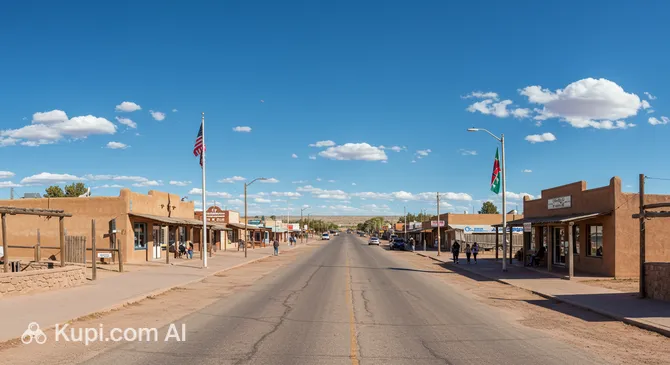
Tuba City. Illustration.
Source: Kupi.com AI

With a population of about 8,700 people, Tuba City maintains a cozy and unhurried atmosphere, far from the bustle of major metropolises. The city plays an important role as a cultural and administrative center for the Navajo people and neighboring tribes, giving it a special ethnic character and unique charm where traditions harmoniously intertwine with modernity.

For tourists, Tuba City serves as an excellent starting point for exploring the famous natural wonders of the American Southwest. From here, it is convenient to reach legendary sites such as the Grand Canyon and Monument Valley. Additionally, the city offers a unique opportunity to experience Native American culture through local museums and interaction with hospitable residents.

If you are looking for more than just adventure, but deep and authentic experiences, Tuba City will be a true discovery for you. It is a place where you can enjoy stunning nature, touch an ancient culture, and take home memories that will stay in your heart for a long time.

You can find more interesting facts on the Tuba City history page.

Weather Overview

The weather in Tuba City is characterized by significant seasonal temperature fluctuations and very low precipitation throughout the year. Summers here are hot and mostly dry, with average temperatures in July around 27.3°C, while daytime highs can reach 34.2°C. Winters are cold, with the average January temperature around 1.8°C and night lows potentially dropping to -4.0°C.

Expect hot and very dry summers, as well as cold, mostly dry winters. Precipitation is minimal, with most months having practically no rain, and the number of rainy days is low. For more detailed information about weather conditions, you can visit the Tuba City Climate page.

Average monthly temperature

Average monthly precipitation

Interesting Facts

In addition to being an important center within the Navajo Nation, this city in the USA holds several surprising features that make it a truly unique place for curious travelers.

  • One of the most striking features of Tuba City is its location within the Navajo Nation – the largest Native American reservation in the USA. This is not just an administrative unit, but a place where you can deeply immerse yourself in the culture and history of the Navajo people, feeling the spirit of ancient traditions carefully preserved to this day.

  • The city attracts seekers of antiquity with its unique "Dinosaur Tracks," which can be seen right under the open sky. These prints, left by giant reptiles millions of years ago, allow you to literally touch the prehistoric era and are truly imaginative.

  • Tuba City is home to the landmark Navajo Code Talkers Museum. It is dedicated to the heroes of World War II – members of the Navajo tribe who developed and used a unique code based on their native language. This code played a key role in the history of encryption and military communications, and the museum tells their amazing story.

  • Not far from the city lies Coal Mine Canyon, known for its incredibly colorful cliffs and whimsical geological formations. According to legend, this canyon was considered a sacred place for the Navajo and Hopi peoples, and its unusual, almost Martian landscapes continue to inspire photographers and artists from all over the world today.

How to Get There

When planning a trip to this region of Arizona, it is important to note that there are no direct flights specifically to the city. Travelers will need to fly into one of the nearest transport hubs and continue their journey along scenic highways. You can find more details on how to get to Tuba City by exploring all possible routes and modes of transport.

The most convenient option for many travelers is Flagstaff Pulliam Airport (FLG). It is located in the city of Flagstaff, approximately 117 km from Tuba City. This is an important regional airport receiving regular flights. The journey from here by taxi or rental car will take about 1 hour and 30 minutes, making it an optimal choice in terms of distance and accessibility.

Geographically even closer is Grand Canyon National Park Airport (GCN), located just 84 km from Tuba City (it is often associated with the Flagstaff region in administrative divisions). This airport is primarily focused on tourists visiting the national park. Travel time by car is just over an hour.

You can also consider flying through St. George Regional Airport (SGU), which is located in the city of St. George at a distance of about 236 km. This is a more remote option, with a journey taking about 3 hours, but it may be convenient if your itinerary includes traveling through Utah.

For convenience, here is a summary of the main airports:

AirportPassenger trafficDistance
Grand Canyon National Park Airport75 00084 km
Page Airport16 50090 km
Flagstaff Pulliam Airport304 454117 km
Monument Valley2 000135 km
Sedona151 km

Main Attractions

Tuba City, as an important center of the Navajo Nation, offers travelers a unique opportunity to experience the rich culture of Native Americans and see the impressive natural landscapes of Arizona. Here are several key places to visit in and around the city:

Explore Navajo Interactive Museum – This is an excellent place to immerse yourself in the culture, history, and traditions of the Navajo people. The museum introduces visitors to the Navajo language, art, daily life, and beliefs, and tells the story of the tribe's significant contributions to United States history, including the famous Navajo Code Talkers. Guests can see traditional dwellings known as hogans and gain insight into daily life. This site will be particularly interesting for those seeking a deeper understanding of the region's cultural heritage.

Tuba City Trading Post – One of the oldest operating trading posts in the area, founded in the late 19th century. Today, it is not just a store but a genuine historical landmark. Here, you can purchase authentic handmade items from Navajo and Hopi artisans, including unique jewelry, traditional rugs, pottery, and other souvenirs. A visit to the post provides an opportunity to learn about the trading traditions and arts of indigenous peoples.

Dinosaur Tracks – Located near Tuba City is an amazing site where you can literally touch the prehistoric past. Numerous fossilized dinosaur tracks, left millions of years ago, are preserved in the open landscape. Local Navajo guides often lead fascinating tours, sharing interesting facts about these ancient inhabitants of our planet. This exciting sight attracts both children and adults interested in paleontology and Earth's ancient history.

Coal Mine Canyon – Although this canyon is located some distance from the city, on the border of Navajo and Hopi lands, it is often included in tourist itineraries due to its incredible scenery. The canyon impresses with multi-colored rock formations and whimsical relief shapes, especially spectacular at sunrise or sunset when the play of light and shadow creates truly fantastic landscapes. It is a wonderful spot for photographers and nature lovers, offering breathtaking views and the chance for secluded walks through unique terrain.

Local Cuisine

The cuisine of Tuba City is a fascinating immersion into the culinary traditions of the indigenous Navajo people. The gastronomic experience here is closely intertwined with the region's culture and history, offering tourists authentic flavors and dishes passed down through generations. The foundation of local cuisine consists of simple but hearty dishes made from available products grown in desert conditions.

Be sure to try the famous Navajo frybread – a fluffy fried bread that is a true symbol of hospitality. It is served as a standalone dish, often with honey or powdered sugar, and as the base for Navajo tacos – topped with meat, beans, lettuce, and cheese. Another iconic dish is Navajo stew. This is a thick, aromatic soup or stew, most often made from mutton or beef, with corn, potatoes, carrots, and other vegetables, seasoned with local herbs. This dish is perfectly warming and filling.

Beyond these two staples, look out for dishes made from corn, which plays a vital role in the Navajo diet. These can be corn tortillas, porridges, or corn fritters. In some establishments, you might find more exotic offerings, such as cactus dishes, which can be an interesting discovery for foodies. Many of these treats can be found at street markets or in small family cafes that offer delicious home-cooked meals.

Regarding beverages, various herbal teas popular among the local population are worth noting. They are made from herbs gathered in the surrounding areas and have not only a pleasant taste but also beneficial properties. As for alcoholic beverages, they are not a traditional part of Navajo culture, so the focus in local establishments is mostly on non-alcoholic options. You can also purchase local honey and traditional sweets at the markets.

The food culture in Tuba City is centered around family cafes, small diners, and roadside stands where you can taste authentic dishes. Occasionally, the city hosts gastronomic festivals where you can get acquainted with the culinary diversity of not only the Navajo but also other indigenous tribes of the region. Visiting such places is not just a meal, but an opportunity to touch the local culture and experience true Arizona hospitality.

Travel Tips

Planning a trip to Tuba City? These practical tips will help you better prepare for your journey and get the most enjoyment from your stay in this unique corner of Arizona, located on the lands of the Navajo Nation.

  1. Clothing and Essentials: The climate in Tuba City is desert-like, with hot summers, mild but cool winters, and significant temperature drops between day and night. In summer, bring light, breathable clothing made of natural fabrics, and definitely a wide-brimmed hat, sunglasses, and high SPF sunscreen. For evenings, as well as for the autumn-winter period, you will need warm clothes, including a jacket, sweater, and hat. Comfortable closed-toe walking shoes are your best friend for strolling and exploring the surroundings. Don't forget a universal adapter for charging your devices.

  2. Transport: Tuba City is a relatively small town, and the public transport system is virtually non-existent. The best way to get around, especially if you plan to explore the region's many attractions like the Grand Canyon or Monument Valley, is by renting a car. Taxis and services like Uber/Lyft may be available, but their numbers and coverage areas are limited, so they should not be fully relied upon.

  3. Finances: The official currency is the US Dollar (USD). Credit and debit cards (Visa, MasterCard) are accepted in most hotels, restaurants, and shops. However, it is always useful to have some cash with you for small purchases, especially if you plan to visit local markets or small establishments. ATMs are available in town. Tipping in the USA is a standard practice and usually amounts to 15-20% of the bill in restaurants and for various services.

  4. Health and Safety: Tuba City Regional Health Care Corporation operates in the town, providing medical services. There are pharmacies in town, but they may not be open 24/7. It is strongly recommended to take out travel medical insurance before your trip. The town is generally considered safe, but always observe basic precautions: watch your belongings, don't leave valuables in plain sight in your car, and be careful after dark. Consider the desert climate: drink plenty of water to avoid dehydration, especially in the hot months.

  5. Communication: The official language is English. A significant part of the local population also speaks the Navajo language (Diné Bizaad). Knowing a few simple phrases in Navajo, such as "Yá'át'ééh" (Yah-ta-hey – hello/greetings), will be warmly received. Mobile connection and Wi-Fi internet access are available in most hotels and some cafes, however, mobile coverage can be unstable outside the town in more remote areas. You can purchase a local SIM card in larger cities or upon arrival at the airport.

  6. Local Etiquette: Residents of Tuba City are generally hospitable. A standard American greeting is sufficient for communication. Since the city is the administrative center of the western part of the Navajo Nation, show deep respect for local culture, traditions, and the land. Always ask permission before photographing people, their homes, or personal items. Do not enter private or areas marked as sacred without an invitation.

  7. What to Avoid: Categorically avoid photographing people without their explicit permission, especially elderly people and children, as well as any ceremonial activities. Do not collect plants, stones, or other natural objects on the reservation territory without special permission, as this may violate local laws and traditions.

  8. Additional Tip: Tuba City is an excellent starting point for exploring Navajo and Hopi culture, as well as natural wonders like Grand Canyon National Park and Monument Valley. Plan enough time to explore the region. Keep in mind that the Navajo Nation has its own laws, which may differ from Arizona state laws, for example, regarding the sale and consumption of alcohol (it is generally prohibited).

We hope these tips help you plan an unforgettable and comfortable trip to Tuba City. Enjoy the unique culture, stunning landscapes, and hospitality of this amazing place!

Entertainment & Nightlife

When planning an evening in Tuba City, it is important to understand that this city, as a significant center within the Navajo Nation, offers a unique experience, and its evening life reflects a quiet and culturally-oriented character. Here, you won't find bustling districts with neon signs of nightclubs or the multitude of bars typical of major metropolises. Evenings in Tuba City are more of a time for leisurely relaxation, immersing yourself in the local atmosphere, and enjoying the silence of the Arizona desert.

The main focus of evening entertainment shifts from traditional nightlife to calmer activities. You can spend the evening at one of the local restaurants serving traditional Navajo cuisine or classic American fare. The atmosphere in such establishments is usually cozy and conducive to conversation. It is important to note that specialized nightclubs or lively bars are practically non-existent here, as the city is more oriented toward daytime activities and cultural tourism. There are also no concert venues with regular night shows or night markets in Tuba City. Therefore, if your interest lies specifically in such entertainment, you should adjust your expectations.

If you are looking for a place for dinner, it is recommended to check the opening hours in advance, as many establishments may close relatively early. The dress code in most places is casual. One of the unique evening activities in Tuba City can be stargazing – thanks to minimal light pollution in this desert area, the night sky here is particularly impressive. Occasionally, cultural events or evenings may be held at a local level; it is best to get information about these at visitor centers or from locals upon arrival.

Getting around the city in the evening is most convenient by private or rental car. Public transport is practically non-functional at night. If you need a taxi, it is better to book it well in advance through known local services or ask for assistance at your hotel, as finding a car on the street late at night can be difficult. Tuba City is generally considered a safe place; however, as anywhere else, it is worth taking standard precautions after dark, especially if you decide to walk through less-lit areas.

During the day, Tuba City offers more opportunities for active leisure. The city serves as an excellent starting point for exploring Arizona's unique natural landscapes and the cultural attractions of the Navajo Nation. You can visit local cultural centers, learn about Native American arts and crafts, or take a tour to nearby canyons. While there are no major amusement parks or large theater complexes in Tuba City, its rich cultural heritage and stunning natural surroundings offer their own, equally fascinating forms of daytime recreation.

Parks & Museums

Tuba City, located in the heart of Navajo lands and in close proximity to the Hopi Reservation, offers travelers a unique opportunity to explore both Arizona's impressive natural landscapes and the rich cultural heritage of Native American peoples. This city is not just a point on the map, but a gateway to a world of ancient traditions and breathtaking scenery.

Among the natural attractions to visit while in Tuba City or its surroundings are the Tuba City Dinosaur Tracks. This is an amazing site located near the town where you can see genuine, well-preserved footprints of prehistoric reptiles. Although it is more of a natural monument than an official park, it invariably attracts both adults and children interested in paleontology. For connoisseurs of geological wonders, Coal Mine Canyon is of interest; it is located at some distance but is striking with its multi-colored rock formations and provides excellent photography opportunities, especially at sunrise or sunset. Additionally, Tuba City often serves as a starting point for visiting the eastern entrance to Grand Canyon National Park, one of the world's greatest natural wonders, offering less crowded routes and stunning views.

The cultural program in Tuba City and its environs is equally rich. A key place to learn about Navajo culture is the Explore Navajo Interactive Museum. Here, visitors can learn about the history, traditions, art, and daily life of this people, see a traditional dwelling — a hogan — and gain a deeper understanding of the indigenous worldview. Historical value is found at the Tuba City Trading Post, one of the oldest operating trading posts in the Navajo Nation. It is not just a shop where you can purchase authentic handmade goods, jewelry, and famous Navajo rugs, but a living monument to the region's history. For a more complete immersion into indigenous culture, it is also worth visiting the Hopi Cultural Center, located on Second Mesa within the Hopi Reservation (near Tuba City). This center includes a museum, art galleries, and shops where you can purchase items made by Hopi artisans.

Beyond the trading post, the atmosphere of Tuba City itself, its architectural elements, and its location on historic indigenous lands create a special feeling. Pay attention to details that reflect local traditions and beliefs. To get a truly authentic experience, try to find out about visiting local markets or cultural events if they coincide with your travel dates. Always remember the need to show respect for local customs and traditions, especially when on indigenous lands.

Getting Around

When planning your travel around Tuba City, it is worth considering that this is an important settlement within the Navajo Nation, and the public transport system here has its own specifics. Public transport primarily consists of bus routes served by regional operators connecting various communities.

The key carrier serving Tuba City and its surroundings is the Navajo Transit System. This system provides bus service connecting Tuba City with other locations within the reservation. The routes and schedules of the Navajo Transit System are primarily oriented toward the needs of the local population, so they may not be as frequent as in large cities. It is recommended to check current routes and schedules on the carrier's official website in advance or clarify information on-site.

Fares on Navajo Transit System buses are usually paid in cash directly to the driver upon boarding. It is advisable to have the exact amount, as the driver may not have change. Information about the availability of travel passes or special fares is best clarified with the carrier itself, as it may change.

For tourists planning to use public transport in Tuba City, it is important to plan your trips in advance. Check schedules and routes, especially if your trip falls on a weekend or holiday. Bus stops may not always be clearly marked, so don't hesitate to ask locals or the driver.

As an alternative to public transport, especially for greater flexibility and exploring Arizona's vast territories, many tourists prefer renting a car. This provides freedom of movement and access to remote attractions. Within Tuba City itself, taxi services may be available, but their numbers may be limited, and it is recommended to book a car in advance. For traveling short distances within the city, walking is quite suitable.

Accommodation

In Tuba City, tourists will find several accommodation options, primarily aimed at travelers exploring this unique region of Arizona. The range of housing here mainly includes motels and mid-range hotels, offering a comfortable stay for those on their way to natural attractions or learning about Navajo culture.

Most accommodation options are located along the main transport arteries, providing easy access and departure from the city. Although Tuba City does not have distinct tourist districts with a high concentration of hotels like major metropolises, the choice of housing is usually centered near essential services and shops.

Since Tuba City is an important point on the way to iconic sites such as the Grand Canyon or Monument Valley, it is recommended to book accommodation in advance, especially if your trip falls during the peak tourist season (spring and autumn). Prices for stays generally fall into the budget and mid-range segments. You can book a room through popular online platforms or directly on hotel websites.

Nearby Cities

For those who want to explore the surrounding area, Tuba City serves as an excellent starting point for day trips to several interesting nearby locations:

CityPopulationDistance
Polacca80084 km
Marble Canyon84 km
Page7 80089 km
Flagstaff81 682110 km
Kayenta5 000110 km

Among these cities, Flagstaff and Winslow particularly stand out. Flagstaff, surrounded by pine forests, attracts outdoor enthusiasts and is known for its proximity to the Grand Canyon, as well as its historic center featuring a section of the famous Route 66 and the Lowell Observatory. Winslow, in turn, became famous thanks to the Eagles' song "Take It Easy" and offers tourists a visit to the "Standin' on the Corner in Winslow, Arizona" park, as well as insight into the heritage of the railroad and Native American culture.

These nearby destinations provide a glimpse into the diverse culture and landscapes of this USA region.

Shopping & Souvenirs

Shopping in Tuba City is a unique opportunity to immerse yourself in Native American culture and purchase authentic handmade items. The city is not a major shopping center in the traditional sense, but it is famous for its ties to the Navajo Nation and proximity to Hopi lands, making it an excellent place to buy unique souvenirs and pieces of art.

In Tuba City, there are no clearly defined shopping streets or districts with many stores as in large cities. The main shopping points are historic trading posts and specialized shops offering works by local artisans. These shops can be found along the main roads passing through the city, such as Highway US-160. They often offer a wide range of goods, from jewelry to rugs.

You likely won't find large, modern shopping centers in Tuba City. The city retains its special character, and the emphasis here is on unique local products rather than mass brands. You may encounter small retail spaces or general stores where you can purchase essentials and some souvenirs, but for large-scale mall shopping, it is better to head to Arizona's larger cities.

While Tuba City may not have large permanent markets, it is worth looking out for possible seasonal fairs, festivals, or craft sales that may be held in or around the city. This is an excellent chance to buy something directly from the makers. Sometimes artisans sell their products directly from their homes or small workshops, especially in areas adjacent to the reservations.

From Tuba City and the surrounding area, it is worth bringing back authentic souvenirs and handmade items. Especially popular are: Navajo jewelry made of silver with turquoise and other semi-precious stones, traditional woven Navajo rugs with characteristic patterns, handmade pottery, and Kachina dolls (which are more associated with the Hopi tribe but can also be found here). These are not just souvenirs, but real works of art that hold a piece of the region's culture.

Shops in Tuba City usually operate during standard daytime hours, but the hours of small private stalls and trading posts may vary. Some may be closed on Sundays or during tribal holidays. As for payment, most shops and trading posts accept credit cards. However, when buying items directly from artisans or at small fairs, cash may be required.

In the USA, and specifically in the state of Arizona, a sales tax is applied, which is added to the price of the goods at the checkout. The Tax-Free refund system for foreign tourists, common in some other countries, is not applied at the federal level in the USA for most goods. Therefore, you should not count on a tax refund for purchases made in Tuba City.

Reached the end of the page?

That means the route is fully explored