Support

Panguitch

About

Panguitch is a cozy and incredibly colorful town in southern Utah, nestled in a picturesque valley at an altitude of over 2,000 meters above sea level. Surrounded by majestic mountains and the vast expanses of the Paunsaugunt Plateau, it offers travelers the chance to enjoy pristine air and tranquility. Located in the USA, this city serves as an ideal starting point for exploring the region's legendary natural attractions.
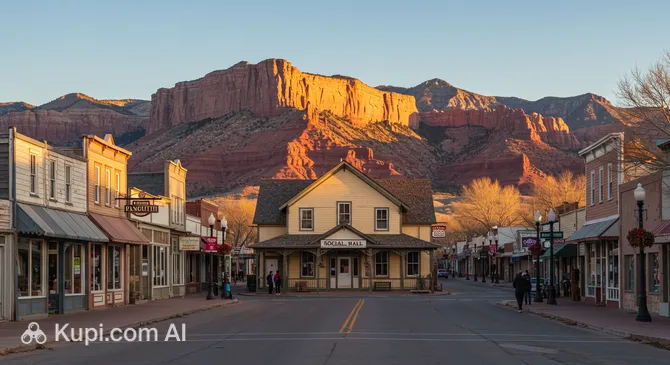
Panguitch. Illustration.
Source: Kupi.com AI

Despite its modest population of about 1,700 people, Panguitch possesses a special charm and serves as the administrative center of Garfield County. Traditions are carefully preserved here: the town center is listed on the National Register of Historic Places, and the streets are adorned with famous Victorian-style red brick houses. The fascinating history of Panguitch can be traced in every building and old shop, creating a unique atmosphere of the American West where time seems to have slowed its pace.

The town attracts tourists with its excellent location. Just an hour's drive away are the world-famous Bryce Canyon and Zion national parks, whose landscapes are breathtaking. For lovers of water recreation and quietude, Panguitch Lake awaits, famous for its magnificent fishing. In summer, the town is buried in flowers and greenery, and in winter, it transforms into a true snowy paradise for outdoor enthusiasts.

Panguitch is worth visiting for its authenticity and hospitality. There is no city bustle here, but there are cozy family cafes and the spirit of the real Wild West. This place offers you the opportunity not only to touch history and architecture but also to enjoy amazing natural landscapes, feeling like a welcome guest in the heart of Utah.

Weather Overview

Panguitch's climate is shaped by its high-altitude location, giving the town distinct seasons and fresh air. Summer is considered the most comfortable time for tourists: in July, the average temperature is about +21.4°C, with daytime highs reaching +28.4°C, perfect for outdoor activities. June is the driest month, with minimal rainy days.

Winter months bring true cold. In January and February, nighttime temperatures often drop to -10.4°C, while daytime temperatures barely rise above freezing. Spring arrives with changeable weather: March is the "wettest" month with 11 days of precipitation, but by May, the air warms to a pleasant +17.7°C. Autumn offers mild warmth in September, but by November, the town plunges back into the cold.

Expect warm summers with comfortable evenings and cold, relatively dry winters. To ensure your trip goes perfectly, we recommend checking in advance what the weather in Panguitch will be during your visit.

Average monthly temperature

Average monthly precipitation

Interesting Facts

Beyond its main attractions, Panguitch holds many fascinating stories and secrets that reveal themselves only to the attentive traveler.

  • A Telling Name. The word "Panguitch" comes from the language of the indigenous people — the Paiute Indians — and translates as "big fish." According to local legend, it was a generous catch from the nearby lake that helped the first settlers survive a harsh winter and escape starvation when they traded their last flour supplies for fish.

  • Parade in the Sky. The town is widely known for its annual Panguitch Valley Balloon Rally. Every June, the sky over the valley is colored by dozens of bright hot air balloons, creating a mesmerizing spectacle against the mountain scenery that draws visitors from all over the country.

  • A History in Brick. The unique architectural appearance of the town is shaped by red brick houses produced right here in the 19th century. These historic buildings are not just beautiful — they serve as living sets for the era of the Wild West's development, preserving their original charm.

  • Cinematic Trail. Thanks to its authentic atmosphere and impressive views, Panguitch has repeatedly served as a filming location for episodes of popular Westerns, and local landscapes continue to inspire photographers and artists to this day.

How to Get There

When planning a trip to Utah's picturesque canyons, it is wise to think through logistics in advance, as Panguitch is a small town located far from bustling metropolises. There are no direct flights here, so the route usually includes a flight to one of the regional air hubs followed by a car trip. You can find more about how to get to Panguitch to choose the most suitable option for you.

There is no airport in the town itself, so travelers most often choose to fly into neighboring cities. The closest and most convenient option is St. George Municipal Airport (SGU). It is located approximately 130 km from your destination. The drive from there in a rental car takes about an hour and a half, making this the fastest and most comfortable route.

If you are looking for more flight options, you might consider Provo Airport (PVU), located to the north. The distance to Panguitch from there is about 272 km, with a travel time of approximately 3 hours by car. This is a fairly large hub that handles many flights. Also used for tourist purposes is the Grand Canyon National Park Airport (GCN) in Tusayan/Flagstaff, located 209 km away, though it primarily caters to visitors of the national park.

For convenience, here is summary information on the main airports used to reach the region:

AirportPassenger trafficDistance
Cedar City Airport23 53660 km
Saint George Municipal Airport346 349130 km
Page Airport16 500132 km
Grand Canyon National Park Airport75 000209 km
Monument Valley2 000217 km

Regarding rail connections, there are no active passenger stations in the immediate vicinity of Panguitch. Trains in this region of the USA are not the most common way for tourists headed to national parks to travel. The primary means of transportation in Utah remains the automobile. We strongly recommend renting a car at your arrival city: it is not only the most reliable way to get to your destination but also provides the opportunity to comfortably explore the surrounding natural wonders.

Main Attractions

Panguitch is not just a transit point on the way to national parks, but a town with its own unique character and Wild West atmosphere. One of the main points of interest for tourists is the Historic Town Center. Walking down Main Street feels like stepping back in time: the street is lined with famous red brick buildings constructed by Mormon settlers in the late 19th and early 20th centuries. These bricks were made in local kilns, and today these structures form a unique architectural style that has led to a significant portion of the town being listed on the USA National Register of Historic Places. It is a pleasant place to simply stroll, ducking into antique shops and souvenir stores.

For those seeking connection with nature, Panguitch Lake, located just a 20-minute drive into the mountains, is a must-see. This high-altitude lake fully lives up to its name, which translates from the Paiute Indian language as "big fish." It is one of the best places in Utah for rainbow trout fishing. In summer, tourists come here for boating, camping, and picnics surrounded by pine forests, while in winter, the lake becomes a popular location for ice fishing and snowmobiling.

Located very close to town along scenic Highway 12 is Red Canyon. Travelers often drive through it on their way to Bryce Canyon, but this place deserves separate attention. The canyon is famous for its bright red cliffs, stone arches, and whimsical limestone spires known as "hoodoos." The main advantage of Red Canyon over its more famous neighbors is that there are far fewer people and entry is free. Numerous hiking trails and bike paths allow you to enjoy the Martian-like landscapes in peace and quiet.

Local Cuisine

Panguitch cuisine is the gastronomic embodiment of the American West spirit: hearty, simple, and incredibly soul-warming. Here, people don't chase complex refinements, preferring time-tested recipes and high-quality local products. Travelers should prepare for generous portions and a warm, almost homey atmosphere in every establishment.

The main pride of the local gastro-scene is, undoubtedly, fresh trout from Panguitch Lake. Local restaurants prepare it masterfully: be sure to try the fish fried to a golden crust or baked with aromatic herbs. Meat dishes are not far behind, as this region is famous for its ranching traditions. Juicy steaks, smoked ribs, and BBQ are prepared from sustainably raised meat, and local burgers will surprise even seasoned meat lovers with their rich flavor.

Mornings in Panguitch usually start substantially. In family diners, you'll be offered traditional American pancakes, generously drizzled with honey and topped with a pat of butter. Those with a sweet tooth should look out for homemade baked goods: the seasonal berry pies are particularly good here and pair perfectly with a cup of hot coffee in one of the town's cozy coffee shops.

A special part of the culinary culture is the farmers' markets and street events. Stopping by a market, you can purchase the freshest vegetables, homemade cheeses, and local honey. If your trip falls in the summer months, don't miss the chance to attend food festivals. This is a great opportunity to immerse yourself in the cowboy lifestyle, participate in a BBQ show, and try unique dishes cooked over an open fire in the best traditions of the Wild West.

Travel Tips

Panguitch is the gateway to Utah's natural wonders, but its high-altitude location and small-town status dictate their own rules for trip preparation. To ensure your journey goes smoothly and leaves only pleasant memories, we've compiled a list of important recommendations to help you feel confident in any situation.

  1. Clothing and Gear. The main rule in these parts is layering. Since the town is at an altitude of over 2,000 meters, temperature swings are very sharp: even if it's hot during the day, it becomes noticeably cold as soon as the sun goes down. Be sure to bring a fleece jacket and a windbreaker, regardless of the season. Also, don't forget sunscreen and sunglasses — at this altitude, the sun is very strong, and you can get a sunburn even in cool weather.
  2. Transportation. There is no public transport in Panguitch, and rideshare services like Uber or Lyft rarely work here, or wait times are too long. The only reliable way to get around is a rental car. It's best to book your car in advance in a large arrival city (like Salt Lake City or Las Vegas), as the local selection may be limited.
  3. Finances. The official currency is the USA Dollar (USD). While cards are accepted at most hotels and restaurants, we strongly recommend carrying cash in small denominations. It will come in handy in small souvenir shops, at farmers' markets, or for tips, which are customarily left at 15–20% of the bill. There are ATMs in town, but they are few and far between.
  4. Health and Safety. Due to the thin mountain air, unaccustomed tourists may experience slight discomfort or shortness of breath. Drink more water than usual and give your body time to acclimate. There is a hospital in town (Garfield Memorial Hospital), but there are no 24-hour pharmacies, so pack a basic first-aid kit with necessary medications in advance.
  5. Communication and Navigation. The primary language is English. Mobile service is stable within the town itself, but signal often drops as soon as you head toward the canyons or national parks. Be sure to download offline maps of the region to your smartphone before your trip so you aren't left without navigation at an inconvenient moment.
  6. Local Etiquette. Panguitch is a small and friendly town where people often greet strangers on the street or wave to passing cars. Responding with a smile or a nod is considered good manners. Life here moves at a measured pace, so don't rush the staff in cafes — enjoy the moment and the quiet "old America" atmosphere.
  7. What to Avoid. Be extremely careful on the roads at dusk and at night. This region is home to a large number of deer, which frequently run onto the road. Avoid speeding, especially on unlit sections outside of town — collisions with wildlife are one of the most common causes of accidents here.
  8. Operating Hours. Keep in mind that in rural Utah, many shops and restaurants may close quite early, around 8:00 PM – 9:00 PM, and some establishments don't open at all on Sundays. Plan your dinner and grocery shopping in advance so you don't go hungry after a long day of exploring the parks.

By following these simple tips, you can avoid everyday troubles and focus entirely on the beauty of the red rocks and the starry sky. Panguitch is a place that values simplicity and sincerity, and a prepared traveler will always feel at home here.

Entertainment & Nightlife

Nightlife in Panguitch is drastically different from the usual rhythm of major metropolises. Here, you won't find noisy nightclubs with DJs, neon signs running until dawn, or large-scale parties. Evening leisure in this town is steeped in the atmosphere of the old Wild West: it is quiet, soulful, and homey. Most activity is centered along the main thoroughfare — North Main Street, where travelers gather after long walks through the canyons to share impressions and relax.

The center of gravity in the evenings is the famous Cowboy's Smokehouse restaurant. This isn't just a place for dinner; it's the true heart of the town's social life. The interior is decorated with pelts, antique rifles, and cowboy memorabilia, and country music often plays in the evenings. People come here for excellent BBQ and a glass of local beer. Another popular location for a quiet evening is the historic Gem Theater. This atmospheric venue allows you to watch the latest films while enjoying a bucket of popcorn or their famous chocolate ice cream in an early 20th-century setting.

The crowd in Panguitch establishments consists mainly of tourists in hiking gear and local residents, so the dress code is as casual as it gets: fleece jackets, jeans, and trekking boots are perfectly appropriate everywhere. It is important to note that the town "goes to sleep" quite early. Most restaurants and cafes close by 9:00 PM – 10:00 PM, so it is worth planning your evening program in advance. Also, keep in mind Utah's specific laws: alcohol in establishments is often served only when food is ordered, and the selection of drinks may be limited to beer and wine.

A distinct form of nighttime entertainment in these parts is stargazing. Thanks to the distance from large cities and the lack of light pollution, the sky over Panguitch is incredibly dark and clear. Simply heading to the outskirts of town or driving to the nearest lookout point allows you to see the Milky Way in all its glory. It is a free and mesmerizing sight that leaves a lasting impression.

In terms of safety, Panguitch is one of the quietest places in the USA. You can walk the central streets without fear at any time of day. However, be cautious on unlit stretches of road due to the possibility of wildlife crossings. Rideshare services like Uber practically do not operate here, so if you plan to have a drink with dinner, decide on a sober driver in advance or choose accommodation within walking distance of the center, as the town is very compact.

During the day, besides trips to national parks, there is plenty to do in the town itself. History buffs will enjoy walking through the center to see the preserved architecture of the Mormon pioneers. It is also worth visiting local souvenir shops selling handmade goods or stopping by small local museums, if they are open during your seasonal visit, to dive deeper into the culture of this rugged but hospitable land.

Parks & Museums

Despite its modest size, Panguitch offers guests a surprising mix of natural recreation zones and cultural sites that carefully preserve the legacy of the Wild West. The town and its surroundings serve not only as a gateway to national parks but also as a standalone destination for exploring pioneer history and the region's rich fauna.

For those who want to enjoy panoramic views without traveling far from civilization, Marilyn Bulkley Memorial Park is the perfect spot. It is located on an elevation north of town and is equipped with cozy picnic areas. This is the best lookout point within town limits: from here, you get a breathtaking view of the Sevier River valley and the red rocks of Red Canyon, which look especially striking at sunset. The park is great for a quiet evening rest after a busy day.

Speaking of green zones, it's worth noting that Panguitch is effectively surrounded by the Dixie National Forest. While this is a massive natural area, the sections adjacent to the town function like an enormous natural park. Dozens of trails for hiking and cycling are laid out here, allowing tourists to immerse themselves in the atmosphere of pine forests and high-mountain meadows just a few minutes' drive from Main Street.

The city's cultural program is vibrantly represented by the Paunsaugunt Western Wildlife Museum. This place will be interesting for both adults and children curious about zoology. The museum houses one of the most impressive collections of taxidermy animals in the Western USA. The exhibition includes hundreds of specimens, from mountain lions and bears to rare birds native to Utah. The museum not only showcases the wealth of local fauna but also tells the story of hunting and conservation in the region.

For an immersion into the human history of the region, visit the Daughters of Utah Pioneers Museum. Located in a historic building and run by local volunteers — descendants of the first settlers — it houses a unique collection of 19th-century household items: antique clothing, tools, photographs, and furniture that vividly show how the people who founded the town lived in the harsh conditions of the high desert. It is an intimate and very soulful museum that conveys the spirit of the era.

While walking around town, notice the Quilt Walk Statue in the center. This is not just a monument but a symbol of the town's most significant historical event. The sculpture is dedicated to the feat of the settlers who, in the winter of 1864, saved the community from starvation by crossing deep snows using quilts spread out as makeshift snowshoes. This story is the heart of Panguitch's cultural identity.

Getting Around

Due to its modest size and status as a small provincial town, Panguitch does not have a municipal public transport system in the sense a tourist might expect. You won't find subways, trams, or regular city bus routes here. The town is laid out such that all infrastructure is geared toward owners of private or rented transport, which is typical for rural areas in this region.

The absolutely dominant way of getting around here is the automobile. Without a car, moving between your hotel, restaurants, and, most importantly, the national parks will be extremely difficult. Renting a car is the first thing you should take care of even before arriving in town. The roads in Panguitch are wide, traffic is calm, and there are almost no parking problems: it is free and available at most shops, hotels, and attractions along Main Street.

An important nuance for tourists is the transport logistics when visiting Bryce Canyon. Although there are no direct buses from Panguitch to the park, a free shuttle (Bryce Canyon Shuttle) operates inside the national park itself (and from the town of Bryce Canyon City) during the high season. Practical tip: drive your car to the park-and-ride lots at the park entrance or to Ruby’s Inn, leave your car there, and hop on the shuttle. This will save you from searching for a spot at overcrowded lookout points. To ride the shuttle, just show your park entrance ticket or an America the Beautiful pass.

Regarding taxis and modern rideshare services (Uber, Lyft), do not count on them in Panguitch. Coverage is extremely unstable, and cars simply may not be nearby. If you need a transfer, for example, to the airport, it should be booked in advance through specialized private companies or arranged with your hotel administration.

For moving within the historic town center, walking is perfect. Panguitch is very compact: most shops, cafes, and historic red brick buildings are located along one Main Street, which you can leisurely walk from end to end in 20–30 minutes. This is the best way to soak in the town's atmosphere.

In the warmer months, bicycling becomes a popular alternative. A magnificent paved bike path (Red Canyon Bicycle Trail) is laid out in the town and its surroundings, especially along the scenic route to Red Canyon. If you didn't bring a bike with you, check for rental options at local outdoor shops or campgrounds — this allows you to combine transportation with active outdoor recreation.

Accommodation

Accommodation in Panguitch perfectly reflects the atmosphere of the town itself: you won't find faceless corporate giants or ultra-luxury resorts here. The bulk of the lodging options consists of cozy motels, many of which have been managed by local families for generations, as well as atmospheric Bed & Breakfasts (B&Bs) and cabin complexes. This is an ideal choice for those looking for "real America" flavor and a comfortable night's rest after a day spent in nature.

The geography of staying here is extremely simple and convenient. Practically all hotels and motels are concentrated along the town's central artery — Main Street and the intersecting Highway 89. This location allows tourists to be within walking distance of cafes, souvenir shops, and the historic center. By staying here, you will be in a strategically advantageous spot: just a 20–30 minute drive from Bryce Canyon, but away from the tourist bustle found right at the park's entrance.

For travelers who prefer complete autonomy, there are several excellent RV parks and campgrounds equipped in and around the town. This is a popular choice during the summer season, allowing you to sleep under Utah's incredible starry sky with necessary amenities at hand.

Booking Tip: Although Panguitch seems like a quiet town, during the peak season (May to September), the demand for housing here is colossal. Its proximity to national parks makes it a popular alternative to expensive lodging inside the reserves. We strongly recommend booking a room 3–4 months before your trip, especially if you plan to visit on a weekend or during the hot air balloon festival in June.

The price range in Panguitch can be described as moderate. The cost of living here is generally lower than in neighboring Bryce Canyon City, making the town attractive for budget travelers and families. You can book accommodation through popular international online platforms, though many local motels are happy to take direct bookings by phone or through their own websites, sometimes offering better terms.

Nearby Cities

For those looking to expand their travel horizons, Panguitch serves as an excellent starting point for regional trips. The town's location makes it easy to reach several interesting settlements, each with its own unique character.

Just an hour's drive away is Cedar City, often called the "Festival City USA." It is a true cultural hub for the region: it hosts the famous Shakespeare Festival, which attracts theatergoers from all over the country. Additionally, the city serves as a convenient gateway to the Cedar Breaks National Monument — an impressive natural amphitheater that is particularly beautiful at sunset.

If you are looking for a milder climate and more developed urban infrastructure, head to St. George. This is the largest city in this part of the state, located in the scenic Mojave Desert. Tourists can expect excellent restaurants, historical museums dedicated to Mormon pioneers, and proximity to the stunning Snow Canyon State Park with its frozen lava flows and red sand dunes.

Fans of active water recreation should visit the town of Hurricane. It is located near two popular reservoirs — Sand Hollow and Quail Creek. These are magnificent spots for swimming, boating, and fishing, where the deep blue of the water contrasts with bright red cliffs, creating unforgettable landscapes.

CityPopulationDistance
Bryce Canyon City25030 km
Beaver93154 km
Cedar City34 24657 km
Kanab5 30086 km
Hurricane19 501104 km

These destinations allow for a complete picture of the diverse culture and landscapes of southern Utah, complementing the impressions from visiting the national parks.

Shopping & Souvenirs

Shopping in Panguitch is more of a fascinating dive into the history and culture of the Wild West than a typical shopping trip. In this small town, you won't find huge shopping malls or global brand boutiques. Instead, Panguitch offers travelers the charm of family shops, antique stores, and authentic trading posts. The town is famous for its handmade goods, antiques, and, of course, everything related to cowboy themes.

The town's entire commercial life is concentrated along Main Street. A stroll down it is aesthetically pleasing: shops are housed in historic red brick buildings, creating a unique atmosphere. This is where you'll find the main souvenir shops, Western-style clothing stores, and art galleries. The area is compact, so you can visit all the interesting places on foot while enjoying views of the old architecture.

Since Panguitch is a small town, there are no classic malls or large shopping complexes. Their role is played by large souvenir shops and General Stores where you can find everything from groceries and camping gear to unique gifts. Such places often resemble museums, where you might encounter taxidermy animals or antique tools among the goods, making the shopping process particularly colorful.

Markets in the traditional sense are seasonal here. During the summer, especially during festivals, stalls of local artisans and farmers may appear on the streets. However, year-round, the role of a market is filled by numerous antique shops where you can find real treasures: from old coins and badges to vintage glassware and household items of the early settlers.

When choosing what to bring back from your trip, look for the following items which are the region's hallmark:

  • Quilts. Given the town's history involving the saving of settlers with quilts, handmade textiles have a special significance here. Local masters create true masterpieces.
  • Cowboy Memorabilia. Hats, leather boots, belts with massive buckles, and plaid shirts are sold here in excellent quality and are part of the locals' everyday attire.
  • Native American Jewelry. Silver jewelry with turquoise made by Navajo or Hopi artisans is popular in the region.
  • Rocks and Fossils. Proximity to Utah's geological wonders encourages the sale of beautiful geodes, polished stones, and sandstone souvenirs.

When planning your shopping, it's important to consider the specific operating hours of establishments in rural USA areas. Most shops open around 9:00–10:00 AM and close quite early — at 5:00 PM or 6:00 PM. On Sundays, many private shops may be closed as locals observe a day of rest. Bank cards are accepted almost everywhere, but for small purchases at fairs or in tiny antique shops, it is recommended to have some cash dollars on hand.

The Tax Free system (VAT refund) in the United States works differently than in Europe and is not provided for tourists at the federal level. In the state of Utah, sales tax is added to the cost of the item at the register, and it is generally impossible to get it back when leaving the country. Therefore, the price on the tag should be viewed as incomplete — the final amount on the receipt will be slightly higher.

Reached the end of the page?

That means the route is fully explored