Support

Biscayne National Park

About

Biscayne National Park is a true treasure located near bustling Miami in the southern part of Florida, USA. This park is unique because it is the largest marine sanctuary in the country's national park system. Spanning the waters of Biscayne Bay, it represents an amazing world where nature has been preserved in its pristine beauty.
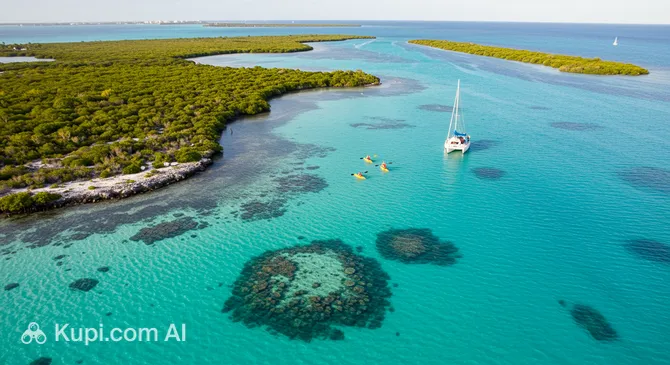
Biscayne National Park. Illustration.
Source: Kupi.com AI

Traveler photos:

The main feature of Biscayne National Park is that about 95% of its vast territory (approximately 700 square kilometers) is covered by water. This creates a unique environment that unites four completely different ecosystems. Here you will find coastal mangrove forests, the shallow stretches of the Biscayne Bay lagoon, coral limestone keys, and even part of the third-largest coral reef in the world!

Thanks to this diversity of habitats, the park has become home to thousands of wildlife species. Among them are specially protected ones—about 20 species are endangered. In the park's waters and on its islands, you can find manatees, rare hawksbill sea turtles, and even American crocodiles. The park's territory stretches from the famous Key Biscayne to Key Largo, including many picturesque islands, each holding its own secrets.

Contacts

For the most up-to-date information regarding your visit to Biscayne National Park, including operating hours, entrance fees, and available tours, you can contact the park administration directly or visit their official website. Biscayne National Park is located at 9700 SW 328 Street, Homestead, Florida 33033, just a short distance from Miami, USA.

Main contact details are listed below:

How to contactContact
AddressFlorida, USA
Phone number+1 305-230-1144
Websitewww.nps.gov

What to Do

Biscayne National Park is a true paradise for lovers of the underwater world. It is rightfully considered one of the best spots for diving and snorkeling in the country, thanks to its rich coral reefs and the incredible variety of Florida's marine life. Diving into the crystal-clear waters, you can witness the amazing underwater world in all its glory and see the full diversity of marine life.

Beyond underwater adventures, the park offers other exciting activities. Biscayne National Park is part of the Biscayne Birding Trail, where you can encounter more than 110 species of birds, including rare ones like the roseate spoonbill, wood stork, and the elusive mangrove cuckoo. Fishing enthusiasts will also find plenty to do, as about 600 native fish species inhabit the park's waters. For those who prefer land-based exploration or kayaking, wandering through the mangrove forests that fringe the bay's coastline will provide unforgettable memories of this unique natural landscape.

Getting There

Biscayne National Park is conveniently located in South Florida, east of the city of Homestead. Its proximity makes the park easily accessible by car from almost anywhere in Greater Miami and Miami Beach, making it an excellent choice for a nature-filled day trip.

If you are traveling by car, use the official park address for your GPS: 9700 SW 328 Street, Homestead, Florida 33033. This will lead you to the main mainland portion of the park where the visitor center is located. The drive from downtown Miami or Miami Beach usually doesn't take long, depending on traffic conditions.

It is important to keep in mind that the vast majority of Biscayne National Park consists of water. While the visitor center and some coastal areas are reachable by land, you will likely need a boat to explore the islands and coral reefs and truly enjoy all the park's beauty. You can join an organized boat tour or rent a kayak to fully experience the uniqueness of this marine sanctuary.

Nearest city: Miami

History & Facts

Biscayne National Park, as we know it today, was officially established on June 28, 1980. However, the history of its protection began much earlier, in the 1960s. At that time, the unique ecosystem of Biscayne Bay faced a serious threat: ambitious developer plans called for the construction of resorts across the vast northern islands of the Florida Keys, stretching from Key Biscayne to Key Largo. These projects could have caused irreparable damage to the region's fragile marine world.

Recognizing the looming danger, a group of dedicated environmentalists and conservationists launched an active campaign to save Biscayne Bay. Their efforts were not in vain: thanks to widespread public support and scientific evidence of the need to preserve this area, Biscayne was designated a national monument in 1968. This was the first major step toward ensuring the long-term protection of its unique natural treasures.

Initially, there was a proposal to include Biscayne within the larger Everglades National Park, perhaps to simplify natural resource management. However, the decision was ultimately made to create an independent protected zone. Thus, in 1980, Biscayne was redesignated as a full-fledged national park. This status allowed for not only the preservation but also the strengthening of measures to protect its one-of-a-kind marine ecosystem, ensuring its survival for future generations of explorers and nature lovers.

Time Needed

When planning a visit to Biscayne National Park, keep in mind that the time required to see it depends heavily on your interests and chosen activities. If your goal is just a brief introduction to the park, visiting the Dante Fascell Visitor Center and walking the coastal trails, 1-2 hours may be enough. This time will suffice to get a general overview of the park and its ecosystems.

However, to truly immerse yourself in the unique world of Biscayne National Park, which is 95% water, you will need significantly more time. To join a boat excursion to the islands, or to go snorkeling or diving on the coral reefs, you should set aside at least half a day (4-5 hours). Many tours have a fixed duration, usually around 3-4 hours, plus travel time to and from the departure point.

If you are planning a more in-depth exploration—such as kayaking through the mangroves, fishing, or visiting several islands—feel free to budget a full day. This will allow you to enjoy all the charms of this incredible marine sanctuary without rushing and fully appreciate its natural diversity.

Working Hours

According to available information, Biscayne National Park is open to visitors 24 hours a day, year-round. This means you can plan your visit at any time that is convenient for you, regardless of the season.

While the park itself is accessible 24/7, participating in certain organized tours—such as boat excursions, snorkeling, or diving trips—may require advance booking. We recommend visiting the official park website or contacting the visitor center in advance to check the schedules for specific activities and whether ticket reservations are necessary, especially during the peak tourist season.

Nearby

A visit to Biscayne National Park is undoubtedly an unforgettable experience. However, to make your trip to Miami even more comprehensive and fulfilling, it is worth looking into other nearby attractions. Exploring the surrounding areas will allow you to dive deeper into the atmosphere of this amazing region of the USA and discover new facets of its culture and nature.

Miami is a city of contrasts, where modern skyscrapers stand alongside cozy historic districts, and lively beaches give way to tranquil natural oases. By expanding your itinerary beyond just the park, you can gain a fuller understanding of South Florida's diversity and take home even more vivid memories.

While there may not be other large-scale tourist sites in the immediate vicinity of Biscayne National Park, the city of Miami itself and its outskirts are rich with interesting places. To plan further explorations and learn about other sights, we recommend visiting local tourist information centers or using the services of guides. They can help you choose routes and activities that match your interests and available time, enriching your journey through the USA.

NameDistance
Deering Estate18 km
Cape Florida Lighthouse18.7 km
Sky Zone Trampoline Park20.5 km
Fairchild Tropical Botanic Garden21.5 km
Cauley Square Historic Village21.8 km
Crandon Park23.4 km
Amazon and Beyond24.5 km

Have you reached the end of the page?

So the route has been studied inside and out