Support

Racing Club Stadium

About

The Racing Club Stadium, widely known by its nickname "El Cilindro" (The Cylinder), is the legendary home arena of Racing Club. Located in the city of Avellaneda, which is part of the Buenos Aires metropolitan area in Argentina, this stadium is not just a sports facility but a true cultural center and a place of pilgrimage for thousands of football fans.
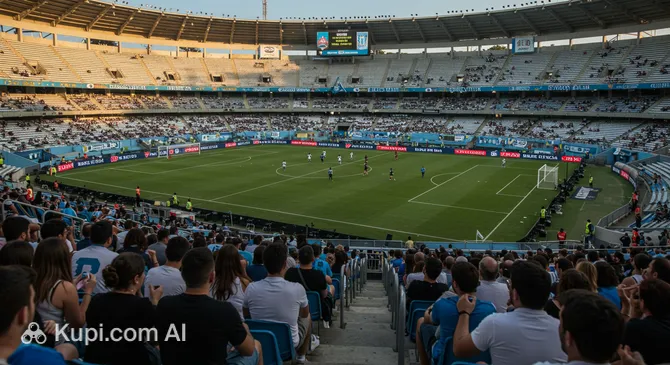
Racing Club Stadium. Illustration.
Source: Kupi.com AI

Traveler photos:

Opened in 1950, the stadium was originally named after Argentine President Juan Perón. The arena earned its nickname "El Cilindro" from its unique cylindrical shape, which sets it apart from other sports venues. This architectural feature not only gives the stadium a recognizable look but also creates a special acoustic environment during matches, intensifying the emotions of the game.

As one of Argentina's iconic football venues, "El Cilindro" has witnessed numerous historic matches and triumphs for Racing — one of the country's oldest and most decorated clubs. A visit to the stadium allows you to immerse yourself in the passionate atmosphere of Argentine football and feel like a part of its rich sporting history.

Contacts

If you are planning to visit the Racing Club Stadium, we recommend checking the official arena website or tourist information centers in Buenos Aires for the most up-to-date contact information. You can usually find a phone number for inquiries or an email address there. It is also helpful to check the schedule for events or guided tours if they are available.

How to contactContact
AddressAvellaneda, Buenos Aires Province, Argentina

What to Do

A visit to the Racing Club Stadium in Buenos Aires is, above all, an opportunity to immerse yourself in the passionate atmosphere of Argentine football. The main event here is undoubtedly the matches of Racing Club, which is famous for its rich history and loyal fans. The derbies against their arch-rivals, Independiente, also based in Avellaneda, create a particular buzz. The energy of the Racing fans and the stadium's location in the heart of a football-centric district make every match a unique experience, allowing for a deep understanding of Argentine football culture.

In addition to the exciting games, you can take a tour of the Racing Club Stadium. During such tours, visitors get a chance to learn more about the history of Racing Club, see its numerous trophies, and take a look at the players' locker rooms and other stadium areas usually hidden from public view. This is a wonderful opportunity for true football enthusiasts to connect with the legacy of one of Argentina's oldest football clubs. Founded in 1903, the club proudly carries the nickname "The Academy," highlighting its significant contribution to the development of football in the country.

Getting There

Racing Club Stadium, one of the legendary football arenas in Argentina, is technically located just outside Buenos Aires proper in the city of Avellaneda, a nearby suburb that is part of the Greater Buenos Aires metropolitan area. Despite this, you can reach it from the center of the Argentine capital in several ways, and the choice depends on your time and budget preferences.

Public transport is traditionally considered the most affordable option. Numerous bus routes (colectivos) run from various districts of Buenos Aires to Avellaneda. We recommend using online maps or local transport apps to check the appropriate bus numbers and stops near the stadium in advance. A bus trip usually takes between 30 and 60 minutes, depending on your starting point and traffic conditions.

For those who value comfort and speed, a taxi or one of the popular ride-hailing services is an excellent choice. A trip from the central districts of Buenos Aires to the Racing Club Stadium by taxi will take approximately 20-40 minutes if there is no heavy traffic. This method is particularly convenient if you are traveling in a small group or with luggage.

When planning a visit to the Racing Club Stadium, especially on a match day, keep in mind that traffic around the arena can be congested and public transport may be overcrowded. On such days, it is better to leave well in advance to avoid any rush. Sometimes special shuttles or express routes are organized for fans; you should look for information about these on the official club or stadium website.

Nearest city: Buenos Aires

History & Facts

The history of the Racing Club Stadium is inextricably linked with one of Argentina's oldest and most successful football clubs — Racing Club. The club was founded on March 25, 1903, becoming the first football team in the city of Avellaneda, a suburb of Buenos Aires. Interestingly, its future arch-rival, Independiente, was founded just two years later, marking the beginning of one of the most intense derbies in Argentine football. Even during the amateur era before 1930, Racing established itself as one of the country's strongest teams, setting an impressive record of seven consecutive championship titles from 1913 to 1919.

The stadium itself, known as "El Cilindro," was officially inaugurated in 1950. This event coincided with another golden period for Racing Club, which at that time (1949-1951) became the first team in the history of professional Argentine football to win three consecutive national championships. As a result, the new arena immediately became a symbol of victory and glory for its devoted fans.

Originally, the arena was named after Argentine President Juan Perón, but it became widely known by the nickname "El Cilindro" (The Cylinder) due to its characteristic circular shape. This name proved so popular that it is still used today and is practically official. Over the decades, the stadium has witnessed many iconic matches and historic moments not only for Racing but for all of Argentine football, cementing the club's status as one of the giants of South American sport.

Time Needed

When planning a visit to the Racing Club Stadium in Buenos Aires to see the arena, the average visitor should allow about 1.5 to 2 hours. This time is generally sufficient for a standard stadium tour, which may include viewing the stands, locker rooms, press center, and field access, if such options are available on the day of your visit.

If you are a passionate football fan or specifically a supporter of Racing Club, your exploration may take longer. Visiting the club museum, if available and open to the public, or the merchandise shop can add another 30-60 minutes to your visit. Therefore, for a more in-depth experience of the stadium and its atmosphere, you may need up to 3 hours.

Working Hours

The exact opening hours of the Racing Club Stadium in Buenos Aires can vary depending on match schedules, events, or tour programs. As a rule, stadiums do not have fixed daily visiting hours for tourists, except on days when organized tours are held or club museums are open. To get the most up-to-date information on opening hours, tour availability, and match schedules, it is highly recommended to visit the official Racing Club website or contact the stadium administration directly.

For those wishing to attend football matches, tickets should be purchased in advance, especially for high-demand games. If you are interested in stadium tours, it is also worth checking if advance booking is required and what the schedule is. Typically, stadiums operate year-round for sporting events, but public tour access may be limited or follow a specific schedule.

Nearby

Visiting the Racing Club Stadium in Buenos Aires is undoubtedly a major highlight for many travelers, especially football fans. However, to make your trip even more fulfilling and memorable, it is worth exploring the attractions located nearby. Discovering the surrounding area will allow you to dive deeper into the atmosphere of this multifaceted city and uncover new interesting spots beyond the sports venue.

Near the stadium, you will find several noteworthy sites that can complement your cultural or entertainment itinerary. Below is a list of some of them, along with their approximate distances, so you can plan your time and route.

NameDistance
Fútbol Park0.2 km
La Pampa National Park6.4 km
Plaza de Mayo6.7 km
El Molino Confectionery6.9 km
Obelisk of Buenos Aires7.3 km
Güerrín Pizzeria7.3 km
Paseo La Plaza7.4 km

Have you reached the end of the page?

So the route has been studied inside and out