Support

Espacio Paleontológico - Museo de Colonia

About

Nestled in a quiet corner of the Real de San Carlos neighborhood is a remarkable place — the Paleontological Space - Colonia Museum. This small yet incredibly informative exhibition space is dedicated to the ancient inhabitants of these lands. Here, history hidden beneath the earth for millennia comes to life, making it a must-visit in the city of Colonia del Sacramento.
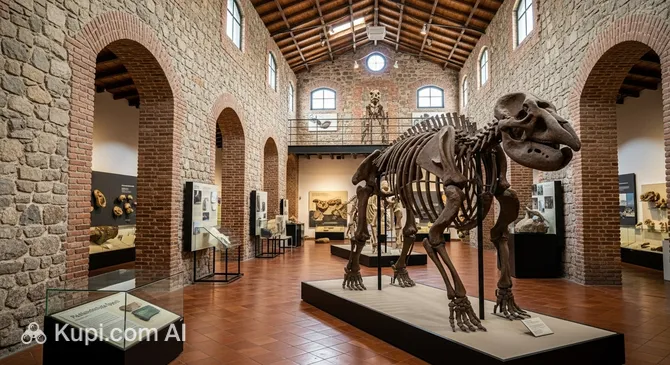
Paleontological Space – Colonia Museum
Paleontological Space – Colonia Museum. Иллюстрация. Источник: Kupi.com AI

The museum, also known as the Professor Armando Calcaterra Museum, houses more than 1,600 exhibits within its walls. The collection's crown jewel is the remains of the Pampean megafauna, which are over 12,000 years old. Such a wealth of paleontological finds in one place is a rarity that Uruguay is rightfully proud of.

Visitors can expect to see impressive shells of glyptodonts, massive bones of giant sloths, and other evidence of prehistoric life. This intimate and cozy space allows you to literally touch eternity and feel the scale of nature that existed long before the dawn of modern civilizations.

Contacts

When planning your visit to the Colonia Museum, it is helpful to have current contact information on hand. You can contact the administration by email or phone to clarify tour details or special visiting conditions. The table below provides basic reference information.

How to contactContact
AddressJose Roger Balet 181, 70000 Col. del Sacramento, Departamento de Colonia, Уругвай
Phone+598 4523 0952
Websitewww.museoscolonia.com.uy

What to Do

The main highlight of the museum is the careful study of unique fossils. Visitors can see near-perfectly preserved shells of glyptodonts — ancient armadillos the size of a car — as well as massive skeletons of megatheriums. These exhibits allow you to vividly imagine how majestic the animals roaming these plains thousands of years ago were.

In addition to paleontological finds, pay attention to the sections dedicated to mineralogy and geology. Rare samples of stones and minerals found in the region are collected here. For those interested in human history, it will be curious to look at the collection of archaeological artifacts that belonged to the indigenous peoples who inhabited the Department of Colonia in ancient times.

Be sure to talk to the museum staff — they are passionate professionals who are happy to share interesting facts about the origin of each exhibit. Such a dialogue will make your visit much deeper and more informative, turning a simple viewing of display cases into a real journey through time.

Getting There

The journey to the Paleontological Space is a great excuse to stroll beyond the famous historic quarter. The museum is located in the Real de San Carlos district, about 3-4 kilometers from the city center. A walk from the Old Town takes about 30-40 minutes, with the route passing through quiet and picturesque streets, allowing you to see city life from a non-tourist perspective.

If you value your time, the fastest way to get there is by taxi — a ride from the main square takes no more than 5-10 minutes. Renting bicycles is also a popular and convenient option, making it very comfortable to reach the museum and the nearby famous bullring — Plaza de Toros.

For those who prefer public transport, local buses run regularly from the center, with routes passing near the museum. If you are traveling by rental car, you will easily find a parking space right next to the entrance at Jose Roger Balet 181.

Ближайший город: Colonia del Sacramento

History & Facts

The history of this place began in 1976, when the prominent professor Armando Calcaterra donated his extensive private collection to the Department of Colonia. His passion for exploring his native land helped preserve unique evidence of the life that bustled here long before humans arrived. Today, the museum proudly bears its founder's name.

Most of the artifacts in the exhibition were found during excavations directly within the Department of Colonia. These finds prove that an amazing ecosystem, inhabited by members of the Pampean megafauna, flourished here thousands of years ago. The bulk of the collection dates back more than 12,000 years.

Interestingly, the museum serves not only as a tourist site but also as an important scientific repository. Researchers often visit to study species evolution and the region's geological changes. The collection is constantly updated, reflecting new discoveries in paleontology and indigenous archaeology.

Although the building is located in the modern Real de San Carlos district, it is closely linked to the city's cultural landscape. The museum helps tourists realize that the history of this region is much deeper and older than it seems when looking at 17th-century colonial buildings.

Time Needed

Typically, 1 to 1.5 hours are needed for a full tour of the museum's two exhibition halls. This is plenty of time to carefully examine the giant skeletons, study the minerals, and read descriptions of the most significant finds. The compactness of the space allows for a vivid experience without excessive fatigue.

If you are traveling with children or are a science enthusiast, your visit may take a bit longer due to conversations with the passionate museum staff. It is best to plan your visit in the morning so that after seeing the exhibition, you have time for a walk to nearby attractions in the area.

Working Hours

Please note the museum's operating schedule, which differs from standard tourist sites. Usually, the Paleontological Space is open to visitors on Friday, Saturday, and Sunday from 11:30 AM to 4:30 PM. On weekdays (Monday through Thursday), the museum is generally closed.

As the schedule may change depending on public holidays or the season, it is recommended to check current opening hours before your visit on the official website or by calling the contact number. This will help you better plan your stay in the Real de San Carlos district.

DayWorking hours
понедельникЗакрыто
вторникЗакрыто
средаЗакрыто
четвергЗакрыто
пятница11:30–16:30
суббота11:30–16:30
воскресенье11:30–16:30

Nearby

Exploring the surroundings of the paleontological museum can significantly enrich your travel itinerary. The Real de San Carlos district, where the space is located, offers a tranquil atmosphere and interesting contrasts compared to the bustling port.

Many travelers prefer to combine a museum visit with walks to the city's architectural landmarks or coastal exploration. Below is a list of interesting sites that are easily accessible from this part of the city.

NameDistance
Colonia Sign0.6 km
Real de San Carlos Urban Beach0.8 km
Colonia del Sacramento Boulevard2.8 km
Bastion del Carmen Cultural Center3.4 km
Colonia del Sacramento Aquarium3.5 km
Casa Viera3.5 km
Artisan Fair3.5 km

Reached the end of the page?

That means the route is fully explored