Support

Colonia Del Sacramento Boulevard

About

Imagine a place where time seems to have slowed its pace, and every step on the ancient pavement echoes the colonial era. Colonia del Sacramento Boulevard, also known as Avenida Artigas, is the main artery and heart of the oldest city that Uruguay gave to the world. Stretching along a picturesque rocky peninsula, this boulevard serves as the grand entrance to the famous historical quarter, Barrio Histórico.
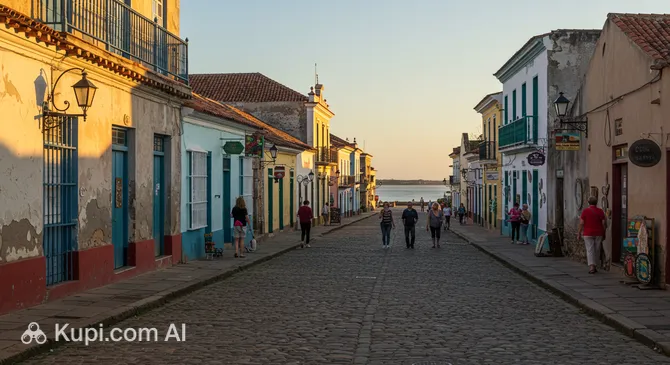
Colonia del Sacramento Boulevard
Colonia del Sacramento Boulevard. Иллюстрация. Источник: Kupi.com AI

The main feature of this location is its unique architectural heritage, recognized by UNESCO. Here, austere Spanish lines and winding Portuguese streets are whimsically interwoven, adorned with vibrant bougainvillea and antique lanterns. While wandering through Colonia del Sacramento, you will inevitably find yourself on this boulevard, admiring panoramas of the majestic Río de la Plata. On a clear day, you can even spot the skyline of Buenos Aires on the opposite shore.

Today, the boulevard is more than just a street; it is a true open-air museum. It combines the natural beauty of the waterfront with cozy, quiet cafes and the grandeur of ancient facades. Boasting a rating of 4.8 based on thousands of glowing reviews, the boulevard is deservedly considered a must-visit for any traveler seeking inspiration and tranquility.

Contacts

To inquire about city events or tourist routes, you can use the official resources of the department. As the boulevard is a public space, there is no specific information phone number.

How to contactContact
AddressAvenida Artigas 459, 70000 Col. del Sacramento, Departamento de Colonia, Uruguay
Websitewww.colonia.gub.uy

What to Do

Begin your introduction to the boulevard with a slow walk along the shoreline. One of the greatest joys here is photography: the combination of bright bougainvillea, weathered stone walls, and vintage cars creates perfect retro-style shots. Be sure to stop by one of the many craft shops or art galleries, where you can find unique ceramic and leather items.

For those who want to see the city from a different perspective, a climb up the lighthouse, built amidst the ruins of the San Francisco convent, is an excellent choice. From the top, you'll enjoy a 360-degree panorama of tiled roofs and the endless expanse of water. If you're tired of walking, consider renting a golf cart — it's a popular and fun way to explore the winding streets of the historic center with ease.

The culinary scene also deserves special attention. Numerous cafes and restaurants along the boulevard offer tables with direct views of the river. Try some local coffee with dessert or book a table for dinner to watch the sun go down — sunsets in Colonia are legendary. In the evening, when the antique lanterns are lit, the atmosphere becomes particularly romantic, inviting long conversations to the sound of the waves.

Getting There

You can reach this picturesque location from the country's capital, Montevideo, via comfortable buses operated by COT or Cutcsa. The journey along the scenic Ruta 1 takes about 2–3 hours (a distance of approximately 180 km). For those traveling from Argentina, the most popular option is the high-speed ferry from Buenos Aires — Buquebus or Colonia Express will get you to the port in just one hour.

The boulevard itself starts almost at the gates of the historical center. If you arrive by ferry, the walk from the pier to Avenida Artigas 459 takes no more than 10–15 minutes at a leisurely pace. Within the city, public transport is limited, but it is hardly necessary: Colonia del Sacramento is perfectly suited for walking.

For convenience, you can use a taxi or rent the golf carts that are so popular here (rental prices start at 20 USD per hour). If you are arriving by car, it is recommended to leave it in a parking lot on the outskirts of the historical quarter, as many streets are very narrow and cobblestoned, making driving difficult.

Ближайший город: Colonia del Sacramento

History & Facts

The history of this place is inextricably linked to the founding of the city itself in January 1680. The Portuguese Governor of Rio de Janeiro, Manuel Lobo, established a strategic outpost here, directly across from Spanish Buenos Aires. Thanks to its convenient harbor, the area quickly evolved into a thriving trade center for goods flowing from Brazil and Europe.

The architectural character of the boulevard and adjacent streets is unique, clearly reflecting Portuguese urban planning canons. Unlike the strict "checkerboard" layout typical of Spanish colonies, the local streets are winding and organically integrated into the natural terrain of the rocky peninsula. The frequent exchange of control between Spain and Portugal created a unique cultural melting pot here.

The area's economic prosperity in colonial times was built on the transit of silver, hides, and exotic goods. It is this historical significance and the excellent preservation of its buildings that led to the inclusion of the Barrio Histórico on the UNESCO World Heritage list. Today, a walk along the boulevard is a journey through time, where every stone remembers the footsteps of 17th-century merchants and craftsmen.

One of the silent witnesses to this history is the old lighthouse, built in 1855. It stands above the ruins of the Convent of San Francisco, which dates back to 1638, serving as a reminder of the times when this coast was one of the most contested territories in South America.

Time Needed

To enjoy a leisurely stroll along the boulevard, take in the views of the Río de la Plata, and snap some atmospheric photos, an average tourist will need about 2 to 4 hours. This is enough time to admire the main architectural details and take a short break at one of the local cafes.

If you plan a full immersion into the history of the Barrio Histórico, including climbing the famous lighthouse, browsing the craft shops, and enjoying a proper lunch overlooking the harbor, you should set aside 4 to 6 hours. Many travelers prefer to stay until evening to catch the sunset, which is considered one of the most beautiful in the region.

Working Hours

The boulevard is an open public space and is accessible to visitors 24/7. You can enjoy a walk along the historic pavement at any time that suits you, whether it's early morning as the city wakes up or late at night.

Operating hours for the boulevard (according to Google):

  • Monday — Sunday: Open 24 hours
Please note that museums, cafes, and shops located along the boulevard have their own individual schedules, typically opening around 10:00 AM and closing after sunset.

Круглосуточно

Nearby

Exploring the area around the boulevard allows you to dive deeper into the atmosphere of the colonial past and discover many hidden gems of the old city. All key attractions are within walking distance of each other, making for a rich and easy stroll.

NameDistance
Artisan Fair0.9 km
Colonia Shopping1 km
Bastion del Carmen Cultural Center1.1 km
Colonia del Sacramento Aquarium1.2 km
Basilica of the Blessed Sacrament1.3 km
Historic Quarter of Colonia del Sacramento1.4 km
Origami Museum1.4 km

Reached the end of the page?

That means the route is fully explored