Support

Museo de los Pioneros

About

The Pioneers Museum (Museo de los Pioneros) invites you to step back into the era of Patagonia's brave explorers and first settlers. Located in the heart of Río Gallegos, this museum is housed in a unique historical building — Parisi House. Built in the traditional English style with pine panels, this house is the oldest surviving wooden structure in the city, having weathered decades of harsh southern winds.
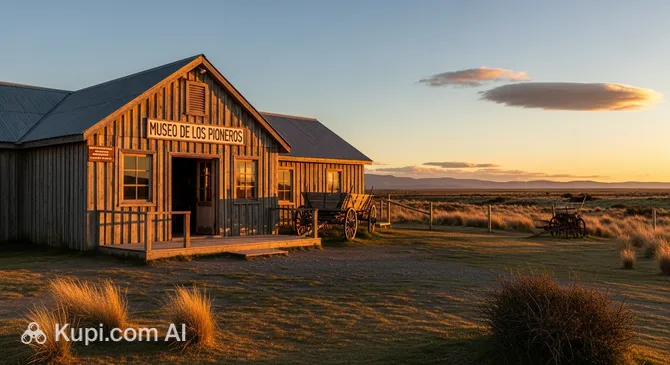
Pioneers Museum
Pioneers Museum. Иллюстрация. Источник: Kupi.com AI

Inside the museum, an authentic atmosphere of life at the end of the 19th and beginning of the 20th century is recreated. Six rooms spread across two floors are filled with original items: from vintage clothing and kitchen utensils to medical instruments. Each step on the creaky wooden floorboards enhances the sense of authenticity and allows you to touch the history of the southern frontier that Argentina is famous for.

The exterior of the estate is particularly striking — it's surrounded by a cozy garden, and one of the walls is decorated with a large-scale mural. It captures the scene of the first residents' arrival at the shores of the Río Gallegos river in simple tones, making the museum not just a repository of things, but a true symbol of identity for the region.

Contacts

The museum is conveniently located in the city center, and you can contact the staff for visit details by phone.

How to contactContact
AddressAlberdi, Z9400 Río Gallegos, Santa Cruz, Аргентина
Phone+54 2966 47-6594

What to Do

Visiting the museum offers guests an immersive experience exploring life in harsh Patagonia before 1900. You can explore the living rooms either on your own or accompanied by an enthusiastic guide. The rooms display antique sewing machines, cash registers, and even wood-burning stoves, creating a cozy domestic atmosphere from past centuries. Be sure to look into the medical office, which precisely recreates the workspace of a doctor who lived here over a hundred years ago.

The walls of the house, decorated with enlarged archival photographs, are also of great interest. They capture the first settler families against the backdrop of desolate landscapes, allowing for a visual comparison of the city's past and present. A collection of old money and documents adds an educational element to the visit, revealing the secrets of the economy at that time.

After touring the interior, it's worth stepping into the courtyard to admire the garden and examine the details of the mural depicting the life of farmers. This spot is perfect for a peaceful rest and atmospheric photos, allowing you to feel the quiet and charm of old Río Gallegos.

Getting There

The Pioneers Museum is located at Alberdi, Z9400, right in the heart of the city. Thanks to its central location, it is easy to reach on foot from major tourist routes, the city square, or the port. A walk through the quiet streets of this area will set a historical mood even before you enter the building.

If you are in more distant parts of the city, it is most convenient to use a taxi or local bus routes. For those traveling by rental car, there is usually parking available near the museum.

Travelers arriving from other regions, such as El Calafate, usually follow Ruta Nacional 40. Upon entering Río Gallegos, simply follow the signs to the historical center to find yourself at the doors of this remarkable wooden house.

Ближайший город: Rio Gallegos

History & Facts

The building that houses the museum today was built in the late 19th century. It is believed to have been constructed by the company Greenshilds, Redman and Woodman, as evidenced by the initials G.W.R. preserved on the wood. This is one of the oldest buildings in the city, miraculously preserved to this day.

The house's first famous resident was Arthur Fenton, who became the first doctor in Santa Cruz Province. Later, his brothers, also medical professionals, lived here and played an important role in the social life of the region. Interestingly, between 1892 and 1897, when the local government residence was damaged by fire, Governor Edelmiro Mayer temporarily governed the territory from within these walls.

In 1918, the building came into the possession of the Roque Parisi family, and for many decades it was known among locals as the "Parisi House". Only in 1989 did the municipal authorities decide to restore the dilapidated structure and turn it into the Pioneers Museum, to immortalize the memory of those who settled the rugged Patagonian lands.

Time Needed

For a detailed look at the exhibits of the Pioneers Museum, most travelers need between 40 and 60 minutes. This is quite enough time to leisurely walk through all six rooms, listen to the guide's stories, and explore the garden.

If you plan to carefully study the old photographs and linger at each exhibit, allow for a little over an hour. The museum is small, so a visit here will be an excellent addition to your main walk around the city without making the schedule too exhausting.

Working Hours

The museum is open to visitors daily, making it easy to include in any travel plan. The schedule is fairly stable, but we recommend checking for current information before visiting, especially if you plan to go on public holidays.

Usually, the museum welcomes guests according to the following schedule:

  • Monday, Tuesday, Saturday, Sunday: 10:00 AM to 6:00 PM;
  • Wednesday, Thursday, Friday: 10:00 AM to 5:00 PM.

DayWorking hours
понедельник10:00–18:00
вторник10:00–18:00
среда10:00–17:00
четверг10:00–17:00
пятница10:00–17:00
суббота10:00–18:00
воскресенье10:00–18:00

Nearby

After immersing yourself in the history of the first settlers, it's worth taking some time to walk around the neighborhood. The port area and central embankments offer several more interesting locations that will help complete your picture of this southern city's character.

NameDistance
Patagonia Refuge Rio Gallegos0.1 km
Roberto Galian Railway Museum0.3 km
La Cueva Pub0.4 km
Franoi0.9 km
General San Martín Square1.1 km
Pueblo Chico Show Bar1.3 km
Laguna Ortiz3.5 km

Reached the end of the page?

That means the route is fully explored