Support

Museo Maggiorino Borgatello

About

A deep dive into the harsh and mysterious history of the world's southernmost region is impossible without visiting this place. The Maggiorino Borgatello Museum is one of the oldest and most significant private museums in Chile. Founded in 1893 by Salesian missionaries, it has become a true treasure trove of the cultural and natural heritage of Magallanes and Antarctica.
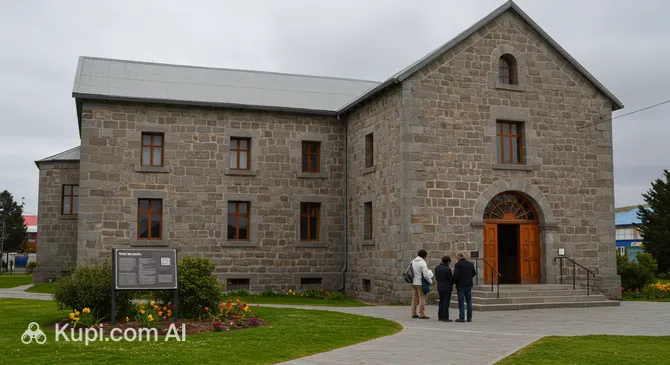
Maggiorino Borgatello Museum
Maggiorino Borgatello Museum. Иллюстрация. Источник: Kupi.com AI

Located in the city of Punta Arenas, the museum occupies an impressive two-story building with a modern annex, totaling 1,700 m². This is not just an exhibition of antiquities, but an in-depth exploration of ethnography, zoology, and paleontology. Here you can see everything from the mummified skin of a giant sloth—the Mylodon—to unique artifacts from the disappearing cultures of Patagonia.

Of particular value are the collections dedicated to indigenous peoples: the Selk'nam, Yaghan, and Kawésqar. The museum preserves their weapons, clothing, and the country's only cinematic material capturing their traditional way of life. For many travelers, the Maggiorino Borgatello Museum serves as their first and most striking introduction to the spirit of the "edge of the world."

Contacts

For more information about visiting or planning group tours, you can use the museum's official contact details.

How to contactContact
AddressAv. Pdte. Manuel Bulnes 336, Punta Arenas, Magallanes y la Antártica Chilena, Chile
Phone+56 61 222 1001
Websitewww.museomaggiorinoborgatello.cl

What to Do

Your journey through the museum begins across four levels, each dedicated to a different facet of Patagonian life. In the ethnography halls, be sure to notice the indigenous artifacts: hunting tools, jewelry, and replicas of rock paintings. Photographs from the late 19th century allow you to see the faces of the people who were once the rightful masters of these harsh lands.

Natural history enthusiasts should linger by the displays of paleontological finds. Here, rare exhibits are kept—coprolites and skin fragments of the Mylodon, found in the famous nearby cave. Mineral collections, taxidermy of local birds and animals provide a complete picture of the rich but fragile ecosystem of the southern latitudes.

In the historical halls, you will learn about the era of missionary work and the "gold rush." Examine the remains of the city's first wooden chapel and the personal belongings of Antarctic pioneers. It is important to remember that photography is prohibited in the museum, which creates a special atmosphere of contemplation and allows you to fully focus on the amazing details of the exhibition without being distracted by screens.

Getting There

Located in the heart of the historic center, the museum is situated at Av. Pdte. Manuel Bulnes 336, at the intersection with the busy Bories Street. The site is easily recognizable by the distinctive building adjacent to the Sanctuary of Maria Auxiliadora and a small square with a monument to President Manuel Bulnes directly in front of the entrance.

If you are staying in central hotels, the walk to the museum will take no more than 10–15 minutes. You can also walk from the city port, enjoying the sea breeze and the architecture of the old town. For those who prefer public transport, major bus routes pass nearby, and a taxi from anywhere in the center will get you there in just a few minutes.

For travelers arriving from the airport, which is about 20 kilometers from the city, it is most convenient to use a shuttle or a taxi. The trip takes about 20–30 minutes. Landmarks for the driver include the Don Bosco Institute or the main square, located just a few blocks away.

Ближайший город: Punta Arenas

History & Facts

The history of this unique collection began on September 18, 1893. The museum was founded by Salesian missionaries under the leadership of Father José Fagnano. The initial goal was to preserve and showcase the incredible cultural and natural diversity of the region, which the missionaries discovered during their work in southern Chile.

The museum was named after its first director, Father Maggiorino Borgatello. It was he and the naturalist Ángel Benove who laid the foundation of the collection, gathering ethnographic artifacts and specimens of local flora and fauna. For a long time, the exhibition occupied a modest 700 square meters, but in 1984, the area was significantly expanded to its current 1,700 square meters with a modern three-story annex.

For over a century, the Salesians have carefully preserved not only everyday objects but also unique photo and video materials documenting the lives of Patagonia's indigenous peoples in their natural environment. Today, the museum is considered the third oldest in the country and the primary guardian of Magallanes' heritage, bringing together stories of pioneers, the gold rush, and the first scientific expeditions to Antarctica.

Time Needed

To thoughtfully explore all four levels of the exhibition, covering the region's ethnography, history, and nature, most visitors need between 1.5 to 2.5 hours. The museum's collections are very dense and rich in detail, so if you are accustomed to carefully reading descriptions and studying small artifacts, it is worth setting aside a bit more time.

If your schedule is tight, you can do an express tour in about 1 hour, focusing on the main halls of the first floor, which feature exhibits dedicated to indigenous peoples and paleontological finds. In any case, this place is worth taking your time to feel the spirit of the rugged and beautiful Patagonia.

Working Hours

The museum welcomes visitors throughout the week, with the exception of Mondays and Sundays. The operating schedule is divided into morning and afternoon hours with a lunch break, which is typical for this region.

Opening Hours:
• Tuesday – Saturday: 10:00 AM – 12:30 PM and 3:00 PM – 5:30 PM
• Monday and Sunday: Closed

DayWorking hours
ПонедельникЗакрыто
Вторник10:00 – 12:30, 3:00 – 17:30
Среда10:00 – 12:30, 3:00 – 17:30
Четверг10:00 – 12:30, 3:00 – 17:30
Пятница10:00 – 12:30, 3:00 – 17:30
Суббота10:00 – 12:30, 3:00 – 17:30
ВоскресеньеЗакрыто

Nearby

Thanks to the museum's central location, a visit can easily be combined with a walk to other interesting spots in the city. The surrounding area is rich in both historical monuments and cozy establishments where you can discuss what you've seen over a cup of coffee or a traditional Patagonian dinner.

Exploring the nearby streets will allow you to dive deeper into the atmosphere of the port city and find hidden corners that often escape the average tourist's gaze.

NameDistance
Sanctuary of Mary Help of Christians0.1 km
Cemetery of Punta Arenas0.4 km
Be Happy Café0.6 km
Luan's Restaurant0.6 km
Shepherd Monument0.7 km
Sara Braun Palace0.8 km
Magallanes Regional Museum0.8 km

Reached the end of the page?

That means the route is fully explored