Support

Queenstown

About

Queenstown is a town with a rugged character and incredible charisma, located in the wild heart of western Tasmania. This is a place where industrial heritage meets the majesty of primeval nature, creating landscapes that cannot be found anywhere else on the continent. The town seems frozen in time, offering travelers a unique "Wild West" atmosphere and breathtaking views.

Geographically, the town is situated in a valley at the foot of the West Coast Range, surrounded by dense rainforests and rocky mountains. The population here is small, around 1,800 people, creating a sense of a cozy and close-knit community. The climate in this region is damp and cool, but it is the frequent rains that give the local waterfalls their power and the forests their rich emerald color. This is that "other" Australia, far from the stereotypical sunny beaches, but all the more alluring for it.
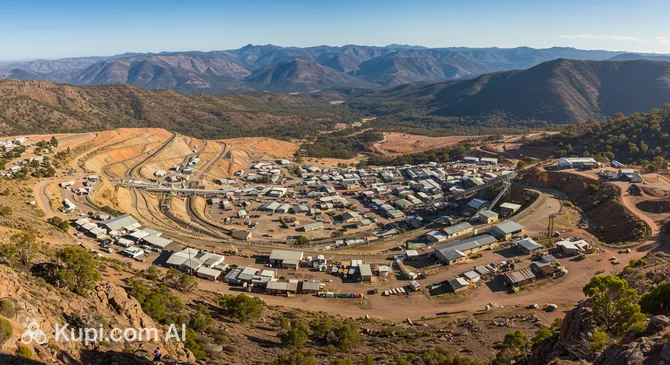
Queenstown. Illustration.
Source: Kupi.com AI

One of the town's most recognizable features is the "lunar" landscapes of the surrounding hills. Bare slopes, painted in shades of ochre, purple, and gray, create a fantastic contrast with the greenery of the surrounding areas. This unusual landscape is the result of decades of intensive copper mining and smelting. The dramatic history of Queenstown is inextricably linked with mining labor, which changed the face of this land forever, turning an ecological catastrophe of the past into a unique tourist attraction of the present.

Travelers are drawn to Queenstown by the opportunity to touch living history and test themselves. The main point of attraction is the legendary rack railway, which allows you to journey deep into the impenetrable jungle on an antique train. It is also worth visiting the "Iron Blow" lookout—a massive crater of an abandoned mine with turquoise water—and seeing the famous gravel football field, where grass never grows due to the unique soil characteristics.

A visit to Queenstown will be an unforgettable experience for those who appreciate off-the-beaten-path routes and rugged beauty. We recommend including this town in your Tasmania itinerary to see for yourself how nature is gradually reclaiming its territory from civilization, creating surprisingly harmonious pictures in the process.
Weather Overview

The weather in Queenstown perfectly matches the rugged and wild character of Tasmania's west coast. The climate here is temperate and damp, without extreme heat, but with frequent precipitation that feeds the dense surrounding forests. Expect mild summers with occasional rain and cool, damp winters.

The summer months (January and February) are the warmest time of year. The average temperature stays around 15°C, with daytime air warming to a comfortable 18–19°C, and cooling to 11°C at night. Even in this season, rain is not uncommon: precipitation falls on average 13 days a month. If you are planning a trip, detailed Queenstown weather information will help you choose the best dates, but you should always keep an umbrella or raincoat handy.

Winter (from June to August) is cool here. Daytime temperatures fluctuate in the 7–9°C range, while at night the mercury drops to 4–5°C. This is the period of maximum humidity: the number of rainy days reaches 21–23 per month. The shoulder seasons (spring and autumn) are characterized by a gradual change in temperatures from 8°C to 12°C, while rains occur quite often, creating that very mystical atmosphere for which this region is famous.

Average monthly temperature

Average monthly precipitation

Interesting Facts

Beyond its rugged beauty and industrial past, Queenstown hides many surprising details that often escape the average tourist's attention. This town is full of paradoxes and legends that make it a living monument to human resilience.
  • The toughest football field. The local Australian rules football stadium, known simply as "The Gravel," is a true legend. Due to toxic emissions from smelting furnaces in the past, grass did not grow here, and for decades matches were played directly on the hard gravel surface. This field is still in use today and strikes fear into visiting teams, while local players are considered some of the toughest in the country thanks to these conditions.

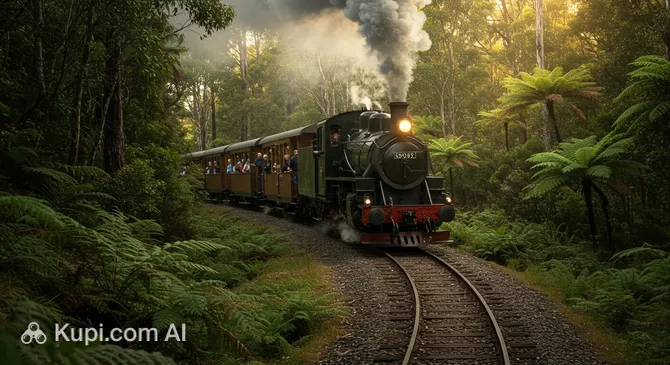
  • An engineering marvel in the jungle. The historic West Coast Wilderness Railway is unique in its design. It utilizes the rare Swiss Abt rack system with a third toothed rail in the middle of the track. It is this technology that allows the locomotives to "grip" the track and overcome the incredibly steep inclines and declines in the dense tropical forests that would be impassable for ordinary trains.

  • The paradox of the "lunar" heritage. The famous multicolored bare hills around the town are the result of an ecological catastrophe of the past, caused by deforestation for the furnaces and acid rain. Surprisingly, today this apocalyptic landscape has become a subject of debate: many believe it should be protected as a unique historical monument, preventing nature from fully restoring the greenery and hiding the traces of the industrial era.

  • The "99 Bends" road. The highway leading into town is known as one of Australia's windiest roads. This legendary stretch of path features over 90 sharp turns in a short section, making the trip to Queenstown a thrilling challenge for the vestibular system and a real adventure for drivers.

West Coast Wilderness Railway. Illustration.
Source: Kupi.com AI

Traveler photos:

How to Get There

A journey to Queenstown is a trip to the very heart of wild Tasmania. Since the town is located in a remote and mountainous region, it can only be reached by road, enjoying breathtaking views along the way. There is no direct air service to the town, so tourists usually fly into one of the island's major airports and then rent a car or take a bus. You can find more details on how to get to Queenstown and plan your ideal route.

The nearest transport hub to the town is Burnie-Wynyard Airport (IATA: BWT). There is no airport in Queenstown itself, but you can fly into this regional airport in the city of Burnie, which is approximately 121 km away. The journey from there by taxi or car will take about 3 hours and 20 minutes. This is a convenient option for those who want to shorten their ground travel time.

Many travelers also choose Hobart International Airport (IATA: HBA), located in the state capital, Hobart. This is the largest air hub in the region, handling numerous flights. It is located approximately 181.5 km from Queenstown. The path from here will be longer—about 4 hours and 50 minutes—but the road passes through picturesque locations, making the drive part of the adventure.

Another popular option is Launceston Airport (IATA: LST) in the city of Launceston. It is located 150.2 km from the destination. A car transfer will take approximately 4 hours. This airport is convenient for those planning to explore the northern part of Tasmania before heading to the West Coast.

For clarity, here is a summary of the main airports:

AirportPassenger trafficDistance
Burnie Wynyard Airport82 100121 km
Devonport Airport119 616125 km
Launceston Airport1.4 mln150 km
Hobart International Airport2.8 mln181 km
King Island Airport54 000282 km

Regarding rail travel, it is currently impossible to reach Queenstown by regular passenger train. The famous historic railway operates in the town, but it is a tourist attraction rather than a means of intercity transport. Therefore, the main modes of transport remain intercity buses and rental cars. The roads here are winding, especially the famous "99 Bends" section, so drivers are advised to be attentive and cautious.

Main Attractions

Attractions:

The main attractions of Queenstown are not classic museums or palaces, but living testaments to industrial history and the incredible power of nature. The town and its surroundings offer a unique set of locations that will take your breath away: here you can descend into the depths of ancient forests on a steam train or peer into the abyss of an abandoned mine.

The undisputed symbol of the region is the West Coast Wilderness Railway. This is not just transport, but a real journey through time via dense rainforests and steep gorges. The restored narrow-gauge railway, built at the end of the 19th century to transport copper ore, now allows tourists to travel along one of the most picturesque routes in the world. The unique Abt rack system helps the vintage steam locomotive overcome steep slopes, offering passengers views of rushing rivers and impenetrable jungle inaccessible by road.

West Coast Wilderness Railway. Illustration.
Source: Kupi.com AI

Traveler photos:

Another impressive site recalling the mining past is the Iron Blow Lookout. Located at the top of Gormanston Hill, it overlooks the massive crater of an abandoned open-cut mine. The bottom of the pit is filled with deep emerald water, creating a fantastic contrast with the bare, multicolored rocks around it. This site clearly demonstrates the scale of human impact on nature and possesses a unique, haunting beauty.

In the town itself, you cannot miss the legendary "Gravel" stadium. This active Australian rules football field is listed on the national heritage register and is famous for its hard gravel surface. Due to the operation of copper smelters in the last century, grass simply would not grow here, and local athletes had to play on stones. Visiting this stadium allows you to feel the rugged spirit of the locals, who could not be stopped by any difficulties.

For those who want to see the town's panorama as a whole, the Spion Kop Lookout is the perfect spot. From here, you get a magnificent view of Queenstown's streets, historical buildings, and the surrounding "lunar" hills. This is the best place to appreciate the valley's unusual landscape and take memorable photos at sunset, when the bare mountain slopes are painted in crimson tones.

Local Cuisine

The cuisine of Queenstown is a reflection of its rugged character and sincere Tasmanian hospitality. You won't find pretentious fine dining here, but you can confidently expect generous portions, the freshest local products, and simple yet incredibly delicious "comfort food" that perfectly warms you up after walks through the misty hills and rainforests.

The main gastronomic symbol of the entire island, which is a must-try here as well, is the famous Tasmanian Scallop Pie. This iconic dish consists of tender scallop meat in a fragrant curry sauce, baked in a crispy puff pastry. Also highly regarded by locals are classic meat pies and steaks made from superb grass-fed Tasmanian beef. Fish lovers will be offered "fish and chips," often featuring fresh local shark (flake) or the famous Atlantic salmon raised in the clean waters of the region.

Regarding drinks, Tasmania is famous for its quality alcohol. In Queenstown's pubs, be sure to order a pint of local lager from the island's oldest breweries—Boag's or Cascade. The region is also experiencing a boom in craft gin and whiskey production, so a tasting of Tasmanian single malt whiskey is a great way to end the day. Among non-alcoholic drinks, locals highly value quality coffee, the culture of which is as developed here as it is in major cities.

The dining culture in the town is centered around historic pubs and small cozy establishments. Having dinner in a Victorian-era hotel building is a true ritual, where food is accompanied by lively conversation with the locals. For a more relaxed lunch or morning coffee, Tracks Cafe is ideal. Located in the station building, it offers delicious homemade dishes and allows you to soak in the travel atmosphere while watching the vintage trains depart.

Travel Tips

Preparing for a trip to Queenstown requires special attention, as it is not a typical resort but a rugged land of wild nature and mining history in western Tasmania. To ensure your journey to this unique corner of Australia goes smoothly and leaves only pleasant impressions, we have gathered the most important practical recommendations for you.

  1. Clothing and Gear. The weather here is unpredictable and changes rapidly. Even in summer (December-February), be sure to bring a high-quality raincoat or waterproof windbreaker, as well as a fleece—the layering principle works best here. Shoes should be comfortable, closed-toe, and preferably hiking boots, as the ground is often damp and rocky. An umbrella is less effective here due to the winds; it is better to opt for good membrane clothing.
  2. Transport Nuances. There is no typical public transport or services like Uber in the town. The only way to move around comfortably and see the surroundings is a rental car. Be extremely careful when approaching the town: the "99 Bends" road requires high concentration and driving experience, especially in fog or rain. Allow more time for the journey than the navigator shows.
  3. Finances and Payment. The currency is the Australian Dollar (AUD). In most places (hotels, supermarkets, cafes), Visa and Mastercard are accepted. However, given the remoteness of the region, connections can sometimes be intermittent, so it is highly recommended to have cash for small expenses. There are ATMs in the town, but they are few. Tipping is not mandatory but appreciated (around 10%) if you truly enjoyed the service.
  4. Health and Pharmacies. Queenstown is a safe town, but medical services are basic. The pharmacy operates during standard hours (usually until 5:00 PM–5:30 PM on weekdays and is closed or has short hours on weekends); there are no 24-hour pharmacies. Be sure to bring a personal first-aid kit with necessary medications, motion sickness remedies (for the switchbacks), and insect repellent if you plan to walk in the forest.
  5. Communication and Internet. Be prepared for the fact that mobile network coverage in the mountains of western Tasmania can be unstable. The best coverage in this region is provided by Telstra; SIM cards from other providers may lose signal outside the town center. Wi-Fi is available in most hotels and cafes, but the speed may be lower than usual. We recommend downloading offline maps of the area in advance.
  6. Etiquette and Communication. Locals are open and direct people, proud of their mining heritage. It is customary to greet shopkeepers and staff; a simple "G'day" and a smile will suffice. Pubs have a friendly atmosphere, and it is perfectly normal to start a conversation with the person next to you at the bar. The dress code everywhere is extremely casual and everyday.
  7. What to Avoid. The main mistake tourists make is hoping for a late dinner. Do not put off going to a restaurant until late in the evening. Kitchens in local pubs and cafes often close as early as 8:00 PM, and finding food after that time will be extremely problematic. Also avoid driving on rural highways at night: wild animals (wallabies, wombats) often come onto the road after dark, creating a serious risk of accidents.
  8. Fuel Hack. Refuel your car at any convenient opportunity. Gas stations on the West Coast are rare, and they may close early in the evening (around 6:00 PM or 7:00 PM). Never leave town toward Hobart or Burnie with a half-empty tank.

Queenstown is a place where civilization yields to the elements, and proper preparation will allow you to enjoy this wild beauty without domestic inconveniences. By following these simple tips, you can feel confident and focus on the main thing—the incredible landscapes and the unique atmosphere of this region.

Entertainment & Nightlife

Entertainment and nightlife in Queenstown have their own unique flavor, far from the noise of major metropolises. Here you won't find the neon signs of trendy nightclubs or 24-hour discos. Evening leisure in this town is steeped in an old-school atmosphere, the comfort of historic buildings, and friendly conversation. This is a place where "nightlife" means a hearty dinner at a local establishment or a pint of beer in a century-old pub where you can hear legends from the locals.

The epicenter of evening activity is the town's main street—Orr Street. It is here that the majestic buildings of old hotels are located, which turn into the main points of attraction in the evenings. The atmosphere in the establishments is relaxed and casual. The crowd is a colorful mix of traveling tourists and locals, many of whom work in the mining industry. There is no dress code: comfortable clothes and even hiking boots will look perfectly appropriate.

For the start of the evening or a substantial dinner, Tracks Cafe is an excellent choice. This is a popular spot where you can not only eat well but also feel the rhythm of city life. After dinner, it's worth stopping by the bars in historic hotels, such as the Empire Hotel (famous for its magnificent Tasmanian blackwood staircase). Groups often gather there to discuss the day's events over a glass of local Tasmanian beer or wine.

When planning your evening, keep these important practical points in mind:

  • Opening hours: Queenstown goes to sleep early. Kitchens in restaurants and pubs often close as early as 8:00 PM–8:30 PM. The bars themselves may stay open longer, until 10:00 PM or midnight, but this depends on the number of patrons. Arrive early to ensure you don't go hungry.
  • Prices: The cost of dinner and drinks here is average for the state; a pint of beer will cost approximately 10-12 AUD.
  • Safety and transport: The town is very compact and safe. You can safely walk around the Orr Street area at night. Since distances are short, you'll unlikely need a taxi—most hotels are within walking distance. Services like Uber do not operate here.

During the day, the town's entertainment program shifts its focus from gastronomy to education and adventure. Culture lovers should check out the historic Art Deco-style Paragon Theatre, which sometimes hosts screenings of classic films and tours. But the main daytime entertainment is undoubtedly the legendary West Coast Wilderness Railway. This is a unique opportunity to immerse yourself in the region's history by riding an antique train through the jungle.

West Coast Wilderness Railway. Illustration.
Source: Kupi.com AI

Traveler photos:

Parks & Museums

The cultural and natural landscape of Queenstown is as unique as its history. Instead of manicured botanical gardens with flower beds, majestic wild forests and waterfalls await you here; and instead of huge museum complexes, you'll find atmospheric historic buildings preserving the memory of the mining past. The town serves as a gateway to one of the most pristine corners of the planet and offers intimate but incredibly interesting cultural venues.

Parks and Natural Areas

The main "park" of the region is the Franklin-Gordon Wild Rivers National Park, the boundary of which passes very close to the town. This is part of a UNESCO World Heritage site where you can see ancient rainforests, rushing rivers, and deep gorges. You don't have to go on a long hike to experience this nature: the popular trail to Horsetail Falls starts right at the entrance to the town. A short walk along a boardwalk leads to an observation deck offering stunning views of water cascading down the slopes of Mount Owen and a panorama of the valley.

Another important natural point is the Nelson Falls area, located a few minutes' drive east of Queenstown. An easy walk through a fairy-tale forest with giant tree ferns and mosses leads to a picturesque waterfall that is especially impressive after rain. This is the perfect place for those who want to feel the magic of the Tasmanian jungle without difficult trekking.

Museums and Galleries

The heart of the town's historical memory is The Galley Museum. It is located in the magnificent former Imperial Hotel building, built in 1897. The museum is famous for its unique collection of more than 800 historical photographs that detail the life of miners, the town's development, and the harsh working conditions on the West Coast. Here you can see personal belongings of the first settlers, antique tools, and household items, allowing for a deep immersion into the atmosphere of past centuries.

An equally significant site is the West Coast Wilderness Railway. Although it is an active attraction, the station in Queenstown essentially functions as a living open-air museum. Here you can examine original steam locomotives, learn about the Abt rack railway technology, and understand the engineering feat that was the construction of the tracks in these impenetrable forests.

Art lovers should stop by the Q Bank Gallery. This small but vibrant gallery is located on the main street in a former bank building. It provides space for local artists and artisans exhibiting works inspired by the rugged nature of Tasmania. Also noteworthy is The Paragon Theatre—a luxurious Art Deco building. Although primarily an entertainment venue, its interiors with a hand-painted floor are works of art and architectural monuments in their own right.

Insider Tip

If you find yourself at The Galley Museum, be sure to ask the curators to tell the story of the "orphans' room." The museum's collection is so extensive and specific that many exhibits only take on true meaning through the living stories of local enthusiasts who lovingly preserve their town's history.

Getting Around

The public transport system in Queenstown is organized quite differently from that in major tourist centers. Due to the town's compact size and its location in a sparsely populated part of the island, there are no subways, trams, trolleybuses, or typical city bus routes running at short intervals. The primary way for locals and tourists to move within the town is on foot or by private vehicle.

The only form of regular public transport is intercity buses, which connect Queenstown with other towns such as Burnie and Hobart. Services are operated by Tassielink, and they serve as the main "bridge" to civilization for those traveling without a car. It is important to note that these buses run on a strict schedule, often only a few times a week, so you need to plan your trip in advance.

Regarding payment for intercity buses, the most reliable option is pre-booking tickets online on the carrier's website. This guarantees a seat and allows you to pay by card. If you plan to buy a ticket from the driver, it is recommended to have cash, as payment terminals may not work due to unstable connections in the mountains. The fare depends on the distance and the travel zone.

As an alternative to public transport, renting a car is the absolute leader. It is practically a necessity for fully exploring the region, as many attractions are located outside the town. Taxi services do exist in Queenstown, but the fleet is very limited, and catching a car on the street is difficult—you must book a trip by phone in advance. Popular ride-sharing and car-sharing apps do not work here.

A special place in the "transport" system is held by the historic rack railway. However, it is important to understand that the antique steam train is exclusively a tourist attraction for excursions into the jungle, not a means of getting around town. For daily needs, it is best to rely on your own feet: the town center is very compact, and you can get from your hotel to the main street or a cafe in just a few minutes.

Accommodation

Accommodation in Queenstown is an opportunity to immerse yourself in the atmosphere of the past, as many places to stay here are located in restored historic buildings. You shouldn't expect to see bland corporate giants or ultra-modern glass-and-concrete skyscrapers here. The town's hotel stock consists primarily of cozy motels, budget backpacker hostels, bed and breakfasts (B&Bs), and classic Australian pub-hotels that offer lodging on the upper floors.

In terms of geography, choosing a neighborhood to stay in Queenstown is quite simple. The town is very compact, and most tourists prefer to stay in the immediate vicinity of the main artery—Orr Street. Staying in the center ensures that all key locations are within walking distance: the historic railway station, shops, galleries, and cafes. This is particularly convenient for those traveling without a car or who want to enjoy dinner at a local pub without worrying about the way back.

A feature of the local accommodation is its authenticity. You can stay in a majestic Victorian-era building with high ceilings and creaky stairs, where a bar operates on the ground floor and guest rooms are located upstairs. This allows you to feel like a part of the town's history. For those who prefer more modern amenities and quiet, there are tidy motels on the outskirts of the center with parking right at the door, which is very convenient for road trippers exploring the West Coast of Tasmania.

Price Range and Booking

Accommodation prices in Queenstown can be described as affordable and accessible. The budget and mid-range segments predominate here. There are no luxury resorts in the traditional sense, but some boutique hotels offer a higher level of comfort and unique interior designs. You can book a room through popular international online platforms, but many small motels and guesthouses also take direct bookings by phone or through their own websites, which can sometimes be more cost-effective.

Booking Tip

Despite Queenstown appearing to be a remote corner, during the peak tourist season (especially from December to February), demand for accommodation significantly exceeds supply. The town is a key stopping point for those traveling from Hobart to Strahan or Cradle Mountain. Therefore, it is strongly recommended to book your accommodation in advance—ideally several weeks or even months before your trip—to guarantee a comfortable place to stay after a long drive through the mountain switchbacks.

Nearby Cities

For those who want to explore the surroundings, Queenstown serves as an excellent starting point for journeys through Tasmania and trips to several interesting nearby locations. Given the nature of the island's mountain roads, some routes may take more time, but the views and atmospheric towns are well worth it.

One of the most accessible options is Burnie. This port city on the northwest coast is interesting for its industrial heritage intertwined with natural beauty. Here you can stroll along the waterfront, visit the Makers' Workshop arts center, or watch little penguins at dusk. Burnie offers a great contrast to the "lunar" landscapes of Queenstown, adding sea breezes and green parks to the journey.

Slightly further away is Launceston—one of Australia's oldest cities. It is famous for its magnificently preserved Victorian architecture and the famous Cataract Gorge, where wild nature meets civilization just steps from the city center. It is also the gastronomic hub of northern Tasmania, worth visiting for its excellent restaurants and local wines.

The state capital, Hobart, although located at a significant distance, is a key point of attraction. The city at the foot of Mount Wellington is known for its historic Salamanca Market and the provocative MONA museum of old and new art. A trip here is an immersion into the cultural heart of the island.

CityPopulationDistance
Strahan70021 km
Ulverstone14 109115 km
Burnie27 174118 km
Devonport23 046120 km
Smithton3 881142 km

These nearby destinations provide an insight into the region's diverse culture and landscapes. Traveling between them, you will be able to appreciate how varied Tasmania can be: from the rugged mountains of the west coast to cozy coastal towns and vibrant cultural centers.

Shopping & Souvenirs

General Overview

Queenstown is not the place to go for high fashion or large-scale shopping at global brand boutiques. Shopping opportunities here are quite limited and correspond to the town's size and remoteness. Shopping in Queenstown is more utilitarian and souvenir-oriented: here you can buy everything necessary for continuing a journey through wild Tasmania and find unique items that hold the spirit of the mining region's history.

Main Shopping Streets

The heart of the town's trade is Orr Street. It is on this historic street with its characteristic covered sidewalks that most commercial life is concentrated. Here you will find a pharmacy, a post office, a newsstand, and several small shops. A walk along Orr Street allows you to combine sightseeing of architectural landmarks with searching for useful trifles in a relaxed atmosphere, without the hustle and bustle of big cities.

Shopping Centers

There are no large shopping centers, malls, or department stores in Queenstown. The role of main shopping points is played by supermarkets (such as IGA) and small local stores. They provide residents and tourists with food, drinks, and basic household goods. If you require specialized hiking gear or clothing, it is better to take care of this in advance in the island's larger cities.

Souvenirs

Despite the modest selection of shops, Queenstown is a great place to buy authentic souvenirs. Special attention should be paid to items made from local minerals and copper, which recall the town's mining past. Also popular are crafts made from the precious Tasmanian Huon Pine—a timber with a unique aroma and texture that grows only in this region. In local galleries, such as the Q Bank Gallery, you can find paintings and ceramics by Tasmanian artists.

Special mention should be made of the souvenir shop located at the station from which the West Coast Wilderness Railway departs. It offers a wide selection of themed gifts: from high-quality clothing and books on railway history to unique local products. This is one of the best places in town to choose a memorable gift for yourself or loved ones.

Markets

Regular daily markets do not exist in the town. However, community markets are held periodically, where locals sell homemade baked goods, jams, knitted items, and plants. This is a great opportunity to chat with the townspeople and buy something made with heart, but the schedule for such events varies, so it is better to check on-site.

Opening Hours and Payment

Shops in Queenstown are typically open from 9:00 AM to 5:00 PM on weekdays. It is important to remember that hours may be reduced on weekends, and some small shops may be closed entirely, especially on Sundays. Bank cards (Visa, Mastercard) are accepted almost everywhere, including supermarkets and souvenir shops. Nonetheless, it is recommended to have some cash on hand for small expenses.

Tax Free

Australia operates a Tourist Refund Scheme (TRS) for tourists on purchases of 300 AUD or more in a single store. Given the specific nature of shopping in Queenstown, reaching such an amount on one receipt can be difficult unless you are purchasing artwork or jewelry. If the opportunity arises, remember to ask the merchant for a special tax invoice to present at the departure airport.

Reached the end of the page?

That means the route is fully explored