Support

George Town

About

George Town is a picturesque and cozy town located on the northern coast of Tasmania, right at the mouth of the Tamar River. This place possesses a special charm, blending the tranquility of provincial life with a rich maritime heritage. With a population of around 3,000, the town offers tourists a chance to take a break from the hustle and bustle of major cities and enjoy a slower pace of life.

For many travelers, it is corners like this that reveal the true spirit of the continent. If your itinerary includes Australia, be sure to dedicate some time to this region to see unique landscapes and experience the hospitality of the local residents.
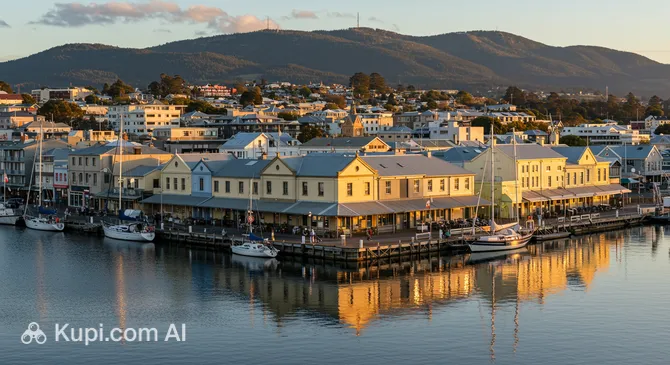
George Town. Illustration.
Source: Kupi.com AI

The town takes pride in its status as one of the oldest European settlements in the country. George Town's deep and eventful history can be traced through its colonial-era architecture and numerous monuments. Walking through the streets feels like a journey back in time, discovering pages of the past related to seafaring and the exploration of these lands.

Among the main attractions, the Bass and Flinders Centre, which houses replicas of historical vessels, and the scenic Low Head are worth highlighting. Low Head features an active lighthouse and a historic pilot station, but the area is especially popular for its evening tours to the little penguin colony. Watching these amazing birds in their natural habitat will be one of the most vivid impressions of a trip to George Town.

Weather Overview

The climate in George Town is temperate maritime, making it comfortable to visit almost any time of year. There is no extreme heat here, and winters pass without severe frosts, though they do require warm clothing. The warmest period is the Australian summer (December–February), when daytime temperatures on average reach 21°C, and the number of rainy days is minimal.

In winter, which lasts from June to August, it becomes noticeably cooler: average readings drop to 9°C, and at night the thermometer can show around 6°C. This is also the wettest season: in July and August, up to 13 days with precipitation per month are recorded. Expect moderately warm summers and cool winters with occasional rain, which most often falls as short-lived showers.

Spring and autumn serve as mild transition seasons with average temperatures ranging from 11°C to 16°C. To know exactly what to expect from the elements during your visit, we recommend checking the forecast, which provides a detailed breakdown of the weather in George Town by month.

Average monthly temperature

Average monthly precipitation

Interesting Facts

Beyond its main attractions, George Town holds many fascinating secrets and historical records that often escape the attention of average tourists. Here are a few facts that will allow you to look at this town in a new way:

  • The continent's third oldest settlement. George Town was founded in 1804, making it one of the earliest European settlements in Australia after Sydney and Hobart. Curiously, this small town appeared on the map earlier than metropolises like Melbourne or Brisbane.

  • A maritime record-breaker. The Low Head Pilot Station located here is the oldest continuously operating station in the country. It has been ensuring the safety of ships entering the treacherous mouth of the Tamar River since 1805—that's over two centuries of living maritime history.

  • The end of the peninsula legend. The local Bass and Flinders Centre houses an exact replica of the sloop "Norfolk." It was on the original vessel that explorers first circumnavigated Van Diemen's Land (now Tasmania), finally proving it was an island and not part of the mainland as previously thought.

  • The "Internet" of the 19th century. George Town was part of a unique optical telegraph (semaphore) system. Before the invention of electricity, messages were sent to Launceston using a system of masts and flags in just a few minutes. Today, tourists can see the restored station and learn how this high-speed communication of the past worked.

How to Get There

When planning a trip to northern Tasmania, it is important to think through the logistics in advance, as the island part of a country like Australia has its own transport peculiarities. You can find all available options and detailed routes on the page describing in detail how to get to George Town.

Since George Town is a small town, it does not have its own air hub. The nearest and most convenient point of arrival is Launceston Airport (IATA: LST), located in the city of Launceston, about 59 km from the destination. This is the optimal choice for most tourists:

  • By car or taxi: the trip along the scenic highway will take only 55–60 minutes.
  • By public transport: bus services exist, but they are less convenient for travelers with luggage. Considering transfers and schedules, the bus journey can take about 1 hour and 50 minutes.

Geographically, Devonport Airport (IATA: DPO) is very close to the town—the straight-line distance is only 34 km. However, there is an important nuance: the airport and George Town are separated by the wide mouth of the Tamar River. There is no direct crossing at this point, so you will have to take a detour via the Batman Bridge. Because of this, the actual travel time by car will be over 1 hour (about 75–80 km by road). This option is suitable if you are planning a road trip along the entire northern coast.

It is also worth mentioning Hobart International Airport (IATA: HBA), the main gateway to the state. It is located 200 km to the south. The drive from there will take about 2.5–3 hours but will allow you to see the island's changing landscapes.

Below is a summary of the regional airports:

AirportPassenger trafficDistance
Devonport Airport119 61634 km
Launceston Airport1.4 mln59 km
Burnie Wynyard Airport82 10093 km
Flinders Island Airport19 821150 km
Hobart International Airport2.8 mln200 km

As for rail travel, Tasmania's railways are focused on freight and tourist excursion trains in other parts of the island; there are no regular passenger services to George Town. Travelers are strongly advised to rent a car right at the arrival airport. The roads in the region are of good quality, traffic is moderate, and a personal vehicle will provide freedom to visit remote natural attractions.

Main Attractions

George Town is a true treasure trove for history buffs and fans of maritime romance. Most of the iconic sites in this part of Australia are inextricably linked to the ocean and the colonial past, offering guests a chance to immerse themselves in the era of great discoveries and the settlement of new lands.

Low Head Pilot Station Maritime Museum is a place not to be missed. Situated in a scenic area at the mouth of the river, this complex occupies the buildings of the oldest pilot station in the country. The museum houses a rich collection of navigational instruments, ship logs, and sailors' personal items. Tourists value this site for its authenticity and the fascinating stories of how pilots guided ships through the treacherous waters of the strait for two centuries.

Nearby stands the famous Low Head Lighthouse. The current tower, with its distinctive bright red and white stripes, was built in 1888 and has become one of the region's symbols. It is not only a historical monument but also a magnificent viewpoint. Travelers come here for breathtaking panoramas of the Bass Strait and the chance to take stunning photos, especially in the glow of the setting sun.

In the very heart of town is the Bass and Flinders Centre. This impressive museum is dedicated to the legendary explorers who proved that Tasmania is an island. The centerpiece is a magnificent replica of the sloop "Norfolk," which visitors can actually board. The interactive exhibition allows guests to feel like part of the discovery team and appreciate the conditions of maritime travel in the early 19th century.

For a deep dive into local history, it's worth visiting The Watch House. This 1843 building originally served as a place of remand. Today, the old cells have been transformed into exhibition halls where realistic installations recreate scenes from the town's past. Here, you can learn about the lives of convicts and early settlers, as well as visit a small art gallery.

If you want to combine history with a walk in the fresh air, head to the Mount George Semaphore Station. It is the only surviving station of its kind in Tasmania. In addition to seeing the reconstructed signal mast, tourists climb up here for the views: the observation deck offers perhaps the best panorama of the Tamar Valley and the George Town area.

Local Cuisine

The gastronomic scene in George Town is a direct reflection of its geographical location. The town sits at the confluence of a river and the ocean, so the freshest seafood plays the leading role in the local menu. A true culinary symbol of the region that every guest must try is the scallop pie. This is a hearty and warming dish where tender Tasmanian scallops are baked in puff pastry, often with a fragrant curry sauce.

It's impossible to imagine a holiday on the coast without classic fish and chips. Here, it’s not just fast food, but a ritual: the fish (usually flathead or trevally) is caught in the morning, fried in a golden batter, and served with hot chips. Locals recommend taking a portion to go and having lunch on the waterfront overlooking York Cove, enjoying the sea breeze.

George Town is located in the heart of the famous Tamar Valley, the state's oldest wine region. This makes the town an ideal starting point for tasting cool-climate wines. Local Pinot Noir and exquisite sparkling wines, which experts call some of the best in Australia, deserve special praise. For those who prefer other drinks, it’s worth trying Tasmanian craft cider, a reminder of the island’s status as the "Apple Isle."

The town has an atmosphere of cozy simplicity, so instead of pretentious restaurants, historic pubs and hotels are popular here. A traditional dinner in such a place is a "counter meal": large portions of local beef steaks, chicken parmigiana, or roasts. Such food pairs perfectly with friendly conversations in the authentic interiors of colonial buildings.

Travel Tips

A trip to George Town promises to be peaceful and filled with maritime romance. However, like in any other region of Australia, there are peculiarities you should know about in advance. To make your holiday as comfortable as possible and without unexpected surprises, we have gathered several important practical recommendations.

  1. Clothing and Climate. Tasmanian weather is famous for its variability, and winds from the Bass Strait can be piercing even on a sunny summer day. The main principle of outfitting is layering. Be sure to bring a windproof jacket, a fleece, and comfortable waterproof shoes for coastal walks. If you plan an evening penguin tour, a hat and scarf will come in handy even in December.

  2. Transport. Public transport in the town is limited and oriented mainly toward locals (rare buses to Launceston). The best way to get around is by rental car. This will give you the freedom to visit the lighthouse, remote beaches, and wineries at your own pace. Note that usual taxi apps (Uber and similar) work very unreliably here or are absent altogether.

  3. Sun Protection. This is a critically important point. The ozone layer over Tasmania is thinner than in many other parts of the planet, so the level of UV radiation here is extremely high. You can get sunburned in 15 minutes even in cool or cloudy weather. SPF 30+ sunscreen (or preferably 50+), a hat, and glasses are mandatory every time you go outside.

  4. Opening Hours. Remember that life in small provincial towns quietens down early. Most shops close by 5:00 PM. If you plan to dine at a restaurant, try to arrive by 7:30 PM, as kitchens in many establishments stop working quite early, and finding hot food later can be problematic.

  5. Finances. The currency is the Australian dollar (AUD). Bank cards are accepted almost everywhere, including museums and cafes, but having some cash for small purchases at Sunday markets won't hurt. Tipping is not a strict obligation here, but rounding up the bill or a small token of appreciation for excellent service is always welcome.

  6. Wildlife Etiquette. When watching penguins at Low Head, it is strictly forbidden to use flash photography or attempt to approach the birds. Bright light scares the animals and can damage their sensitive vision. Maintain silence and follow the guides' instructions.

  7. Water Safety. Be careful if you want to swim. The mouth of the Tamar River is known for strong tidal currents, which can be dangerous even for experienced swimmers. Swim only at protected beaches, such as Lagoon Bay, and always pay attention to warning signs.

  8. Connectivity and Internet. Wi-Fi is available in most hotels and cafes, but the speed may be lower than what you are used to in metropolises. Mobile connection works stably within town but may drop out on wild beaches and in national parks. For traveling around the island, a SIM card from Telstra is best, providing the best regional coverage.

By following these simple tips, you can avoid minor everyday inconveniences and fully focus on the beauty of the northern coast. May your trip to George Town be smooth and leave only the warmest memories!

Entertainment & Nightlife

Entertainment and nightlife in George Town have their own unique, quiet rhythm that perfectly matches the atmosphere of this small coastal town. You won't find noisy nightclubs with DJs, neon signs, or 24-hour discos here. Evening leisure in these parts consists of cozy gatherings in historic pubs, enjoying sunsets on the waterfront, and unhurried conversations with the locals.

The social heart of the town after sunset is centered around Macquarie Street and The Esplanade along the river. The atmosphere in the establishments is extremely relaxed: there is no dress code (casual style is perfectly fine), and the crowd is a colorful mix of local regulars and tourists traveling through Australia.

If you are looking for a place to have a drink and a hearty meal, check out the Pier Hotel. This is a classic Australian pub located in a historic building overlooking the harbor. It has a lively but friendly atmosphere, often broadcasts sports matches, and the menu is famous for excellent steaks and seafood. It’s an ideal spot to feel the true spirit of provincial life.

For a quieter and more measured evening, The Gray's Hotel is a perfect fit. This establishment is located in a building with a rich history and is well-respected by both visitors and locals. People come here for quality cuisine and a glass of Tasmanian wine in a pleasant, quiet setting. It’s an excellent choice for dinner or a peaceful conclusion to a busy day.

However, the main "night show" of the region is nature itself. The most popular evening activity, for which many people come here, is the Low Head Penguin Tours. Just after sunset on the beach near the lighthouse, an amazing spectacle begins: hundreds of little penguins emerge from the ocean and march to their burrows. This is the only place where "nightlife" is truly buzzing, albeit performed by feathered locals.

Practical tips for evening leisure:

  • Opening hours: Life in the town quietens down early. Pub and restaurant kitchens usually take orders until 8:00–8:30 PM. If you arrive later, you risk missing out on dinner.
  • Transport: Public transport does not run at night, and services like Uber are practically non-existent here. If you plan to drink, arrange a local taxi in advance or choose accommodation within walking distance of the center (The Esplanade).
  • Safety: George Town is an exceptionally safe place. You can safely walk along the waterfront at any time. The only challenge might be the lack of lighting on some streets, so a phone flashlight will come in handy.

During the day, the town offers more relaxed activities. Active travelers can visit the local golf club with its scenic views of the Tamar River. For those who prefer walking, the Kanamaluka Trail is a picturesque path along the shore, perfect for cycling or a leisurely stroll. Fishing from the piers is also popular in the area; here, it’s not just a hobby, but a way of life.

Parks & Museums

The cultural and natural landscape of George Town is inextricably linked to its maritime past and its scenic location at the mouth of the Tamar River. The town and its surroundings offer tourists a harmonious blend of well-kept historic parks, wild coastal reserves, and small but insightful museums that carefully preserve the memory of the first settlers and explorers.

Among the green zones, Regent Square holds a special place. It is the heart of the town and one of the oldest public parks in the country, established back in 1811. Today, it is an ideal place for family leisure: it is equipped with BBQ areas, modern playgrounds, and shaded alleys of century-old trees. The park serves as the main venue for town festivals and markets, allowing guests to immerse themselves in the unhurried rhythm of local life.

For lovers of panoramic views and light trekking, the Mount George Conservation Area is a must-visit. It is not just a natural area, but also a historical site. Climbing to the top of the hill through eucalyptus forest, you will find yourself at the historic Semaphore Station. From here, breathtaking views of the valley, the river, and Bass Strait open up, and the surrounding nature gives you a chance to meet local inhabitants—wallabies and echidnas.

Another important natural area is the Low Head Coastal Reserve. Located just a few minutes' drive from the center, it offers scenic walking trails along the rocky coast. This is a place where the power of the ocean meets the land, creating dramatic landscapes perfect for photography and meditative walks to the sound of the waves.

The town's museum scene, though compact, deserves close attention. The Bass and Flinders Centre is a tribute to great geographical discoveries. The collection's main pride is a full-size, seaworthy replica of the sloop "Norfolk." Visitors can do more than just view the vessel; they can climb aboard to personally appreciate the conditions in which explorers made their legendary voyages around Tasmania.

Equally interesting is The Watch House museum, located in a former 1843 gaol. The exhibition here focuses on the social history of the region and the lives of people who lived here in the 19th century. The atmosphere of the old cells, complemented by detailed models and historical artifacts, allows you to vividly imagine the life of convicts and the first free settlers. Temporary exhibitions by local artists are also often held here.

Those looking for authentic experiences are advised to walk the trail along York Cove at sunset. This is a less crowded route than the central waterfront, but it's here that you can enjoy the silence, see black swans, and feel the true peace that Australia is famous for away from the metropolises.

Getting Around

The public transport system in George Town fully reflects the quiet and measured way of life in this small town. There is no metro, trams, or the complex network of routes typical of metropolises. The transport infrastructure is simple, understandable, and primarily focused on the connection with the nearest major center—Launceston—as well as serving school and basic social needs of the local population.

The main form of public transport is regional buses. Regular communication with Launceston is provided by private operators (for example, East Tamar Bus Lines). Buses run several times a day, following a scenic route along the Tamar River. Stops in George Town itself are located on central streets, making them easily accessible for tourists. However, there are practically no inner-city routes that circulate exclusively through the town's streets.

Regarding the payment system, it is quite conservative here. Unlike state capitals where universal smart cards are used, the most reliable way to pay on Tasmania's regional routes remains purchasing a ticket from the driver upon boarding. It is recommended to always have cash (preferably small bills and coins), as bank card terminals may not be available on all buses or may work intermittently due to connectivity quality on the road.

An important feature for travelers is the schedule. The frequency of trips significantly decreases on weekends and public holidays, and in the late evening, bus service stops completely. Tourists are strongly advised to check the current schedule in advance on the Transport Tasmania website or with the operator to avoid being in a situation where the last bus has already left.

As an alternative to public transport, you can use local taxi services. It's worth noting that popular international ridesharing apps practically do not function in George Town or have an extremely small number of cars. It’s better to book a car by phone through a local service dispatcher, and it’s worth doing this in advance, especially if you are planning a trip in the evening or early morning.

Given the town's compactness and flat terrain, walking or cycling are excellent ways to get around. Most attractions, cafes, and shops in the center are within walking distance of each other. For trips to remote places, such as the Low Head Lighthouse or beaches, a rental car remains the optimal choice, providing complete independence from the modest local transport schedule.

Accommodation

The choice of accommodation in George Town perfectly reflects the character of this quiet coastal town: you won't find high-rise chain hotels or luxury five-star resorts here. Instead, Australia in this region offers tourists comfort, a homely atmosphere, and a chance to touch history. The main room stock is represented by classic motels, bed and breakfasts (B&Bs), apartments, and restored historic cottages.

Where to stay: areas and features

Accommodation options can be divided into two main zones, each with its own advantages:

  • Town Center and Waterfront. This is where mid-range motels and historic hotel-pubs are concentrated. This is the most convenient option for those who want shops, cafes, and supermarkets close at hand. Staying here will allow you to take evening walks along the Tamar River without worrying about transport.
  • Low Head. Located a 5-7 minute drive from the center, this area offers a unique stay experience. Here you can rent cottages that once served as homes for pilots and lighthouse keepers. This is the choice for romantics and nature lovers who want to fall asleep to the sound of the ocean and watch penguins literally at their doorstep.

Camping and Road Trips

Since Tasmania is a popular destination for road trips, George Town has a well-developed infrastructure for caravanning. Local Holiday Parks offer not only sites for motorhomes and tents but also comfortable cabin accommodations. This is generally the most budget-friendly way to stay, while still providing access to kitchens, laundries, and BBQ areas.

Prices and Booking

The price range in the town can be described as moderate. The cost per night here is usually lower than in major tourist centers like Hobart or Launceston. Most properties fall into the budget and mid-range segments.

  • Budget: camping spots and simple pub rooms.
  • Mid-range: standard motel rooms and small apartments.
  • Higher end: renting entire historic cottages or waterfront homes with views.

Booking advice: Although George Town is not as overcrowded with tourists as state capitals, during the peak season (December–February) and during school holidays, the best options are booked up quickly. It is highly recommended to book accommodation 1–2 months before your trip, especially if you are interested in the unique historic cottages at Low Head. Both popular international online platforms and direct websites of local accommodation providers are suitable for booking.

Nearby Cities

For those who want to explore the surroundings, George Town serves as an excellent starting point for day trips to several interesting nearby places. The town's location in northern Tasmania allows for relatively quick access to the island's key tourist centers.

The most popular destination is Launceston—the state's second-largest city. The trip there takes less than an hour, providing access to the famous Cataract Gorge, magnificent city parks, and fine dining restaurants. This is an ideal option for those who want to combine nature with urban comfort.

If you are ready for a longer journey, you can head south to the island's capital—Hobart. The drive takes about 2.5–3 hours each way but allows you to see the famous Salamanca Market, Mount Wellington, and the unique MONA museum. Also of interest is a trip west along the coast toward the city of Burnie, known for its gardens and the chance to see platypuses in their natural environment at the Fern Glade Reserve.

CityPopulationDistance
Devonport23 04641 km
Launceston106 15345 km
Ulverstone14 10955 km
Scottsdale2 37358 km
Burnie27 17478 km

These nearby destinations provide an insight into the diverse culture and landscapes of the region, from historic city centers to scenic coastal roads.

Shopping & Souvenirs

Shopping in George Town is more of a practical and souvenir-oriented nature, fully in line with the relaxed pace of life in this small coastal town. Tourists shouldn't expect large shopping centers, high-fashion boutiques, or bustling malls here. Local trade is focused on providing residents and guests with everything necessary for a comfortable stay and further travel around the island.

The main retail activity is concentrated along the main street—Macquarie Street. Here you will find small private shops, pharmacies, bakeries, and newsagents. It's a great place to buy fresh newspapers, beach gear, or restock on medicines. The atmosphere in such shops is very friendly, and owners are often ready to chat with visitors, sharing the latest local news.

For those traveling through a country like Australia in a rental car or motorhome, it's important to know about grocery options. Chain supermarkets (such as Woolworths and IGA) operate in town, offering a wide range of products, fresh vegetables, meat for BBQ, and household goods. Prices here are standard and do not differ from the state average, so tourists often stock up here before heading to more wild and remote corners of the northern coast.

Souvenirs deserve special attention. Given the region's rich maritime history, the best keepsakes can be found in museum gift shops, particularly at the Low Head Pilot Station Maritime Museum. They sell quality books on maritime history, ship models, themed textiles, and products by local artisans. Such items carry a piece of Tasmania's unique atmosphere and will be a great reminder of the trip.

Antique and vintage enthusiasts should check out local thrift shops (Op Shops). In small Tasmanian towns, you can often find real treasures in such places: from antique English-made crockery to rare books and colonial-era trinkets at very affordable prices.

When planning your shopping, be sure to consider the opening hours. As in all of provincial Tasmania, shops in George Town close quite early. Most outlets stop working at 5:00 PM or 5:30 PM, and on weekends the schedule may be even shorter. Large supermarkets stay open longer (usually until 9:00 PM or 10:00 PM), which saves late-arriving travelers.

If your goal is extensive shopping with visits to brand-name clothing stores, electronics, or jewelry salons, it’s better to plan a trip to nearby Launceston. The drive takes less than an hour, but the choice of goods there is incomparably larger, as it is the state's second-largest city.

Reached the end of the page?

That means the route is fully explored