Support

St Helens

About

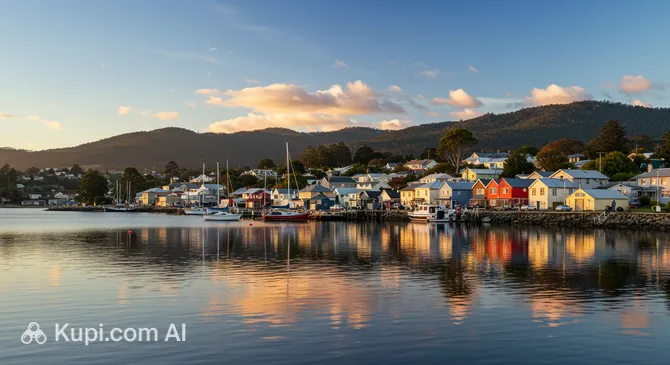
St Helens is a charming coastal town nestled on the northeast coast of Tasmania. Located in the picturesque Georges Bay, it serves as the administrative center of the municipality and is considered one of the best places to experience the marine beauty that Australia is so rich in. Thanks to its unique location, the town offers guests stunning views of the Tasman Sea and access to magnificent beaches.

St Helens. Illustration.
Source: Kupi.com AI

Despite its compact size and a population of about 2,041 people, St Helens is an important and lively regional hub. The town has long earned a reputation as the fishing capital of Tasmania; however, the history of St Helens is not just about industry, but also the development of a cozy tourist destination. There is an atmosphere of peace and tranquility here, characteristic of small coastal settlements, providing all the necessary services for a comfortable stay.

Travelers are drawn here primarily by the natural attractions. The St Helens Point Conservation Area deserves special attention, famous for its untouched landscapes and impressive dunes. Active leisure enthusiasts will appreciate the opportunities for fishing and walking along the white sandy beaches. St Helens is a must-visit for anyone seeking an authentic experience and wishing to enjoy the beauty of nature away from busy tourist routes.

Weather Overview

The climate in this region is mild and temperate, making travel comfortable in almost any season. Summers are warm and pleasant: the hottest month is January, when the air warms up to an average of 21.3°C. Winters are cool but without severe frosts; in July, the coldest month, the average temperature is around 8.4°C, and nights can be crisp with a minimum of around 5-6°C.

When planning your trip, keep in mind that the weather in St Helens involves regular precipitation throughout the year. The number of rainy days varies from 8 in May to 14 in October, so an umbrella or raincoat will not be out of place in your luggage. Expect a comfortable summer with occasional rain and cool winters with moderate humidity.

Average monthly temperature

Average monthly precipitation

Interesting Facts

St Helens possesses unique features that make it special even among other picturesque corners of Tasmania. Travelers should pay attention to the details that create the unique atmosphere of this place.

  • The Swimcart Beach Phenomenon. Located near the town is the stunning Swimcart Beach, known for its extraordinarily soft sand and crystal-clear water. This coastline is considered one of the most beautiful on the island and regularly appears on lists of the best beaches that Australia is proud of.

  • The Cultural Heart of the Region. Despite its modest size, St Helens is an important center for community life in the northeast. Colorful festivals and celebrations are often held here, introducing guests to local traditions and highlighting the rich heritage of the region.

How to Get There

When planning a trip to this scenic corner of Tasmania, it's important to think through the logistics beforehand, as the town is located away from major metropolitan areas. You can find more details on how to get to St Helens by exploring all available routes, but for most tourists, the primary method remains flying to one of the island's airports followed by a trip by car or bus.

The nearest major transport hub to the town is Launceston Airport (IATA: LST). It is important to note that there is no airport in the town of St Helens itself, so you will need to fly into Launceston, which is about 90 km from St Helens. This is a significant regional hub with a good flow of passengers. The journey from the terminal to the coast by taxi or transfer will take approximately 2 hours and 35 minutes.

For those who prefer more flight options, Hobart International Airport (IATA: HBA) is an excellent choice. It is the state's largest airport, located in Hobart, 179 km from St Helens. Although the drive from here will be longer—expect approximately 4 hours and 50 minutes—this option is often chosen due to the extensive range of flights.

You can also consider flying via Devonport Airport (IATA: DPO). It is located in the town of Devonport, 153.5 km from your destination. This is a small regional airport, and the drive from it to St Helens will take about 4 hours and 10 minutes.

For convenience, here is a summary of the main airports:

AirportPassenger trafficDistance
Launceston Airport1.4 mln90 km
Flinders Island Airport19 821138 km
Devonport Airport119 616153 km
Hobart International Airport2.8 mln179 km
Burnie Wynyard Airport82 100214 km

Main Attractions

St Helens serves as the perfect starting point for exploring some of Tasmania's most impressive natural wonders. The town and its surroundings offer a variety of experiences: from quiet strolls along white-sand beaches to breathtaking bike trails and immersion into local history.

The absolute magnet for travelers is the famous Bay of Fires, which begins just north of the town. This place is known worldwide for its granite boulders covered in bright orange lichen, creating an incredible contrast with the turquoise waters and white sand. A walk along the coastline here is an opportunity to take postcard-perfect photos and enjoy the pristine natural beauty Australia is famous for.

In the immediate vicinity of the town lies the picturesque Binalong Bay. This is an ideal spot for those seeking a relaxing break by the water. The bay attracts snorkeling and diving enthusiasts due to the clarity of the water and the richness of the underwater world. Here, you can have a picnic overlooking the ocean or simply enjoy the sound of the surf while watching the local seabirds.

For those who prefer active recreation, the St Helens Mountain Bike Trails will be a true discovery. The network of routes for various skill levels winds through scenic forests and descends to the coast, offering cyclists a unique combination of physical activity and aesthetic pleasure. The trail that provides unforgettable ocean views during the descent is particularly popular.

To better understand the culture and past of this region, it is worth visiting the St Helens History Room. The museum's exhibits fascinatingly tell the stories of the tin rush era, the development of fishing, and the lives of the first settlers. It houses unique artifacts and photographs that allow you to look at the town's history not as dry facts, but as a living chronicle of human destinies.

Local Cuisine

The cuisine of St Helens is a real feast for seafood lovers, as the town's gastronomic culture has been heavily influenced by its coastal location. The foundation of most local menus is the freshest seafood, which arrives at the table literally hours after being caught. Tourists should definitely try the famous Tasmanian sea perch, whose flavor local chefs bring out with special skill, as well as oyster, lobster, and scallop delicacies.

In the town, you can find interesting combinations of culinary traditions. For example, Trimboli's Pizzas, a popular spot among locals and visitors, offers guests not only classic Italian cuisine but also unique signature pizzas topped with local seafood. This is a great chance to try a familiar dish with a new "Tasmanian" twist.

Small farmers' markets hold a special place in the local food culture. People come here not just for fresh fruit, vegetables, and homemade cheeses, but also for social interaction. The markets serve as a center for social life, where you can immerse yourself in an authentic atmosphere and meet local producers. This is an ideal option for those who prefer street food or want to have a picnic on the coast with high-quality local products.

The gastronomic portrait of the town would be incomplete without mentioning drinks. Fans of oenology and brewing should pay attention to the products of regional producers. St Helens restaurants and bars feature a wide range of excellent Tasmanian wines and craft beers from local microbreweries, which perfectly complement seafood dishes.

Travel Tips

A trip to St Helens promises to be unforgettable if you prepare for the unique features of this cozy Tasmanian town in advance. We have gathered a list of practical recommendations to help you avoid minor inconveniences and focus on your holiday.

  1. Clothing and Equipment. The weather in Tasmania is changeable, so dress in layers. Even in summer, you will need a windproof jacket or a fleece for evenings by the ocean. Be sure to bring comfortable trekking shoes for walking on the rocks at the Bay of Fires and a high SPF sunscreen—the ozone layer is thinner here, and the sun is very strong even on cloudy days.
  2. Transport. Public transport in the region is poorly developed and suitable only for intercity travel. For comfortable movement around St Helens and its surroundings, renting a car is highly recommended. This will give you the freedom to visit remote beaches and viewpoints that buses do not reach.
  3. Finances. The official currency is the Australian dollar (AUD). Bank cards are accepted almost everywhere, including restaurants and supermarkets. However, it's worth having some cash for purchases at local farmers' markets or small seafood stalls. Tipping in the country that is Australia is not mandatory, but rounding up the bill for good service is appreciated.
  4. Health and Safety. St Helens is a safe town, but when walking in nature (the bush), watch your step to avoid disturbing snakes, which are active during the warmer months. Pharmacies follow standard hours and close in the early evening; there are no 24-hour ones. The emergency services number is 000.
  5. Communication and Internet. The primary language is English. There is good mobile coverage in the town, but the signal may drop in remote bays. For traveling around Tasmania, a Telstra SIM card is best, as it has the widest regional coverage. Wi-Fi is available in most cafes and hotels, but speeds may be lower than in major cities.
  6. Local Etiquette. Australians are very friendly and informal. It is common practice to greet bus drivers when boarding and shop assistants. A simple "G'day" helps to establish contact. Also, cleanliness in nature is taken very seriously here: leaving trash on the beach or in the forest is considered a serious breach of social norms.
  7. What to Avoid. Avoid driving at high speeds at dusk, dawn, and night. This is when Tasmanian wildlife (wallabies, wombats, possums) comes out onto the roads in large numbers, and the risk of collision is very high. Be extremely careful on rural highways.
  8. Gourmet Tip. Don't buy oysters and fish in supermarkets if you have the chance to visit specialized "fish punts" (seafood stalls) at the wharf. In St Helens, seafood is sold straight from the boats or at farms—this guarantees a freshness and flavor that cannot be found in regular stores.

We hope these tips help you plan the perfect trip. St Helens is a place where you can slow down and enjoy the moment, and now you are fully ready to experience this amazing region!

Entertainment & Nightlife

Nightlife in St Helens has its own unique charm, distinct from the noisy parties of major metropolises. You won't find multi-story nightclubs with neon signs here. Evening leisure in this town is primarily about the cozy atmosphere of traditional venues, lively conversation with locals, and relaxed rest after a day spent in nature. Most activity is concentrated in the center, but interesting spots can be found beyond Cecilia Street.

One of the most popular places for evening relaxation is the Bayside Hotel. This is a classic Australian pub and bistro with a friendly atmosphere. Here, you can not only have a pint of cold beer or a glass of wine but also enjoy a hearty dinner with a view of the bay. The dress code is very casual: informal style is welcome everywhere, and you will feel comfortable even in shorts. The crowd is usually mixed: local fishermen and farmers sit alongside tourists who have come to see how Australia lives away from its capital cities.

For those seeking more modern entertainment, Easy Tiger is a real find. This unique venue combines a brewery with excellent craft beer, a cozy beer garden, and even a cinema. Unlike many small towns where cinemas are absent, here you can combine a tasting of local drinks with watching current films. It's a great place to spend an evening with friends or family, discussing the day's impressions in a stylish setting.

When planning an evening out, keep the local rhythm of life in mind. Kitchens in most establishments close quite early, around 8:00 PM – 9:00 PM, though bars may stay open until midnight or a bit later on Fridays and Saturdays. Prices for drinks and food are average: a glass of beer will cost approximately 10–12 AUD. On weekdays, the town goes to sleep early, and after 10:00 PM, the streets become very quiet.

In terms of safety, St Helens is a very peaceful place. The crime rate is extremely low, and nighttime walks along the well-lit central streets pose no threat. However, it's worth remembering the transport issue: familiar services like Uber don't operate here, and catching a taxi on the street at night is almost impossible. If your accommodation is far from the center, arrange a transfer in advance or book a local taxi by phone during the day.

Regarding cultural leisure, art lovers can visit local exhibition spaces. The Suncoast Gallery on Quail St deserves special attention. The gallery presents the work of regional artists and artisans, providing a wonderful opportunity to see Tasmania through the eyes of creative people. While there are no large theater venues in town, the presence of the cinema at Easy Tiger and occasional events at community centers ensure guests won't be bored.

Parks & Museums

St Helens is not only a gateway to famous beaches but also a town with rich greenery and a carefully preserved history. For tourists wishing to alternate beach relaxation with educational walks, there are scenic natural areas and cultural venues that tell the story of the region's past.

One of the main natural gems within the town limits is the Humbug Point Nature Recreation Area. This park is ideal for those who want to enjoy the silence of eucalyptus forests and watch the birds. Several convenient walking trails are laid out here, leading to secluded bays with views of Georges Bay. This spot is particularly popular among fans of picnics and leisurely walks in the fresh air.

Another important green location is the St Helens Point Conservation Area. While it is known for its beaches, the majestic Peron Dunes deserve separate attention. This is a unique landscape where massive sand mounds meet the ocean. The location attracts not only photographers but also sandboarding enthusiasts. A walk here allows you to feel the power of the elements Australia is famous for and see rare species of coastal plants.

The cultural life of the town centers around its historical heritage. The St Helens History Room takes center stage. This is more than just a museum: the exhibition provides a deep dive into the tin rush era and tells the story of the "Trail of the Tin Dragon." Of particular interest are the collections dedicated to Chinese miners, who made a huge contribution to the region's development, as well as marine artifacts illustrating the town's transformation into a fishing capital.

Art lovers should look into small private initiatives, such as the Gone Rustic Studio and Gallery. This atmospheric space hosts exhibitions of textile art and various workshops. Unlike formal academic museums, it has a homey and creative atmosphere, allowing you to chat with local artisans and see modern interpretations of Tasmanian crafts.

In terms of architecture, St Helens is interesting for its preserved buildings from the late 19th and early 20th centuries, which can be found in the town center. They are a reminder of the colonial settlement era and provide a cozy backdrop for urban walks.

Insider Tip: If you want to see nature through the eyes of the locals, go for a walk along the trail to Pelican Point at sunset. This is a less publicized spot than the Bay of Fires, but it's where you can see flocks of black swans and pelicans in the rays of the setting sun, enjoying absolute silence.

Getting Around

Given the compact size of St Helens and its status as a small coastal town, travelers should not expect the developed public transport system typical of large metropolises. There is no metro, no trams, and not even regular municipal bus routes running through the streets at short intervals. The town center and the main shopping street can easily be explored on foot in a short amount of time.

The only significant form of public transport connecting St Helens with the "mainland" is regional buses. The main operator on this route is Calow's Coaches, which runs regular services connecting the town with Launceston and other settlements along the east coast. It is important to note that buses run infrequently (usually once or twice a day and not every day of the week), so schedules should be studied in advance on the carrier's official website or at the tourist information center.

The fare payment system here is as simple as possible. You won't need complex transport cards or validators. Tickets for intercity buses can be purchased directly from the driver upon boarding for cash or, in some cases, by credit card. However, the most reliable option for a tourist is to pre-book a ticket online, especially during the high summer season when seats may be limited.

For comfortable travel around the surroundings and visiting famous beaches like the Bay of Fires, it is highly recommended to use a rental car. This is the primary mode of transport for most visitors to the region. It is best to look for car rental agencies in the major cities of arrival, as the choice of vehicles in St Helens itself may be limited and prices may be higher than average.

As an alternative to personal transport, a local taxi service operates in the town. Please note: popular ride-sharing apps (Uber and similar) do not function in St Helens. You cannot hail a taxi on the street with a wave of your hand; the trip must be booked by phone in advance. The taxi service may operate on a limited schedule, so transfers for early morning or late evening should be arranged well ahead of time.

For active leisure enthusiasts, a bicycle is an excellent option. Given the proximity to world-famous mountain bike trails, a two-wheeled transport culture is well-developed in the town. Bicycles can be rented at specialized shops in the center; it's a convenient way to reach the nearest bays and viewpoints, combining transport with physical activity.

Accommodation

Accommodation in St Helens offers a cozy atmosphere and is primarily geared toward nature lovers and those seeking a quiet getaway. You won't find massive high-rise hotel chains here; the local options consist of classic motels, charming bed and breakfasts (B&Bs), and well-equipped holiday parks. The latter are particularly popular in the region, as they offer a wide range of choices: from budget camping spots to comfortable self-contained cottages with all amenities.

When choosing an area, you should focus on your plans and your mode of transport. Most tourists prefer to stay in the town center, within walking distance of the main street, Cecilia Street, and the waterfront. This provides easy access to supermarkets, restaurants, and the tourist information center. For those seeking seclusion and luxury ocean views, apartments and holiday homes in the Binalong Bay area, located just a 10–15 minute drive from the center of St Helens, are an excellent choice.

In the traditional hotel service category, travelers often choose properties located along the shores of Georges Bay. These hotels and motels usually offer rooms with panoramic water views, allowing you to admire magnificent sunrises right from your own balcony or terrace. The level of service here generally matches a solid middle class: clean, functional, and with an emphasis on the hospitality Australia is famous for.

Booking Tip: St Helens is an extremely popular destination for domestic tourism, especially during the summer months (December to February) and Easter holidays. The best accommodation options, particularly family cottages and rooms with sea views, are often booked out 3–6 months in advance. If your trip falls during the peak season, it is highly recommended to arrange your stay well ahead of time.

Prices in the town range from budget to above average. Hostels and campgrounds remain the most affordable, while private villa rentals and boutique apartments belong to a higher price category. Booking is available through all major international online platforms, but many local motels and holiday parks welcome direct booking through their websites, sometimes offering better rates or special cancellation terms.

Nearby Cities

For those looking to explore the surroundings, St Helens serves as an excellent base for day trips to several interesting nearby locations. The town's location on the east coast allows for relatively quick travel to major cultural centers and other scenic spots in Tasmania, trading the tranquility of the beaches for a city rhythm or mountain landscapes.

One of the most popular destinations for a short trip is Launceston. It is the state's second-largest city, located less than two hours away. Tourists go there to walk through the famous Cataract Gorge, visit museums, and enjoy the magnificent Victorian architecture. The city is also famous for its parks and gastronomic scene.

If you are up for a longer trip, it is worth heading to the state capital, Hobart. The drive will take more time, but the city will reward you with the unique atmosphere of the Salamanca Market, the historic waterfront, and the world-famous Museum of Old and New Art (MONA). This is a great opportunity to see the contrast between quiet St Helens and the island's dynamic capital.

Below is a table with information on the nearest cities that might be of interest to visit:

CityPopulationDistance
Bicheno94362 km
Scottsdale2 37364 km
Launceston106 15394 km
Cape Barren Island70103 km
George Town2 958122 km

These nearby destinations provide an overview of the diverse culture and landscapes of the region. Each trip reveals new facets of Tasmania, whether it be the historical heritage of major cities or the industrial charm of the northwest coast.

Shopping & Souvenirs

Shopping in St Helens is a quiet and relaxed activity, perfectly matching the measured pace of life in this coastal town. You won't find huge shopping centers or luxury global brand boutiques here; however, the town offers an excellent selection of shops where you can buy everything needed for a comfortable holiday. St Helens is famous for its quality water sports equipment, beachwear, and, of course, unique items made by local artisans that will serve as a wonderful reminder of your trip.

The heart of the town's shopping life is Cecilia Street. Most shops, cafes, and service points are concentrated along this main artery. Strolling down Cecilia Street, tourists can browse cozy clothing stores, bookshops, pharmacies, and specialized shops for surfing and fishing. The compactness of the center allows you to visit all the interesting spots on foot while enjoying the atmosphere of provincial hospitality.

Instead of giant malls, the shopping infrastructure is represented by small shopping rows and standalone shops. For groceries and essentials, chain supermarkets such as IGA are located in the center. They offer a wide range of products, including fresh fruit, vegetables, and meat from Tasmanian farmers, which is especially convenient for those planning to cook for themselves in apartments or on a BBQ.

To feel the true local flavor, visit the St Helens Market, which is usually held on weekends. This is a lively meeting place for locals and tourists, where literally everything is sold: from fresh harvests from nearby farms and homemade baked goods to second-hand books, plants, and vintage finds. The market is the perfect location for finding non-standard items and having heartfelt conversations with the sellers.

When choosing souvenirs, look for handmade items created by Tasmanian artisans. Items made from unique local woods, such as Huon Pine or Tasmanian Myrtle, are particularly valuable—these can range from elegant kitchen boards to complex sculptures. Jewelry, ceramics, and seascapes are also popular. Since Australia is known for its high-quality natural products, local honey, jams, or fine wool products make excellent gifts.

Shops in St Helens follow a traditional regional schedule. On weekdays, doors are generally open from 9:00 AM to 5:00 PM or 5:30 PM. On Saturdays, many small shops close after lunch (around 1:00 PM), and Sunday is often a day off, with the exception of large supermarkets. Bank cards are accepted almost everywhere, but it is recommended to have some cash for purchases at the market or in small stalls.

Tourists shopping in Australia can take advantage of the Tourist Refund Scheme (TRS). If you have purchased goods totaling 300 AUD or more in one store (this can be across several receipts) no earlier than 60 days before your departure, you are entitled to a tax refund when leaving the country. For this, you must keep the original tax invoices and present them along with the goods at the departure airport.
Reached the end of the page?

That means the route is fully explored