Support

Ahsan Manzil Museum

About

The Ahsan Manzil Museum, widely known as the "Pink Palace," is one of the most recognizable and significant architectural landmarks in Dhaka, the capital of Bangladesh. This majestic historic palace, which once served as the official residence of the Nawabs (rulers) of Dhaka, is located in the old part of the city on the scenic banks of the Buriganga River. Its vibrant facade and rich history attract travelers from all over the world.

The building was constructed in the second half of the 19th century in a unique Indo-Saracenic architectural style, blending European and Mughal motifs. Thanks to its distinctive pink color and grand dome, the palace has become a true symbol of the city and a popular spot for photography. A stroll through the well-maintained grounds of the complex allows you to enjoy river views and appreciate the scale of this historic structure.
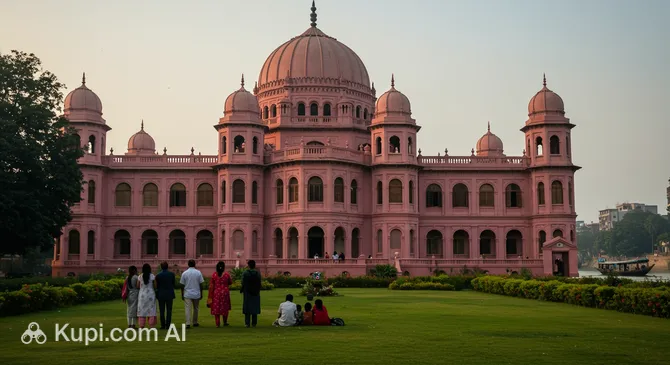
Ahsan Manzil Museum. Illustration.
Source: Kupi.com AI

Traveler photos:

Today, Ahsan Manzil operates as a national museum open to the public. Its halls and galleries house unique exhibits that provide insight into the luxurious lifestyle of the Bengali aristocracy. Visitors can see antique furniture, personal belongings of the Nawabs, weapons, and artworks that tell the story of the region's history and culture. Visiting the museum is a great opportunity to touch the rich heritage of Bangladesh and learn more about its colonial past.

Contacts

To plan your visit, confirm opening hours, or obtain additional information about the Ahsan Manzil Museum, you can use the official contact details. It is recommended to check for the latest information on the official website, especially ahead of public holidays when the working schedule may change.

How to contactContact
AddressShahbagh, ঢাকা 1000, Bangladesh
Phone number+880 2-8619396
Websitewww.ahsanmanzilticket.gov.bd

What to Do

Visiting the Ahsan Manzil Museum is an immersion into an atmosphere of luxury and history. Guests can wander through numerous halls and galleries where the setting from the time of the Nawabs' rule has been recreated. The 23 exhibition halls showcase exquisite furniture, interior items, personal belongings of the palace owners, paintings, and vintage photographs. The exhibition tells the story not only of the life of the Bengali aristocracy but also of key events in the history of Dhaka.

Special attention is drawn to the architectural details of the palace: majestic wooden staircases, carved columns, a high octagonal dome, and spacious verandas. In the halls, you can see the impressive Nawab's throne, a billiard room, and a large dining room, all of which give an idea of the former grandeur of this place. The palace grounds offer picturesque views of the Buriganga River and the old part of the city, making it a favorite spot for photographers and history enthusiasts. Additionally, the museum offers a chance to learn more about the traditional culture and crafts of the region.

Getting There

Ahsan Manzil Museum is located in the historic district of Dhaka, known as Puran Dhaka (Old Dhaka), on the banks of the Buriganga River. There are several ways to reach it. For tourists, the most convenient option is a taxi or auto-rickshaw from any part of the city. These modes of transport allow you to reach your destination in relative comfort. You can also use modern ride-hailing apps.

If you want to experience the authentic atmosphere of the city, you can take a stroll through the old streets of Puran Dhaka. This will not only lead you to the museum but also allow you to discover the unique architecture and daily life of this colorful neighborhood. Additionally, the museum can be reached by public transport; however, keep in mind that buses are often overcrowded.

When planning your trip, it's important to remember that traffic in Dhaka can be very heavy, especially during peak hours, which makes travel speeds extremely low. It is recommended to leave early to avoid delays. Alternatively, you could consider booking an organized tour, which often includes a visit to Ahsan Manzil along with other iconic landmarks of the Bangladesh capital. This is a convenient way to explore the city without worrying about logistics.

Nearest city: Dhaka

History & Facts

The history of the Ahsan Manzil Museum is inextricably linked to the Nawab family—influential landowners and rulers who shaped the political and cultural life of the region. Construction of the palace began in 1859 and was completed in 1872 by Nawab Abdul Ghani, one of the wealthiest and most influential figures of his time. He named the palace after his son, Ahsan Ullah. Originally, a French trading house stood on this site; it was purchased and completely rebuilt to become a luxurious residence symbolizing the grandeur and status of the Dhaka Nawab family.

Throughout its long history, the palace has seen both golden ages and serious challenges. In 1888, a devastating tornado hit the city, causing significant damage to the building. However, Nawab Ahsan Ullah not only restored the palace but also redesigned it to be even more magnificent. It was then that the famous high dome was added, which remains one of the most recognizable features of Ahsan Manzil today. Interestingly, innovative solutions for that time were used during construction: the palace was built on an elevated platform to protect it from the frequent flooding of the Buriganga River.

During the colonial period, Ahsan Manzil was more than just a home; it was a true center of political and social life in Bengal. Important meetings were held here, high-ranking guests including Lord Curzon, the Viceroy of India, were received, and decisions affecting the future of the entire region were discussed. However, after the decline of the Nawabs' power, the palace gradually fell into disrepair. To preserve this unique heritage, the government of Bangladesh purchased the building in 1985 and, after extensive restoration, converted it into a national museum, which officially opened its doors to visitors in 1992.

Time Needed

To fully experience the Ahsan Manzil Museum, it is recommended to set aside approximately 1.5–2 hours. This is usually enough time to leisurely explore the main halls of the palace, view the exhibits detailing the life of the Dhaka Nawabs, and take memorable photos against the backdrop of the famous "Pink Palace." By planning for a couple of hours, you'll have time to get a general overview of this iconic site in Bangladesh.

If you are passionate about history, architecture, or photography, you should allow a bit more time. An extra 30-60 minutes will let you study the exhibits in the museum's 23 halls in more detail, enjoy a stroll through the well-kept gardens on the complex grounds, and admire the picturesque view of the Buriganga River. Such a leisurely approach will help you immerse yourself more deeply in the atmosphere of the past and appreciate the full grandeur of this unique cultural monument.

Working Hours

The Ahsan Manzil Museum is open to visitors year-round, though the opening hours vary by season. In the summer period, from April to September, the museum welcomes guests from Saturday to Wednesday, 10:30 AM to 5:30 PM. During the winter season, from October to March, the hours are shortened: 09:30 AM to 4:30 PM on the same days. On Fridays, a special schedule applies—the palace opens in the afternoon and operates from approximately 3:00 PM to 7:30 PM. It is important to remember that Thursday is the official closing day, and the museum is also closed on public holidays.

Tickets can be purchased both at the on-site ticket office and online via the official website, which can help save time and avoid queues. Since the schedule may change, especially during national holidays or the holy month of Ramadan, it is highly recommended to check the latest information on the museum's official website before planning your visit. Advance booking for individual tourists is usually not required, but it is better for large groups to confirm arrangements in advance.

DayOpening hours
Monday10:30 – 16:00
Tuesday10:30 – 16:00
Wednesday10:30 – 16:00
Thursday10:30 – 16:00
Friday3:00 – 18:30
Saturday10:30 – 16:00
Sunday10:30 – 16:00

Nearby

A visit to the Ahsan Manzil Museum is just the starting point for exploring the rich history and culture of Old Dhaka. A walk through its surroundings will allow you to dive deeper into the city's authentic atmosphere, discover hidden gems, and see how modern life intertwines with centuries-old heritage. This area is full of contrasts, with new experiences awaiting you around every corner.

To make your journey even more fulfilling, we have prepared a list of interesting places located near the "Pink Palace." These attractions are within walking distance or a short ride away, making them perfect additions to your itinerary. Each of these sites has its own unique story and significance for Bangladesh.

NameDistance
Tara Mosque0.9 km
Lalbagh Fort2.1 km
Shaheed Minar2.3 km
Khan Mohammad Mridha Mosque2.6 km
Ramna Park3.3 km
Dhaka New Market3.6 km
Chalet Restaurant & Bar4.3 km

Have you reached the end of the page?

So the route has been studied inside and out