Support

City of Rock

About

The City of Rock (Cidade do Rock) is not just a name, but a legendary location in Rio de Janeiro, Brazil, which comes to life during one of the largest music festivals in the world — Rock in Rio. This specially built open-air venue becomes the epicenter of music, culture, and unforgettable experiences for hundreds of thousands of visitors, turning into a true tourist magnet.
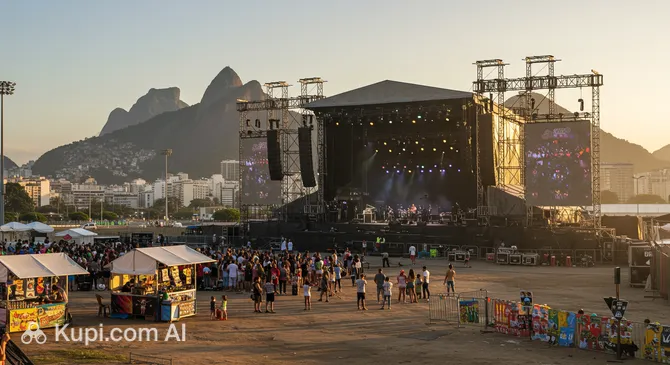
City of Rock. Illustration.
Source: Kupi.com AI

Traveler photos:

Imagine a vast space pulsing with the energy of world stars and the excitement of the crowd! The City of Rock is designed to accommodate multiple stages, themed zones, food courts, and entertainment areas, creating the atmosphere of a real city dedicated to music. Various genres are heard here — from rock and pop to electronic music and Brazilian rhythms, attracting music lovers from all over the world.

Visiting the City of Rock during the festival is a unique opportunity to be part of a grand event, feel an incredible drive, and see performances by iconic artists. Although the venue operates mainly during Rock in Rio, the concept and scale themselves make it an iconic landmark of Rio de Janeiro, symbolizing its status as one of the world's capitals of music and entertainment. This place attracts tourists who want to touch the history of the famous festival and feel its unique atmosphere.

Contacts

Since the City of Rock primarily functions as a venue for massive events such as the Rock in Rio festival, it is recommended to find the most up-to-date information on access, tickets, and potential contacts on the official festival website or on the travel portals of Rio de Janeiro. Usually, details become available closer to the event dates.

How to contactContact
AddressAv. Salvador Allende, 6500 - Barra da Tijuca, Rio de Janeiro - RJ, 22780-160, Brazil
Websitewww.cidadeolimpica.com.br

What to Do

The main reason thousands of people gather here is, of course, the music. In the City of Rock, you can enjoy performances by world stars and rising talents on several stages, each offering its own unique atmosphere and musical direction. Visitors can move between venues, choosing concerts to their taste, or simply immerse themselves in the overall energy of the vast festival space, feeling the vibrations of the music and unity with the enthusiastic crowd.

In addition to concerts, the City of Rock offers many other activities. Guests can explore various themed zones, which often include interactive installations, photo zones, and unique entertainment created specifically for the festival. A mandatory part of the program will be visiting the various food courts, where you can try both local Brazilian cuisine and popular international snacks. There are also often relaxation areas and points selling official festival merchandise.

For many visitors, the City of Rock is not just about music, but also an opportunity to be part of a grand show. You can watch impressive light and visual effects accompanying the performances, as well as simply enjoy the festive atmosphere while meeting people from all over the world. It is a place where unforgettable memories are created, filled with drive, positive emotions, and a sense of belonging to one of the largest musical events on the planet.

Getting There

Getting to the City of Rock in Rio de Janeiro, especially during the Rock in Rio festival, requires some planning, as the venue hosts an enormous number of visitors. Typically, festival organizers, in cooperation with city authorities, develop special transport schemes for the convenience of guests. It is recommended to study the official festival information in advance, where detailed travel instructions are often published.

One of the most common ways to reach major events in Rio de Janeiro is by public transport. During the festival, special shuttle services may be launched from key city locations, such as metro stations or major transport hubs, directly to the entrance of the City of Rock. You should also consider using the metro in combination with a bus or taxi, depending on the location of your hotel or apartment.

Taxi or ride-sharing services are also an option, but keep in mind that during massive events like Rock in Rio, roads around the City of Rock can be heavily congested, and travel costs may rise. If you choose this method, allow extra travel time and be prepared for potential traffic jams. Some visitors prefer to reach the nearest convenient point by public transport and take a taxi for a short distance from there.

In any case, advance planning is key. A few weeks or days before the festival begins, be sure to check the official Rock in Rio website or Rio de Janeiro travel portals. They will provide the latest information on special public transport routes, recommended drop-off points, parking (if you plan to go by rental car, which is usually not recommended due to limited space and congestion), and other logistical details to help you reach the City of Rock as comfortably as possible.

Nearest city: Rio de Janeiro

History & Facts

The history of the City of Rock is inextricably linked to the emergence of the legendary Rock in Rio festival. The idea of creating a grand musical event capable of competing with the world's largest festivals belongs to Brazilian businessman Roberto Medina. The first festival took place in 1985, and a massive venue specifically built for it was named the City of Rock. It was an ambitious project aimed at creating not just a concert area, but a real temporary city dedicated to music and entertainment, capable of accommodating hundreds of thousands of spectators.

Since its first edition, Rock in Rio, and with it the City of Rock, have undergone significant changes and development. Originally built in the Jacarepaguá neighborhood of Rio de Janeiro, the City of Rock changed its exact location several times for subsequent Brazilian editions of the festival, adapting each time to growing scales and requirements. For example, for the 2011, 2013, 2015, 2017, and 2019 festivals, a new City of Rock was built on the grounds of the Olympic Park, highlighting the organizers' commitment to creating the most comfortable and modern infrastructure for visitors and artists.

The uniqueness of the City of Rock lies not only in its scale but also in its very concept. It is not just a collection of stages, but a carefully planned space with themed zones, streets, food courts, and a variety of entertainment activities, which justifies the name “city.” Each festival brings something new to the appearance and content of the City of Rock, making it a temporary but vibrant symbol of Brazil's musical culture. It is here that performances by many top-tier world stars have taken place, forever inscribing this location into the history of world music.

Over the decades of its existence, the City of Rock has become more than just a festival venue. It has turned into a legend, a place of pilgrimage for music lovers from all over the world, and a symbol of how music can unite people. Every time the City of Rock comes to life, it delivers unforgettable emotions and experiences, confirming Rio de Janeiro's status as one of the world's capitals for entertainment and cultural events. Its history is a story of success, innovation, and boundless love for music.

Time Needed

The time needed to explore the City of Rock in Rio de Janeiro entirely depends on whether the famous Rock in Rio festival is currently taking place. At its core, the City of Rock is a massive venue specifically created and brought to life for this grand musical event.

If your visit coincides with the Rock in Rio festival, you will need at least half a day, and most likely a full day or even evening, to fully immerse yourself in its atmosphere, see performances on different stages, and explore themed zones and food courts. Many devoted music fans spend several days at the festival to attend the maximum number of concerts and events. To “explore” the City of Rock during the festival period means to dive into its rich program.

Outside of the Rock in Rio dates, the City of Rock is primarily an event space and may not be open to the public or hold significant interest for tourists as a standalone attraction for long visits. If access to the grounds (for example, for an external viewing) is possible, it will take very little time, likely less than an hour. Thus, it only makes sense to plan a full “exploration” of the City of Rock during the festival days.

Working Hours

The City of Rock in Rio de Janeiro comes alive and opens its doors to visitors mainly during the famous Rock in Rio music festival. Since it is an event venue rather than a permanent attraction with a fixed schedule, its operating hours depend directly on the schedule of the specific festival. Typically, the festival lasts several days, and on these days, the venue is open from noon or early evening until late at night to accommodate the full program of concerts and events.

For the most accurate and up-to-date information regarding opening hours, performance schedules, and the necessity of advance ticket booking (which is mandatory for attending the festival), it is strongly recommended to check the official Rock in Rio festival website or authorized ticket operators. Tickets for Rock in Rio are in high demand, so you should take care of purchasing them well in advance. Outside the festival period, the City of Rock generally does not function as a tourist site with regular visiting hours.

9:00 – 18:00

Nearby

Visiting the City of Rock in Rio de Janeiro, especially during the famous festival, leaves an unforgettable impression. However, to make your trip even more rewarding and complete, it is worth paying attention to the surroundings of this legendary venue. Exploring nearby attractions will allow you to dive deeper into the atmosphere of this amazing city and discover new facets of Brazil.

There are many interesting places near the City of Rock that can complement your cultural or entertainment program. Whether it's sports arenas, museums, or simply picturesque corners, getting to know them will enrich your experience and provide a more complete picture of the diversity of Rio de Janeiro.

NameDistance
Museum of Pontal2 km
Big Jump USA3.1 km
Tijuca National Park11.2 km
Coco Bambu Amusement Park15.3 km
Tal Pai Aquarium15.3 km
Júlio Delamare Aquatics Centre18.5 km
Via Music Hall20.1 km

Have you reached the end of the page?

So the route has been studied inside and out