Support

Municipal City Natural Park

About

The Municipal Natural Park of the City in Rio de Janeiro, Brazil, is a massive natural complex, prominently represented by the famous Tijuca National Park. This vast urban tropical forest is considered one of the largest in the world and offers a unique opportunity to immerse yourself in nature without leaving the limits of the metropolis.
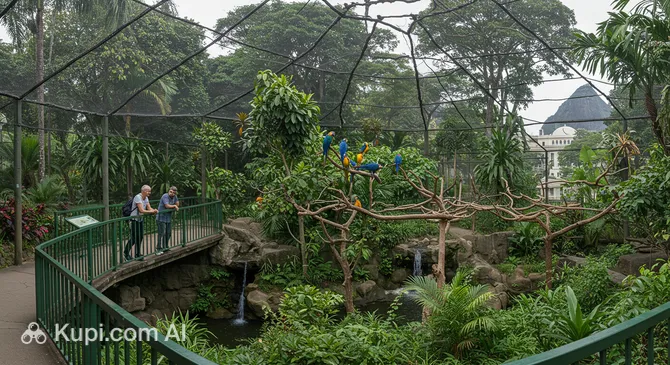
Municipal City Natural Park. Illustration.
Source: Kupi.com AI

Traveler photos:

Occupying a vast territory, this park is a vital part of the Atlantic Forest Biosphere Reserve. Its green expanses, clearly visible from the southern part of the city, create a striking contrast with the urban landscape and serve not only as a popular recreational spot but also as an important ecological space preserving the region's rich biodiversity.

Visitors to the Municipal Natural Park of the City can expect an amazing combination of natural beauty, adventure opportunities, and cultural heritage. Here, you can enjoy hiking along numerous trails leading through dense thickets to waterfalls and observation decks, as well as encounter various representatives of local flora and fauna. It is within this natural massif, as part of the Tijuca National Park on Corcovado Hill, that the world-famous statue of Christ the Redeemer stands.

Contacts

You can reach the Municipal Natural Park of the City by public transport. To plan your route and get up-to-date schedule information, we recommend checking the official tourism resources of Rio de Janeiro or checking the information available at transport hubs and stops around the city.

How to contactContact
AddressEst. Santa Marinha, 505 - Gávea, Rio de Janeiro - RJ, 22451-240, Brazil
Phone number+55 21 3875-1670

What to Do

The Municipal Natural Park of the City in Rio de Janeiro offers visitors a unique opportunity to immerse themselves in the world of rich Brazilian nature. Here, you can enjoy the sight of numerous waterfalls, with the Cascatinha, Solidão, and the picturesque Taunay waterfalls being particularly noteworthy. Exploration enthusiasts will appreciate the mysterious grottos, such as the Luis Fernandes, Paulo, and Virginia grottos. The park is also famous for its natural pools and extensive caves, and the most observant guests might even encounter large mammals in their natural habitat.

For those who appreciate breathtaking panoramic views, the park features several observation decks. One of the most famous is Vista Chinesa, or the Chinese View. From this scenic spot, there is a magnificent view of the city stretching all the way to the famous Ipanema Beach. No less popular is the Pedra Bonita observation deck, located at an impressive height of 510 meters. This spot not only offers unforgettable views but also serves as a favorite launch site for hang gliders.

Outdoor activities are another attractive side of the Municipal Natural Park of the City. Thrill-seekers have the chance to take an exciting tandem hang gliding flight with an experienced instructor, launching right from the Pedra Bonita platform. Locals often choose this park for sports, enjoying the fresh air and natural beauty. Overall, the park appeals with its unique atmosphere, where every visitor will find something to their liking, whether it's a quiet walk along the trails, nature contemplation, or an active adventure.

Getting There

There are several ways to reach the Municipal Natural Park of the City, located in Rio de Janeiro. A popular route for entering the park passes through the southern part of the city, specifically through the São Conrado neighborhood. This is the starting point for many explorers of this stunning natural area.

Given the park's impressive size and the fact that it is easy to get lost on its grounds, many travelers prefer organized excursions. These tours usually include an experienced guide who will help you navigate and show you the most interesting corners of the park. Often, the service package also includes a transfer directly from your hotel, which significantly simplifies logistics and makes the visit more comfortable.

If you prefer to explore the park on your own, you can take public transport to reach one of the park's closest entrances. From there, your journey will continue on foot along marked trails. However, it is important to remember safety precautions: due to the scale of the park and the complexity of navigation, it is highly recommended to hike in a group and, if possible, accompanied by a guide. This will ensure your safety and allow you to get the most out of your visit to this unique place.

Nearest city: Rio de Janeiro

History & Facts

The Municipal Natural Park of the City in Rio de Janeiro, Brazil, is part of a remarkable story of nature's recovery. The lands that now form this and similar parks, such as the famous Tijuca Forest, were originally used intensively for things like coffee plantations. However, extensive reforestation efforts were later carried out. This became one of the brightest examples of successful land reclamation and a demonstration of how nature can rebound through human effort, turning former plantations into the city's lush green lungs.

The significance of these green spaces for Rio de Janeiro is confirmed by their official status and international recognition. For instance, the Tijuca Forest, an icon of the city, was declared a national park as early as 1961, solidifying its role in biodiversity conservation. Later, in 2011, it became part of a larger conservation initiative, the Carioca Mosaic. In 2012, the unique landscapes of Rio de Janeiro, including these restored forest massifs, were inscribed on the UNESCO World Heritage list, highlighting their global value.

Today, the Municipal Natural Park of the City and other similar green zones do more than just beautify Rio de Janeiro; they serve as an example of responsible environmental stewardship. Sustainable tourism practices are actively implemented here, aimed at minimizing environmental impact and supporting local communities. These measures include waste management programs, further reforestation projects, and initiatives to preserve the rich flora and fauna, making a visit to the park not only pleasant but truly meaningful.

Time Needed

To fully experience the Municipal Natural Park of the City in Rio de Janeiro, it is recommended to set aside at least 4 hours. This is due to its vast territory and the variety of natural beauties and possible trails it offers visitors. During this time, you can get a general impression of the park and see its main highlights.

If you plan a more detailed exploration of every corner of the park, its numerous trails, and hidden sights, it could take a whole day. Given the park's scale, it's worth remembering that you can easily spend more time there than originally planned. For a more comfortable and safe visit, especially if you are here for the first time and want to see as much as possible, you might consider joining an organized group or hiring an experienced guide.

Working Hours

The exact opening hours of the Municipal Natural Park of the City in Rio de Janeiro may vary depending on the season and day of the week. Generally, such parks and zoos are open to visitors year-round, but for the most up-to-date information on visiting times and potential schedule changes, it is recommended to check the park's official website or verify details at local tourist information centers just before your visit.

Regarding the need for advance ticket booking or registration, this should also be checked beforehand. During certain periods, especially during the peak tourist season or holidays, you may need to buy tickets online or book in advance to avoid queues and guarantee entry. Checking this information on official resources will help you plan your visit to the Municipal Natural Park of the City in the best possible way.

DayOpening hours
MondayClosed
Tuesday8:00 – 18:00
Wednesday8:00 – 18:00
Thursday8:00 – 18:00
Friday8:00 – 18:00
Saturday8:00 – 18:00
Sunday8:00 – 18:00

Nearby

Visiting the Municipal Natural Park of the City in Rio de Janeiro is undoubtedly a highlight, but don't stop there. Exploring the surrounding areas will allow you to dive deeper into the atmosphere of this amazing city, discovering new facets of its culture, history, and natural beauty. Often, it's the small discoveries nearby that leave the warmest memories and make a trip truly unforgettable.

Near the Municipal Natural Park of the City, there are many other interesting places that deserve your attention. Each is unique in its own way and can enrich your itinerary in Brazil. Below is a list of some nearby attractions, along with the distance to them.

NameDistance
Boa Praça Bar4.7 km
Arpoador5.1 km
Copacabana Fort5.6 km
Tijuca National Park6.7 km
Fogo de Chão7.2 km
Júlio Delamare Aquatics Centre7.6 km
Leme Beach7.6 km

Have you reached the end of the page?

So the route has been studied inside and out