Support

Portage La Prairie

About

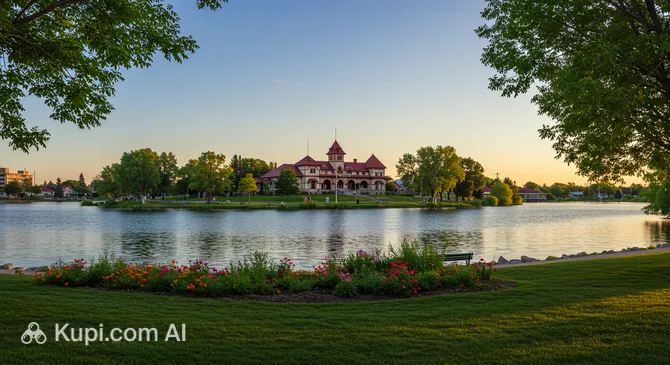
Portage la Prairie is a cozy and picturesque city located in the heart of the province of Manitoba, Canada. It is situated on the banks of the winding Assiniboine River, just an hour's drive west of Winnipeg. Thanks to its geographical location, the city serves as an excellent starting point for exploring the beauty of the Canadian prairies, lakes, and forests.

Portage La Prairie. Illustration.
Source: Kupi.com AI

Despite having a population of about 13,300 people, Portage la Prairie maintains the warm atmosphere of a small town where life flows at a measured and calm pace. At the same time, the city plays a significant role as a center for agricultural production and an important transport hub. The rich history of Portage la Prairie has left its mark on the city's appearance, which today harmoniously combines traditions of the past with modern comfort.

Travelers will find well-kept parks, interesting museums, and unique urban sculptures here. The sincere hospitality of the local residents deserves special mention: guests are always welcome in cafes and markets, creating a feeling of home-like comfort. Portage la Prairie is a wonderful place to slow down, enjoy nature, and discover the charm of the authentic Canadian heartland.

Weather Overview

The climate in Portage la Prairie is typical for the Canadian prairies and is characterized by distinct seasonality. Summers here are usually warm and pleasant, which is great for walking in parks and relaxing by the river. The warmest month is July, with an average temperature of about 21.7°C, when daytime temperatures can reach 26.7°C. During this period, the highest precipitation activity is also observed: for example, there are up to 12 rainy days in June.

Winters in the region are severe and frosty. In January and February, average thermometer readings drop to -13°C, and at night, the temperature often falls below -17°C. Despite the cold, precipitation in the winter months is minimal. To properly prepare for your trip and choose suitable clothing, be sure to check the current weather in Portage la Prairie before you depart.

The transition seasons here pass quite quickly. While negative temperatures still persist in March, by May the air warms up to an average of 12.6°C. Autumn begins with a comfortable September (around 15.7°C), but frosts arrive by November. Expect a warm summer with occasional rain and cold, dry winters.

Average monthly temperature

Average monthly precipitation

Interesting Facts

Portage la Prairie holds many fascinating secrets and unexpected "records" that make it a truly special place beyond its main attractions. Here are a few curious facts to help you see the city from a new perspective:
  • A Telling Name. The city's name comes from the French word "portage," which translates to "carrying." This is a historical reference to the times when explorers and fur traders had to carry their canoes over land between the Assiniboine River and Lake Manitoba to continue their journey by water.

  • World Record. Portage la Prairie boasts a very unusual monument—the world's largest Coca-Cola can. This giant structure, over 26 meters (about 85 feet) tall, was originally a water tower converted into a massive advertisement and now serves as a popular backdrop for tourist photos.

  • Winter Fairy Tale. Every winter, the city's island park is transformed beyond recognition by the Island of Lights festival. This large-scale light show attracts thousands of spectators, creating a magical atmosphere with a vast amount of festive illuminations and decorations.

  • Living History. The city is home to the Fort la Reine Museum, named after a fort founded by French explorer Pierre Gaultier de Varennes in 1738. Here, you can not only learn about the everyday life of the first settlers but also see unique historical buildings that transport guests back to the era of the Canadian West's development.

How to Get There

Portage la Prairie occupies a favorable position in the center of Manitoba, making it easily accessible for travelers. Thanks to a developed transport network, you can choose the optimal route, whether it's flying through major hubs or driving along scenic roads. We recommend studying all ways to get to the city in advance to plan your journey as comfortably as possible.

Since Portage la Prairie itself does not have a large civilian airport accepting regular international flights, most tourists fly into the provincial capital. The region's main air gateway is Winnipeg James Armstrong Richardson International Airport (IATA: YWG). It is located just 76 km from the city, and the journey by car or bus will take about an hour.

There are also flight options via the neighboring United States, although this will require crossing the border and will take more time for the transfer. The nearest American airports are located in the state of North Dakota. These are Grand Forks International Airport (IATA: GFK) and Minot International Airport (IATA: MOT). However, keep in mind that the distance from these to Portage la Prairie exceeds 200 km.

Summary information for the nearest airports is provided below:

AirportPassenger trafficDistance
Winnipeg James Armstrong Richardson International Airport4.1 mln76 km
Brandon Municipal Airport40 000119 km
Grand Forks International Airport183 000239 km
Thief River Falls Regional Airport16 000262 km
Berens River Airport5 000280 km

For those who prefer ground transport, the railway network is an important hub. The nearest major station accepting long-distance passenger trains is Winnipeg Railway Station (IATA: XEF). It is located in downtown Winnipeg, from where you can easily reach Portage la Prairie by rental car or intercity bus.

Data for the nearest railway station:

StationPassenger trafficDistance
Winnipeg Railway Station84 km

Main Attractions

Portage la Prairie offers travelers an interesting mix of historical monuments, natural recreational areas, and unique sites that make a visit here memorable. Despite the city's small size, there are several iconic places worth including in your itinerary.

Fort la Reine Museum
This is perhaps the main cultural and historical attraction of the region. The open-air museum complex transports visitors back to the times of the settlement of the Canadian West. There are over 25 historical buildings on its territory, including an old church, a school, pioneer homes, and a trading post. The exhibition is dedicated to the era of the fur trade and the life of the first Europeans in the prairies, making the museum a must-visit for history buffs.

Island Park
A scenic park located on a peninsula that curves around Crescent Lake. It is the "green heart" of the city and an ideal place for outdoor walks. Here you can not only enjoy water views and a peaceful atmosphere but also visit the local Splash Island water park or see deer in a special enclosure. The park is connected to the city by a bridge and is a center of attraction in any season.

World’s Largest Coca-Cola Can
Portage la Prairie is known for its unusual roadside attraction—a giant structure in the shape of a popular drink can. Originally a water tower, it was later styled as a Coca-Cola can. It has become a symbol of the city and a popular stop for tourists wishing to take a fun photo to remember their trip through Manitoba.

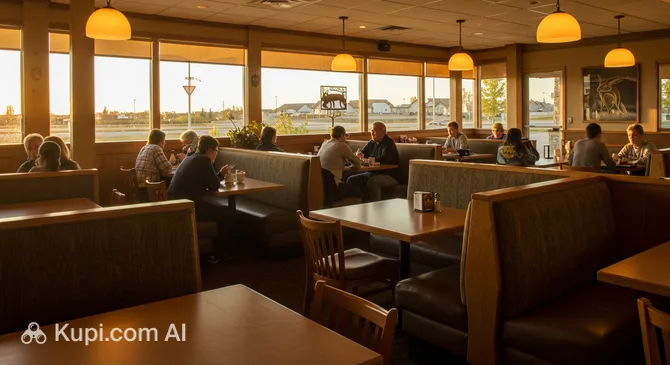
Over the Coals. Illustration.
Source: Kupi.com AI

Traveler photos:

Gastronomic Leisure
After exploring the parks and museums, it's worth paying attention to the local cuisine. One notable spot is Over the Coals. This establishment is popular among locals and visitors alike for its cozy atmosphere and delicious food. A visit to the restaurant will be a great way to end a busy day of sightseeing.

Local Cuisine

The gastronomic culture of Portage la Prairie is a harmonious blend of Canadian prairie traditions with noticeable influences from Ukrainian, British, and French cuisines. Simple, hearty, and home-cooked food is valued here. Local cafes and family restaurants actively use products from the region's farmers: fresh vegetables, high-quality beef, pork, as well as local honey and cheeses.

Among the dishes you must try, "bannock" holds a special place. This is a traditional fluffy fried bread often served warm. Meat rolls and various savory pies are also popular. Fish lovers will appreciate dishes made from the fresh catch of local lakes, prepared according to simple but time-tested recipes.

For those with a sweet tooth, the city offers a real feast of flavors. Manitoba is famous for its love of maple syrup, so you can find many desserts with this ingredient here, including maple candies and homemade ice cream. No less popular is the classic rhubarb pie, whose sweet and sour taste is very refreshing. Local residents prefer strong tea or coffee to complement their pastries, and at fairs, you can find original drinks based on berries and syrups.

Locals love to gather for food festivals and street fairs, where an atmosphere of friendly celebration prevails. Barbecues and tastings of farm products are organized here. If you want to get to know the local cuisine in a cozy setting, stop by the Over the Coals restaurant. It is a popular spot among locals and tourists, where you can enjoy excellent dishes and feel the hospitable spirit of Portage la Prairie.

Travel Tips

A trip to Portage la Prairie promises to be calm and measured, but even in such a cozy city, there are nuances worth knowing in advance. To make your trip as comfortable as possible and leave only pleasant memories, we have prepared a list of useful recommendations relevant to this region.

  1. Clothing for the Season and Protection from Nature. Manitoba's climate is one of contrasts, so the contents of your suitcase depend directly on your travel dates. In winter (November to March), thermal underwear, a windproof parka, a warm hat, and gloves are mandatory, as the frosts can be severe. In summer, light clothing will be useful, but don't forget a windbreaker for cool evenings. An important detail: if you plan to walk near Crescent Lake or in the parks, be sure to bring repellent—mosquitoes in the prairies can be quite persistent.

  2. Choice of Transport. Portage la Prairie is a small city, and public transport here is not as extensively developed as in metropolises. The optimal solution for a tourist is to rent a car. This will provide freedom of movement not only within the city but also allow you to visit surrounding farms and natural attractions. Local taxi services are also available and can be called by phone.

  3. Financial Matters. The official currency is the Canadian dollar (CAD). Visa and Mastercard bank cards are accepted almost everywhere: in hotels, restaurants, and supermarkets. Cash may only be needed for small purchases at farmers' markets or for tips. By the way, the tipping culture here is the same as in all of Canada: it's customary to leave 15–20% of the bill in cafes and taxis if you liked the service.

  4. Health and Safety. The city is considered safe for tourists, but basic precautions should always be observed. The emergency services number is 911. Pharmacies are usually located within large supermarkets, but they may not be open 24/7, so it's better to assemble a personal first-aid kit in advance. When walking in nature, watch out for ticks in tall grass, especially in spring and early summer.

  5. Language and Connectivity. The primary language of communication is English. Locals speak it everywhere, and there will be no communication problems. French also has official status but is used less frequently in daily life. Wi-Fi is available in most cafes, hotels, and public areas. For constant connectivity, it's most convenient to buy a prepaid SIM card from one of the national operators at a large shopping center or electronics store.

  6. Local Etiquette. Manitoba residents are known for their friendliness. It's customary to greet staff in shops, hold doors open for those behind you, and wait your turn in line—here it's a sign of respect. A smile and a polite "Sorry," even if you just accidentally made eye contact, will help you quickly find common ground with the locals.

  7. What to Avoid. Don't underestimate the winter weather: if the forecast promises a blizzard or severe frost, it's better to postpone long car trips and stay in town. Also, it is not recommended to enter private farm lands without the owners' permission—this is private property, which is strictly respected here.

  8. Seasonal Advice. Portage la Prairie is often called the "Strawberry Capital" of the province. If you find yourself here in the middle of summer (usually July), be sure to visit one of the local U-Pick farms. This is a popular activity where you can pick the freshest strawberries straight from the patch yourself—the taste of such berries is simply incredible, and the price is lower than in the store.

Portage la Prairie is a place where simplicity and sincerity are valued. By following these simple tips, you can easily blend into the rhythm of local life and enjoy genuine Canadian hospitality without extra hassle.

Entertainment & Nightlife

The nightlife in Portage la Prairie is characterized by a calm and measured rhythm typical of small Canadian towns. You won't find noisy mega-clubs with neon signs open until morning here; however, the city offers a cozy atmosphere for evening relaxation. Most activity is concentrated along the city's main artery—Saskatchewan Avenue. It is here and on the adjacent streets that the main establishments where locals and tourists gather after sunset are located.

The format of evening entertainment in the city primarily consists of gastropubs, sports bars, and family restaurants that turn into meeting spots for friends in the evenings. The crowd here is casual and relaxed, so there is no strict dress code: a casual style (jeans and comfortable shoes) will be appropriate almost everywhere. Most establishments close their kitchens around 9:00 PM–10:00 PM, but bars may stay open until midnight or slightly later on Fridays and Saturdays.

One popular place for an evening visit is the Over the Coals restaurant. This establishment is perfect for those who want to spend the evening in a pleasant setting, enjoying a hearty dinner and drinks. The interior encourages long conversations, and the menu will satisfy lovers of classic North American cuisine. It's an excellent spot to start your evening before a walk or, conversely, to conclude a busy day.

If you're looking for cultural leisure, check out the William Glesby Centre. This is the city's main performing arts venue, regularly hosting live music concerts, theatrical productions, and comedy shows. For movie lovers, the Prairie City Cinema offers the latest releases. These are classic evening pastime options for couples and families.

Practical Tips and Safety:

Portage la Prairie is a fairly safe city, but as with anywhere, it's better to stick to well-lit central streets after dark. Public transport practically doesn't run at night, and services like Uber may be unavailable. The most reliable way to get back to your hotel is to call a local taxi by phone. An average trip across town will be inexpensive due to the settlement's compact size.

As for daytime entertainment, the city offers just as much of interest. In addition to the already mentioned parks and the Fort la Reine Museum, it's worth visiting local bowling centers or seasonal farmers' markets if your visit falls on a weekend. Life is just as vibrant during the day as in the evening, offering guests a chance to immerse themselves in the authentic atmosphere of the Canadian province.

Parks & Museums

Portage la Prairie offers tourists a harmonious combination of natural beauty and rich cultural heritage. The city is famous for its green zones, which are perfect for leisurely walks, and museums that preserve the memory of the era of the Canadian West's settlement. Here, you can easily switch from contemplating picturesque landscapes to studying history without leaving the city limits.

Parks and Natural Areas

The main natural gem of the city is Island Park. It is not just a park, but a true island of tranquility surrounded by a lake. It is known for its centuries-old trees, shaded alleys, and well-maintained picnic lawns. A unique feature of the park is the deer enclosure, where visitors can observe these graceful animals in conditions close to their natural habitat. This place is especially popular among families with children and photography enthusiasts.

The area around Crescent Lake deserves special attention. This is an oxbow lake (a separated section of a riverbed) that is now a calm body of water surrounding the park. A scenic pedestrian path about 5 kilometers long, known as the Community Walkway, runs along the shore. It is an ideal spot for morning jogs, bike rides, or an evening promenade with a view of the sunset reflecting in the calm water.

Museums and Galleries

To immerse yourself in the region's history, a visit to the Fort la Reine Museum is a must. It is a large-scale open-air museum complex located on the outskirts of the city. The exhibition includes more than 25 historical buildings, moved here from various parts of the region or carefully reconstructed. You can see an old school, a church, a trading post, and even Sir William Van Horne's personal rail car. The museum doesn't just display artifacts; it allows you to feel the atmosphere of the lives of pioneers and fur traders.

Art lovers will be interested in the Portage and District Arts Centre, located in the William Glesby Centre building. The gallery specializes in exhibitions of works by local and regional Manitoba artists. The exhibitions, featuring painting, sculpture, ceramics, and photography, are regularly updated. A visit to the center allows you to see the modern culture of the Canadian prairies through the lens of local masters' creativity.

Architectural Heritage

Among the architectural monuments, the historic CP Rail Station building stands out. Built in a style characteristic of the early 20th century, it serves as a reminder of the important role the railway played in the development of the city and all of Western Canada. The building is recognized as a national historic site and attracts attention with its brickwork and distinctive roof, serving as an excellent example of railway architecture from that era.

Insider Tip

If you find yourself in Island Park, pay attention to the small bridges and quiet backwaters. These are excellent spots for bird watching: you can often see pelicans and Canada geese here. For those seeking solitude, we recommend walking along the less crowded trails in the southern part of the park, where the noise of the city is practically inaudible.
Getting Around

The transport system in Portage la Prairie has its own characteristics dictated by the size and lifestyle of a small city. Unlike large tourist centers, you won't find a subway, trams, or a complex network of city buses here. The city is quite compact, and the pace of life is calm, so the primary focus is on car travel and taxis.

For tourists not planning to get behind the wheel, the most reliable way to get around is taxi services. Several local companies operate in the city, providing 24-hour transportation. It's important to consider local specifics: hailing a car on the street by raising your hand is not practiced here; orders must be made in advance by phone through a dispatcher. Familiar aggregator apps may work sporadically or be entirely absent, so it's better to rely on local services.

Taxi fares are paid by meter, and most drivers accept bank cards without issue, though having a small amount of cash never hurts. Remember the rules of etiquette: as in all of Canada, it is customary to leave drivers a tip of 15–20% of the bill for quality service.

Renting a car will provide the greatest freedom of movement. This is the optimal choice for those who want to comfortably visit not only city locations but also surrounding natural parks or farms. Rental points are located primarily in the central part of the city. A huge plus for car enthusiasts is the lack of parking problems: there are many free or inexpensive parking spaces in Portage la Prairie near the main attractions.

In the warmer months, biking and walking become excellent alternatives. The city is situated on a plain, making it very convenient for cyclists and pedestrians. Many interesting places, including the picturesque Island Park, are within walking distance. Since there is no automated bike-sharing in the city, you should arrange for two-wheeled transport rental in advance through private outlets or sports stores.

Travelers arriving by VIA Rail or intercity bus should consider "last mile" logistics. Stations may be located some distance from residential areas and hotels. Due to the lack of regular city shuttles from the stations, it is recommended to have taxi contact numbers handy to call a car for your arrival.

Accommodation

Where to stay:

Portage la Prairie offers tourists a functional and affordable choice of accommodation, primarily geared toward road travelers and those who value comfort without frills. You won't find massive five-star resorts or exclusive boutique hotels here. The hotel stock consists of reliable mid-range hotels, many of which belong to well-known hotel chains, as well as classic motels and cozy bed and breakfasts (B&Bs).

Accommodation Areas

The geography of accommodation in the city is quite simple and convenient. Most hotels and motels are concentrated along or near the Trans-Canada Highway, which bypasses the city. This is an ideal option for transit tourists: easy access from the highway, large parking lots, and proximity to gas stations and fast food. The second popular area is downtown, particularly around Saskatchewan Avenue. Staying here puts you within walking distance of local shops, restaurants, and the picturesque Island Park.

Prices and Booking

The price range varies from budget to mid-range. A night in a standard motel is inexpensive, making Portage la Prairie an attractive stopover. Chain brand hotels offer a higher level of service, including breakfasts and pools, at moderate prices that are usually lower than in neighboring Winnipeg. Booking accommodation is easiest through popular online platforms, although many small motels also accept direct telephone bookings.

Booking Tips

Even though the city is not a mass tourist destination, the demand for accommodation increases significantly during the summer season (June to August). This is due to festivals, weddings, and an increased flow of road travelers crossing the country. Therefore, if your trip falls in the summer, we strongly recommend booking a room in advance—several weeks before arrival—to guarantee yourself comfortable accommodation.

Nearby Cities

For those looking to explore the surrounding area, Portage la Prairie serves as an excellent starting point for day trips to several interesting nearby locations. Its convenient location on the Trans-Canada Highway allows travelers to easily reach major cultural centers and historical settlements in the province of Manitoba.

Just an hour's drive to the east is Winnipeg—the provincial capital. It is a dynamic city offering a rich cultural program: from the famous Canadian Museum for Human Rights to the historic Forks district, where the Assiniboine River meets the Red River. Winnipeg is ideal for shopping, gastronomic tourism, and attending major festivals.

Heading west, you will arrive in Brandon, Manitoba's second-largest city, known as "The Wheat City." A more relaxed atmosphere prevails here. Tourists will find it interesting to visit the Riverbank Discovery Centre on the banks of the Assiniboine River and stroll through the cozy city parks. Brandon is an excellent choice for those who want to learn more about the agricultural history of the region.

History and ethnography enthusiasts should look toward Steinbach. This city is famous for its Mennonite heritage. The main attraction is the Mennonite Heritage Village open-air museum, where you can see a windmill, historical buildings, and learn about the lifestyle of the first settlers.

CityPopulationDistance
Winnipeg705 24483 km
Morden8 66888 km
East St Paul9 37291 km
Winkler12 66092 km
Shilo99 km

These nearby destinations provide an overview of the region's diverse culture and landscapes, making your trip even more fulfilling and memorable.

Shopping & Souvenirs

Shopping in Portage la Prairie is characterized by a calm pace and a lack of the bustle typical of large metropolises. The city doesn't claim to be a high-fashion center in Canada, yet all the conditions for comfortable shopping are provided here. Tourists will find a harmonious blend of large stores, where they can buy everything needed for their journey, and small private shops with unique goods.

The heart of the city's commercial life is Saskatchewan Avenue. A stroll down this main street allows you to combine viewing historical architecture with visiting shops. Independent clothing boutiques, flower shops, antique stores, and gift shops are concentrated here. This is the best place for those looking for something special and wanting to support the region's small businesses.

For those who prefer a wide selection and well-known brands, head to the western part of the city—the West End. This is where large "big-box" format chain stores are concentrated. In this area, you can purchase electronics, home goods, mass-market clothing, and specialized equipment for outdoor activities, which is particularly relevant before a trip into Manitoba's nature.

Of particular interest to travelers is the seasonal Farmers’ Market. It usually operates during the warmer months on weekends and gathers the region's best producers. Here you can buy the freshest vegetables, homemade pastries, honey, and jams made from local berries. Besides food, local artists and crafters often display their work at the market.

For souvenirs from Portage la Prairie, it's worth bringing home goods labeled "Made in Manitoba." Leather goods, traditional moccasins, and handmade ceramics are popular. Gastronomic souvenirs are also highly regarded: a jar of Saskatoon berry jam, local maple syrup, or wild rice make excellent gifts. In souvenir departments, you can also find items with Royal Canadian Mounted Police symbols.

Shops in the city usually operate from 9:30 or 10:00 AM to 6:00 PM, Monday through Saturday. Large supermarkets in the West End may stay open until 9:00 PM. On Sundays, many small shops are closed, and large stores operate on a reduced schedule (usually from 12:00 PM to 5:00 PM). Cards and cash are accepted everywhere.

Tourists should remember that sales tax is not included in the price on the tag. In Manitoba, a combination of federal and provincial taxes is added to the cost of the item at the register, totaling 12%. Keep this surcharge in mind when planning your shopping budget.

Reached the end of the page?

That means the route is fully explored