Support

Quadra Island

About

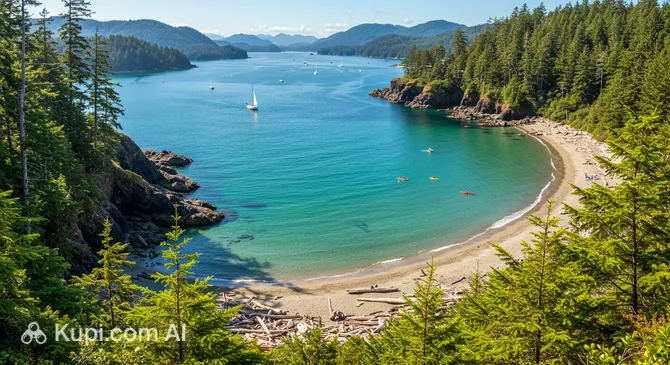
Quadra Island is a picturesque gem that is part of the Discovery Islands off the east coast of Vancouver Island. Located in the province of British Columbia, this island is the embodiment of the tranquility and wild natural beauty for which Canada is so famous. With a permanent population of around 2,800 people, Quadra maintains the atmosphere of a cozy and friendly community, where the pace of life allows you to truly relax and forget the hustle and bustle of the city.

Quadra Island. Illustration.
Source: Kupi.com AI

The region's cultural heritage plays an important role in the modern life of the island. The rich history of Quadra Island is inextricably linked with the indigenous peoples whose traditions and art are carefully preserved by local residents. Travelers should definitely visit the Nuyumbalees Cultural Centre to see unique artifacts and gain a deeper understanding of the spirit of this place.

Outdoor enthusiasts will find plenty of opportunities for adventure here. One of the main natural attractions is Rebecca Spit Marine Provincial Park — a scenic sandy spit ideal for picnics and long walks by the water. The historical lighthouse at Cape Mudge is also worth noting. The island offers excellent conditions for kayaking, hiking, and diving in crystal-clear waters.

Quadra Island is an excellent choice for those seeking solitude and inspiration. Come here to enjoy the silence of dense forests, the fresh sea breeze, and the genuine hospitality of the locals.

Weather Overview

The climate on the island can be described as mild and temperate, typical for coastal British Columbia. Summer is the most popular time to visit: in July and August, the average temperature is around 19°C, and on the warmest days, the air warms up to a comfortable 24–25°C. This is also the driest period of the year, when the number of rainy days is minimal (only 8–9 per month), making it ideal for outdoor activities.

Winters on Quadra Island are cool but not freezing. In January and December, the average temperature stays around 2°C, and nighttime frosts are rare. However, this season is characterized by high humidity: the number of days with precipitation can reach 20–22 per month. To plan your wardrobe correctly and choose the best dates for your trip, we recommend checking the weather in Quadra Island in advance.

Spring and fall bring a change of colors and moods. May and September offer pleasant thermometer readings (averaging 13–15°C) and a moderate amount of rainfall. Expect a warm, sunny summer and a cool, wet winter, which gives the local forests a special atmosphere.

Average monthly temperature

Average monthly precipitation

Interesting Facts

In addition to impressive landscapes and outdoor opportunities, Quadra Island holds many fascinating secrets and historical mysteries. This island is not just a scenic point on the map, but a place with a unique cultural code and an amazing past.

  • Island of Creators. Quadra Island is unofficially considered one of the most "artistic" places in British Columbia. The concentration of painters, sculptors, potters, and artisans per capita is incredibly high. Every June, the famous Studio Tour takes place, when dozens of masters open their doors to the public, turning the island into a massive gallery.

  • Echo of a Massive Explosion. Seymour Narrows, which washes the island's shores, was the stage for the largest non-nuclear commercial explosion in human history. In 1958, engineers destroyed the underwater Ripple Rock, which had been sinking ships for centuries. The event was broadcast live across the country, and the observation bunker was located right on Quadra Island.

  • Shared Name with Vancouver. The island is named after the Spanish navigator Juan Francisco de la Bodega y Quadra. A curious historical fact: in the 18th century, he became such close friends with the British Captain George Vancouver that the neighboring massive island was originally named "Island of Vancouver and Quadra," and only later did the names split.

  • Ancient Messages. On the coast, especially near Cape Mudge, you can find mysterious petroglyphs — rock carvings etched into boulders. Some of these drawings date back thousands of years and hold sacred significance for indigenous peoples, serving as a reminder of the region's deep spiritual roots.

  • The Legend of Caddy. In the waters around the Discovery Islands, locals and sailors have reported encounters with a mysterious sea creature known as "Cadborosaurus" or affectionately as "Caddy" for a century. While science does not confirm its existence, this "local Loch Ness monster" has become an integral part of island folklore.

How to Get There

When planning a trip to this picturesque corner of British Columbia, it is worth thinking through the logistics in advance, as the island location imposes its own specifics. You can find out more about how to get to Quadra Island by studying various routes, but the primary way to reach the island remains the ferry crossing from the city of Campbell River. Nevertheless, the journey often begins with a flight to the nearest transportation hubs.

The most convenient option is Campbell River Airport (YBL). It is located not on Quadra Island itself, but in the neighboring city, which serves as the main gateway to the island. The distance to the destination is only about 28 km. A taxi or shuttle ride to the ferry terminal and the crossing itself will take less than an hour. This is a small regional airport that accepts local flights, making it an ideal choice for saving time.

An alternative is Comox Valley Airport (YQQ), located in the city of Comox. This is a larger transportation hub that handles more flights. It is located approximately 61 km from Quadra Island. The trip from here by car or bus to the ferry will take about an hour and a half to two hours. You can also consider Nanaimo Airport (YCD) if you are planning a trip through the southern part of Vancouver Island, although the journey from there will take several hours.

For clarity, here is a summary of the main airports:

AirportPassenger trafficDistance
Campbell River Airport50 63728 km
Comox Airport402 75761 km
Powell River39 42269 km
Tofino Airport20 000131 km
Nanaimo Harbour120 000150 km

Rail service in this region has its own nuances, and trains do not run directly to the island. There is no railway station on Quadra Island itself, but you can arrive at Vancouver Station (XEA). It is located on the mainland, approximately 188 km from Quadra Island in a straight line. From Vancouver, a complex transfer is required, including a ferry crossing to Vancouver Island, a drive to the north of the island, and then another short crossing to Quadra Island. The entire journey by land and water will take significant time.

Below is information about the nearest major railway station:

StationPassenger trafficDistance
Vancouver Railway Station265 626188 km
Esbjerg Railway Station753 060206 km

Main Attractions

Rebecca Spit Marine Provincial Park is perhaps the most recognizable and beloved vacation spot on the island. A narrow sandy spit about two kilometers long separates the calm waters of Drew Harbour from the open sea. This place is perfect for leisurely strolls, picnics, and observing marine life. A unique feature of the beaches is the vast amount of sun-bleached driftwood, which visitors often use to build whimsical shelters and sculptures. Thanks to the shallow water, the bay warms up better in summer than anywhere else in the area, making the park a great spot for swimming and paddleboarding.

To dive into the rich history of the region's indigenous peoples, visit the Nuyumbalees Cultural Centre, located in the village of Cape Mudge. The center houses the unique "Potlatch Collection," which includes ceremonial masks, regalia, and artworks of the Kwakwaka'wakw people that were returned to the community from museums around the world. The exhibition doesn't just display artifacts; it tells the story of the deep spiritual traditions and the complex history of the coast's first inhabitants. Near the center, you can see impressive totem poles and ancient petroglyphs carved into boulders along the shore.

On the southern tip of the island stands the historic Cape Mudge Lighthouse. Built over a century ago, it still serves as an important landmark for ships passing through the treacherous waters of Discovery Passage. Although access inside the lighthouse itself is limited, the surrounding area is open to the public and offers breathtaking views of the ocean and the snow-capped mountain peaks on the mainland. It is a wonderful location for photography, especially at sunset when the lighthouse beam begins to cut through the twilight.

For outdoor enthusiasts and those seeking panoramic views, a hike up the Chinese Mountains is a must. The network of trails here ranges from easy walks to steeper climbs leading to rocky summits. The effort will be rewarded with one of the best views in British Columbia: the summit offers a 360-degree panorama of the island's emerald forests, the rugged coastline, Rebecca Spit, and the majestic mountain ranges of Vancouver Island.

Local Cuisine

The culinary scene on Quadra Island is a true reflection of its island spirit: fresh, casual, and closely tied to nature. You won't find pretentious restaurants with strict dress codes here, but you will find plenty of cozy spots where the quality of ingredients comes first. The foundation of local cuisine is, undoubtedly, the bounty of the Pacific Ocean. The main delicacies are wild salmon, grilled or prepared on a cedar plank, as well as fresh halibut, spot prawns, and oysters, often served just hours after being caught.

Particular attention should be paid to the "farm-to-table" concept, which here is not just a trendy buzzword but a way of life. Thanks to the mild climate, agriculture thrives on the island, so seasonal menus abound with dishes made from local vegetables, fruits, and berries. Travelers must try homemade blackberry or apple pies, as well as locally produced craft cheeses. For a quick but delicious snack, "fish and chips" at one of the seaside cafes is a perfect choice — a simple yet incredibly tasty regional classic.

Among drinks, a culture of craft and local production reigns on the island. Quadra Island boasts its own winery, creating beautiful whites and sparkling wines that pair perfectly with seafood. Beer lovers will appreciate the wide selection of ales and lagers from British Columbia's craft breweries, which are available in almost every bar. For non-alcoholic drinks, coffee holds cult status: locals take quality roasting very seriously, so a cup of aromatic espresso or latte is always top-notch here.

The food culture on the island encourages socializing and taking one's time. A hub for both locals and tourists is the weekly farmers' market. It's the best place to buy fresh pastries, homemade jams, or just grab some street food while enjoying live music and the community atmosphere. Picnics are also popular: many travelers buy groceries at local shops and head out for lunch on the beaches of Rebecca Spit, combining their meal with ocean views.

Travel Tips

Preparing for a trip to Quadra Island is the key to a serene vacation, as island life has its own unique rhythm and rules. These practical tips will help you plan the perfect journey to this picturesque corner of Canada and avoid common beginner mistakes.

  1. Clothing and Gear. Coastal weather is changeable, so the principle of layering is your best friend. Even in summer, evenings by the ocean can be cool, so be sure to bring a fleece sweater and a windbreaker. In the shoulder seasons (fall and spring), a quality raincoat and waterproof shoes are critical. If you plan on hiking, choose comfortable trekking boots with non-slip soles for damp forest trails.
  2. Transport and Logistics. Public transport on the island is limited, so you will need a car or a bicycle for comfortable movement. Keep in mind that it's better to rent a car in advance in Campbell River and cross with it on the ferry. Important: In summer, ferry queues can be long, so try to arrive at the terminal well in advance or plan your trips during non-peak hours.
  3. Finances and Shopping. The local currency is the Canadian dollar. While supermarkets and restaurants accept cards, it is highly recommended to have cash on hand. You will need it for the famous farmers' markets, buying souvenirs at home-based artist studios, or paying for small services. There are few ATMs on the island, and they are concentrated in the main settlements.
  4. Health and Safety. Quadra Island is a safe place, but remember you are near wilderness. Deer live here, and black bears and cougars are occasionally encountered — keep your distance and do not leave food unattended. There is a pharmacy on the island, but it is not open 24/7. The nearest major hospital is on neighboring Vancouver Island, so be sure to have medical insurance.
  5. Connectivity and Navigation. Mobile service and mobile internet are stable near the ferry terminal and main villages but may disappear in the island's interior and at the northern end. We recommend downloading offline maps of the area in advance. Wi-Fi is available in most cafes, guesthouses, and at the local library.
  6. Local Etiquette. The atmosphere on the island is very friendly and relaxed. It is customary to greet passersby on trails and wave to drivers of oncoming cars on narrow roads. Treat private property and indigenous lands with special respect — pay attention to signs and do not enter closed territories without permission.
  7. What to Avoid. Strictly avoid lighting fires in unauthorized places, especially during the summer. British Columbia often has total fire bans in place due to the risk of forest fires. Breaking this rule is not only dangerous but also carries heavy fines and condemnation from the local community.
  8. Planning Tip. Keep "island time" in mind: many shops and cafes may close earlier than in large cities or have days off at the beginning of the week. Always check the opening hours of establishments in advance, especially if traveling outside the peak tourist season.

Quadra Island will give you an unforgettable sense of connection with nature and peace of mind. By following these simple recommendations, you can feel confident and comfortable, fully dedicating your time to exploring forest trails, seascapes, and local flavor.

Entertainment & Nightlife

If you are looking for noisy metropolitan clubs with neon signs and parties until dawn, Quadra Island might surprise you — a completely different philosophy of relaxation reigns here. Nightlife on the island is an extension of its cozy, communal atmosphere. Here, "going out" means heartfelt conversations with locals over a pint of craft ale, live music in a historic pub, or gazing at the starry sky, which looks incredible here away from city light pollution.

The epicenter of the island's evening life is rightfully considered the Heriot Bay Inn. This is not just a hotel, but the true heart of the local community. The HBI Pub located here regularly hosts performances by local bands, open mic nights, and dancing on weekends. The atmosphere is as democratic and relaxed as possible: fishermen after their shift, tourists, and artists all gather here. In summer, the pub's terrace becomes the perfect place to watch the sunset overlooking the bay, while enjoying fresh seafood and local drinks.

For those who prefer a quieter and more refined evening, the restaurant at April Point Resort is an excellent choice (please note seasonal hours). Here you can order a glass of British Columbia wine and spend the evening in silence, admiring the lights on the opposite shore of Discovery Passage. This place is perfect for a romantic dinner where nature itself and the sound of the surf become the main "show."

Practical Tips and Dress Code:

The concept of a dress code is virtually non-existent on Quadra Island. The style here is called "island casual": jeans, fleece sweaters, and comfortable shoes are appropriate in any establishment, even in the evening. Prices in bars and restaurants are moderate, with an average dinner bill including a drink costing around 30–50 Canadian dollars. It’s best to arrive by sunset to snag the best seats on the terraces.

Safety and Transport:

Quadra Island is a very safe place, and crime is practically non-existent. However, nighttime walks have their own peculiarities: there is almost no street lighting on the island. If you decide to walk back after the bar, be sure to bring a flashlight and wear clothing with reflective elements, as the roads are narrow and winding. The main danger at night is not people, but wild animals, particularly deer, which often run out onto the road. There is no Uber service here, but a local taxi service (Quadra Taxi) operates, which is better to call in advance as the number of cars is limited.

As for daytime entertainment, it harmoniously complements the evening relaxation. During the day, the island offers a visit to Southend Farm Winery — a charming local winery where you can taste wines in the garden. It's also worth stopping by the numerous craft shops and art studios scattered across the island, or going on a sea kayak trip to see seals and bald eagles in their natural habitat.

Parks & Museums

The cultural and natural landscape of Quadra Island are inextricably linked: here, ancient indigenous traditions intertwine with the wild beauty of forests and coastline. For tourists, this means the opportunity to visit sacred sites, walk through old-growth groves, and discover the work of modern masters all in one day.

Among the natural areas, Main Lake Provincial Park deserves special attention. It is the largest freshwater system on the island, encompassing six lakes. The park is a true paradise for kayaking and canoeing enthusiasts: here you can glide for hours across the mirror-like surface surrounded by ancient forests, watching beavers and waterfowl. Unlike the sea coast, the silence of the deep forest reigns here, and the water in summer warms up enough for comfortable swimming. It's the perfect spot for those wanting to see the "inner," wilder side of the island.

Another gem is the previously mentioned Rebecca Spit Marine Provincial Park. However, beyond beach recreation, it is interesting as a natural phenomenon. This narrow sandy spit constantly changes its shape under the influence of tides and storms. A walk here is a meditative activity: views of sheltered Drew Harbour open on one side, while the turbulent Discovery Passage lies on the other. The park is equipped with convenient trails and barbecue spots, making it a center of island social life on warm days.

The primary guardian of the region's history is the Nuyumbalees Cultural Centre. It is not just a museum but a spiritual center for the Kwakwaka'wakw people. The core of the exhibition is the famous "Potlatch Collection" — ceremonial masks, copper shields, and regalia that were confiscated by the Canadian government in the early 20th century and returned to the community decades later. Visiting the center allows you to touch the deep philosophy of the First Nations, learn about the significance of totems, and understand the tragic and heroic chapters of local history.

Although there are no large classical art galleries on the island, Quadra Island itself is often called the "Island of the Arts." The role of museums here is fulfilled by numerous artist studios and workshops scattered across the island. Many masters open their doors to visitors, turning garages and outbuildings into cozy exhibition halls. Here you can see the process of creating pottery, wood carving, or glassblowing. This is a living culture where you can talk to the artist and purchase a unique souvenir firsthand.

Among historical sites, the Cape Mudge Lighthouse stands out. Built in 1898 (the current building dates to 1916), it is one of the oldest on the British Columbia coast. The lighthouse stands guard at the entrance to Discovery Passage, known for its strong currents. Although tourists are not allowed inside the tower, the surrounding area is open and offers magnificent views of the ocean, especially during a storm when the elements show their power.

Insider Tip: If you want to see something truly unusual, take a walk along the trail to the lookout point overlooking Seymour Narrows. This is where you can witness powerful tidal whirlpools, which can reach speeds of up to 30 km/h. The sight of the churning water is a reminder of nature's power and why these waters are considered some of the most difficult to navigate in the world.

Getting Around

The public transportation system on Quadra Island differs significantly from what residents of large metropolises are used to. It is important to note right away: there is no regular bus service, subway, or shuttle taxis on the island. This place is designed for slow-paced relaxation, and moving around requires a certain degree of independence and prior planning.

In fact, the only element of regular service is the BC Ferries route connecting the island with the city of Campbell River. The ferry arrives in Quathiaski Cove, which is the hub of local life. Foot passengers pay for their ticket at the terminal before boarding; cash, credit, and debit cards are accepted. An important practical point: the passenger fare is only paid one way (when departing from the "mainland"); the return trip from the island is free for pedestrians and cyclists.

For traveling further inland, the following alternatives are available to tourists without a personal vehicle:

Taxi. A local service, Quadra Taxi, operates on the island. This is a reliable but limited resource: there are few cars in the fleet, and during the peak tourist season, the wait can be long. It is highly recommended to book your trip in advance by phone, especially if you need to make a specific ferry or dinner reservation. It is best to discuss payment when booking, but drivers generally accept cards and cash.

Bicycle. This is one of the most popular and pleasant ways to explore the surroundings. Quadra Island is famous for its scenic roads, though the terrain is quite hilly, so renting an electric bike (e-bike) is an excellent solution for those not in peak physical condition. Rental shops can be found near the ferry terminal or at popular resort lodges.

Cultural Feature: Hitchhiking. Although not an official form of transport, Quadra Island has a historically strong culture of mutual aid. Locals often pick up travelers thumbing a ride on the side of the road, and this is considered a normal practice in the friendly island community. However, tourists should not rely on this as a primary or guaranteed method, especially in the evening.

If you plan to visit remote corners of the island, such as Main Lake Park or the northern trails, renting a car is an absolute necessity. It is best to rent a car in advance in Campbell River or at your arrival airport and bring it over on the ferry. Most shops, cafes, and services are concentrated near the ferry terminal (Quathiaski Cove), so walking is only comfortable within that area.

Accommodation

Accommodation on Quadra Island is not about standard chain hotels or high-rise hotel complexes. The island offers tourists a unique living experience harmoniously integrated into the surrounding nature. The primary range of housing varies from cozy family B&Bs (bed and breakfasts) and rustic cottages to historic inns and high-end seaside resort lodges. For budget travelers and romance seekers, scenic campgrounds and RV sites are available.

When choosing a home base, you should look at the two main centers of attraction. The first is the Quathiaski Cove area, where the ferry from Campbell River arrives. Staying here is convenient for those traveling without a car or planning frequent trips to the "mainland": shops, cafes, and basic services are within walking distance. The second popular area is Heriot Bay on the east coast. This is a picturesque bay that serves as the starting point for ferries to Cortes Island and many kayak tours; a more secluded and relaxed atmosphere prevails here.

A particular point of pride for the island are the resorts that offer not just a place to sleep, but an entire adventure. Some lodges specialize in fishing tours and eco-tourism, giving guests the chance to watch whales right from their room's terrace. Also, on the southern tip of the island, you can find a unique hotel built and managed by the indigenous people, whose architecture resembles a traditional "Longhouse," allowing guests to experience First Nations culture in comfort.

Booking Tips:

Planning a trip to Quadra Island requires foresight. During the peak tourist season (July and August), demand for housing significantly exceeds supply. The best cottages and rooms in popular lodges are often booked 4–6 months before the trip. If you are planning a visit for a weekend or holiday, you should look for options even earlier.

The price range on the island can be described as medium to above average. Budget options are limited to campgrounds and a few guesthouses. Most accommodations fall into the "comfort" and "premium" categories, especially those located right on the water. For booking, it is often better to use owners' direct websites or local tourism portals, as many small B&Bs are not listed on large international aggregators.

Nearby Cities

For those who want to explore the surrounding area, Quadra Island serves as an excellent starting point for day trips to several interesting nearby locations:

The most obvious and accessible destination is Campbell River, located just 10–15 minutes away by ferry. This city is known as the "Salmon Capital of the World" and offers excellent fishing and marine excursion opportunities. A must-do here is a visit to Elk Falls Provincial Park with its impressive suspension bridge and powerful waterfall. You can also take a stroll along the scenic Discovery Pier and visit the local museum, which tells the story of the region's logging past.

Slightly to the south, about a 45-minute drive from the ferry terminal, is the city of Courtenay. This is the cultural heart of the Comox Valley, attracting tourists with its boutiques, art galleries, and cozy cafes. The main attraction is the Courtenay and District Museum, where you can see an elasmosaur skeleton found in the area. Courtenay also serves as a great base for a trip to Mount Washington if you want to combine city leisure with mountain views.

If you are ready for a longer trip, you can head to Nanaimo, a port city with a beautiful waterfront and a historic bastion. This place is famous worldwide for its dessert — the Nanaimo bar, which is worth trying right here in its birthplace.

CityPopulationDistance
Campbell River36 00019 km
Hakai Pass20 km
Stuart Island23 km
Mansons Landing30026 km
Squirrel Cove27 km

These nearby destinations provide a glimpse into the diverse culture and landscapes of the region.

Shopping & Souvenirs

Shopping on Quadra Island is fundamentally different from the typical shopping trip in big cities. You won't find neon signs, multi-story malls, or international brand boutiques here. Instead, the island offers a unique "slow shopping" experience: visiting cozy family shops, art galleries, and workshops hidden in the silence of the forest. The island is famous for its incredible concentration of creative people, so the main goal for shoppers here is art, handmade goods, and local delicacies.

Primary commercial life is concentrated in two small centers. The first is the Quathiaski Cove area, located right by the ferry terminal. Here you'll find Q-Cove Plaza, where tourists can find a grocery supermarket, a pharmacy, a post office, and several shops selling gifts, clothing, and books. The second important point is Heriot Bay on the east side of the island. Tru-Value Foods is located here, which, in addition to groceries, offers a decent selection of hardware and local souvenirs. However, the most interesting shopping awaits you not on the main streets, but along the island's winding roads, where "Pottery" or "Art Studio" signs often stand at the entrances to private homes.

If you are used to the concept of large shopping centers, you should know in advance: there are none at all on Quadra Island. This place values intimacy and individuality. For large-scale purchases, electronics, or designer clothing, locals and tourists take the ferry to the neighboring city of Campbell River, which has the usual chain stores and malls. On the island, the spirit of small business and exclusivity prevails.

The true heart of social and commercial life during the summer season is the Quadra Island Farmers' Market. It takes place on Saturdays (usually from May to September) on the lawn behind the Credit Union building in Quathiaski Cove. This colorful place is where you can buy fresh vegetables, homemade pastries, flowers, and, of course, the work of local artisans. The market is accompanied by live music and is a great opportunity to chat with islanders, feeling that friendly atmosphere for which Canada is proud.

When choosing what to bring back from the island, look for the following categories of goods:

  • Ceramics and Pottery. Quadra is known for its talented potters. Handmade mugs, vases, and plates here are of superb quality and unique design.
  • Indigenous Art. Local galleries and gift shops at the Cultural Centre sell wood carvings, prints, and jewelry with traditional motifs created by First Nations artists.
  • Local Delicacies. Be sure to buy a bottle of wine from the local winery, smoked wild salmon, or a jar of wild berry jam.
  • Natural Cosmetics. Handmade soaps, bath salts, and creams made from local herbs and seaweed.

When planning your purchases, keep "island time" in mind. Most shops operate from 9:00 or 10:00 AM to 5:00 or 6:00 PM. Many small studios and shops may be closed on Sundays and Mondays. Regarding payment, supermarkets and most permanent shops accept credit and debit cards (Visa, Mastercard) without issues. However, if you are heading to the farmers' market or visiting small home-based artist studios, it is highly recommended to have cash in Canadian dollars with you, as terminals are not available everywhere.

Regarding the Tax Free system, tourists should remember that in British Columbia, sales tax (GST and PST) is added to the price at the checkout, totaling 12%. There is currently no special tax refund program for these taxes for foreign tourists upon leaving the country, so the price on the tag will be lower than the final total on the receipt.
Reached the end of the page?

That means the route is fully explored