Support

Jardín Botánico UACh

About

The UACh Botanical Garden (Jardín Botánico de la Universidad Austral de Chile) is a picturesque natural oasis and "living laboratory" located on Isla Teja in the city of Valdivia. Spanning more than 10 hectares within the university campus, this garden is one of the most significant natural attractions in Chile. It serves not only as a place for relaxation but also as a center for scientific research and biodiversity conservation.
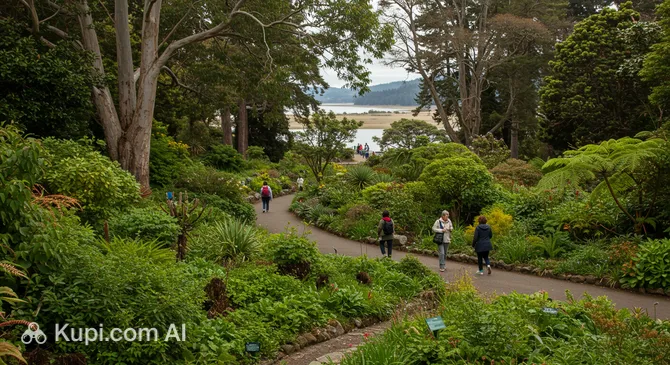
UACh Botanical Garden
UACh Botanical Garden. Иллюстрация. Источник: Kupi.com AI

The garden's collection includes approximately 950 plant species, featuring both unique endemics from the south of the country and exotic representatives of world flora. The territory is divided into thematic zones: here you can see dense Valdivian forest, steppe and dune plants, as well as collections of aquatic and marsh species located along the banks of the Cau-Cau River.

A particular point of pride for the garden is its rare "peace trees," grown from the seeds of plants that survived the Hiroshima bombing. The combination of scientific importance, landscape beauty, and an atmosphere of absolute tranquility makes the UACh Botanical Garden a must-visit on any traveler's itinerary in the Los Ríos region.

Contacts

To contact the Botanical Garden administration or inquire about group visits, you can use the following contact details.

How to contactContact
AddressCampus Isla Teja Uach, Valdivia, Los Ríos, Chile
Phone+56 9 7108 2350
Websitees-la.facebook.com

What to Do

Visiting this spot in Chile is primarily an opportunity to immerse yourself in the atmosphere of a pristine southern forest. You can stroll along well-maintained paths, admiring the majestic coihue and mañío trees, or explore specialized sections like the Myrtaceae garden and the medicinal herb display. For photography enthusiasts, the garden offers stunning views of the Cau-Cau River and lush greenery that changes colors with the seasons.

The garden is ideal for family outings and open-air picnics. Children can learn about the diversity of nature in a fun and educational way. If you are planning a group visit, you can book a free guided tour in advance, where guides explain in detail the ecosystem restoration programs and the rare plant species at risk of extinction.

Beyond contemplating the flora, it is simply pleasant to swap city noise for birdsong and the rustle of leaves. Many come here for relaxation by the water or to see the unique saplings from the "Green Legacy Hiroshima," which have become symbols of life's resilience. This is a place where science meets aesthetics, giving every guest a sense of connection with nature.

Getting There

The Botanical Garden is conveniently located on the Isla Teja campus of the Austral University of Chile in Valdivia. If you are in the city center, the garden is easily accessible on foot or by bicycle by crossing the Pedro de Valdivia Bridge. Regular public transport (microbuses) also runs in this direction, stopping at "Isla Teja."

For those preferring to drive, access to the campus is via Los Robles or Los Lingues streets. There is a small parking lot for cars directly in front of the garden entrance, located behind the Faculty of Science. The banks of the Cau-Cau River serve as a landmark for the entrance.

During winter and rainy periods, keep in mind the nature of the forested area, so comfortable, sturdy footwear is recommended. Access to the campus grounds is free, but visitors are asked to respect university rules and maintain a quiet atmosphere.

Ближайший город: Valdivia

History & Facts

The history of this unique green corner in Chile began between 1955 and 1957. The garden was founded by the first rector of the Austral University of Chile, Dr. Eduardo Morales Miranda. His vision was to create a leading scientific center for studying the country's endemic flora. Kathy Taylor worked on the landscape design of the ornamental section along with experienced gardener José Garrido.

Over the years, the garden has become more than just a part of the Isla Teja campus; it is now an important site of cultural and ecological heritage. In 2003, a special Committee for Sustainable Management was established to protect the garden's ecosystem. In recent decades, a large-scale modernization plan has been implemented, turning the site into a comprehensive complex for research, education, and culture.

One of the most touching facts in the garden's history is its participation in the "Green Legacy Hiroshima" project. It is home to trees (Ginkgo biloba, Camphor tree, and Ilex rotunda) grown from seeds of plants that survived the 1945 atomic bombing. These "peace trees" serve as a living reminder of nature's resilience and the importance of global harmony.

Time Needed

For a leisurely tour of the main collections and to enjoy the tranquility by the Cau-Cau River, a typical visitor will need 1.5 to 3 hours. This is plenty of time to walk along the main paths, relax on the lawns, and take beautiful photos against the backdrop of ancient trees.

If you are interested in botany or plan to study the thematic sections in detail—such as the medicinal herb garden or the Magellanic forest—it is worth setting aside about 4 hours. The garden invites long contemplation, so many tourists prefer to spend an entire morning or afternoon here, combining their visit with a picnic.

Working Hours

The UACh Botanical Garden is open to visitors daily. Official working hours according to Google Places data:

  • Monday — Sunday: 09:00 – 18:00

Please note that during the winter period or depending on weather conditions, operating hours may be shortened (sometimes until 15:30), so it is recommended to check for current information on the official social media page before your visit.

9:00 – 18:00

Nearby

Exploring the surroundings of the Isla Teja campus will allow you to better feel the city's atmosphere and see historical monuments from different eras. Many interesting sites are within walking distance of the Botanical Garden.

NameDistance
Bar Bundor0.5 km
Caucau Bridge0.5 km
Lotus Lagoon0.5 km
Entrebrasas0.7 km
Santa Inés Park0.7 km
Mesa Incógnita0.8 km
Maurice van de Maele Historical and Anthropological Museum0.9 km

Reached the end of the page?

That means the route is fully explored