Support

Museo Histórico y Antropológico Maurice van de Maele

About

You can immerse yourself in the multifaceted history of Chile's southern region by visiting the Maurice van de Maele Historical and Anthropological Museum. This unique cultural space is housed within a majestic 19th-century mansion known as Casa Carlos Anwandter. The building is located on picturesque Teja Island in the city of Valdivia, as part of the university campus.
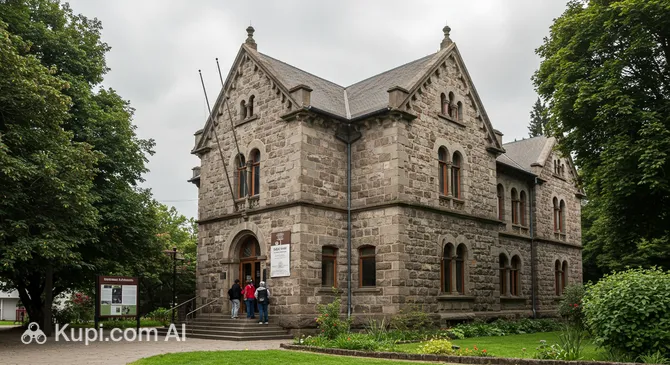
Maurice van de Maele Historical and Anthropological Museum
Maurice van de Maele Historical and Anthropological Museum. Иллюстрация. Источник: Kupi.com AI

The museum is named after the Belgian researcher Maurice van de Maele, who made an invaluable contribution to the preservation of local heritage. The exhibition covers a vast time span: from the life of the ancient indigenous Huilliche people and the period of Spanish conquest to the era of German colonization. In 1981, this architectural ensemble was designated a National Historic Monument, highlighting its special significance for the country.

Walking through the museum's halls feels like traveling back in time. Authentic interiors and artifacts illustrating the daily lives of different social classes and ethnic groups have been carefully preserved here. It is not just a collection of antiquities, but a living chronicle of how European traditions intertwined with Mapuche culture, forming the unique character of modern Valdivia.

Contacts

For more information about special exhibitions or to book group tours, you can use the museum's official contact channels.

How to contactContact
AddressIsla Teja Campus de Los Museos UACh - Los Laureles 95, Valdivia, Los Ríos, Chile
Phone+56 63 221 2872
Websitewww.museosaustral.cl

What to Do

The main focus of the museum should be its thematic rooms, which recreate the lifestyle of past centuries. On the first floor, you can step into the exquisite salons of Spanish, Chilean, and German homes. These feature authentic furniture, decorative art pieces, and documents that vividly demonstrate how the tastes and habits of the city's residents changed from the 1820s under the influence of European immigrants.

Ascending to the second floor, visitors enter the world of ancient cultures and colonial battles. Be sure to see the collection of artifacts from the Mapuche-Huilliche people: it includes unique silver pieces (platería), ceramics, and traditional textiles. Nearby are relics of the Spanish period—ranging from household items to military artifacts that tell of the harsh times of the conquest.

In addition to the permanent exhibition, the museum often hosts temporary exhibitions and educational events. If you are lucky, you might catch a lecture or a film screening in the audiovisual hall. This place is ideal for those who want to not only see ancient objects but also understand how centuries of history are reflected in the lives of modern Chileans.

Getting There

The museum is located in a scenic spot on Teja Island (Isla Teja), within the cultural campus of the Austral University of Chile. The exact address is Los Laureles 95. Thanks to its riverside location, the journey to the museum becomes a pleasant walk with views of the city's waterways.

If you are in the city center, you can reach the site on foot in just 15–20 minutes by crossing the Pedro de Valdivia bridge. You can also use taxis or local buses (micros) that run through Teja Island. A drive from the center takes no more than 5–10 minutes.

For those arriving by private vehicle, parking is available on the campus grounds. A visit to the museum can be easily combined with exploring other island attractions or visiting the famous Mercado Fluvial, located on the opposite bank.

Ближайший город: Valdivia

History & Facts

The building housing the exhibition today is known as Casa Carlos Anwandter. It was constructed in the 1860s (reportedly in 1861) by Prussian colonist Carlos Anwandter. This figure played a key role in the region's industrial development, founding the first national brewery here. For a long time, the house served not only as a family residence but also as a hub for the social life of the city's German elite.

The history of the house is full of dramatic events: in 1881, the building was seriously damaged by a tsunami, after which its facade was completely reconstructed. Later, in 1960, it survived the famous Great Chilean Earthquake, although it required subsequent restoration by the Austral University of Chile.

The museum itself was founded on February 17, 1956, and named after Maurice van de Maele—a prominent Belgian anthropologist and historian. Arriving in the region after World War II, he dedicated three decades of his life to studying and preserving the unique cultural heritage of southern Chile. In 1981, the museum building was granted the status of a National Historic Monument.

Time Needed

To explore all the halls without rushing and delve into the details of the rich collection, an average visitor will need between 1.5 and 2.5 hours. This is enough time to walk through both floors, study the colonial-era interiors, and view the anthropological finds.

If you plan to visit with a guide or wish to spend more time studying historical documents and audiovisual materials, it is worth budgeting about 3 hours. The museum features comfortable halls that invite thoughtful exploration rather than a quick walkthrough.

Working Hours

The museum follows a specific operating schedule. Please note that Monday is a day off, when the institution's doors are closed to visitors.

According to current data, from Tuesday to Sunday, the museum operates 24 hours a day. However, it is highly recommended to double-check this information on the official website or by phone before your visit, as the schedule may vary depending on the season or special events.

DayWorking hours
ПонедельникЗакрыто
ВторникКруглосуточно
СредаКруглосуточно
ЧетвергКруглосуточно
ПятницаКруглосуточно
СубботаКруглосуточно
ВоскресеньеКруглосуточно

Nearby

Exploring the surroundings of Teja Island and the adjacent embankments will allow you to get a deeper feel for the city's atmosphere and see how its historical past and modern life intertwine.

There are many interesting sites concentrated near the museum—from old Spanish towers to modern art spaces and unusual monuments, all within walking distance.

NameDistance
Foucault Pendulum0.2 km
Costanera Promenade0.2 km
Bimba0.3 km
O'Brien Submarine Naval Museum0.3 km
Torreón de los Canelos0.5 km
Bar Bundor0.5 km
Telecommunications Museum0.5 km

Reached the end of the page?

That means the route is fully explored