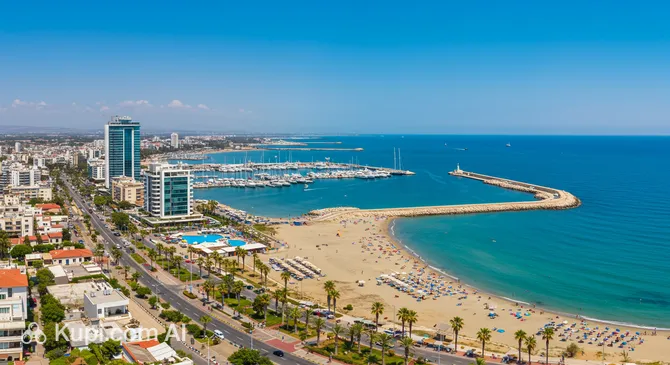
Limassol is a true Mediterranean kaleidoscope, where the fresh *sea breeze* blends with the subtle scent of citrus groves, and the dynamic rhythm of modern life harmoniously intertwines with a relaxed resort atmosphere. Located on the southern coast of Akrotiri Bay, this city is rightfully considered the economic and cultural heart of Cyprus.
Limassol. Illustration.
Source: Kupi.com AI
As the country's second-largest city with a population of approximately 235,000 people, Limassol serves as the region's main maritime gateway. Here, cosmopolitanism meets traditional hospitality: modern architecture and a luxury yacht marina rise next to ancient quarters that preserve centuries of Limassol's history. It is a place where everyone will find something for themselves, whether it's vibrant nightlife or quiet, shaded alleys.
The city's coastline stretches for 14 kilometers, and its signature landmark is the famous Molos promenade. This picturesque walkway is perfect for leisurely evening strolls and cycling along the sea. Furthermore, the city's strategic location makes it a convenient starting point for trips to the Troodos mountain range and exploring the island's authentic villages.
Limassol is an excellent choice for travelers who don't want to choose between beach relaxation and urban entertainment. Fashionable boutiques, gourmet restaurants, and *cozy cafes* await guests year-round, inviting them to dive into the unique atmosphere of this sunny city.
Weather Overview
Weather:
Limassol welcomes travelers with a classic Mediterranean climate, making the city an attractive destination almost year-round. Summer here is hot and dry: from June to August, rain is a rarity, and the number of humid days is close to zero. During these months, the average air temperature is around 25–28°C, with daily highs in July and August regularly reaching 32°C, perfect for beach lovers.
The winter period, lasting from December to February, is characterized by a mild atmosphere, although this is when the bulk of the precipitation occurs. In January, the wettest month, there can be up to 13 rainy days, with the thermometer showing an average of 11–12°C, dropping to 8–9°C at night. Spring and autumn are comfortable transitional seasons: by April, the air warms up to 17°C, and in May, the average temperature reaches a pleasant 21.5°C.
Overall, the city's climatic pattern is predictable: expect a hot sunny summer and a mild winter with occasional rain. To find out exactly what the weather in Limassol will be like during your visit, we recommend checking a detailed forecast in advance.
Average monthly temperature
Average monthly precipitation
Interesting Facts
Limassol is not just a popular resort, but a city with deep traditions and unique features that often go unnoticed by tourists. Here are a few facts that will help you see it in a new light:
The Capital of Winemaking. The city is officially considered the center of winemaking in Cyprus. Every year at the end of summer, a grand Wine Festival takes place here, with the picturesque Limassol Municipal Garden serving as the main venue. Winemaking traditions in this region date back centuries, and local varieties regularly win international awards.
One of Europe's Southernmost Cities. Its geographical position makes Limassol one of the warmest and sunniest places on the continent. The swimming season here lasts the longest, and the sand on the coast—for which Dasoudi Beach is famous, for example—has a dark volcanic tint and is rich in silica, which is considered beneficial for the skin.
A Name with Meaning. In ancient times, the settlement was called Neapolis ("New City"), and later it was named Neomesos, which translates as "New Middle City." This name reflected its location exactly halfway between two important ancient city-states—Kourion and Amathus.
The City of Carnivals. Limassol is known for its Carnival—the brightest and largest celebration on the island, which takes place before Lent. The tradition of street festivities, costume parades, and serenades is so strong that the city transforms into one giant festive stage during these days.
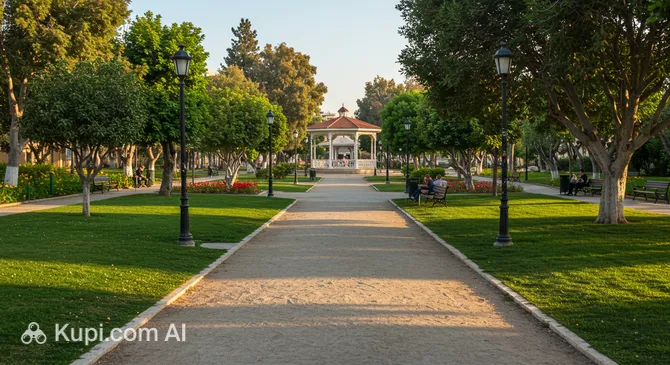
Limassol Municipal Garden. Illustration.
Source: Kupi.com AI
Traveler photos:
How to Get There
Limassol occupies a convenient position on the southern coast of the island, making it easily accessible for travelers. Since the city itself does not have its own airport, tourists usually fly into one of the country's two main air gateways located nearby. You can find out more about how to get to Limassol by exploring all available routes and modes of transport.
The most popular arrival option is Larnaca International Airport (IATA: LCA). It is the region's main air gateway, handling most scheduled and charter flights. The airport is located in the city of Larnaca, approximately 58 km from Limassol. A journey by taxi or rental car via the highway takes about 45–50 minutes. Additionally, regular Limassol Airport Express shuttle buses run between the airport and the resort.
The second convenient option is Paphos International Airport (IATA: PFO). It is located in the city of Paphos, at a distance of about 51 km from Limassol. This airport is often used by budget airlines and low-cost carriers. The drive to the city center takes about the same time as from Larnaca. Convenient bus connections are also established from here.
For clarity, here is a summary of the airports located on the island:
Regarding rail transport, there are currently no railways on the island. Trains are not used as a means of travel, so roads remain the primary way to travel in Cyprus. You can use comfortable intercity buses, shared taxis, or rent a car to enjoy the scenic views on your way to the coast.
Main Attractions
Exploring Limassol's sights is not just about visiting museums or parks, but about immersing yourself in living history frozen in stone. Having survived many eras, the city has preserved a unique architectural appearance where every building can tell its own legend. If you have already explored the famous medieval fortress and enjoyed nature in the municipal gardens, it's time to delve into the labyrinthine streets of the historical center.
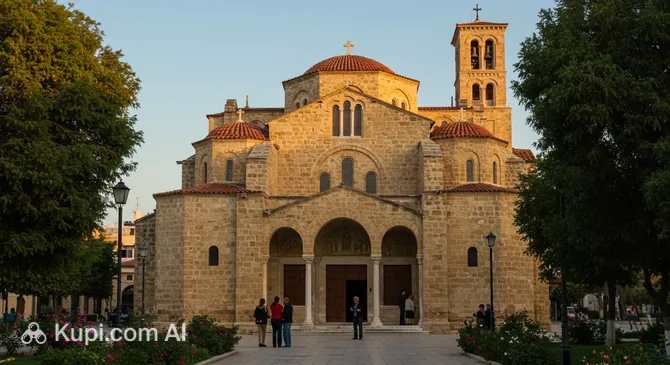
One of the main architectural landmarks of the Old Town is the majestic Ayia Napa Cathedral. This cathedral, built in the early 20th century on the ruins of an older Byzantine church, is striking in its elegance. The building's snow-white facade, decorated with elements reflecting various architectural styles, and its two tall bell towers make it a recognizable symbol of the district. The interior is equally impressive: rich frescoes, an iconostasis, and a special atmosphere of peace attract not only pilgrims but also art lovers.
Ayia Napa Cathedral. Illustration.
Source: Kupi.com AI
Traveler photos:
A walk through Limassol's historical center can be an adventure in itself. The narrow, winding streets branching out from the old harbor are full of character. Here, traditional Cypriot houses with wooden shutters and wrought-iron balconies stand alongside artisan workshops. Pay attention to the doors and arches of ancient buildings—many of them still bear traces of Venetian and Ottoman influence.
The district's charm is heightened by its contrasts: ancient masonry often serves as a canvas for modern street art, while trendy art galleries hide in the shadows of historic mansions. This is the perfect place for a leisurely stroll, where you can feel the true spirit of the city, undisturbed by the displays of tourist shops.
Local Cuisine
Limassol's cuisine is a true paradise for foodies, where Mediterranean traditions intertwine with local hospitality. The city's gastronomic scene is incredibly diverse: you can find everything from sophisticated fine-dining restaurants to cozy family taverns where recipes are passed down through generations. Eating in Cyprus is not just about satisfying hunger, but an important social ritual that brings people together at one table.
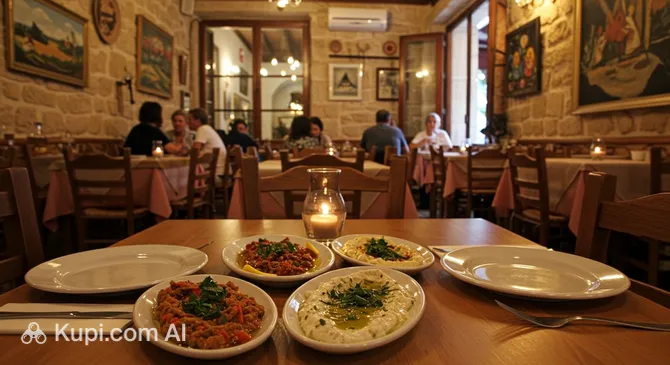
The main culinary attraction to start your acquaintance with the local cuisine is, undoubtedly, meze. This is not just one dish, but a whole gastronomic performance consisting of dozens of small plates with appetizers. The set usually includes olives, sauces (tzatziki, taramasalata), and fresh salads, followed by hot meat or seafood dishes. To feel the atmosphere of a real Cypriot feast, it's worth visiting a place like MEZE Taverna, where the traditions of preparing this comprehensive meal are honored.
MEZE Taverna. Illustration.
Source: Kupi.com AI
Traveler photos:
Among the must-try products, halloumi cheese is king. It is served grilled, acquiring a unique crust and soft texture. Meat lovers should definitely try kleftiko—lamb slow-cooked in an oven for many hours until the meat falls off the bone—and souvlaki—fragrant skewers grilled over charcoal. Given the city's coastal location, fresh seafood is always on the menu: grilled octopus and calamari are particularly good here.
No meal in Limassol is complete without drinks. The region is famous for its winemaking traditions, which date back to ancient times. The signature drink is Commandaria, a sweet dessert wine considered one of the oldest in the world. Additionally, local wineries produce excellent dry white and red wines that complement dinner perfectly. On a hot day, locals prefer to refresh themselves with cold frappe coffee or fresh juices made from local citrus fruits.
The food culture in the city is very democratic. Locals love spending evenings in noisy taverns, enjoying food and conversation. It's also worth visiting the city markets, where you can buy fresh fruit, homemade cheeses, olive oil, and aromatic spices. And if you have a sweet tooth, be sure to try loukoumades—airy honey-soaked doughnuts—or traditional baklava, sold in both pastry shops and street stalls during numerous food festivals.
Travel Tips
Limassol is an incredibly welcoming and comfortable city for tourists, but as with any trip, knowing local nuances will make your holiday much more pleasant. We've gathered a selection of practical recommendations to help you avoid small difficulties, save time, and enjoy your stay in Cyprus to the fullest.
Clothing and Dress Code. In summer, the sun is very strong, so be sure to bring hats, high-quality sunglasses, and clothes made of natural fabrics. In winter (from December to March), evenings can be cool and damp, so a windproof jacket and comfortable closed shoes will come in handy. If you plan to visit active monasteries or churches, remember the strict dress code: shoulders and knees must be covered for both women and men.
Transport Features. The most convenient way to explore the surroundings is by renting a car, but remember that driving here is on the left-hand side (a legacy of the British past). If you're not ready to get behind the wheel, use taxis via apps (like Bolt) or city buses. For buses, prepare change in advance: drivers accept cash payments upon boarding, and large bills can be a problem.
Finance and Tipping. The official currency is the Euro. Bank cards are accepted almost everywhere: in restaurants, hotels, and supermarkets. However, cash (5, 10, 20 euro bills) is necessary for small purchases at kiosks and markets. Tipping in cafes is usually 5–10% of the bill; often it's not included in the check, but staff will be grateful for a reward for good service.
Health and Sockets. Tap water in Limassol is safe, but due to its high mineral content, it may have an unusual taste, so tourists usually buy bottled water. An important technical point: British-type sockets (with three pins) are used here. Be sure to bring an adapter, though many hotels can provide one upon request.
Language and Communication. There is practically no language barrier: most locals speak English fluently, and in many establishments, the staff also understands Russian. For mobile internet, it's most profitable to buy a local prepaid SIM card (e.g., from operators Cyta or Epic) at any kiosk; you'll only need your passport to register.
Local Mentality. Cypriots live at a "siga-siga" pace (slowly-slowly). This is not laziness, but a philosophy of life without stress. Don't get annoyed if a waiter takes a little longer than usual to bring the menu—relax and enjoy the moment. Greetings are usually accompanied by a smile and a handshake; locals are very open and friendly.
Things to Avoid. Refrain from discussing sensitive political topics with locals. Also, it is not common to refuse a treat ("kerasma") if the owner of a tavern or shop offers you coffee or sweets—it's a gesture of sincere hospitality, and refusal may be seen as impolite.
Useful Life Hack. Pay attention to shop hours: on Wednesdays and Saturdays, many non-grocery shops close after lunch (around 14:00–15:00). However, "periptero" (24-hour kiosks) will be a real lifesaver, where you can buy literally everything: from food and drinks to flip-flops and socket adapters.
We hope these tips help you quickly adapt to Limassol and feel confident in any situation. May your journey be filled with only pleasant discoveries, delicious food, and a sunny mood!
Entertainment & Nightlife
When the sun sets behind the horizon, Limassol confirms its status as the nightlife capital of Cyprus. The city offers entertainment for every taste, from loud beach parties to sophisticated evenings in lounge bars. Most activity is concentrated in several key areas. The heart of the youth scene is Saripolou Square in the old town—a maze of narrow streets filled with dozens of bars where the music doesn't stop until morning. For those who prefer a more glamorous and calm atmosphere, the Limassol Marina area and the Old Port zone are ideal for enjoying signature cocktails with a view of the yachts.
The atmosphere in these venues ranges from relaxed to high-end. Most bars on Saripolou have a casual dress code, while clubs in the tourist area (Germasogeia district) and Marina establishments usually expect smart casual attire. Nightlife here starts late: bars fill up closer to 10:00 PM, and clubs open their doors around midnight, staying active until the early morning hours. The crowd is very diverse, including locals, tourists from all over the world, and expats, creating a friendly and cosmopolitan environment.
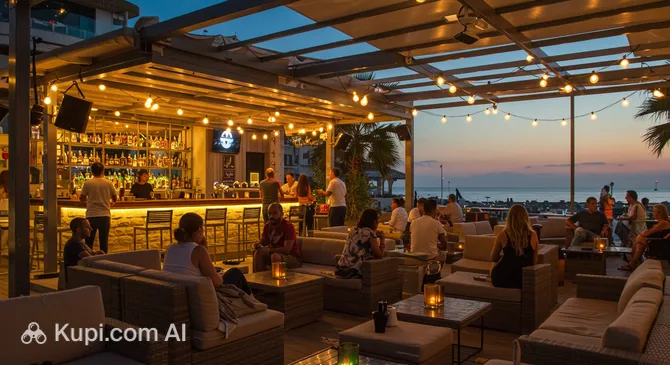
Bar Du Soleil. Illustration.
Source: Kupi.com AI
Traveler photos:
Among the specific places worth visiting, Bar Du Soleil stands out. This popular spot in the Old Port area is famous for its stylish interior and excellent drink menu, perfect for starting the evening. If you're looking for a place with unique architecture and historical charm, check out Da Vinci—a bar and club located in one of the city's oldest buildings, where stone walls create special acoustics and atmosphere. For those who want to combine dinner with quality drinks and a lively vibe, Poe Bar & Restaurant is an excellent choice, known for its cozy setting.
Practical Tips and Safety: Limassol is a safe city for nighttime walks; the main tourist areas are well-lit and patrolled. However, as with anywhere, you should not leave your belongings unattended. Public transport is rare at night, so it's better to use a taxi to return to your hotel. You can call a car via popular mobile apps or find one at designated taxi stands. The average cost of a cocktail in bars is 8–12 euros, and entry to major clubs may be paid (about 10–20 euros, often including a drink).
While Limassol is famous for its nightlife, daytime entertainment is just as varied. The city offers many cultural events, theatrical performances at the Rialto Theatre, and exhibitions in local galleries. Families with children can head to the Fasouri Watermania Waterpark (located in the suburbs) or visit themed festivals that often take place on the Molos promenade.
Parks & Museums
Limassol harmoniously combines the dynamics of a modern resort with the comfort of green zones, offering tourists the chance to escape the city bustle in shaded parks or delve into the study of its rich cultural heritage. The city carefully preserves its history in museums, while its natural spots become ideal for leisurely family walks.
The main green oasis in the city center is rightfully considered the Limassol Municipal Garden. This is a popular spot for both locals and tourists to relax, where you can stroll along well-kept alleys among eucalyptus, pine, and cypress trees. The garden often serves as a venue for various events, including the famous Wine Festival. A peaceful atmosphere reigns here, allowing you to forget the noise of the busy streets while being in the very heart of the city.
Those who like to combine seaside relaxation with nature walks should visit Dasoudi Beach. Its uniqueness lies in the presence of a thick eucalyptus grove that stretches along the coast. The trees provide natural shade and fill the air with a healing fragrance, making this an ideal spot for morning jogs or picnics during the midday heat.
For those interested in history and culture, Limassol opens the doors of its unique museums. To learn how people lived in this region thousands of years ago, head to the Limassol District Archaeological Museum. The exhibition covers a vast period from the Neolithic to the Roman era. It features ancient ceramics, jewelry, figurines, and everyday items found during excavations in the city's surroundings, including the famous ancient city-states of Kourion and Amathus.
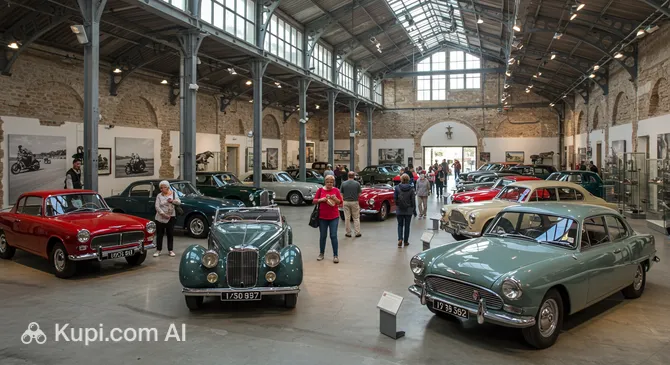
Cyprus Motor Museum. Illustration.
Source: Kupi.com AI
Traveler photos:
A completely different experience is offered by the Cyprus Motor Museum. This place will be interesting not only for car enthusiasts but also for families with children. The collection includes classic, historical, and collectible cars from different eras, including rare models used in film productions. Each exhibit here has its own unique story, reflecting the spirit of its time.
One cannot forget the main historical landmark of the center—Limassol Castle — Cyprus Medieval Museum. Within its stone halls lies an impressive collection of weapons, armor, coins, and religious artifacts that tell the story of the island's knightly past. This is a must-visit for anyone who wants to touch the legends of Richard the Lionheart.
For family leisure, the Limassol Zoo, located within the Municipal Garden, is a great choice. Although small, the zoo is very cozy and modern, focusing on animal comfort and educational programs for children. Here you can see pygmy hippos, meerkats, and various birds.
Insider Tip: Don't limit yourself to indoor museums. Take a walk along the Molos promenade, which is essentially an open-air modern art museum. Dozens of sculptures by Cypriot and international artists are installed along the sea, and at sunset, they look particularly impressive, creating a unique backdrop for photos.
Getting Around
The public transport system in Limassol is quite simple and intuitive, even for first-time visitors. The city has no metro, trams, or trains, so the only form of municipal transport is buses. They are managed by the EMEL company and are easily recognizable by their distinctive blue color. The route network covers the entire city, connecting residential areas, the business center, and the tourist coastal zone.
For travelers, the most important and convenient route is Route No. 30. This bus runs along the coastline, linking the hotel zone with the city center, the Old Port, and the Marina. It runs every 10–15 minutes, making it an ideal way to get to the beach or a restaurant without spending too much. Note that the schedule depends on the season: in summer, buses run more frequently and later (until approximately midnight), while in winter, service ends earlier.
The payment system is focused on passenger convenience. A single-trip ticket can be bought directly from the driver upon boarding. The cost of a day ticket is around 1.50 euros, while the night fare (after 21:00) is about 2.50 euros. Payment is accepted in cash only, so we strongly recommend having small bills or coins with you. If you plan to travel a lot during the day, it's more economical to purchase a day pass (around 5 euros), which entitles you to unlimited trips until 23:00. There are also rechargeable plastic Motion Bus Cards, but they are usually not necessary for a short visit.
As an alternative to buses, taxi services are well-developed in Limassol. You can catch a car on the street, find one at designated stands, or call one via popular mobile apps like Bolt. This is a more expensive but comfortable way to get around, especially at night. Also, the Nextbike bike-sharing system is popular along the promenade and in the city center: renting a bike is a great option for a ride along the sea on specially equipped bike paths.
To plan your routes, we recommend downloading the Cyprus Bus app or using Google Maps, which show schedules and stops quite accurately. An important detail: buses only stop at bus stops on request, so when you see the correct number, be sure to wave to the driver, and press the button inside the cabin in advance to get off.
Accommodation
Limassol offers travelers a wide range of accommodation options to suit every taste and budget. The city's hotel infrastructure is well-developed: here you can find luxury five-star resorts with private beaches and spas, as well as affordable mid-range city hotels, cozy boutique hotels in historic buildings, and numerous self-catering apartments.
Most tourists prefer to stay in the so-called Tourist Area (Germasogeia and Agios Tychonas districts), which stretches along the eastern coast from the city center. This is a strategically convenient location: popular beaches, shops, and restaurants are concentrated here, and bus route No. 30, which connects this area to the center, runs along the sea. For those who want to be closer to history, culture, and evening entertainment, options in the Old Town and Limassol Marina are ideal, where you can experience a special flavor living next door to the main attractions.
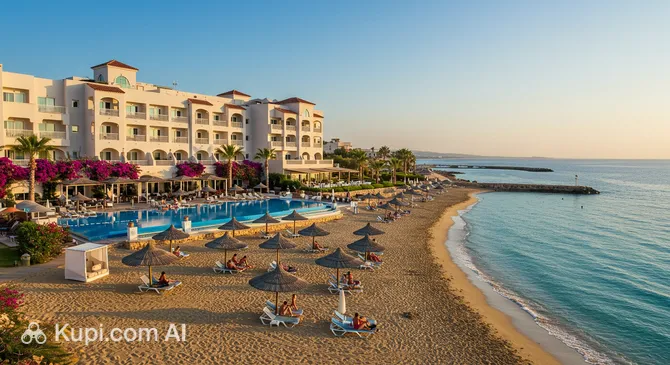
Miramare Beach. Illustration.
Source: Kupi.com AI
Traveler photos:
If you are looking for proven resort-style options, it's worth considering Miramare Beach. This hotel is known for its beachfront location and developed infrastructure for a comfortable stay. Another popular choice among visitors is the Harmony Bay Hotel, which offers modern rooms with sea views and is located in the immediate vicinity of the lively tourist zone.
Booking Tips and Prices: Limassol is a popular destination, so during the peak season (from May to October), the best options are booked up very quickly. It is recommended to book accommodation 2–3 months before your trip. The price range varies: budget apartments can cost from 50 euros per night, mid-range hotels are around 100–150 euros, and luxury hotel rates start from 200–250 euros. You can book a room through popular international online aggregators or directly on the hotels' websites.
Nearby Cities
For those looking to explore the surroundings, Limassol serves as an excellent base for day trips to several interesting nearby locations:
City
Population
Distance
Mesa Geitonia
14 477
2 km
Kato Polemidia
22 369
3 km
Agios Athanasios
14 578
4 km
Germasogeia
13 421
6 km
Akrotiri
—
12 km
Paphos, located to the west of the city, is a real treasure trove for history buffs. The entire city is a UNESCO World Heritage site. You can spend a whole day here exploring the Archaeological Park with its magnificently preserved mosaics, visiting the mysterious Tombs of the Kings, or strolling along the picturesque harbor near the medieval fort.
Larnaca is another accessible option for a trip, located less than an hour's drive away. This city is famous for its Finikoudes palm-lined promenade and the ancient Church of Saint Lazarus. Nature lovers will appreciate a trip to the famous Salt Lake, which becomes home to flocks of pink flamingos during the winter period.
Nicosia, the island's capital, offers a unique blend of history and modern city life. Inside the Venetian walls of the old city lie narrow streets with museums, art galleries, and cozy cafes. This is the perfect place for those who want to immerse themselves in the cultural atmosphere and visit the famous Cyprus Museum.
These nearby destinations provide a glimpse into the diverse culture and landscapes of the region.
Shopping & Souvenirs
Shopping in Limassol is an exciting adventure that will satisfy the demands of both high-fashion lovers and unique souvenir hunters. The city is considered one of the main shopping centers on the island, offering a harmonious blend of modern European brands and colorful local shops. You can find everything here: from designer clothing and jewelry to traditional Cypriot ceramics and gourmet delicacies. The specialty of local shopping lies in its diversity and the opportunity to combine a walk through historical streets with making purchases.
The city's main shopping artery is rightfully considered Anexartisias Street, located in the heart of the old town. This is a pedestrian-friendly zone where a huge number of shops for popular international clothing, shoe, and cosmetic brands are concentrated. If you are interested in a more premium segment, head to Archbishop Makarios III Avenue. This wide street is famous for its high-end boutiques, jewelry salons, and designer furniture showrooms. A walk here is not just about shopping, but a chance to appreciate the fashionable side of the city's life.
For those who prefer to shop in comfort under one roof, the ideal place is My Mall Limassol. It is the largest shopping and entertainment center in the region, located on the western outskirts of the city. Here, under air-conditioned roofs, are hundreds of shops, a food court, bowling, and even an ice rink, making it a great place for family fun. Another popular point of interest, especially for buying household goods, toys, and seasonal decorations at affordable prices, is the huge Jumbo store, which resembles a real maze of useful trifles.
MY MALL Limassol. Illustration.
Source: Kupi.com AI
Traveler photos:
To feel the true spirit of Cyprus, be sure to visit the local markets. On Saturdays, flea markets come to life (for example, in the Linopetra area), where you can find vintage items and antiques. However, the most atmospheric place remains the Central Market (Agora) in the old town. Here, in a historic building, local farmers sell the freshest fruits, vegetables, nuts, and homemade sweets. This is the perfect location to try and buy local products while bargaining with smiling sellers.
As souvenirs from Limassol, tourists most often bring home gastronomic treasures. Be sure to buy a bottle of Commandaria dessert wine, produced in the surrounding villages, or carob syrup, known as the "black gold" of Cyprus for its health benefits. Also popular are vacuum-packed halloumi cheese, cold-pressed olive oil, and Turkish delight (lokum). Among non-food items, look for handmade Lefkara lace, leather goods, and high-quality natural cosmetics based on olive oil and herbs.
Shops in Limassol typically operate from 09:00 to 19:00 or 20:00, but local specifics should be considered. On Wednesday and Saturday, many small shops close after lunch (around 14:00), and Sunday is often a day off. Large shopping centers and supermarkets work without breaks or days off until late evening. Card payments are accepted everywhere, but for purchases at markets or small kiosks, it's better to have some cash euros with you.
Tourists from non-EU countries can take advantage of the Tax Free system. If your purchase amount in one store exceeds 50 euros, ask the seller for a special form. You can get a partial tax refund (usually around 10–12%) at Larnaca or Paphos airport before departure by presenting your passport, form, and purchased goods. This is a nice bonus that allows you to save a little on quality European products.