Support

Spa Colonnade

About

Imagine delicate metal lace, frozen in stone and glass — this is exactly what the famous Resort Colonnade looks like. It has become a hallmark of the city, visited by almost every guest of Mariánské Lázně. This majestic Neo-Baroque structure, built at the end of the 19th century, is considered the longest covered promenade in a country like the Czech Republic.
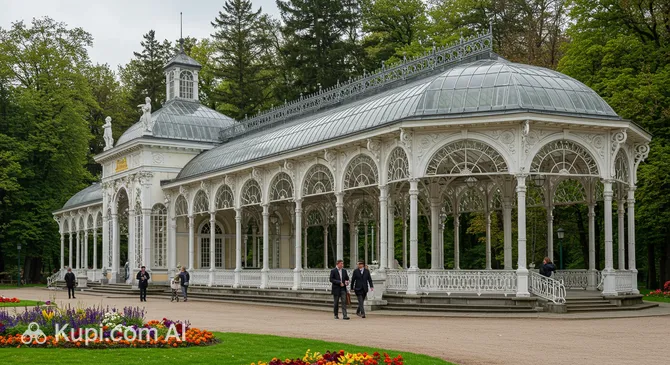
Colonnade of the Spa
Colonnade of the Spa. Иллюстрация. Источник: Kupi.com AI

The 119-meter-long structure is striking in its lightness and wealth of decoration. Designed by Viennese masters and cast from iron, it is a rare and valuable example of the "resort architecture" of that era. Inside, the space is decorated with a cycle of unique frescoes and bronze reliefs, creating an atmosphere of aristocratic tranquility.

Today, it is not just an architectural monument but a vibrant center of social life. The Colonnade connects pavilions with healing springs and the famous Singing Fountain, standing as a national cultural heritage site. Here, the imperial charm of Vienna blends harmoniously with the cozy nature of the Slavkov Forest surrounding the city.

Contacts

To ensure your walk through the historic city center is as comfortable as possible, it is worth checking the exact location of the site in advance. The Colonnade is situated in the very heart of the resort zone and is easy to find by its distinctive architectural silhouette.

How to contactContact
AddressAnglická, 353 01 Mariánské Lázně-Mariánské Lázně 1, Чехия

What to Do

A walk under the vaults of this architectural masterpiece is a mandatory ritual for every tourist. Here, you can take shelter from the weather and slowly taste the mineral water from the famous springs while enjoying the classical melodies that often echo through the pavilion walls. Particular attention should be paid to the ceiling frescoes "Man's Desire to Fly" — their detail impresses even seasoned travelers.

Don't forget to step out to the Singing Fountain, located right at the entrance to the colonnade. Throughout the day, you can watch the dance of water set to the music of famous composers, and in the evening, the show is enhanced by spectacular lighting. This is an ideal spot for memorable Neo-Baroque style photo sessions, especially in the rays of the setting sun.

For those who prefer a more relaxed experience, there are cozy cafes on-site where you can enjoy a cup of coffee with a view of the well-kept park alleys. If you are looking for more cultural impressions, stop by the neighboring Rudolph and Caroline Spring pavilions — they complement the architectural ensemble and allow for a deeper look into the traditions of Czech spa culture.

Getting There

Reaching this balneological paradise is quite simple. The town of Mariánské Lázně has excellent transport links: trains and buses arrive regularly from Prague (the journey takes about 3 hours), as well as from Munich or Nuremberg in Germany. If you are arriving at Václav Havel Airport Prague, you can use a transfer, bus, or taxi — the trip will take approximately 2.5–3 hours.

The colonnade itself is located in the central pedestrian part of the city. From the main railway station, it is just a leisurely 10–15 minute walk (about 1 km) following the main street past a picturesque park. The town is very compact and perfectly suited for exploring on foot.

For those who prefer public transport, local trolleybuses and buses stop near the site. If you are traveling by car, you can leave it in paid parking lots located near the spa center. In the summer season, bicycle rentals are also popular, with convenient paths laid out throughout the city.

Ближайший город: Marianske Lazne

History & Facts

The construction of this majestic structure was initiated in 1888–1889 by the Abbot of the Teplá Monastery. The Neo-Baroque project was developed by Viennese architects Hans Miksch and Julian Niedzielski. The unique cast-iron structure was manufactured at the ironworks in Blansko and delivered here by rail, becoming a symbol of the resort's "Golden Age."

Interestingly, the building miraculously survived World War II, avoiding being dismantled. In the post-war years, specifically in 1951, after a visit by the famous writer, it became known as the Maxim Gorky Colonnade. In the 1970s, a large-scale restoration began, during which the coffered ceilings were restored and unique frescoes on the theme of man's desire to fly were created.

In 2010, the site officially received the status of a national cultural monument. Today, it is one of the rarest surviving examples of cast-iron resort structures in Europe. It serves as a reminder of the times when the European elite visited the city and Abbot Karl Kaspar Reitenberger laid the foundations for local balneological treatment.

Time Needed

Typically, travelers find that 30 to 60 minutes is enough to take a leisurely stroll along the 119-meter covered promenade, examine the details of the cast ironwork, and admire the ceiling frescoes. This time is also sufficient to try the water from the local springs and take a few beautiful souvenir photos.

If you plan to combine your visit with a trip to the neighboring pavilions (such as the Cross Spring or the Rudolph and Caroline Springs) and want to wait for the start of the Singing Fountain show, it is better to budget about 1–1.5 hours. This will allow you to fully immerse yourself in the calm rhythm of resort life without any rush.

Working Hours

The landmark is open for public access daily and around the clock. This allows guests of the city to enjoy its beauty both in the silence of the early morning and in the romantic light of evening lamps.

Although the promenade area itself is accessible 24/7, the operating hours of the drinking pavilions and the times for the Singing Fountain musical performances may have their own schedules. We recommend checking the schedule of cultural events and concerts on the city's official website or at the tourist information center.

Круглосуточно

Nearby

Exploring the surroundings of the main colonnade will allow you to dive deeper into the atmosphere of the "garden city." Just a few steps from the historic promenade, you will find other healing springs and picturesque spots, each with its own unique architecture and history.

NameDistance
Ferdinand's Spring Colonnade0 km
SwissHouse Restaurant0.3 km
Dolce Italia0.6 km
Beer Spa Marienbad0.6 km
Nature Park Prelate Marienbad0.8 km
Irish Pub1.1 km
Hamelika Lookout Tower1.1 km

Reached the end of the page?

That means the route is fully explored