Support

Vulqano Park

About

Vulcano Park is one of Ecuador's most impressive natural attractions, located on the outskirts of the capital, Quito. This national park is a must-visit for anyone wishing to experience the majestic nature of the Andes and see one of the world's most famous volcanoes.
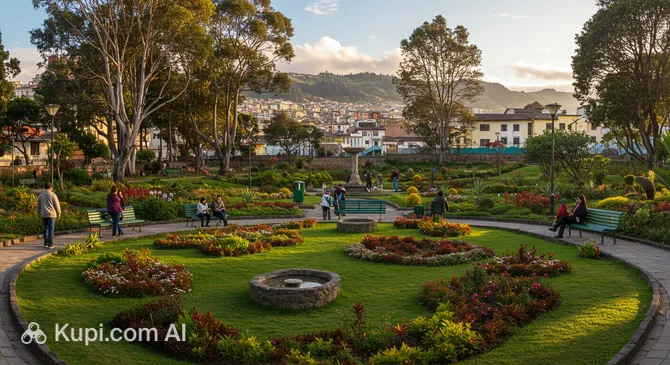
Vulqano Park. Illustration.
Source: Kupi.com AI

Traveler photos:

The crown jewel of the park is the Cotopaxi volcano—one of the highest active volcanoes on the planet, with its peak reaching 5,897 meters above sea level. Its nearly perfect conical shape, topped with a snow cap, is visible even from the capital and has become a true symbol of the country, attracting climbers and nature lovers from all over the world.

The park's territory is a unique ecosystem with breathtaking mountain landscapes. Here, travelers can explore alpine meadows known as "paramo," see glaciers, and enjoy a variety of local flora and fauna. The park offers hiking trails of varying difficulty, allowing everyone to enjoy its beauty.

Thanks to its easy accessibility from Quito and its unique natural features, Vulcano Park has become a popular destination for both short day trips and longer expeditions. It is the perfect place to feel the power of nature and take unforgettable photos against the backdrop of one of South America's most photogenic volcanoes.

Contacts

Vulcano National Park is a vast natural area located on the outskirts of Quito. Since access to the park and its trails can change depending on weather conditions and volcanic activity, it is advisable to plan your visit in advance.

For the most up-to-date information on trail conditions, visiting rules, and access hours, it is recommended to contact official tourist centers in Quito or check the websites of Ecuador's national parks. This will help ensure your trip is both safe and comfortable.

How to contactContact
AddressQuito 170129, Ecuador
Phone number+593 2-222-2733
Websitewww.vulqanopark.com

What to Do

Vulcano Park is a true paradise for nature lovers and outdoor enthusiasts, located near Quito. One of the main activities here is hiking along well-maintained trails that lead to the base and up the slopes of the majestic Cotopaxi volcano. During your hike, you can observe unique high-altitude flora and fauna, take stunning photos against the snow-capped peak, and enjoy the crystal-clear mountain air. To learn more about the geology and culture of this region of Ecuador, it is worth joining a guided tour.

For those seeking more dynamic adventures, the park offers plenty of opportunities. You can go mountaineering and trekking, following routes of varying difficulty that lead to picturesque lakes or even to the volcano's crater. Equally exciting is exploring the park by mountain bike or on horseback—horseback tours allow you to see the most beautiful and secluded corners of the area.

The park is also perfect for a relaxing getaway. It is a popular spot for birdwatching, as it is home to many rare species, and if you're lucky, you might see an Andean condor soaring in the sky. Many visitors simply come here to enjoy a picnic against the backdrop of breathtaking landscapes, taking in the silence and connection with nature.

Getting There

Getting to Vulcano Park from Quito is quite straightforward despite its location outside the city. The park is situated approximately 45-50 kilometers south of Ecuador's capital, and the drive usually takes between one and one and a half hours. The main route follows the modern Pan-American Highway (Panamericana Sur), making the journey quick and comfortable.

The most convenient way to visit Vulcano Park is by joining an organized excursion. Many tour companies in Quito offer day tours that include transfers directly from your hotel, guide services, and entrance fees. This is an excellent option for those who prefer not to worry about logistics and want to gain as much information as possible during the trip.

For more independent travelers, renting a car is a great solution. This gives you the freedom to plan your own day and stay at the park for as long as you like. Additionally, there is a budget-friendly option: you can take an intercity bus from Quito to one of the towns nearest the park, and from there, take a taxi or a local shuttle to the entrance. This method requires more independence but allows for a deeper immersion into the local atmosphere.

Nearest city: Quito

History & Facts

Vulcano Park, better known as Cotopaxi National Park, has deep cultural and geological roots. Its centerpiece, the Cotopaxi volcano, is revered by the indigenous peoples of Ecuador. The name of the volcano comes from the Quechua language and is poetically translated as "the smoking or shining mountain," which accurately describes its majestic appearance and the volcanic activity observed over the centuries.

The history of the region is marked by the powerful natural force of the volcano. Cotopaxi is one of the most active volcanoes in the world, and its eruptions have repeatedly reshaped the local landscape. One significant recent event occurred in August 2015, when an eruption forced authorities to temporarily close the park to visitors. This fact serves as a constant reminder of the dynamic and living nature of this place.

The national park itself was established to protect the unique ecosystem of the high-altitude Andes surrounding the volcano. Thanks to its location just 50 kilometers south of Quito, it has become one of the most popular and accessible nature reserves in the country. Today, the park attracts thousands of tourists and locals alike, eager to see its otherworldly landscapes, rare wildlife, and, of course, the famous volcano itself.

Time Needed

To fully enjoy all the beauty and opportunities Vulcano Park has to offer, it is recommended to dedicate a full day to your visit. This is not an attraction that can be rushed through in a couple of hours. When planning your trip here, be prepared for a busy day full of impressions and active outdoor recreation.

A significant portion of the time is spent not just in the park itself, but also on the journey to and from Quito. Organized excursions typically last from 6 to 10 hours. This time includes the transfer, leisurely walks along scenic trails, viewing unique natural sites, and time for rest. This time buffer will allow you to immerse yourself in the park's atmosphere without rushing and get the most out of your visit.

Working Hours

Vulcano Park is usually open to visitors daily, making it accessible on any day of your trip to Quito. The approximate operating hours of the park are from 08:00 AM to 05:00 PM. This time is generally sufficient to explore the main highlights and enjoy the atmosphere.

It is important to note that the schedule may change depending on the season and, particularly relevant for mountain areas, weather conditions. Therefore, to avoid any unpleasant surprises, it is highly recommended to check the latest information on the park's official website or at local tourist information offices before your trip. Advance booking is not usually required for individual visitors, but it is better for groups to check the conditions in advance.

DayOpening hours
Monday12:00 – 19:00
TuesdayClosed
WednesdayClosed
Thursday12:00 – 19:00
Friday12:00 – 21:00
Saturday11:00 – 21:00
Sunday11:00 – 21:00

Nearby

A visit to Vulcano Park is undoubtedly a highlight, but Quito offers much more. Exploring the park's surroundings will allow you to dive deeper into the atmosphere of this amazing city and discover its cultural and historical diversity. By combining a trip to the park with other attractions, you can create a more complete and rich impression of Ecuador's capital.

Fortunately, many of Quito's iconic sites are relatively close to Vulcano Park. This makes route planning convenient and allows for efficient use of your time. Below is a list of interesting sites located nearby, including their distance from the park.

NameDistance
TelefériQo Cable Car0.2 km
Contemporary Art Center of Quito2.4 km
Yaku Water Museum2.8 km
El Ejido Park2.8 km
Quito Historic Center3 km
La Mariscal Artisan Market3 km
Plaza de la Independencia3.1 km

Have you reached the end of the page?

So the route has been studied inside and out