Support

Botanical Garden of Nantes

About

The Botanical Garden of Nantes (Jardin des Plantes de Nantes) is one of the four major botanical gardens in France and a true green oasis in the heart of the city. Founded in its modern form in the early 19th century, it is not only a popular place for relaxation but also an important scientific center. The garden is a vast territory housing a rich collection of plants from all over the world, serving as a peaceful sanctuary from the bustle of the city.

The garden's collection includes approximately 11,000 plant species, including rare and very old specimens, harmoniously placed across an area of over 7 hectares. Here, you can see the famous magnolia planted in 1807, unique camellias, giant sequoias, and even the extremely rare Wollemi pine. Plants are set along the banks of picturesque ponds, canals, and winding paths, creating impressive landscape compositions.
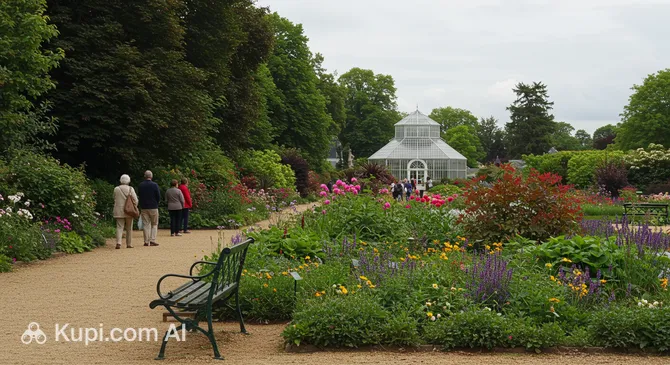
Botanical Garden of Nantes. Illustration.
Source: Kupi.com AI

Traveller photos:

The garden's territory is artfully decorated with numerous fountains, cascades, statues, and elegant 19th-century greenhouses. These architectural elements transform it into a work of landscape art, where every corner offers something new for the eye and soul. The 800 m² greenhouses, which recreate conditions for tropical plants from Africa, Asia, and America, deserve special attention.

Since its opening to the public, the garden has become a favorite walking spot for both residents and visitors of Nantes. It is the perfect place to relax, enjoy nature, and discover an amazing variety of flora without leaving the city center. You can also find original art objects and a play area for children, making the visit interesting for the whole family.

Contacts

To plan your visit, check the current opening hours, or get information about events at the Botanical Garden of Nantes, it is recommended to consult official sources. The garden is located in the city center, making it easily accessible for visitors.

How to contactContact
AddressRue Stanislas Baudry, 44000 Nantes, France
Phone+33 2 40 41 65 09
Websitenature.metropole.nantes.fr

What to Do

A walk through the Botanical Garden of Nantes is an immersion into a world of amazing flora. Visitors can leisurely explore themed gardens where magnolias bloom and mulberry trees grow year-round. The unique collection of camellias, which includes about 600 different varieties and is recognized as one of the best in France, deserves special attention as a true treasure for lovers of these exquisite flowers.

The garden is famous for its centuries-old giant trees. Here, you can see true witnesses of history: a 219-year-old Magnolia grandiflora, a 150-year-old tulip tree, as well as impressive giant and evergreen sequoias, which are also over a century and a half old. Standing tall beside them are a 140-year-old horse chestnut and a London plane, creating the feeling of walking through an ancient forest.

In addition to living nature, the garden is decorated with man-made masterpieces. Every year, about 70,000 flowering plants are planted in mosaic flowerbeds, forming stunning patterned compositions. You can also admire the ancient fountain from 1859, which is striking for its longevity, having worked for 130 years without major repairs. The greenhouse and the Palm House, built at the end of the 19th century, are of architectural interest and represent beautiful examples of their era.

Getting There

Getting to the Botanical Garden of Nantes is very easy thanks to its prime location in the heart of the city. The garden is situated right next to the main railway station (Gare de Nantes), literally just a few steps from its north exit (Gare Nord). This proximity makes it an ideal place to visit immediately upon arrival in the city or before departure, allowing you to spend your time productively while waiting for a train.

For those who prefer public transport, there is a convenient stop nearby called "Gare Nord - Jardin des Plantes." You can reach it via tram line 1, which is one of the city's main transport arteries. Additionally, numerous buses stop here, including routes C1, C2, 11, and 54, providing connections to almost any district in Nantes.

If you are staying in the center, a walk to the Botanical Garden will be pleasant and take very little time. It is a great opportunity to get acquainted with the city's architecture. Alternatively, you can always use taxi or car-sharing services. Taxi ranks are easy to find throughout the city, including at the station, making the trip to the garden quick and comfortable.

Nearest city: Nantes

History & Facts

The history of the Botanical Garden of Nantes dates back to the end of the 17th century. It all began in 1688, when King Louis XV ordered a small vegetable garden for growing medicinal herbs to be laid out beyond the city walls. Initially, it was a scientific site where enthusiasts studied about 1,700 species of exotic plants, and ship captains were instructed to bring back seeds of unusual plants from distant lands. It was only in the 19th century that this territory began to transform into a full-fledged botanical garden as we know it today.

The development of the garden in the 19th century was filled with both achievements and challenges. Its final section was laid out in the 1850s, and in 1859, the famous fountain appeared, which remains one of the park's ornaments to this day. However, in December 1879, a real disaster struck the garden: abnormal cold destroyed 245 trees and 600 shrubs. The magnolia collection suffered seriously, with the exception of a few of the oldest and most hardy specimens.

The restoration and the shaping of the garden's modern appearance took place in the late 19th and early 20th centuries. In the 1890s, under the leadership of Paul Marmy, large-scale restoration work began. It was he who, between 1895 and 1898, built the elegant Palm House, and in 1899, the large Greenhouse. By 1900, the formation of the garden was practically complete, and since then its appearance has remained almost unchanged, allowing modern visitors to see it as it was envisioned over a hundred years ago.

Time Needed

It is recommended to allocate 2 to 3 hours for a visit to the Botanical Garden of Nantes. This will be enough for a leisurely stroll through the main alleys, getting to know the key landscape compositions and the most famous plants. Such a visit will allow you to form a general impression of the beauty and scale of this green corner of France without going into too much detail.

If you want to explore the rich collections more thoroughly, plan to spend half a day or more. The greenhouses with tropical and desert ecosystems deserve special attention — you should set aside an extra hour to see them. Botany enthusiasts who want to examine rare species in detail and photographers looking for the perfect shot can easily spend several hours in the garden. Families with children will also find plenty to do, thanks to play areas and the opportunity to have a picnic on the grass.

Working Hours

The Botanical Garden of Nantes is open to visitors year-round, but opening hours may vary depending on the season. Generally, during the summer period (roughly from March to October), the garden is open from 8:30 AM to 8:00 PM, and during the winter period, from 8:00 AM to 5:30 PM. Entry to the park itself is free, making it accessible to everyone. However, please note that greenhouses may operate on their own, shorter schedules, and a separate fee may be charged for visiting them.

Advance booking of tickets is not required for a standard visit to the garden. However, if you plan to join a guided tour or attend a special event, it is recommended to check the conditions on the official website beforehand. Since exact opening hours are subject to change, it is always best to check current information on the official portal of the Botanical Garden or on the tourism websites of Nantes before your visit.

8:30 – 21:30

Nearby

Visiting the Botanical Garden is a wonderful opportunity to connect with nature, but you shouldn't stop there. The garden's central location makes it an ideal starting point for exploring other treasures of Nantes. A walk through the surrounding area will allow you to dive deeper into the city's history and culture, discovering new facets of this amazing corner of France.

Just a few minutes' walk from the garden, you will find iconic museums, historical monuments, and vibrant cultural spaces. Exploring these sites will enrich your journey, complementing the impressions of the garden's natural beauty with vivid cultural and historical discoveries. Below is a list of nearby attractions that are easy to include in your itinerary.

NameDistance
Nantes Museum of Arts0.4 km
Le Lieu Unique0.5 km
Château of the Dukes of Brittany0.6 km
Moats of the Château des Ducs de Bretagne0.7 km
Nantes History Museum0.7 km
Fleming's Irish Pub1 km
Belle de Jour1.1 km

Reached the bottom of the page?

Looks like you know this route inside out