Support

Archeological Gardens of Cybele, Vienne

About

The Cybele Archaeological Gardens are a unique open-air museum located in the heart of the ancient city of Vienne. This site is a picturesque archaeological park situated on the territory where the life of the Roman Forum once pulsed. France carefully preserves this ancient heritage, allowing visitors to touch the history of a great empire.
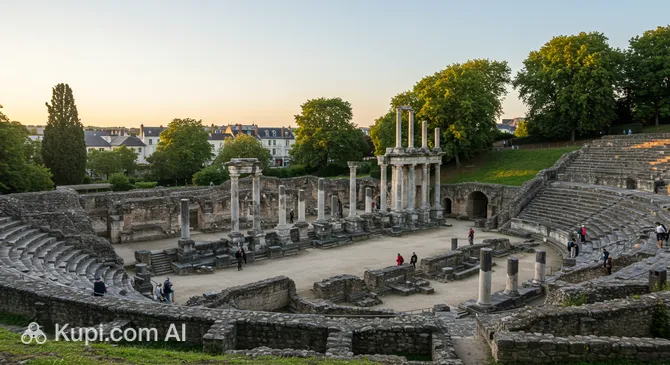
Archaeological Gardens of Cybele
Archaeological Gardens of Cybele. Иллюстрация. Источник: Kupi.com AI

The name of the garden refers to the cult of Cybele, the ancient Phrygian mother goddess. Here, visitors can see impressive fragments of Gallo-Roman ruins: remains of massive walls, bases of majestic columns, and foundations of ancient buildings. These artifacts create a unique atmosphere of immersion into the distant past.

The park harmoniously combines austere ancient architecture with the soft charm of nature. Walking among the ruins, you will find well-kept lush greenery and a fragrant rose garden. This place is ideal for both thoughtful historical study and a quiet break from the bustle of the city.

Contacts

You can contact the administration or clarify visit details for the Cybele Archaeological Gardens using the phone number provided. The attraction is located in the very heart of the city and is easily accessible for tourists. For your convenience, the exact contact details and official address are listed below.

How to contactContact
AddressSquare Albert Vassy, 37 Rue Henri Jacquier, 38200 Vienne, France
Phone+33 4 74 78 30 00

What to Do

A visit to the Cybele Archaeological Gardens is a wonderful opportunity for a leisurely stroll through the centuries. You can wander freely along the park paths, closely examining the fragments of the Roman Forum and the remains of ancient walls. Every detail here tells a story of the daily life of the ancient Romans and the grandeur of ancient Viennium.

Photography enthusiasts will appreciate the contrast between the rugged gray stones of the ruins and the vibrant colors of the rose garden. The gardens provide an excellent backdrop for atmospheric shots. Many tourists enjoy having small picnics on the grass, taking in the silence and reflecting on the passage of time surrounded by historical monuments.

For those who want to learn more, organized guided tours are available. You will hear detailed accounts of the purpose of each building and the secrets of Roman architecture. It is worth noting that a visit to the gardens pairs perfectly with a tour of the neighboring Temple of Augustus and Livia, and during the summer, you can feel the atmosphere of the famous jazz festival held nearby in the ancient theatre.

Getting There

Reaching the Cybele Archaeological Gardens is easy, as they are located in the center of Vienne at Square Albert Vassy, 37 Rue Henri Jacquier. The city is situated just 35 kilometers south of Lyon, making it a popular destination for short trips.

The most convenient way to travel from neighboring cities is by train. From the Vienne railway station, the gardens are just a 10–15 minute walk away. There is also a regular bus service between Lyon and Vienne, with an average travel time of about 30–40 minutes.

If you are already in the historic center, a walk from the famous Saint-Maurice Cathedral or the Roman Theatre will take no more than 5–10 minutes. For those traveling by car, there are paid parking zones in the city center within easy walking distance of the garden entrance.

Ближайший город: Vienne

History & Facts

The territory of the modern gardens has a rich history dating back to pre-Roman times. It was once the site of the main forum of Viennium—the prosperous capital of the Gallic tribe known as the Allobroges. After the Roman conquest, this spot became the heart of the city's social, political, and religious life.

During the Roman Empire, the forum was built up with majestic temples, basilicas, and bustling markets. Archaeological excavations have uncovered fragments of structures dating back to the 1st and 2nd centuries AD. Of particular interest are decorative elements associated with the cult of the goddess Cybele, whose temple, according to historians, may have been located in this exact part of the city.

Interestingly, during the Middle Ages, some ancient ruins were adapted for the needs of Christian communities. This secondary use of the buildings, surprisingly, helped some of the ancient stones survive to this day, protecting them from total destruction or being dismantled for building materials. This has allowed Vienne to become one of the most important centers for studying Gallo-Roman heritage.

Today, the gardens are a protected historical site. The modern layout of the park was designed to showcase the archaeological finds to the public in the best possible way. The Cybele Archaeological Gardens remain a living testament to a time when the city was one of the key outposts of Roman Gaul.

Time Needed

For a quick look at the ruins and a short stroll through the garden, 30–60 minutes is enough for most travelers. This is plenty of time to view the main archaeological fragments and take a few memorable photos against the backdrop of the ancient walls.

If you plan to study the information boards in detail, join a guided tour, or simply want to enjoy the peaceful atmosphere in the shade of the trees, it is better to set aside 1.5–2 hours. This will allow you to immerse yourself in history without rushing and combine your walk with visits to nearby historical monuments in the city center.

Working Hours

The Cybele Archaeological Gardens are exceptionally accessible to tourists. The site is open daily and 24/7, allowing you to plan your visit at any time that suits you, whether it's early morning for quiet contemplation or late evening for a moonlit walk.

The absence of strict opening hours or entrance gates makes this a free space for locals and visitors of Vienne to relax any day of the week, including weekends and holidays.

Круглосуточно

Nearby

Exploring the surroundings of the Cybele Archaeological Gardens will allow you to fully experience the greatness of the region's ancient past. The center of Vienne is literally saturated with historical monuments that are within walking distance of each other, turning a stroll into a true journey through time.

After visiting the gardens, be sure to stop by nearby sites to get a complete impression of the city's Gallo-Roman architecture and medieval heritage. Below are the nearest places of interest for your itinerary.

NameDistance
Bar of the Town Hall Vienne0.1 km
Ancient Theatre of Vienne0.2 km
Picanha0.3 km
Pipet Belvedere0.3 km
Apéri'Klub0.4 km
KLUB0.4 km
Saint-Romain-en-Gal Archaeological Museum and Sites0.6 km

Reached the end of the page?

That means the route is fully explored