Support

Museum für Sepulkralkultur

About

The Museum of Sepulchral Culture (Museum für Sepulkralkultur) is a unique exhibition space that offers visitors an unusual perspective on fundamental aspects of human existence. Located in the city of Kassel, it is the only museum in Germany with an exhibition entirely dedicated to the themes of death, burial rites, and the culture of remembrance.
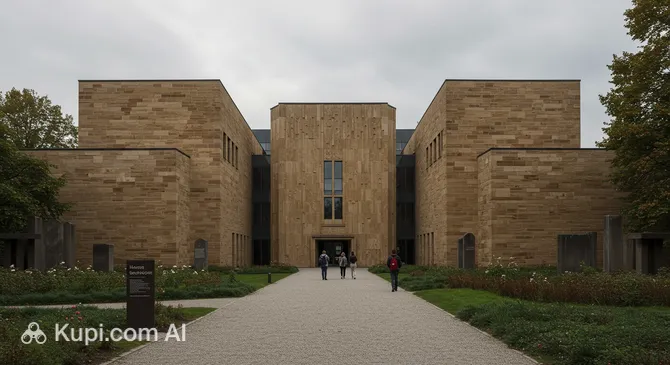
Museum of Sepulchral Culture
Museum of Sepulchral Culture. Иллюстрация. Источник: Kupi.com AI

The museum's name comes from the Latin word sepulcrum (tomb), which accurately reflects its essence: the study of how people throughout the centuries have bid farewell to their loved ones. It houses rare historical evidence—from medieval artifacts to modern conceptual works, including coffins, luxurious hearses, and traditional mourning attire.

Occupying two floors, the museum includes a quiet garden where authentic old monuments are displayed. Thanks to its rich collection of graphics, numbering thousands of works dating back to the 15th century, and a specialized library, this place has become an important research center exploring the theme of death through the lens of art and history.

Contacts

For information about special events or temporary exhibitions, you can contact the museum administration directly. Staff are always ready to provide details regarding archive accessibility and the scientific library's operating hours.

How to contactContact
AddressWeinbergstraße 25-27, 34117 Kassel, Germany
Phone+49 561 9189315
Websitewww.sepulkralmuseum.de

What to Do

In the museum's halls, visitors can see truly rare exhibits: from grand historical hearses to quite unexpected objects, such as a rabbit-shaped urn. The permanent exhibition allows for a detailed look at the evolution of mourning fashion, funeral wreaths, and ritual accessories from different eras. Sculptures and engravings from the “Dance of Death” series, which remind us of the fleeting nature of time, leave a particularly strong impression.

The third floor of the museum presents an extensive selection of video materials and documents detailing farewell traditions in various world cultures and religions. This provides an opportunity to compare how different peoples approach the concept of memory. During the warmer months, be sure to visit the inner courtyard—there, among the greenery, original tombstones are on display, each a monument to its era.

The museum often serves as a venue for themed lectures, creative readings, and even concerts, making it a living cultural space. For those who enjoy a deep dive, interactive materials are available to help better understand the social and philosophical aspects of burial culture in modern society.

Getting There

The museum is located at Weinbergstraße 25-27, in a picturesque part of the city, near the Hessian State Museum and the popular "Grimm World" complex. Getting there is easy by public transport: simply take a tram or bus to the stops in the Weinbergstraße area.

If your starting point is in the city center, you can easily reach the site on foot or by bicycle—the route is about 2–3 kilometers and takes no more than half an hour. For those who prefer comfort, taxis are always available to take you directly to the main entrance.

Travelers in private cars should keep in mind that parking spaces in this area can be limited. It is recommended to use nearby city parking lots or opt for a walk, allowing you to also see the neighboring architectural monuments of the museum quarter.

Ближайший город: Kassel

History & Facts

The idea of creating such a specific museum arose in the mid-1980s, sparked by significant public interest in themed exhibitions about life and death. Founded in 1984, it officially opened its doors to the general public in 1992 in Kassel, becoming an important part of the work of the Association for the Preservation of Cemeteries and Monuments (AFD).

The exhibition covers a colossal period: from the harsh Middle Ages to modern realities. Here, you can trace how rituals, tombstone designs, and the very perception of mourning have changed over the centuries in German-speaking countries. The museum serves not only as an exhibition space but also as a base for the AFD Central Institute, where serious cultural and philosophical research is conducted.

A significant event in the institution's history was its participation in the prestigious international contemporary art exhibition documenta 14 in 2017. This allowed historical artifacts of burial culture to be integrated into the context of current artistic trends, drawing the attention of young people and experts from around the world to the subject.

The museum's graphics collection deserves special attention: it includes more than 18,000 works dating back to the 15th century. These engravings, drawings, and sculptures demonstrate how artists of different eras tried to make sense of the finiteness of existence, creating images of memory that are striking in their power and emotionality.

Time Needed

To fully experience the main exhibition, temporary displays, and the garden with its authentic tombstones, you will usually need 1 to 2 hours. This is plenty of time to leisurely study the most interesting artifacts and soak in the atmosphere of the place.

If you plan to study the archival materials, graphics, or video recordings of global burial traditions in detail, your visit may take a little longer. The museum encourages thoughtful exploration, so there is no need to rush.

Working Hours

The museum is open to visitors from Tuesday to Sunday. The main opening hours are from 10:00 to 17:00. Please note that the museum is closed on Mondays.

For those who prefer evening visits, the museum stays open longer on Wednesdays—until 20:00. This is a great time to view the exhibition in a quieter setting after the main tourist day has ended.

DayWorking hours
ПонедельникЗакрыто
Вторник10:00 – 17:00
Среда10:00 – 20:00
Четверг10:00 – 17:00
Пятница10:00 – 17:00
Суббота10:00 – 17:00
Воскресенье10:00 – 17:00

Nearby

Exploring the museum's surroundings can significantly enrich your trip, as it is located in an area with a high concentration of cultural sites. After visiting the exhibition, it is worth strolling to nearby parks or historical buildings to experience the multifaceted architectural character of the city.

NameDistance
GRIMMWELT Kassel0.1 km
Hessian State Museum0.2 km
Neue Galerie0.4 km
The Hemingway Club0.4 km
Lohmann0.4 km
Kassel Museum0.6 km
Fridericianum0.8 km

Reached the end of the page?

That means the route is fully explored