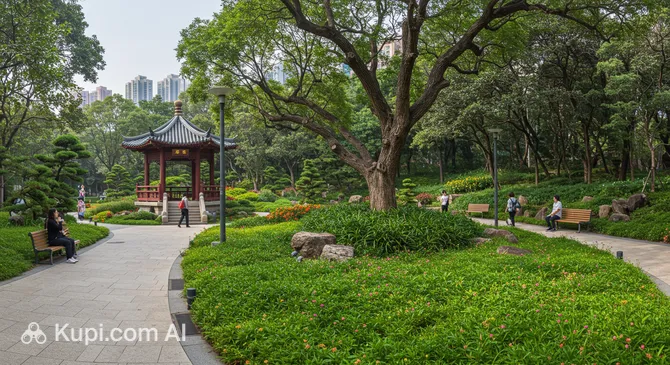
Sha Tin is a vibrant and modern district in Hong Kong, located in the heart of the New Territories. As one of the largest new towns with a population of about 640,000 people, it harmoniously combines urban dynamics with natural beauty, offering a unique experience for every traveler.
Sha Tin. Illustration.
Source: Kupi.com AI
Stretching along the scenic Shing Mun River, Sha Tin attracts visitors with its versatility. Among its main gems is the famous Ten Thousand Buddhas Monastery (Man Fat Tsz), which captures the imagination with countless golden statues and offers breathtaking panoramic views. Equally attractive is Sha Tin Park, a vast green space ideal for relaxation and outdoor strolls. For culture enthusiasts, the Hong Kong Heritage Museum is a must-visit, where you can immerse yourself in the region's rich history and diverse art.
Sha Tin is not just another district; it is a place where modernity meets tradition, and urban bustle gives way to the serenity of nature. Discover this amazing corner of Hong Kong, and it will surely leave bright and unforgettable impressions in your memory.
When planning a trip to Sha Tin, it is important to consider the local climate features. In general, a subtropical monsoon climate awaits you here, meaning warm, humid summers with periodic rains and mild, relatively dry winters.
The hottest months are from June to August, when the average temperature stays around +28°C, and the maximum can reach +30.8°C (as in July, for example). This period also sees the highest rainfall, especially in June and August (up to 11 mm and about 28 rainy days in each of these months). Winter, from December to February, is characterized by an average temperature of about +16°C – +17.5°C and minimal precipitation, especially in December, when there is practically none (0 mm). For more detailed planning, we recommend studying the information about the Sha Tin climate.
Average monthly temperature
Average monthly precipitation
Interesting Facts
In addition to its famous landmarks and lively atmosphere, Sha Tin hides many interesting details and little-known facts that make it even more attractive to curious travelers.
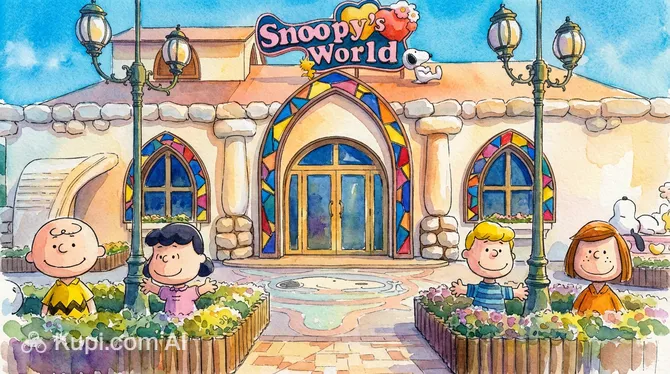
Snoopy's World. Illustration.
Source: Kupi.com AI
Traveler photos:
Initially, Sha Tin was known by another name—"Lek Yuen" (瀝源), which means "source of clear water," referring to the Shing Mun River. The modern name "Sha Tin" (沙田), which translates as "sandy field," appeared later and is associated with the large-scale land reclamation and development work that turned the rural area into a thriving new city.
In one of the district's largest shopping centers, New Town Plaza, lies a real surprise for both children and adults—Snoopy's World. It is one of Asia's first free outdoor theme parks dedicated to the Peanuts comic strip characters. Here you can meet your favorite heroes, ride a school bus, and peek into Snoopy's famous doghouse.
On the grounds of the famous Sha Tin Racecourse, one of the best in the world, lies an amazing natural corner—Penfold Park. This public park, located right inside the racing track, is open to visitors on non-race days. It offers scenic lakes, lush greenery, and even a bird aviary, making it a perfect spot for quiet relaxation.
The Shing Mun River, flowing through the heart of Sha Tin, is not just a picturesque waterway. It is a major center for dragon boat racing, especially during the traditional Tuen Ng Festival (Dragon Boat Festival). The riverbanks come alive with the sound of drums and the cheers of fans supporting their teams in this ancient and exciting sport.
How to Get There
Getting to Sha Tin is quite simple, thanks to Hong Kong's well-developed transport system and its proximity to major international transit hubs. The primary method of arrival for most international tourists is by air, though other options exist.
The main air gateway is Hong Kong International Airport (IATA: HKG), one of the busiest and most modern airports in the world. It is located on Chek Lap Kok Island, approximately 29.5 km from Sha Tin. A taxi or bus ride from this major international airport to Sha Tin takes roughly 60-70 minutes, depending on traffic conditions. The airport is excellently connected to the city, including Sha Tin, by various types of public transport, such as Airport Express trains and numerous bus routes.
Another major international airport to consider, especially if you are traveling from mainland China or looking for alternative flights, is Shenzhen Bao'an International Airport (IATA: SZX). It is located in the city of Shenzhen, about 49.7 km north of Sha Tin. Reaching Sha Tin from there requires crossing the border, and the trip itself (by taxi, bus, or a combination of metro and train) can take about 1.5-2 hours, including time for border formalities.
For convenience, here is summary information on the main airports used to reach Sha Tin:
Although Sha Tin does not have its own major intercity railway station for long-distance travel, it is perfectly integrated into the Hong Kong MTR system. The East Rail Line runs directly through Sha Tin (Tai Wai, Sha Tin, Fo Tan, Racecourse, University stations), connecting it to the central districts of Hong Kong and the Lo Wu and Lok Ma Chau border crossings, providing access to mainland China. This is the most convenient and fastest way to move around Hong Kong itself and to travel to neighboring Shenzhen.
If you are planning a rail journey from more distant regions of China, keep in mind that the nearest major railway hubs are at a significant distance. For example, Puning Railway Station is located in Puning, about 226.1 km from Sha Tin, and Chaoyang (Guangdong) Railway Station is in Jieyang, approximately 252.1 km away. A trip from such stations to Sha Tin will require additional transfers to local transport or high-speed trains to Shenzhen, followed by a border crossing and travel by MTR or other transport to Sha Tin.
Below is information on some railway stations in the region that can be used for long-distance travel, though they are less convenient for direct access to Sha Tin than local transport networks:
In addition, Sha Tin can be reached by car or bus from other areas of Hong Kong via a developed network of roads and tunnels. Public buses and minibuses also offer many routes linking Sha Tin with various parts of the city.
Main Attractions
Sha Tin delights its guests with a variety of interesting places. From vast parks to unique cultural sites—everyone will find something to their liking here. Here are some key attractions to include in your itinerary:
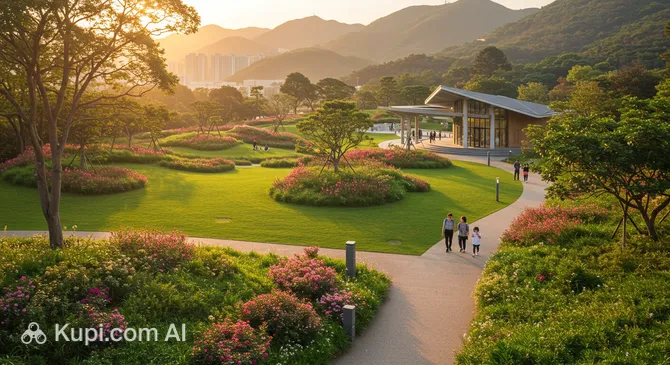
One of the main green gems of the district is Sha Tin Park. This expansive urban park, stretching along the banks of the Shing Mun River, offers ideal conditions for relaxation and active recreation. Here you will find manicured lawns for picnics, themed gardens including an amphitheater garden and a waterfall garden, as well as numerous playgrounds and bicycle paths. It is a wonderful place to take a break from the city bustle and enjoy nature.
Sha Tin Park. Illustration.
Source: Kupi.com AI
Traveler photos:
For hiking enthusiasts and those seeking spectacular views, Lion Rock Park is a must-visit. This country park is famous for its peak, shaped like a crouching lion, and is one of the symbols of Hong Kong. Climbing to the top requires some effort but is rewarded with stunning panoramic views of Kowloon, Hong Kong Island, and the surrounding New Territories. The park offers many trails of varying difficulty passing through picturesque woodlands.
Lion Rock Park. Illustration.
Source: Kupi.com AI
Traveler photos:
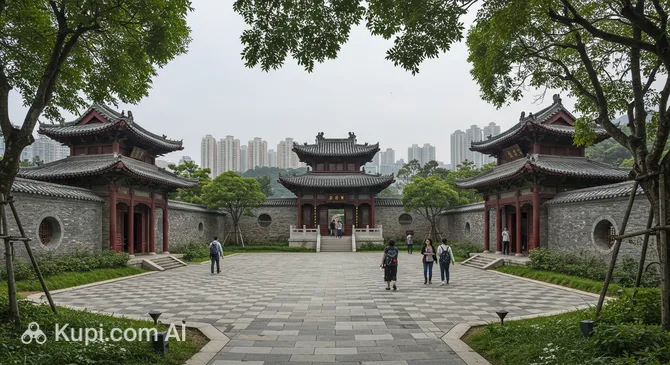
If you are interested in history, head to Kowloon Walled City Park. It is located on the site of the former notorious Kowloon Walled City, once one of the most densely populated places on the planet. Today, it is a beautifully landscaped park in the style of traditional Jiangnan gardens of the Qing Dynasty. Here you can see preserved historical artifacts, including the remains of the South Gate and the yamen (administrative building), and enjoy the tranquility and beauty of pavilions, ponds, and winding paths.
Kowloon Walled City Park. Illustration.
Source: Kupi.com AI
Traveler photos:
Another wonderful place for outdoor recreation is Ma On Shan Park. Located at the foot of the mountain of the same name, this large park offers various activities for the whole family. It features playgrounds, picnic areas, and unique elements such as a large maze and a giant chessboard. The park grounds offer beautiful views of Tolo Harbour.
Ma On Shan Park. Illustration.
Source: Kupi.com AI
Traveler photos:
Fans of engineering structures and beautiful landscapes should pay attention to the Shing Mun Reservoir Main Dam. This is not only an important hydraulic structure providing the area with water but also a popular spot for walks. From the crest of the dam, picturesque views of the reservoir itself, surrounded by forested hills, open up, making it attractive for photographers and those who appreciate quiet relaxation in nature.
Shing Mun Reservoir Main Dam. Illustration.
Source: Kupi.com AI
Traveler photos:
Local Cuisine
The gastronomic scene in Sha Tin is a fascinating dive into the world of Cantonese cuisine with its distinctive local accents. As part of Hong Kong, the district offers a rich variety of flavors, from traditional dishes passed down through generations to modern culinary interpretations. Freshness of ingredients and preparation skill are highly valued here, making every meal a special event.
Be sure to try the local specialties that Sha Tin is famous for. One of the most renowned dishes is Sha Tin roast pigeon (沙田乳鴿)—young pigeon cooked to a crispy finish, often marinated in secret spice blends. Another signature dish is chicken congee (雞粥), delicate and aromatic, perfect for any time of day. And, of course, you cannot overlook dim sum—a variety of small bites served in bamboo baskets, which are an integral part of Hong Kong's culinary culture.
Among drinks, Hong Kong-style milk tea is particularly popular—a strong black tea mixed with condensed or evaporated milk, creating a uniquely rich taste. It's also worth trying various herbal teas (leung cha, 涼茶), which locals drink for health. Regarding alcoholic beverages, local and imported beers are widely available, along with other popular options.
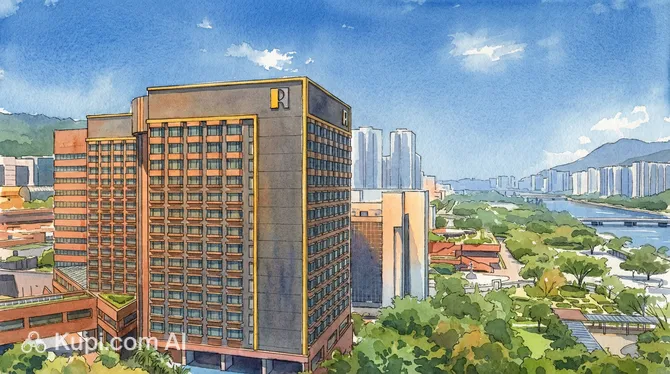
The dining culture in Sha Tin is diverse. Locals often prefer lively dai pai dongs (open-air food stalls) and cha chaan tengs (local cafes), where you can eat quickly and affordably. Numerous food courts in shopping centers like New Town Plaza offer a wide selection of Asian and international cuisine. For a more refined dinner, you can choose from many restaurants offering both traditional Cantonese delicacies and dishes from other world cuisines. For example, the Royal Park Hotel offers worthy options for a gastronomic experience.
Royal Park Hotel. Illustration.
Source: Kupi.com AI
Traveler photos:
Gastronomic Sha Tin attracts tourists with its authentic blend of tradition and modernity. Here you can enjoy both world-famous Cantonese dishes and unique local specialties like Sha Tin pigeon or special chicken congee. The overall atmosphere ranges from bustling street markets to elegant restaurants, allowing everyone to find something to their taste and budget and gain unforgettable impressions of the local cuisine.
Travel Tips
Planning a trip to Sha Tin? Wonderful! To ensure your journey through this dynamic district of Hong Kong is as comfortable as possible and leaves only pleasant impressions, we have prepared some practical tips. These recommendations will help you navigate better on-site and avoid common mistakes.
Clothing and footwear by season: The climate in Sha Tin is subtropical, with hot and humid summers (May–September) and mild, drier winters (December–February). In summer, choose light, breathable clothing made from natural fabrics; don't forget an umbrella or raincoat, sunscreen, and a hat. In winter, a light jacket or sweater will be useful. A key point is comfortable walking shoes, as exploring the district on foot is very interesting! If you plan to visit the Ten Thousand Buddhas Monastery, choose modest clothing that covers your shoulders and knees. Don't forget a universal adapter (Hong Kong uses the British Type G plug).
Getting around Sha Tin: Public transport here is excellently developed. The primary way to move around is the MTR metro. The East Rail Line passes through Sha Tin, quickly taking you to the center of Hong Kong or to the border with mainland China. Numerous buses (including the famous double-deckers) and minibuses also operate. We highly recommend purchasing an Octopus card—a universal rechargeable card for paying fares, store purchases, and much more. Taxis are available but can be more expensive.
Financial matters: The local currency is the Hong Kong Dollar (HKD). You can exchange currency at banks or licensed exchange offices (compare rates). Credit and debit cards (Visa, Mastercard) are accepted in most hotels, restaurants, and large stores. However, for small purchases at markets or small establishments, it's better to carry cash. The Octopus card is also convenient for small payments. Tipping is not strictly mandatory, but it is customary in restaurants to leave about 10% of the bill if a service charge is not included, or to round up the amount in taxis.
Language and communication: The official languages are Cantonese and English. English is quite widespread, especially in tourist spots, hotels, and among young people. Most signs and pointers are duplicated in English. Nevertheless, learning a few phrases in Cantonese (e.g., "M'goi"—thank you/please, "Nei hou"—hello) will be a nice gesture. Wi-Fi is available in many public places, including MTR stations, shopping malls, and cafes. You can purchase a local SIM card with a data package at the airport or communication stores.
Health and safety:Sha Tin, like Hong Kong in general, is considered a very safe area. Follow standard precautions: watch your belongings in crowded places. Pharmacies (Watsons, Mannings) are easy to find, but not all work 24/7. Medical care for tourists is available in public and private clinics (private ones can be expensive, so be sure to get travel insurance). Drink plenty of water in the summer to avoid dehydration.
Local etiquette and respect: Hong Kong residents value politeness and order. Observe queues and do not talk loudly on public transport (eating and drinking on the MTR is prohibited). When interacting with locals, be tactful. Respect for elders is an important part of the culture. When visiting temples, behave quietly and respectfully.
What to avoid: Try not to discuss sensitive political topics. Do not leave chopsticks stuck vertically in a bowl of rice, as this resembles incense used at funerals. When pointing at something, it's better to use an open palm rather than a single finger.
Walks and shopping: Be sure to walk along the Shing Mun River promenade—it's a great place for relaxation, jogging, or cycling (bicycles can be rented). And if you want shopping or diverse food, head to New Town Plaza—one of Hong Kong's largest shopping complexes, located right in the heart of Sha Tin.
We hope these tips help you plan an unforgettable trip to Sha Tin! This district is full of discoveries, and we are sure it will give you many bright impressions. Have a nice trip!
Entertainment & Nightlife
Sha Tin, being primarily a modern residential and business district, offers a quieter and more locally-oriented nightlife compared to the bustling hubs of Hong Kong, such as Lan Kwai Fong or Kowloon. Here you won't find noisy blocks of nightclubs or rows of bars like in the central tourist zones. However, Sha Tin provides its own attractive options for evening leisure, especially if you are looking for cozy restaurants, a relaxing atmosphere, and a chance to spend quality time after a busy day.
The main evening activity in Sha Tin is concentrated around large shopping complexes such as New Town Plaza, Citylink Plaza, or Sha Tin Centre, and their surrounding areas. This is where you will find many restaurants operating late into the evening, offering various cuisines—from traditional Cantonese to international. Many of them have a pleasant atmosphere for dinner with friends or family. It is important to note that there are no specialized streets or districts entirely dedicated to nightlife with bars and clubs in Sha Tin. While classic nightclubs are rare here, some hotels may have their own bars or lounges where you can enjoy drinks in a calmer setting. As for concert venues, Sha Tin is not the main hub for major musical events. There are no specialized large concert halls here, although cultural events and performances may periodically take place at Sha Tin Town Hall or other community centers, but this is usually not part of a regular nightly entertainment program. The atmosphere in most establishments is rather relaxed and friendly, aimed at locals and guests of the district; a strict dress code is rarely encountered.
For a high-quality dinner, you can consider the restaurants located in the Royal Park Hotel, which offer a good selection of dishes and a high level of service. Overall, the nightlife here is more about gastronomic pleasures and quiet conversation rather than dancing until dawn. Classic night markets are not as common here as in other parts of Asia, but evening food courts and restaurant zones in malls offer a wide choice of food.
Practical tips for evening outings:
Transport: Keep in mind that the MTR stops operating around midnight or 1:00 AM. After this time, the main ways to get around are taxis or night bus routes, which are less frequent. Plan your route back in advance, especially if you are far from your hotel.
Timing: Most restaurants are open until late evening, but bars and pubs (if found in hotels) may close earlier than in central districts. It's better not to arrive too late.
Prices: Prices in Sha Tin restaurants and bars can be slightly lower than in the tourist hotspots of Hong Kong Island, but it all depends on the level of the establishment.
Safety:Sha Tin is considered a safe neighborhood, even in the evening. However, as everywhere, follow standard precautions: watch your belongings and avoid poorly lit or deserted places late at night. You can call a taxi through apps or ask at the hotel/restaurant reception.
Regarding daytime entertainment, Sha Tin offers many options. You can visit the Hong Kong Heritage Museum, stroll through numerous parks like Sha Tin Park, or go hiking on the trails of Lion Rock Park. For family fun, Snoopy's World is a great choice. Thus, your daytime program can be quite full, while the evening provides a pleasant end to the day in one of the local establishments.
Parks & Museums
Sha Tin is not just a modern cityscape, but also an amazing combination of lush green relaxation zones and significant cultural sites that allow for a deeper understanding of Hong Kong's history and traditions. Everyone will find something to do here, whether it's a leisurely stroll through a park or an educational visit to a museum.
Among the many parks in Sha Tin, Sha Tin Park particularly stands out as a true oasis along the Shing Mun River. But beyond it, the district offers other wonderful green corners. For example, Penfold Park is a unique place located inside the famous Sha Tin Racecourse. On non-race days, it is open to the public and offers scenic lakes, lush vegetation, and even bird aviaries, creating an unexpectedly peaceful atmosphere in the heart of a sports facility. It is an ideal spot for a picnic or simply to enjoy the silence.
Another park worth noting is Po Kong Village Road Park. This multi-level park offers various zones for relaxation and activities, including bicycle paths, playgrounds, and even an observation tower overlooking the surroundings. Its thoughtful landscape design and maintenance make it a popular spot among locals for morning exercise and family walks. For those seeking more active outdoor recreation, Lion Rock Park and Ma On Shan Park offer vast territories for hiking and admiring panoramic views, which were already mentioned in the main attractions section.
Po Kong Village Road Park. Illustration.
Source: Kupi.com AI
Traveler photos:
The cultural heritage of Sha Tin and all of Hong Kong is vividly presented in the Hong Kong Heritage Museum. It is one of the largest and most significant museums in the region, offering extensive exhibitions dedicated to the history, art, and culture of Hong Kong and South China. Here you can see collections of Chinese painting, ceramics, historical artifacts, as well as interactive exhibits dedicated to Cantonese opera and popular culture. The museum will be of interest to anyone who wants to better understand the rich past and present of this amazing city.
The iconic Ten Thousand Buddhas Monastery (Man Fat Tsz), located on a hillside, also cannot be ignored. Although it is a functioning Buddhist temple rather than a museum in the traditional sense, it is an outstanding cultural and architectural landmark. The path to the monastery, adorned with hundreds of gilded arhat statues, and the main hall with thousands of miniature Buddha figurines make an indelible impression and offer magnificent views of Sha Tin.
The historical depth of the area is also highlighted by Kowloon Walled City Park, which, while being a park, is essentially a memorial on the site of the former walled city. Its open-air exhibits and preserved artifacts tell a unique story of this place, making it an important cultural and historical site.
For families with children, an interesting addition to the cultural program could be Snoopy's World in the New Town Plaza shopping center. This small outdoor theme park dedicated to the characters of popular comics offers a fun time and is one of the unique free entertainments in Hong Kong.
For an authentic experience, walk or cycle along the Shing Mun River, where you can observe the daily life of locals and enjoy the views. Also, look out for lesser-known but equally interesting temples, such as the Che Kung Temple in Tai Wai (part of the Sha Tin district), known for its rotating fortune wheels—it is a popular pilgrimage site, especially during Chinese New Year.
Getting Around
Moving around Sha Tin and its surroundings is a pleasure, thanks to Hong Kong's superbly developed and intuitive public transport system. No matter where you are headed—local attractions or the central areas of the city—you will easily find a convenient and fast way to reach your destination.
The core of Sha Tin's transport system consists of:
MTR (Metro): The East Rail Line runs directly through Sha Tin, connecting it with the rest of Hong Kong. Key stations in Sha Tin include Tai Wai, Sha Tin, Fo Tan, University, and the Racecourse station, which serves the racecourse and is open only on race days. This is the fastest and most convenient way to reach central districts like Kowloon and Hong Kong Island, as well as the border with mainland China. Trains run frequently, and stations are well-equipped with clear navigation in English and Chinese.
Buses: An extensive network of bus routes covers all of Sha Tin and links it with other districts. You will see the famous double-decker buses, which are a minor attraction themselves, offering great views during the ride. There are also minibuses (fixed-route taxis), known as "green" and "red" minibuses. Green minibuses follow fixed routes and fares; red ones are more flexible but can be more challenging for tourists who don't know Cantonese.
The payment system in Hong Kong's public transport is extremely convenient. A key element is the Octopus card. This is a rechargeable smart card that can be used to pay for travel on the MTR, buses, minibuses, trams (in other Hong Kong districts), ferries, and for purchases in many shops, supermarkets, and restaurants. You can purchase an Octopus card at MTR stations (at customer service counters) or in 7-Eleven and Circle K stores. A special "tourist" Octopus or a standard rechargeable one is available for travelers. Fares depend on the distance; using Octopus usually results in slightly lower rates than buying single-journey tickets. Single tickets for the MTR can be bought at station vending machines (requires exact change or small bills/coins).
Practical tips for tourists:
Buying and validating tickets: You must tap your Octopus card on the validator when entering and exiting MTR stations and when boarding a bus. For single MTR tickets, validate them at the turnstiles.
Operating hours: Public transport usually starts early in the morning (around 5:30-6:00 AM) and finishes late at night (around midnight or 1:00 AM). Night bus routes exist but run less frequently.
Route planning: Use the official MTR Mobile app or popular map services to plan your trips. Signs at stations and stops are usually duplicated in English.
Etiquette: Eating and drinking are prohibited on the MTR. Observe the queue when boarding.
In addition to public transport, other options are available in Sha Tin:
Taxis: Readily available, especially near shopping centers and hotels. Taxis in Hong Kong are generally considered relatively inexpensive compared to other world metropolises. Most drivers understand basic English, but it's helpful to have your destination address written in Chinese or show it on a phone map. Payment is usually in cash, although some taxis accept Octopus or credit cards.
Bicycle Rental: Along the scenic Shing Mun River promenade and in some parks like Sha Tin Park, there are bicycle rental points. This is a great way to explore the green zones of the district at a leisurely pace.
Car sharing exists in Hong Kong, but for short-term tourist trips around Sha Tin, it is less relevant due to the excellent public transport and parking difficulties.
Overall, the transport system of Sha Tin allows you to easily and comfortably explore both the district itself and the rest of Hong Kong, making your journey even more pleasant and fulfilling.
Accommodation
When planning a trip to Sha Tin, you will find a variety of accommodation options to suit different preferences and budgets. Although Sha Tin is not Hong Kong's primary tourist hub in terms of the number of hotels—like Central or Tsim Sha Tsui—you can still find comfortable housing here.
The range of available accommodation in Sha Tin mainly includes mid-range and high-end hotels, as well as apartments for short-term rent. Budget options like hostels are less common than in the more tourist-saturated areas of Hong Kong. The main focus is on comfortable hotels, often catering to both business travelers and tourists who prefer the quieter environment of the New Territories. Some large hotel complexes offer a wide range of services, including restaurants, fitness centers, and swimming pools.
In terms of convenient location, most housing options are concentrated near major transport hubs, such as the Sha Tin MTR station, and shopping centers like New Town Plaza. This location provides easy access to local attractions (Hong Kong Heritage Museum, Sha Tin Park, Ten Thousand Buddhas Monastery) as well as other areas of Hong Kong. Staying near the Shing Mun River can also offer pleasant views and walking opportunities.
The price range varies from mid-range to luxury. For searching and booking accommodation, popular online booking platforms are most convenient, allowing you to compare prices, read reviews, and choose a suitable option. Direct booking through official hotel websites is also possible. As with many popular destinations, it is recommended to book accommodation in advance, especially if your trip coincides with peak tourist seasons or major local holidays, to ensure the best choice and prices.
Nearby Cities
For those who want to explore the surrounding areas, Sha Tin serves as an excellent starting point for day trips to several interesting nearby locations:
These nearby destinations offer insight into the region's diverse culture and landscapes. Each of these places offers its own unique attractions: from the bustling life of central Hong Kong and the historical streets of Kowloon to the more local atmosphere of Kowloon City or Sham Shui Po, as well as the coastal charm of Tsuen Wan.
Shopping & Souvenirs
Sha Tin offers excellent shopping opportunities, although it differs from the bustling commercial quarters of central Hong Kong. Here, the emphasis is shifted to large, modern shopping centers where you can find a wide range of goods—from international brands to local labels. The town is not famous for any unique crafts, but it is a wonderful place for comfortable shopping in air-conditioned malls.
The main shopping area of Sha Tin is certainly the territory around the Sha Tin MTR station. This is where the main shopping arteries and complexes are concentrated. Instead of individual shopping streets, shopping here is concentrated in multi-level malls, often connected by walkways to form a single shopping space.
The main gem of shopping in Sha Tin is New Town Plaza. It is one of the largest and most popular shopping centers not only in the New Territories but in all of Hong Kong. It consists of several phases and is connected to other malls like Sha Tin Centre, Sha Tin Plaza, and Citylink Plaza, creating a massive shopping complex. Here you will find hundreds of stores, including department stores, fashion boutiques, electronics shops, cosmetics, home goods, as well as many restaurants and entertainment venues, including a cinema and even the Snoopy's World theme park.
As for markets, Sha Tin is not the place where you will find large traditional street markets aimed at tourists, like in Kowloon. However, in residential blocks, you can find local "wet markets" selling fresh produce—meat, fish, vegetables, and fruit. Visiting such a market can be an interesting experience for getting to know the daily life of citizens, but it will be difficult to find souvenirs there.
As souvenirs from Sha Tin (and Hong Kong in general), you can bring back traditional Chinese tea, high-quality electronics (buy from authorized stores to avoid fakes), jade products (also require care when choosing), as well as various locally produced sweets and snacks. In shopping centers like New Town Plaza, there are stores offering items with Hong Kong symbols and other souvenir products.
Most shops in Sha Tin shopping centers are usually open from 10:00–11:00 AM to 9:00–10:00 PM, seven days a week. International credit cards (Visa, Mastercard, American Express) are widely accepted in large stores and shopping centers, as are the local Octopus card and UnionPay. Cash (Hong Kong dollars) is also accepted everywhere.
It is important to note that Hong Kong is a free port, and there is no value-added tax (VAT) or sales tax on most goods. Therefore, the Tax Free refund system for tourists common in many other countries generally does not apply here, as prices do not include these taxes from the start. This makes shopping in Sha Tin and throughout Hong Kong particularly attractive.