Support

Kowloon City

About

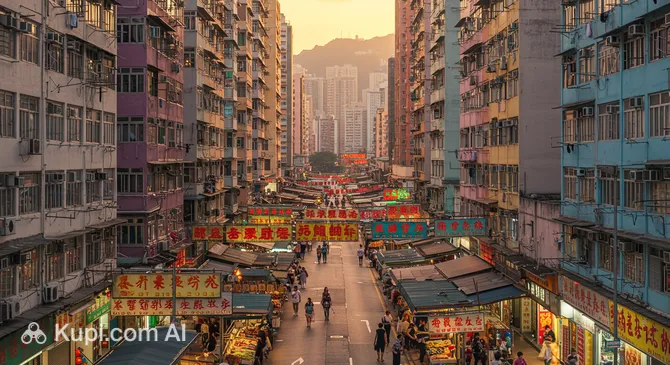
Kowloon City is a true kaleidoscope of experiences and one of the most vibrant districts located in the heart of the metropolis. It is situated on the Kowloon Peninsula, on the northern shore of the famous Victoria Harbour. For travelers visiting Hong Kong, this district often serves as an excellent starting point for exploring local culture, where modern residential blocks harmoniously coexist with historical corners and lush parks.

Kowloon City. Illustration.
Source: Kupi.com AI

With a population of around 418,000, the district is one of the most densely populated, creating a unique and lively atmosphere. The unique history of Kowloon City is visible in every detail: from ancient gates and remnants of old buildings to the modern skyscrapers standing right beside them. This is a place where the past meets the future, creating a surprising and contrasting architectural ensemble.

The district is famous for its bustling markets, the aroma of spices, and authentic cuisine that every guest should try. Strolling through the cozy streets and along the well-maintained waterfront will offer plenty of discoveries, while hidden gems tucked away from the typical tourist paths will make your trip unforgettable. Kowloon City invites everyone who wants to feel the true rhythm of the city and enjoy its multinational character.

Weather Overview

The climate in this district can be described as humid subtropical, with a clear distinction between seasons. Travelers should expect hot summers with frequent precipitation and mild, dry winters. Summer months, especially from June to August, are characterized by high temperatures (averaging around 28°C) and a high number of rainy days — up to 28 per month.

The most comfortable time for a visit is considered the winter months, such as January and December, when the air cools to a pleasant 16-17°C and rain is very rare (only 3-4 days per month). Spring and autumn serve as transitional periods with moderate warmth. To properly plan your wardrobe and itinerary, we recommend checking what weather in Kowloon City is expected during your visit.

Average monthly temperature

Average monthly precipitation

Interesting Facts

Kowloon City is not just a historical center, but a place full of amazing stories and contrasts. In addition to the main attractions, this district holds many fascinating secrets that reveal themselves only to the most curious travelers.
  • A city within a city. The district became world-famous thanks to the legendary Kowloon Walled City. It was once the most densely populated spot on the planet: up to 50,000 people lived in a labyrinth of buildings covering just one hectare. Today, a picturesque park sits on this site, where you can find ancient foundations and artifacts from that era amidst the greenery.

  • An Imperial refuge. The history of these lands dates back to ancient times. It is believed that the last emperors of the Song Dynasty found refuge here while fleeing persecution. The Yamen building survives in the park — a traditional administrative structure that literally lets you touch the era of Imperial China.

  • Little Thailand. Kowloon City is often called "Little Thailand" due to the large diaspora living here. It is the best place to try authentic Thai cuisine, buy rare spices, and see vibrant national festivals without leaving the borders of Hong Kong.

  • Birthplace of a legend. The district's streets remember the steps of the famous martial arts master Bruce Lee. He spent his childhood here, and it is believed that the local atmosphere and colorful streets inspired him at the beginning of his path to global fame.

How to Get There

You can reach this colorful district in various ways, depending on your starting point. Its convenient location within the metropolis makes it easily accessible for both international travelers and those moving within the region. You can find more details on how to get to Kowloon City to plan your route in advance and choose the most comfortable option.

The main air gateway for tourists is Hong Kong International Airport (HKG). It is one of the largest and most modern aviation hubs in the world. The airport is located in Hong Kong, approximately 26.7 km from Kowloon City. Thanks to a developed transport infrastructure, the journey to the district won't take much time: a taxi or transfer will take about 60 minutes.

An alternative option could be arriving via mainland China using Shenzhen Bao'an International Airport (SZX). It is located in the city of Shenzhen, 52 km from Kowloon City. This is a convenient hub for those traveling through the region, though you should factor in time for border crossing. The journey by car or bus from this airport will take approximately 1 hour and 40 minutes.

You might also consider Macau International Airport (MFM), located in the city of Macau. The distance to Kowloon City is about 65.1 km. A journey from this airport, including a trip across the famous bridge or by ferry and then by ground transport, will take approximately 2 hours.

For convenience, here is a summary of the region's main airports:

AirportPassenger trafficDistance
Hong Kong International Airport58.4 mln27 km
Shenzhen Bao'an International Airport61.5 mln52 km
Macau International Airport7.6 mln65 km
Huizhou Airport2.6 mln90 km
Zhuhai Jinwan Airport11.5 mln92 km

If you prefer ground transport and are traveling from the eastern part of Guangdong province, it is worth looking at the railway connections. There is no railway station from this list in Kowloon City itself, but you can arrive at Puning Railway Station (OPQ) in the city of Puning. Keep in mind that it is quite far — approximately 230.4 km from Kowloon City. A car trip from there will take about 6 hours, so this option is mostly suitable for complex multi-leg routes.

Below is information about the nearest major railway hubs in the neighboring region:

StationPassenger trafficDistance
Puning Railway Station4.5 mln230 km
Chaoyang Railway Station (Guangdong)817 600257 km
Chaoshan Railway Station280 km

Main Attractions

Kowloon City is a place where history comes alive at every turn, offering tourists a unique blend of cultural heritage and authentic urban life. You won't find the glossy shopping malls of the Central district here, but instead, you'll find soul and an unpretentious atmosphere. Here are a few places you should definitely include in your itinerary when visiting this district.

Kowloon Walled City Park is perhaps the district's most iconic location. It is built on the site of the legendary "City of Darkness" — a former densely populated enclave that once operated under its own laws. Today, it is a magnificent oasis of tranquility, designed in the style of the classical Jiangnan gardens of the early Qing Dynasty. Tourists come here to stroll through picturesque pavilions, see the fully preserved historical Yamen building (a former administrative office), and inspect the remains of the old South Gate. It is the perfect spot for those who want to touch the region's complex past in a peaceful setting.

Fans of traditional architecture should visit the Hau Wong Temple. This protected cultural monument was built around 1730 and is dedicated to a loyal general who protected the last emperor of the Song Dynasty. The temple attracts travelers with its rich decoration: ceramic figurines on the roof, wood carvings, and ancient artifacts. This active sanctuary allows you to immerse yourself in the spiritual life of local residents and appreciate the craftsmanship of ancient builders.

An interesting example of heritage preservation is the Stone Houses Family Garden. This complex of granite buildings from the 1940s was carefully restored and turned into a cozy community space with a museum and a cafe. Visitors appreciate this place for the opportunity to see the daily life of Hong Kongers in the mid-20th century and take atmospheric photos against the stonework. Here, you can take a break from the city bustle while enjoying a coffee in a retro setting.

One cannot overlook Nga Tsin Wai Road, which is the heart of the district's culinary life. It is because of this location that Kowloon City is often called "Little Thailand." Foodies from all over the city come here to try authentic Thai dishes and Chiu Chow delicacies. A walk here is a true adventure for the taste buds, where the scents of lemongrass and fresh spices accompany tourists at every step.

Local Cuisine

Kowloon City is rightfully considered a true paradise for gourmands, where culinary traditions intertwine with the vibrant flavors of neighboring cultures. The hallmark of local cuisine is classic Cantonese food, specifically wonton noodles. This dish is elevated to a cult status here: it is prepared in small family-run eateries using old recipes, where every chef is a recognized master of their craft. Thin dough, rich broth, and generous filling make this soup a must-try for any traveler. Traditional dim sum is equally popular and perfect for a leisurely breakfast or lunch.

A unique feature of the district is the presence of a quarter that locals call "Little Bangkok." Because of this, you can try perhaps the best Thai dishes in the entire region here. Tourists specifically come here for authentic soups, spicy curries, and exotic snacks. Street food here is incredibly diverse: stalls are overflowing with fragrant satay skewers, crispy spring rolls, and roasted chestnuts. This is a great opportunity to get to know spicy and rich flavors without leaving Hong Kong.

For those with a sweet tooth, Kowloon City offers its signature treats. You should definitely try the fresh Hong Kong egg waffles and various mango-based desserts. Among drinks, the undisputed leader is the legendary milk tea — thick, aromatic, and invigorating. You can also refresh yourself with freshly squeezed juices at local markets, which gather fruits and herbs from all over Asia.

The food culture in this district is very democratic and lively. It's customary here to eat plenty and with pleasure, whether it's dinner in a trendy restaurant or a midnight snack at a noisy market. Culinary life bustles around the clock, and food festivals often take place throughout the year, where you can not only sample new items but also attend masterclasses from local chefs. Kowloon City is a place where every meal turns into a small but memorable adventure.

Travel Tips

A journey to Kowloon City is an immersion into an authentic atmosphere where tradition sits alongside modernity. To ensure your visit to this colorful district is as comfortable as possible and leaves only pleasant memories, we have prepared some important practical recommendations to help you feel confident.

  1. Clothing and Climate. The weather here is humid and warm for most of the year, so favor clothing made from light, natural fabrics. However, given the powerful air conditioning in transport and shopping centers, be sure to bring a light sweater or scarf. Most importantly — wear comfortable shoes: the district is rich in historical sites and parks that are best explored on foot.

  2. Transport and Octopus Card. To get around the district and travel to other parts of the city, the most convenient options are the MTR or buses. We strongly recommend purchasing an Octopus card immediately upon arrival. This universal smart card can be used to pay for travel on all types of transport, as well as for purchases in convenience stores and some cafes, saving you from searching for change.

  3. Finances and Cash. The official currency is the Hong Kong Dollar. While cards are accepted in many places, Kowloon City is famous for its small family restaurants and street stalls where they often accept cash only. Keep a supply of small bills for food and souvenirs. Tipping is not a strict rule here, but restaurants often include a 10% service charge.

  4. Health and Safety. The district is safe for tourists, and you can comfortably walk around even in the evening. Pharmacies (such as the Watsons or Mannings chains) are common, where you can buy basic medications without a prescription. Tap water is not recommended for drinking — buy bottled water, which is sold on every corner.

  5. Language and Connectivity. Unlike the business center, English proficiency among locals in the old quarters of Kowloon City may be lower. We recommend downloading an offline translator on your phone for communicating with vendors and taxi drivers. An internet SIM card is easy to buy at any 7-Eleven or Circle K — this will significantly simplify your navigation around the city.

  6. Local Etiquette. Be reserved and polite. Observe silence when visiting temples. In restaurants, if you are using chopsticks, never stick them vertically into your rice — this resembles a funeral ritual and is considered bad luck. Passing food from your chopsticks to another person's is also not done.

  7. What to Avoid. It is strictly forbidden to eat or drink (even water) in MTR cars and on buses — this carries a substantial fine. Also, try not to block the path on escalators (stand on the right) and avoid stopping suddenly in the middle of a busy sidewalk, as the pace of movement in Hong Kong is very fast.

  8. Tip for Gourmands. Kowloon City is known as "Little Thailand." Don't limit yourself to just Chinese cuisine — be sure to check out local Thai shops for fresh fruit, spices, or authentic curry. Many shops here stay open late, creating a unique evening atmosphere.

By following these simple tips, you can avoid minor mishaps and focus entirely on exploring the rich culture and history of Kowloon City. We wish you an exciting journey and many bright discoveries in this amazing corner of Asia!

Entertainment & Nightlife

Nightlife in Kowloon City differs significantly from the typical club format of Central Hong Kong. You won't find noisy discos with world-class DJs or pretentious rooftop bars here. An evening in this district is, above all, about a cult of food, long gatherings with friends, and the unique atmosphere of "Little Thailand." Life here heats up after sunset when the neon signs light up and the air fills with the aromas of lemongrass, grilled meats, and sweet desserts.

The epicenters of evening activity are Nga Tsin Wai Road and Nam Kok Road. Most establishments open late into the night are concentrated here. The crowd is very diverse: from local residents in relaxed home clothes to foodies who have traveled from other parts of the city for a "late-night snack" (siu yeh). There is no dress code at all — the main thing is that you are comfortable enjoying the atmosphere and the food.

The main format of nocturnal entertainment is a dinner that smoothly transitions into drink tastings. Many Thai restaurants function as bars in the evening: people order beer towers and spicy snacks, and socialize to energetic Thai pop music. Another important part of the night culture is visiting traditional dessert cafes (Tong Sui). Locals often line up even at 1:00 AM for a bowl of black sesame soup or mango pudding. It's a great way to end the evening in a calm environment.

If you are looking for daytime entertainment, the district also has interesting options. For shopping and family leisure, Kowloon City Plaza is a large shopping center with stores, a cinema, and restaurants. Culture lovers should check out the parks or visit small local exhibitions that sometimes take place in the restored historical buildings mentioned earlier.

Practical tips: most establishments close around 2:00 AM, but some stay open until the last customer. Prices here are significantly more affordable than on Hong Kong Island: the average check for dinner with drinks will be 150–300 HKD. The district is considered very safe for nighttime walks. The easiest way to get here at night is by red taxi or night minibuses. It is important to remember that many local bars and cafes accept cash only, so withdraw money from an ATM in advance.

Parks & Museums

Kowloon City offers travelers a surprising combination of green oases and cultural spaces that allow you to take a break from the city bustle and dive deeper into the region's heritage. Despite the high building density, you can find picturesque parks and unique museums that tell the story of this part of Hong Kong's rich past.

Parks and Green Zones

The main natural and historical gem of the district is Kowloon Walled City Park. It is not just a place for a walk, but a true masterpiece of landscape design in the style of the classical Jiangnan gardens of the early Qing Dynasty. The park abounds with winding paths, ponds with koi fish, elegant pavilions, and rock gardens. An atmosphere of tranquility reigns here, contrasting sharply with the noisy streets outside. Tourists appreciate this spot for the chance to enjoy peace and the beauty of nature while studying historical artifacts integrated into the landscape.

Another significant spot for relaxation is Kowloon Tsai Park. It is much larger and more oriented toward active leisure. The famous Bauhinia Garden is located here — the flower that is the symbol of the city. During the flowering period, the garden turns into a magnificent sea of pink and purple colors, attracting photographers and nature lovers. Spacious alleys and sports grounds make this park popular among both locals and tourists seeking space and fresh air.

Museums and Cultural Centers

The cultural life of the district is concentrated in unique historical buildings turned into exhibition spaces. The Stone Houses Heritage Interpretive Centre is a must-visit. This intimate museum is located in restored granite houses from the 1940s. The exhibition detailedly recreates the daily life and living conditions of ordinary citizens in the mid-20th century. Visitors can step inside living quarters to see authentic furniture, kitchen utensils, and personal items of that era, allowing them to literally step back in time.

Art lovers will be interested in the Cattle Depot Artist Village, located in the neighboring To Kwa Wan quarter, which belongs administratively to the district. This is the city's only surviving pre-war slaughterhouse depot, built of red brick in the early 20th century. Today, it is an atmospheric art space housing artists' studios and galleries, and hosting contemporary art exhibitions. The architecture of the complex, with its high ceilings and arched windows, is a museum piece in itself.

Historical Monuments

An important historical site is the Sung Wong Toi Garden, which houses a sacred relic — a stone with an inscription dedicated to the last two young emperors of the Song Dynasty who sought refuge here in the 13th century. This small but significant park serves as a reminder of the region's ancient imperial history, which dates back centuries before the colonial era.

Insider Tip

If you want to see the "other" side of Kowloon City, head for a walk early in the morning to Kowloon Walled City Park. At this time, you can find locals practicing tai chi to the sound of birdsong, creating an incredibly authentic and meditative atmosphere that isn't available during the height of the tourist day.

Getting Around

The transport system in Kowloon City is integrated into the overall network of the metropolis and is highly efficient, allowing tourists to move around easily without knowing the language. The district is served by all major types of transport, making it accessible from anywhere. The main breakthrough of recent years was the opening of the Sung Wong Toi MTR station (Tuen Ma Line), which is within walking distance of the main attractions and famous restaurant streets. Inside the station, there is a unique feature: displays of archaeological finds from the Song Dynasty discovered during construction, turning an ordinary trip into a mini-excursion.

Ground transport is represented by a dense network of bus routes. Double-decker buses are a great way to reach the district while enjoying the views from the second floor. However, the true symbol of local roads is the minibuses (Public Light Buses). They come in two types: green (running on fixed routes and schedules) and red (stopping on demand in any permitted spot). Green minibuses are easier and clearer for tourists, as red ones often require knowledge of Cantonese to ask the driver to stop.

For romantics and sea lovers, there is a ferry service. Ferries regularly depart from the Kowloon City Ferry Pier to North Point. This is not only a convenient way to cross Victoria Harbour while avoiding traffic jams, but also an opportunity to take beautiful photos of the city skyline from the water for a nominal fee. The trip takes about 15 minutes and offers a sense of calm amidst the bustling metropolis.

The foundation of the payment system is the Octopus card. It is highly recommended to buy one immediately upon arrival in Hong Kong (at the airport or any MTR station). You simply tap the card against the validator when entering (and when exiting in the MTR and on some buses). It can be used for the MTR, buses, ferries, taxis, and even in 7-Eleven stores. If you don't have a card, you can pay with cash on buses and trams, but the driver does not give change — you must have the exact amount in coins.

As an alternative to public transport, red taxis are popular. Cars are easy to flag down on the street with a wave or find at special taxi stands. Taxis here are relatively inexpensive, run on a meter, and most drivers understand the names of major hotels and attractions in English. Ride-hailing apps (like Uber) also work, but flagging a car on the street is often faster.

To plan routes, tourists should install the MTR Mobile or Citymapper apps, which accurately show transport arrival times and fares. It is important to remember the rules: eating and drinking are strictly prohibited in the MTR and on buses, with heavy fines for violations. MTR operating hours are usually from 6:00 AM to 1:00 AM, but there are also night bus routes (prefixed with N) that allow you to reach Kowloon City even deep into the night.

Accommodation

Choosing accommodation in Kowloon City is quite different from typical tourist areas like Tsim Sha Tsui or Central. You won't find an endless parade of pretentious five-star skyscrapers here, but the district offers more affordable prices and the chance to live in an authentic environment. The main stock of accommodation consists of mid-range hotels (3–4 stars) and modern boutique hotels, which are often located in renovated buildings. For budget travelers, inexpensive guesthouses and hostels are available, though there are fewer of them here than in the southern part of the peninsula.

When choosing a location, you should prioritize transport accessibility. The most convenient option would be staying within walking distance of the Sung Wong Toi MTR station. This will place you in the center of the district's culinary life, near Thai restaurants and the park, while still providing quick access to the rest of Hong Kong. The neighboring To Kwa Wan quarter is also popular, where new modern hotels with harbor views are appearing, offering an excellent balance of price and quality.

The price range in Kowloon City can be described as moderate. The cost of living here is typically 20–30% lower than in the popular tourist hubs on the Victoria Harbour waterfront. This makes the district attractive for those who want to save on lodging without sacrificing comfort and cleanliness. It is best to book through popular international online platforms, as many local hotels are geared towards hosting foreign guests.

Booking tip: Consider the specifics of local real estate — standard rooms in Hong Kong, and in Kowloon City in particular, can be very compact in terms of floor area. If space is important to you, check the room's square footage carefully before paying. It is recommended to book accommodation in advance, especially if your trip coincides with major exhibitions or Chinese holidays when demand spikes.

Nearby Cities

For those who want to explore the surroundings, Kowloon City serves as an excellent starting point for day trips to several interesting nearby locations:

CityPopulationDistance
Kowloon2 108 4192 km
Choi Hung18 4352 km
Wong Tai Sin17 1163 km
Sham Shui Po405 8693 km
Lam Tin131 0005 km

Just a few kilometers from the district are locations with completely different atmospheres, perfect for a short visit.

Sham Shui Po is a colorful neighboring district that is a must-visit for lovers of authenticity and bargains. It is known for its famous electronics markets (Golden Computer Centre) and streets filled with fabric and haberdashery shops. Here you can see "old Hong Kong" without filters and try perhaps the cheapest Michelin-rated food in the world.

Sha Tin, located in the New Territories, offers cultural and spiritual relaxation. The main point of attraction here is the impressive Ten Thousand Buddhas Monastery, reached via a picturesque path lined with golden statues. The Hong Kong Heritage Museum is also located here, where you can dive deep into the history and art of the region.

These nearby destinations provide a great insight into the diverse culture and landscapes of the region.

Shopping & Souvenirs

General Overview

Shopping in Kowloon City is fundamentally different from the glossy glamour of central Hong Kong. You won't find endless rows of luxury boutiques here; instead, you'll discover the atmosphere of a real, living city. This district is famous for its "secret" spots where you can find quality goods at affordable prices. Kowloon City is the perfect place for those who enjoy a "treasure hunt" format, whether it's export clothing, rare Asian ingredients, or unique home goods.

Main Shopping Areas and Streets

The main artery for fashion lovers is Lion Rock Road. This street is known for its shops selling stock clothing and export surpluses. Here you can find items from famous European and American brands at prices significantly below market value. Often, goods are sold with labels cut off, but the factory quality remains. It's a great place to update your wardrobe with basics or find unique models that didn't go into mass production.

Another important location is the streets around Nga Tsin Wai Road. In this area, thanks to the large Thai diaspora, many shops selling goods from Southeast Asia are concentrated. You can buy everything here: from Thai cosmetics and aromatic oils to fresh exotic fruits and specific kitchen utensils that are hard to find in regular supermarkets.

Shopping Centers

The center of gravity for local residents is Kowloon City Plaza (KCP). This is a large shopping complex that offers comfortable shopping under one roof. Inside is a large department store, a supermarket, and shops for toys, electronics, and cosmetics. While KCP doesn't claim to be the trendiest mall in the metropolis, it is very convenient for buying everyday goods and souvenirs in a calm setting without the tourist crowds.

Markets

The Kowloon City Market, located in the municipal building, deserves special attention. It is one of the most famous food markets in the region, often called the "market for celebrities." Even movie stars and famous chefs come here for the freshest and highest-quality produce. Tourists will find it interesting to stroll through here to see the incredible variety of seafood and tropical fruits and feel the bustling energy of local trade.

Souvenirs

It's worth bringing home gastronomic souvenirs from Kowloon City that reflect its multicultural spirit. Authentic Thai spices, curry pastes, and sauces bought in the shops of "Little Thailand" make excellent gifts. The district is also famous for its old bakeries: be sure to buy a box of traditional Chinese cookies (such as wife cakes or almond cookies), the taste of which hasn't changed for decades.

Opening Hours and Payment

Large shopping centers like KCP usually operate from 10:00 AM to 10:00 PM. Street shops and boutiques on Lion Rock Road open a bit later, around 11:00 AM–12:00 PM, and close at 8:00 PM–9:00 PM. Credit cards (Visa, MasterCard) are accepted without issues in shopping centers and chain stores. However, in small private shops, at the market, and in old bakeries, they often only accept cash or an Octopus card. We recommend always having a supply of small bills.

Tax Free

All of Hong Kong is a duty-free trade zone, so the concept of VAT refund (Tax Free) does not exist here in the traditional sense. The prices on the tags are final, and no additional taxes are charged at the checkout. This makes shopping even more pleasant and simple for travelers.
Reached the end of the page?

That means the route is fully explored