Support

Cheung Chau

About

Cheung Chau is a wonderful island of tranquility and authenticity, located just a 30–45 minute ferry ride from the bustling center of Hong Kong. The island's name translates from Cantonese as "Long Island," and it indeed stretches out into the South China Sea, offering its guests a very special atmosphere. Here, you won't find the usual skyscrapers or noisy motorways; instead, narrow streets, colorful houses, ancient temples, and picturesque beaches await you.

With a population of about 22,740 people, Cheung Chau has managed to preserve the charm of a traditional fishing village. Despite being part of Hong Kong, the island lives its own measured life, where the rhythm is set by the tides rather than the urban hustle. It is a place where locals are hospitable and tourists quickly feel at home, immersing themselves in the leisurely pace of island life.
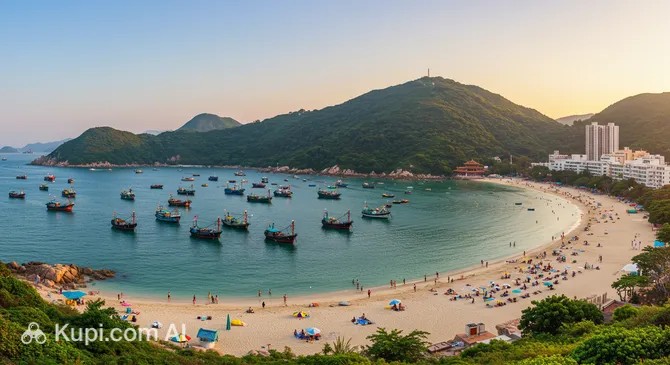
Cheung Chau. Illustration.
Source: Kupi.com AI

Cheung Chau attracts travelers with its unique features. One of the main highlights is the famous Bun Festival, held in the spring and drawing thousands of visitors. Additionally, the island is famous for its Tung Wan and Kwun Yam Wan beaches, which are ideal for relaxation and water sports. Be sure to explore Cheung Po Tsai Cave, named after the legendary pirate, and stroll through the colorful streets, browsing local shops and temples such as Pak Tai.

If you are looking for a place to escape the noise of the metropolis, enjoy fresh sea air and picturesque nature, and get acquainted with a distinctive culture, Cheung Chau will be a true discovery for you. This island is perfect for leisurely walks, bicycle rides, and gastronomic adventures, offering a unique experience away from the city bustle.

You can find more interesting facts on the Cheung Chau history page.

Weather Overview

The weather in Cheung Chau is characterized by a warm and humid climate. Summers, especially from May to September, are hot, with average temperatures reaching 28-29°C and frequent rainfall—June and August being the wettest months. Winters, from December to February, are significantly milder and drier, with average temperatures around 16-18°C and minimal precipitation. Expect hot, humid summers with heavy rain and mild, relatively dry winters. For a more detailed forecast and monthly information, you can study the Cheung Chau climate.

Average monthly temperature

Average monthly precipitation

Interesting Facts

Besides its picturesque beaches and relaxed atmosphere, Cheung Chau holds many surprising stories and features that make it a truly unique place. Here are just a few interesting facts about this charming island:

Cheung Po Tsai Cave. Illustration.
Source: Kupi.com AI

Traveler photos:

  • A Car-Free Island: One of the most notable features of Cheung Chau is the almost total absence of cars. Locals and tourists get around on foot, by bicycle, or in characteristic three-wheeled carts. This creates a special, calm, and safe atmosphere, ideal for leisurely walks.

  • The Famous Bun Festival: Every year, the island hosts the colorful and boisterous Cheung Chau Bun Festival. During this event, recognized as an intangible cultural heritage of Hong Kong, there are parades, traditional lion and dragon dances, and the highlight is a competition to climb towers built from thousands of sweet buns.

  • Pirate Past: In the past, Cheung Chau served as a refuge for pirates. Legends say that the famous 19th-century pirate Cheung Po Tsai hid his treasures right here. One of the island's popular attractions is Cheung Po Tsai Cave, where, according to tradition, he hid from the authorities.

  • Ancient Pak Tai Temple: The island is home to the ancient Pak Tai Temple, built back in 1783. It is dedicated to the Taoist deity Pak Tai (also known as Xuan Tian Shang Di), the patron of fishermen and sailors, and serves as an important spiritual and cultural center for Cheung Chau.

How to Get There

Reaching the island of Cheung Chau in Hong Kong is primarily possible by water. The main method is the ferry service from Central Pier No. 5 on Hong Kong Island. The ferry trip takes between 35 and 60 minutes, depending on the type of vessel (ordinary or fast ferry).

The closest and most convenient option for international travelers is Hong Kong International Airport (HKG). This major aviation hub is located on Lantau Island, approximately 15.8 km from Cheung Chau in a straight line. From HKG airport, you can reach Central Ferry Pier No. 5, where ferries to Cheung Chau depart, in several ways: by the Airport Express train to Hong Kong Station (about 25 minutes), then a short walk or taxi to the pier, or by taking a taxi directly to the pier (about 35-45 minutes). Bus routes are also available.

Other international airports are located further away. For example, Shenzhen Bao'an International Airport (SZX) is located in Shenzhen (Mainland China), about 53.3 km from Cheung Chau. A trip from there to Hong Kong's ferry terminals will require crossing the border and take significantly more time, usually at least 1.5-2 hours to the pier, depending on transport and border procedures. You might also consider Macau International Airport (MFM), located in Macau at a distance of about 45.2 km from Cheung Chau. High-speed ferries run from Macau to various terminals in Hong Kong, from where you would then need to travel to Central Pier No. 5.

For clarity, here is a summary of the main airports that can be used for traveling to Cheung Chau:

AirportPassenger trafficDistance
Hong Kong International Airport58.4 mln16 km
Macau International Airport7.6 mln45 km
Shenzhen Bao'an International Airport61.5 mln53 km
Zhuhai Jinwan Airport11.5 mln71 km
Huizhou Airport2.6 mln111 km

Cheung Chau island has no direct rail connection. Rail transport in Hong Kong is represented by the highly developed MTR (Mass Transit Railway) system, which is very convenient for moving around the city, including getting to the Central Ferry Pier. The "Central" or "Hong Kong" MTR stations are located in close proximity to the piers.

Railway stations mentioned in reference data, such as Chaoyang (Guangdong) Railway Station (located in Jieyang) and Puning Railway Station (in Puning), are in Mainland China at a significant distance (over 250 km) from Hong Kong. They are not convenient or relevant for a direct trip to Cheung Chau and can only be considered as part of very long-distance routes through China with subsequent multiple transfers to reach Hong Kong and then Cheung Chau.

Below is information about some distant railway stations that are not used for direct access to Cheung Chau but may be part of a longer regional route:

StationPassenger trafficDistance
Puning Railway Station4.5 mln252 km
Chaoyang Railway Station (Guangdong)817 600278 km

Main Attractions

Despite its modest size, the island of Cheung Chau offers tourists several interesting places to visit. Here, you can immerse yourself in history, enjoy nature, and experience the unique atmosphere of this lively corner of Hong Kong.

One of the most famous attractions is Cheung Po Tsai Cave. According to legend, it was in this small natural cave that the famous 19th-century pirate Cheung Po Tsai hid his treasures. Today, it is a popular spot for adventurers, offering a chance to explore narrow passages and touch the island's pirate past. Visiting the cave is a small but exciting adventure.

Cheung Po Tsai Cave. Illustration.
Source: Kupi.com AI

Traveler photos:

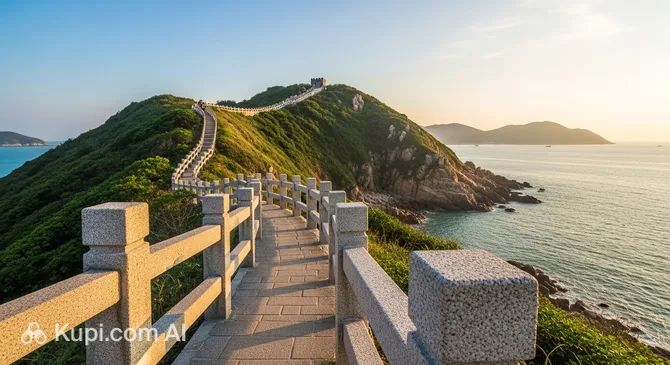
For fans of scenic walks, the Mini Great Wall is perfect. This is a hiking trail laid along the southeastern coast of Cheung Chau. It earned its name due to its granite railings, which vaguely resemble the famous Chinese landmark. The trail offers magnificent views of the South China Sea and peculiar rock formations, such as "Vase Rock" or "Human Head Rock." It is an excellent spot for a leisurely stroll and beautiful photos.

Mini Great Wall. Illustration.
Source: Kupi.com AI

Traveler photos:

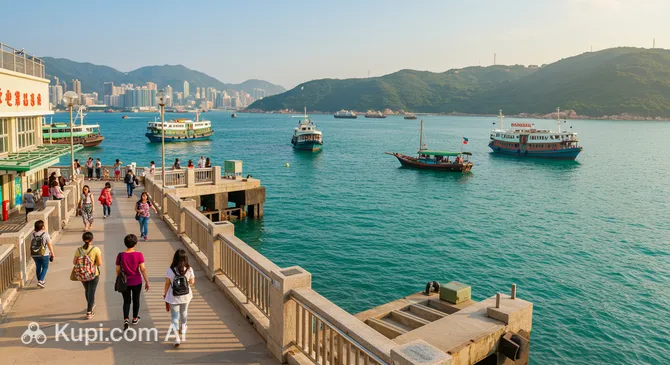
You also shouldn't miss the Cheung Chau Ferry Pier Promenade. This is a lively waterfront that greets all arrivals to the island. Life is always buzzing here: fishing boats bustle about, locals and tourists enjoy the sea breeze, and numerous cafes and stalls offer fresh seafood and local delicacies. A walk along the promenade is a wonderful opportunity to observe the daily life of the island and feel its local color.

Cheung Chau Ferry Pier Promenade. Illustration.
Source: Kupi.com AI

Traveler photos:

Local Cuisine

The gastronomic scene of Cheung Chau is a true paradise for seafood lovers. The island is famous for its numerous restaurants and street stalls where you will be offered the freshest crabs, prawns, squid, and a variety of fish, just caught by local fishermen. Perhaps the most famous local dish is fish balls—a juicy and flavorful snack made from minced fish, often served with various sauces directly from street stalls.

In addition to seafood, it is definitely worth trying the famous steamed buns. They are especially popular during the Bun Festival, when they become the main symbol of the celebration, but they can also be found in local bakeries on regular days. Traditional fillings include sweet bean paste or sesame. Sweet tooths will also enjoy refreshing herbal jellies, coconut cakes, and various fruit ice drinks.

As for drinks to accompany hearty seafood meals, locals and tourists often choose light beer or traditional Chinese tea, which perfectly complements the flavor of the dishes. Among non-alcoholic options, the aforementioned refreshing fruit drinks and juices are popular and ideal for hot weather.

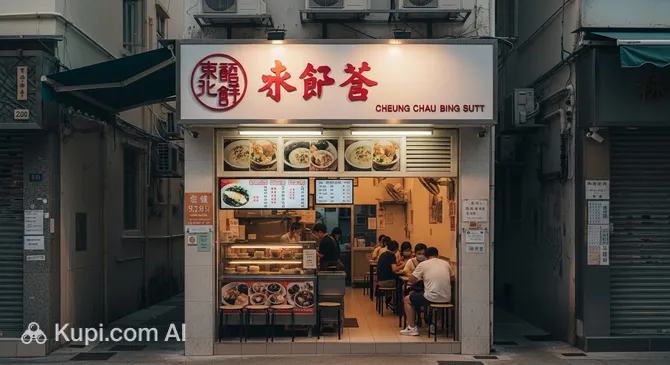
The food culture on Cheung Chau is very democratic. Here, you can enjoy exquisite dishes in seaside restaurants, grab authentic street food, or visit local markets selling fresh produce and local delicacies. Many establishments, such as Cheung Chau Bing Sutt, offer guests a chance to try traditional island dishes in an authentic atmosphere. Gastronomic festivals held on the island are also an excellent opportunity to get acquainted with local cuisine and culture.

Cheung Chau Bing Sutt. Illustration.
Source: Kupi.com AI

Traveler photos:

Travel Tips

Welcome to the charming island of Cheung Chau! To make your trip as comfortable and memorable as possible, we've prepared some practical tips to help you better navigate and enjoy every moment on this unique island in Hong Kong.

  1. Clothing and Essentials: What to bring.

    Given the subtropical climate of Hong Kong, for most of the year on Cheung Chau, you will need light and breathable clothing. Don't forget comfortable shoes for walking—the island is best explored on foot. Pack a swimsuit for the beaches, sunscreen, a hat, and sunglasses. A universal adapter will also come in handy (in Hong Kong, British Type G sockets are used). When visiting temples, such as Pak Tai Temple, choose modest clothing that covers shoulders and knees.

  2. Island Transport: Getting around.

    Cheung Chau is a car-free island, so the main ways to get around are walking or cycling. Bicycles can be easily rented in many places, and it is a great way to explore the island. To reach Cheung Chau itself, take a ferry from the Central Pier on Hong Kong Island (choose between the ordinary and fast ferry). There is no public transport like the metro or buses on the island itself.

  3. Finance and Currency: Money on Cheung Chau.

    The local currency is the Hong Kong Dollar (HKD). It is recommended to exchange money in advance in Hong Kong or use ATMs upon arrival on the island, as there are few exchange offices on Cheung Chau, and the rate may be less favorable. Credit cards (Visa, Mastercard) are accepted in large establishments and some restaurants, but small shops and markets prefer cash. There are ATMs on the island, but it's better to have a cash reserve. Tipping is not mandatory, as a 10% service charge is often included in the bill, but a small amount for excellent service will be appreciated.

  4. Health and Safety: Peace of mind.

    On Cheung Chau, there are local pharmacies for basic needs and a small clinic (Cheung Chau Clinic/St. John Hospital Cheung Chau) for first aid. In case of serious issues, a return to Hong Kong Island may be necessary. The island is generally very safe, even after dark. Observe standard precautions against petty theft, especially in crowded places. Don't forget sun protection and drink plenty of water, especially in summer.

  5. Language and Communication: How to interact.

    The main language on Cheung Chau is Cantonese. English is common in tourist spots but not everywhere. Knowing a few basic Cantonese phrases (e.g., "nei hou" – hello, "m’goi" – thank you/please) will be warmly received by locals. It's best to purchase a SIM card for mobile internet at Hong Kong airport or in city shops before heading to the island. Wi-Fi is available in many cafes, guesthouses, and via public Wi-Fi.HK hotspots.

  6. Local Etiquette: Respecting traditions.

    Greet locals with a nod or a slight bow; you can say "nei hou." Behave discreetly in public places and avoid loud conversations. Before taking photos of people, politely ask for permission. In temples, act respectfully, maintain silence, follow the rules, and dress modestly.

  7. What to Avoid: Important points.

    Strictly avoid littering—in Hong Kong, including Cheung Chau, this carries significant fines. Try not to point at people or objects with one finger, as this can be considered impolite; use an open palm instead. Show respect for local customs and traditions, especially during festivals like the famous Bun Festival.

  8. Cheung Chau Special: Tips for a full experience.

    To avoid crowds, try to visit the island on a weekday, as it is a popular getaway for Hong Kong residents on weekends. Be sure to try the local seafood—it's the island's signature. Rent a bike to explore not just the main village but the more remote corners. Check the ferry schedule in advance, especially if you don't plan on staying overnight.

We hope these tips help you plan an unforgettable trip to Cheung Chau. Enjoy its unique atmosphere, beautiful landscapes, and the hospitality of the locals!

Entertainment & Nightlife

Cheung Chau, a charming island within Hong Kong, offers its guests a very special evening experience, far from the bustle of big cities. You won't find noisy nightclubs or extensive nightlife districts here in the traditional sense. Instead, the island immerses you in an atmosphere of tranquility, where the main forms of entertainment are leisurely walks under the stars, dining on the freshest seafood, and enjoying the silence and sea breeze.

Most evening activity on Cheung Chau is concentrated along the main waterfront, with the area around the Cheung Chau Ferry Pier Promenade and its adjacent streets becoming particularly lively. As the sun sets, numerous seafood restaurants light their lamps, inviting visitors to taste the ocean's bounty. The atmosphere here is very relaxed and friendly, perfect for pleasant conversation and relaxation.

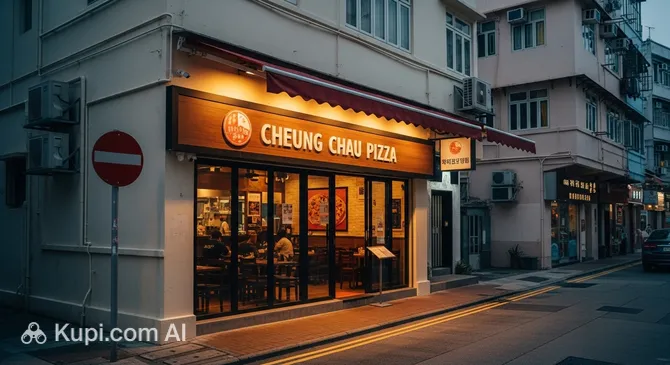
Cheung Chau Pizza. Illustration.
Source: Kupi.com AI

Traveler photos:

The choice of dining spots on the island is quite wide, ranging from traditional Chinese eateries to establishments with more international cuisine. For example, you can stop by the Cheung Chau Bing Sutt to try local dishes or choose Cheung Chau Pizza if you prefer something more familiar. Most establishments stay open until late evening, usually around 22:00-23:00. The dress code here is informal—comfortable clothes and shoes are perfectly appropriate.

When planning an evening on Cheung Chau, it's best to focus on dinner and a subsequent stroll. Prices in restaurants are generally moderate, especially compared to the central districts of Hong Kong. An important point is transportation. You can get to and from the island by ferry. In the evening, ferry intervals increase, and the last trips leave relatively early, so be sure to check the schedule in advance if you plan to return to the mainland the same night.

Cheung Chau is considered a very safe place, and evening walks here are perfectly comfortable. The island is small, and most interesting spots are within walking distance. There are virtually no taxis on the island; the primary transport is bicycles and your own feet. If needed, locals are always ready to point you in the right direction.

While evening on Cheung Chau is beautiful in its peacefulness, the island also offers plenty of interesting activities during the day. Tourists can explore the mysterious Cheung Po Tsai Cave, linked to pirate legends, or walk along the picturesque Mini Great Wall, which offers magnificent coastal views. There are no large theaters or amusement parks on the island; its charm lies in its natural beauty and local character.

Parks & Museums

Cheung Chau is a charming island that offers its guests a unique combination of natural beauty, historical spots, and authentic island culture, rather than traditional urban parks and large museums. Here, everyone will find something to their liking, whether it's a walk along scenic trails or learning about local legends.

Among the natural areas that are certainly worth a visit, the Mini Great Wall stands out. This is an easy hiking route along the coast, offering breathtaking views of the sea and peculiar rock formations. The trail is well-equipped and suitable for family walks, allowing you to enjoy the fresh sea air and the beauty of South China's nature. The island is also famous for its beaches, such as Tung Wan and Kwun Yam Wan, which are great places for relaxation, swimming, and water sports.

Mini Great Wall. Illustration.
Source: Kupi.com AI

Traveler photos:

While there are no major museum complexes on Cheung Chau, its history and culture come to life in other places. One of the most famous attractions is Cheung Po Tsai Cave, the legendary hideout of a famous 19th-century pirate. Exploring this small but mysterious cave is a real adventure, especially for young travelers. An important cultural and religious center of the island is the Pak Tai Temple, dedicated to the Taoist deity. This richly decorated temple plays a central role in the community's life, especially during the annual Bun Festival.

Cheung Po Tsai Cave. Illustration.
Source: Kupi.com AI

Traveler photos:

To feel the rhythm of local life, take a stroll along the Cheung Chau Ferry Pier Promenade. Life is always buzzing here: fishermen sorting their catch, locals hurrying about their business, and numerous restaurants offering the freshest seafood. It's a great place to observe the island's daily life and enjoy its local color.

Cheung Chau Ferry Pier Promenade. Illustration.
Source: Kupi.com AI

Traveler photos:

For a more authentic experience, head deeper into the island and wander through the narrow village streets, where you can find old houses and small family-run shops. Also, look out for the ancient rock carvings located near Tung Wan Beach—another piece of evidence of Cheung Chau's rich history.

Getting Around

The island of Cheung Chau offers a unique travel experience as it is virtually car-free. The primary way to get to and from the island is by ferry. Regular services connect Cheung Chau with the Central Pier on Hong Kong Island, as well as with other islands like Peng Chau and Mui Wo (Lantau). There are ordinary and fast ferries, differing in travel time and cost.

On Cheung Chau itself, the main means of transportation for locals and tourists are walking and bicycles. The island is compact enough to explore on foot, enjoying the narrow streets and picturesque views. Bicycles are a very popular option; they can be rented at many rental points, mostly located near the ferry pier. This is a great way to reach more remote beaches and viewpoints. You might also see small specialized vehicles (so-called "village vehicles") used for delivering goods or local needs, but they are not public transport for tourists.

The payment system is simple. Ferry tickets can be paid for in cash at the pier ticket offices or using the Octopus Card, which is popular in Hong Kong. Using an Octopus Card is often slightly cheaper and more convenient as it eliminates the need for exact change. Bicycle rentals are usually paid in cash, with the cost depending on the duration of the rental (hourly or full day) and the type of bike, typically amounting to a few dozen Hong Kong dollars.

Tourists are advised to check ferry schedules in advance, especially if planning a trip on weekends or public holidays when passenger traffic increases. Fast ferries will get you there quicker but cost more. Ordinary ferries take longer but allow you to enjoy a sea voyage. Bicycle rental points are easy to find upon arrival on the island. Public transport (ferry) hours are usually from early morning to late evening, but night services may be limited.

An alternative to standard ferries are sampans (small boats), which sometimes offer short trips along the coast or to secluded bays, though this is more of a tourist activity than regular transport. Taxis and car-sharing are non-existent on the island due to car traffic restrictions, which gives Cheung Chau its special, calm atmosphere.

Accommodation

When planning a trip to Cheung Chau, you will find that the island offers unique accommodation options different from those prevailing in the Hong Kong metropolis. You won't find large hotel chains here, but you will be able to immerse yourself in a more authentic atmosphere. The main choice of accommodation includes cozy guesthouses, short-term rental apartments (often called "holiday flats"), and a few small local hotels or hostels. Options are available for both budget travelers and those looking for mid-range comfort.

Most accommodation options are concentrated in the main village near the ferry pier, which is very convenient for arrival and exploring the island. Spots along the main beaches, such as Tung Wan Beach and Kwun Yam Wan Beach, are also popular, offering a place to enjoy the sea breeze. Since Cheung Chau is a small and primarily pedestrian island, most points provide easy access to the main attractions, shops, and restaurants, such as Cheung Chau Bing Sutt or Cheung Chau Pizza.

Cheung Chau Ferry Pier Promenade. Illustration.
Source: Kupi.com AI

Traveler photos:

Instead of luxury resorts, Cheung Chau offers a more homey and relaxed setting. Many guesthouses and apartments are managed by local residents, adding a special charm to your stay. While the provided list of attractions does not include specific hotels, a search on popular online booking platforms will reveal available options of this type of accommodation.

Accommodation prices in Cheung Chau can range from budget to mid-range, depending on the season, type of accommodation, and its location. It is strongly recommended to book accommodation in advance, especially if your trip falls on a weekend, public holiday, or during the peak tourist season, as the island is very popular with both tourists and Hong Kong residents. Booking is easily done through well-known international and local online platforms, and sometimes by contacting guesthouse owners directly.

Nearby Cities

For those who want to explore the surrounding area, Cheung Chau serves as an excellent starting point for day trips to several interesting nearby locations:

Notably among them is a trip to the central part of Hong Kong, which is easily accessible by ferry. Here, famous skyscrapers, Victoria Peak, and bustling shopping streets await you. No less interesting is Kowloon, known for its colorful markets like Temple Street and magnificent views of Victoria Harbour. If you want to see a different side of the region, head to Sha Tin, home to the impressive Ten Thousand Buddhas Monastery and picturesque parks.

CityPopulationDistance
Kennedy Town54 00014 km
Shek Tong Tsui17 17015 km
Central235 95316 km
Hong Kong7 450 00017 km
Tsing Yi191 50018 km

These nearby destinations provide a more complete picture of the region's diverse culture and landscapes, complementing the experience of staying on Cheung Chau island.

Shopping & Souvenirs

Shopping in Cheung Chau offers a completely different experience than in the noisy shopping districts of Hong Kong. There are no giant malls here, but there is the charm of small shops selling local goods, souvenirs, and fresh delicacies. The island is famous for its handmade crafts, dried seafood, and the unique atmosphere of relaxed island shopping.

Most commercial activity is concentrated along the waterfront, near the ferry pier, for example, on the Cheung Chau Ferry Pier Promenade. It is also worth strolling through the narrow streets branching off the waterfront, such as San Hing Street and Tai San Street, where you can find many interesting shops with local goods and souvenirs.

You won't find large shopping centers in the traditional sense on Cheung Chau. Shopping here is more intimate and focused on small family-owned shops and stalls, which gives it a special character.

While there are no large flea markets on the island, there is a lively fresh seafood market where locals and restaurants buy the catch of the day. For tourists, it's an excellent place to observe local life and perhaps buy something exotic. Stalls selling dried seafood are also ubiquitous—this is one of Cheung Chau's hallmarks.

As souvenirs from Cheung Chau, it is worth bringing back shell crafts, items with a nautical theme, traditional Chinese sweets (such as mochi with various fillings), and the famous dried seafood—prawns, fish, and squid. You can sometimes find interesting works by local artisans or T-shirts with island symbols.

Most shops on Cheung Chau are open daily, usually from 10:00-11:00 AM to 6:00-8:00 PM. However, opening hours can vary, especially for small family-run stalls. Regarding payment, it is preferable to have cash (Hong Kong dollars) in small shops and at markets. Octopus Cards are accepted in many places, while credit cards are less common, mainly in larger establishments or souvenir shops geared toward tourists.

Since Hong Kong is a free trade zone, there is no Value Added Tax (VAT) or sales tax on most goods. Therefore, the Tax-Free refund system familiar in many other countries is not applied here in the same way, as prices do not include these taxes to begin with.

Reached the end of the page?

That means the route is fully explored