Support

Singaraja

About

Singaraja is a wonderful corner on the northern coast of Bali, offering travelers a completely different rhythm of life compared to the bustling south. As the administrative center of the Buleleng Regency, the city retains the atmosphere of an old port settlement where Indonesian traditions, a Dutch colonial past, and Chinese cultural influences intertwine. There are no noisy crowds of tourists here, but instead, an abundance of authentic Balinese hospitality and tranquility.

\n

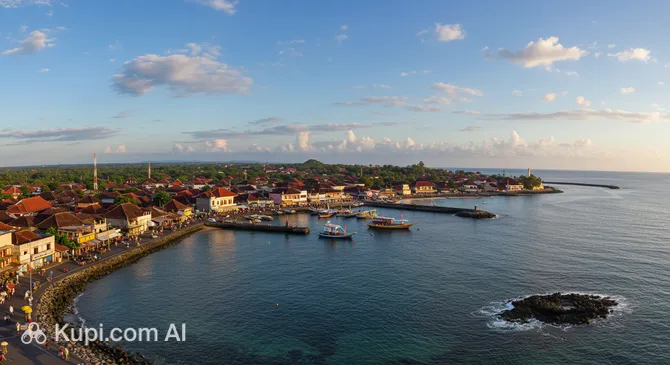
Located in Indonesia, Singaraja is the second-largest city on the island with a population of about 234,000 people. The city spreads over an area of 28 km² and is famous for its wide streets and shady alleys. Exploring the rich historical heritage, you will notice that Singaraja was the capital of colonial Bali for a long time, which is reflected in the architecture of its old port and administrative buildings.
\n
Singaraja. Illustration.
Source: Kupi.com AI
\n

Among the key features of the city, it is worth highlighting the unique library of lontar manuscripts and majestic Hindu temples with exquisite stone carvings. Singaraja is ideal for those seeking authenticity and wanting to see the real life of the north coast. We invite you to embark on this journey to discover the quiet charm of the "City of the Lion."
Weather Overview

The climate of Singaraja is classified as tropical monsoon, which means stable warmth throughout the year with a distinct alternation of dry and wet seasons. The average annual temperature ranges from 24–32°C. Due to its coastal location, the sea breeze slightly softens the heat, but high humidity remains a characteristic feature of the region.

\n

The rainy season usually lasts from November to March, with peak rainfall occurring in January and February. During this time, downpours can be heavy, but they are most often brief and followed by sunny weather. The period from April to October is considered the dry season — the ideal time to visit the city when humidity decreases and rain becomes rare. You can study the city's climate in more detail to choose the best time for your trip.

\n

One feature of northern Bali is that it is often drier than the southern regions of the island due to the influence of a mountain range that traps clouds. Nevertheless, when planning walks in Singaraja, it is always worth having a light raincoat during the winter months and sunscreen at any time of year, as the equatorial sun is very active here.

Average monthly temperature

Average monthly precipitation

Interesting Facts

    \n
  • Former Capital: Singaraja was the administrative center of Bali and the Lesser Sunda Islands during Dutch colonial rule until 1953.

  • \n
  • Unique Library: The city is home to the Gedong Kirtya museum-library — the world's only repository of ancient "lontar" manuscripts written on specially treated palm leaves.

  • \n
  • Chinese Heritage: The old port houses the vibrant Ling Gwan Kiong temple, which is one of the few Chinese temples in Bali that has preserved its authentic architecture and atmosphere.

  • \n
  • City of the Lion: The name Singaraja translates from Sanskrit as "Lion King" (Singa — lion, Raja — king/ruler), symbolizing the strength and power of local rulers.

  • \n
  • Religious Gongs: Just 10 km from the city lies the village of Sawan, which has been famous for centuries for its masters who craft sacred Balinese gongs and gamelan musical instruments.

  • \n

How to Get There

Singaraja is located on the northern tip of the island, and the journey here from Bali's main tourist zones is a fascinating trip through mountain ranges and tropical forests. You can learn more about various ways to get there, considering travel time and your comfort preferences.

\n

For air travelers, the nearest and only international hub is Ngurah Rai Airport (DPS) in Denpasar. The distance to Singaraja is about 90 km, but due to winding mountain roads, a taxi or private transfer takes 2.5 to 4 hours. Regular Perama buses and local "bemo" minibuses also run from Denpasar, departing from the Ubung terminal.

\n
AirportPassenger trafficDistance
Ngurah Rai International Airport23.9 mln70 km
Banyuwangi150 21484 km
Lombok International Airport2.4 mln150 km
Jember (Noto Hadinegoro)500153 km
Pototano (Amman Mineral Nusa Tenggara)30 000196 km
\n

There is no rail service in the city itself, so the main transport arteries are the roads. If you plan to arrive from the neighboring island of Java, it is most convenient to take a ferry to the port of Gilimanuk and then transfer to a bus that will take you to Singaraja in about 2–3 hours. Remember that renting a scooter is a great option for flexibility but requires confident driving skills on mountain serpentines.

\n

Main Attractions

The main attractions of Singaraja reflect its status as the cultural and historical center of northern Bali. One of the city's most recognizable symbols is the Singa Ambara Raja Monument. This majestic statue of a winged lion, located in front of the Regent's office, serves as a reminder of the heroic past of the Buleleng Regency and its rulers.

\n

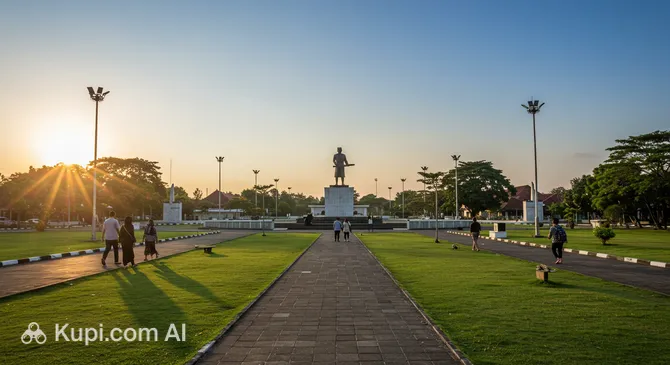
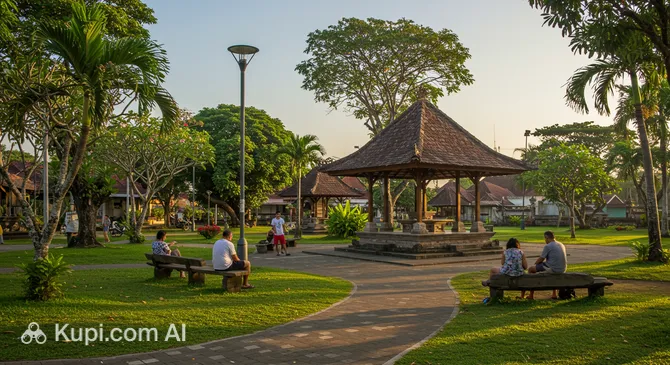
For those who want to enjoy outdoor recreation in the heart of the city, Singaraja City Park (Taman Kota) is open. This is a popular meeting spot for locals, where you can stroll among tropical greenery, see fountains, and witness various cultural events or concerts often held on the park's open stage.

\n
Singaraja City Park. Illustration.
Source: Kupi.com AI

Traveler photos:

\n

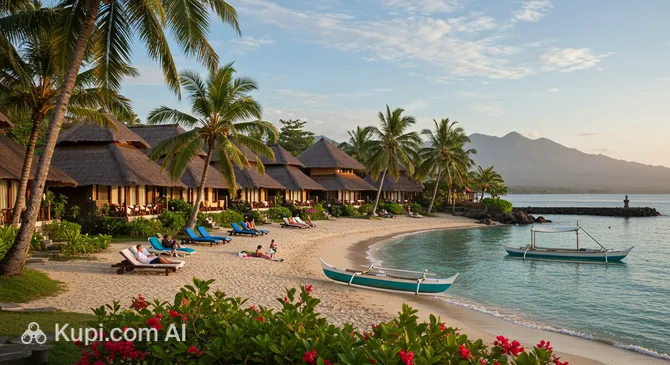
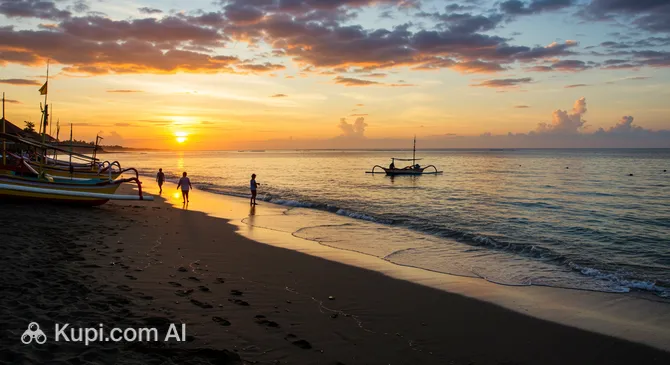
Sea lovers and those who enjoy peaceful walks should visit Penimbangan Barat Beach. This place is especially charming in the evening hours when coastal warungs (small cafes) start offering fresh seafood, and the setting sun paints the waters of the Bali Sea in golden hues. Also, don't miss the chance to see Pura Segara Buleleng — a sea temple with unique carved gates located near the old port.

\n
Penimbangan Barat Beach. Illustration.
Source: Kupi.com AI

Traveler photos:

Local Cuisine

The culinary scene in Singaraja is a true paradise for lovers of authentic flavors and seafood. Thanks to the proximity of the port, local warungs always offer the freshest fish and shrimp, grilled with Balinese spices. Be sure to try Sate Lilit — the famous minced fish skewers on lemongrass sticks, as well as the traditional suckling pig Babi Guling, which is prepared here with a special northern flair.

\n

For those who prefer modern establishments with a familiar menu, Mie Gacoan Singaraja is an excellent choice. This popular spot among young people is famous for its spicy noodles and affordable prices. If you are looking for a restaurant with a relaxed atmosphere and a sea view, consider 1000 Dream Bungalow, which serves both Indonesian and international cuisine.

\n
1000 Dream Bungalow. Illustration.
Source: Kupi.com AI

Traveler photos:

\n

In the evening, the Senggol Abimanyu night market becomes the center of gastronomic attraction. Here you can try dozens of types of street food: from the aromatic Bakso soup to the sweet Terang Bulan desserts. For drinks, locals prefer freshly squeezed tropical fruit juices, coconut water, and Es Jeruk (an iced orange drink). For those who want to try something stronger, arak — a traditional Balinese alcohol made from coconut palm sap — is available in licensed establishments.

Travel Tips

Planning a trip to Singaraja is a step toward experiencing the authentic Bali. To make your introduction to the island's northern capital as comfortable and pleasant as possible, we have prepared several practical recommendations.

\n
    \n
  1. Clothing and Dress Code: Choose light clothing made of natural fabrics, as it is humid and hot in the city. To visit Hindu temples, be sure to have a sarong and sash (they can also be rented at the entrance). Footwear should be comfortable for walking along port streets.
  2. \n
  3. Transport: The best way to get around is by renting a scooter or using the Gojek/Grab apps. Keep in mind that public "bemos" stop running quite early, and you shouldn't rely on them after sunset.
  4. \n
  5. Finances: The main currency is the Indonesian Rupiah (IDR). Cards are accepted in large stores and hotels, but always carry cash for markets and warungs. ATMs are available in the city center and near the port.
  6. \n
  7. Health: Drink only bottled or filtered water. Use mosquito repellent, especially in the evening. The nearest quality pharmacies and medical posts are located along Jl. Gajah Mada.
  8. \n
  9. Communication: The official language is Indonesian. Staff in museums and hotels speak English. Learn a couple of basic phrases: "Terima kasih" (thank you) and "Sama-sama" (you're welcome) — this is very much appreciated by locals.
  10. \n
  11. Local Etiquette: Balinese people are very polite. Greet people with a smile and try not to give anything with your left hand, as it is considered "unclean." Do not step on offering baskets (canang sari) on the sidewalks.
  12. \n
  13. What to Avoid: Do not drink tap water and avoid ice in questionable street stalls. Do not enter temples with uncovered shoulders or knees.
  14. \n
  15. Specific Tip: Try to visit the historical port and the Gedong Kirtya library in the morning hours when it's not too hot and the light is perfect for photos.
  16. \n
\n

Singaraja is a city with a soul that reveals itself to those ready to slow down and observe. Have a great trip!

Entertainment & Nightlife

Entertainment in Singaraja is more relaxed and local in character than in the popular resorts of southern Bali. The main center of the city's evening life is the Senggol Abimanyu night market. Life is in full swing here: the air is filled with the aromas of spices and grilled meat, and locals gather to have dinner and socialize in an informal setting. This is the best place to feel the true flavor of Singaraja at night.

\n

For daytime leisure, tourists often choose Bung Karno Park. This well-maintained space is excellent for family walks and escaping the city hustle. If you are looking for a more active nightlife with bars and live music, it is worth driving about 10–15 kilometers west to the Lovina resort area, where the infrastructure is more oriented toward foreign guests.

\n
Bung Karno Park. Illustration.
Source: Kupi.com AI

Traveler photos:

\n

The city's cultural program is supplemented by events at the Ling Gwan Kiong Chinese Temple, especially during the Chinese New Year celebrations, when the area is decorated with lanterns and traditional performances are held. For safe travel in the evening, it is recommended to use official taxis or the Gojek and Grab apps, which operate reliably in the city.

Parks & Museums

The cultural and natural heritage of Singaraja is concentrated in its quiet parks and unique museums. The main place for citizens to relax is Singaraja City Park. This is a spacious green area with fountains and paths, where it is pleasant to spend time during the pre-sunset hours. Another significant public space is Bung Karno Park, named after the first president of Indonesia, which often becomes a venue for city festivals.

\n
Bung Karno Park. Illustration.
Source: Kupi.com AI

Traveler photos:

\n

For those interested in the region's history, the Buleleng Museum is a must-visit. Located in an old colonial building, the museum houses a rich collection of artifacts telling the story of Balinese daily life, royal dynasties, and the period of the struggle for independence. English-speaking guides will help you dive deeper into the context of the exhibition; entry to the museum is usually free or for a symbolic donation.

\n

No less important is the Gedong Kirtya library, located next to the historical residence of the ruler. This unique place stores thousands of palm-leaf manuscripts covering topics from medicine and religion to mythology and poetry. Although it is not a classic museum, the atmosphere of this repository of knowledge leaves a lasting impression on every tourist.

Getting Around

The public transport system in Singaraja is primarily represented by traditional Indonesian minibuses known as bemo. These small vans run on fixed routes, connecting the city center with the port and neighboring areas, including Lovina. The fare is extremely low (usually 5–10 thousand rupiah), but they do not have a strict schedule — the vehicle departs as it fills up, and their numbers decrease sharply in the evening.

\n

For more comfortable trips, tourists and locals prefer taxis or motorcycle taxi services (ojek). Popular apps like Grab and Gojek work reliably in the city, allowing you to order both a car and a bike at a fixed price, which eliminates the need to haggle. You can also use official Blue Bird taxis, which are equipped with meters.

\n

The most flexible way to get around remains renting a scooter. This allows you to easily reach remote temples and waterfalls in the city's surroundings. The daily rental cost is low, but remember the need for an international driving permit (category A) and a helmet. Roads in Singaraja are quite narrow, and short traffic jams can occur in the port area and central markets during peak hours.

Accommodation

Accommodation in Singaraja is primarily aimed at travelers who value authenticity and budget-friendly stays. You won't find large hotel chains here, but the city offers cozy guesthouses and simple hotels located in the historical center or near the old port. Accommodation prices here are significantly lower than in Bali's southern resorts, typically ranging from $20 to $50 per night.

\n

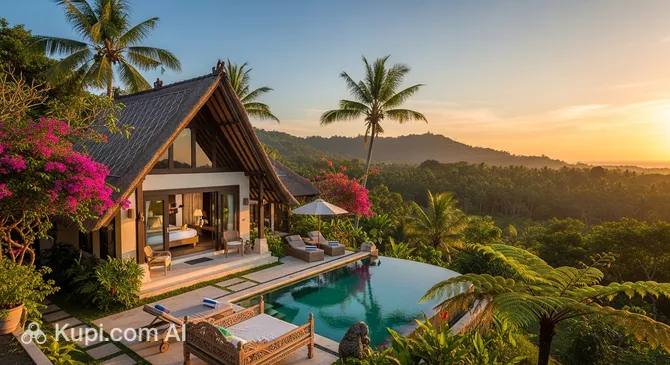
If you are looking for a more resort-like atmosphere with sea access, it is worth looking at the western outskirts, which gradually blend into the Lovina area. This is where you can find properties like Puri Bagus Lovina, offering guests secluded villas and yoga opportunities on the ocean shore. Also popular is the Puri Saron Baruna Beach Cottages complex, where you can enjoy a stay in cottages surrounded by a tropical garden.

\n
Puri Saron Baruna Beach Cottages. Illustration.
Source: Kupi.com AI

Traveler photos:

\n

For those planning to stay in the city longer, long-term rental apartments can be found in the Sukasada area and along Jl. Mayor Metra. During Bali's peak tourist seasons (July–August and December), it is recommended to book accommodation in advance through international services to guarantee the best value for your money.

Nearby Cities

Singaraja serves as an excellent starting point for exploring the north coast and the central mountain regions of the island. Proximity to nature reserves and authentic villages makes the city a convenient hub for those who want to see the "other Bali," far from mass tourist routes.

\n

Just 14 kilometers to the west is the quiet town of Banjar, famous for its healing Air Panas Banjar hot springs and the magnificent Brahmavihara-Arama Buddhist monastery. If you are ready for a longer journey, you can head to the island's cultural capital — Ubud, a trip that takes about an hour and a half through picturesque rice terraces and mountain lakes. A trip to the island's main city, Denpasar, is also possible to visit large shopping centers and museums.

\n
CityPopulationDistance
Banjar203 41714 km
Ubud10 87347 km
Banjarangkan11 85857 km
Kelandis10 35361 km
Denpasar1 779 12263 km
\n

We highly recommend setting aside time to visit the Gitgit waterfall and the mountain village of Munduk, located south of the city. These places will amaze you with their cool air and untouched nature, offering ideal conditions for hiking and photography against a backdrop of misty forests.

Shopping & Souvenirs

Shopping in Singaraja is, first and foremost, an introduction to local markets and small craft shops. The city does not have huge shopping malls, but that is its charm: you buy goods in the same places as the locals. The main shopping artery is Jl. Gajah Mada, lined with rows of shops selling clothing, textiles, and household items.

\n

The most colorful experience awaits you at the Senggol Abimanyu night market. In addition to food, you can find inexpensive clothes, shoes, and accessories here. If you are looking for memorable souvenirs, pay attention to products from the village of Sawan — miniature gongs and musical instruments. Also, local spices, Balinese coffee, and unique copies of palm-leaf manuscripts, which can be purchased in specialized museum shops, make great gifts.

\n

The city's markets usually open very early, around 5-6 AM, and operate until noon, while shops on the main streets welcome customers until 8-9 PM. Larger shops accept bank cards, but for market trips and payments in warungs, be sure to have cash in local rupiah. A culture of bargaining is welcomed at the markets, but try to do it politely and with a smile.

Reached the end of the page?

That means the route is fully explored