Support

Abashiri

About

Abashiri is a true northern gem on the map of Japan, nestled on the eastern coast of Hokkaido along the rugged shores of the Sea of Okhotsk. Situated at the mouth of the Abashiri-gawa River, the city possesses a special charm where marine vistas blend harmoniously with picturesque hills and dense forests.
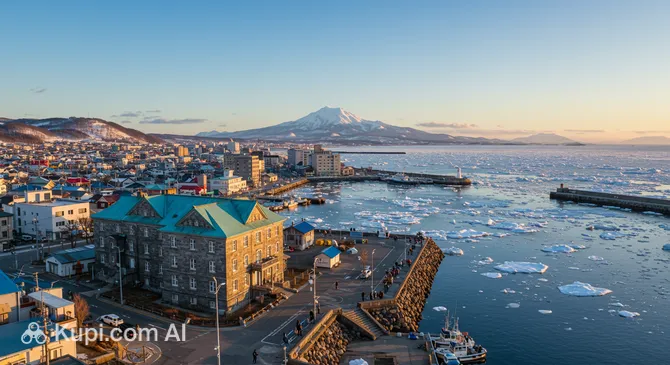
Abashiri. Illustration.
Source: Kupi.com AI

With a population of approximately 34,640 people, Abashiri remains a small but very distinctive city. It is an important port center for the region, renowned for its fishing industry and excellent seafood. In winter, these parts are transformed by a unique natural phenomenon — drift ice, which arrives from the Sea of Okhotsk and creates truly unforgettable, almost extraterrestrial landscapes.

Abashiri attracts tourists with many unique features. In addition to the breathtaking spectacle of the drift ice, travelers can explore nearby national parks such as Shiretoko (a UNESCO World Heritage site) and Akan-Mashu, where nature astounds with its wild splendor. The city also offers the chance to learn about the culture of the Ainu, Hokkaido's indigenous people, visit fascinating museums including the famous Abashiri Prison Museum, and, of course, enjoy delicious local cuisine, especially fresh crab.

The atmosphere of Abashiri is a wonderful combination of northern resilience and Japanese hospitality. If you are looking for unforgettable experiences—from incredible winter landscapes to cultural discoveries and outdoor adventures—Abashiri is a beautiful and unusual choice for your journey through Japan.

You can find more interesting facts on the history of Abashiri page.

Weather Overview

The weather in Abashiri is characterized by clearly defined seasons. Winters here are cold: the average temperature in January is -5.7°C, and in February it is -7.3°C. Although the total amount of winter precipitation is low (about 2 mm per month in water equivalent), snow falls frequently, especially in January and December, when there are up to 16 snowy days. Summer in Abashiri is moderately warm: the average temperature in July is 18.6°C, and in August it is 19.9°C, with maximums reaching 22°C. August is also the month with the highest precipitation (5 mm) and about 14 rainy days. Expect moderately warm summers with occasional rain and cold, snowy winters. For a more detailed look at the weather conditions, we recommend visiting the Abashiri Climate page.

Average monthly temperature

Average monthly precipitation

Interesting Facts

Beyond its well-known tourist routes, Abashiri hides many surprising stories and details that can reveal this northern city in a new light.

Abashiri Drift Ice Sightseeing Icebreaker Ship. Illustration.
Source: Kupi.com AI

Traveler photos:

  • Abashiri gained widespread fame in Japan due to its historic prison. In the early 20th century, particularly dangerous criminals served their sentences here, and today the former prison building has been turned into a unique open-air museum. Wax figures and authentic interiors vividly demonstrate the harsh conditions in which prisoners built roads through the snowy expanses of Hokkaido.

  • It is in Abashiri that you can witness a rare natural phenomenon — the drift ice of the Sea of Okhotsk. This is the southernmost point in the Northern Hemisphere where you can observe giant ice fields moving slowly along the coast. From January to March, the Abashiri Drift Ice Sightseeing Icebreaker offers unique tours to witness this breathtaking sight, and you can learn more about the phenomenon at the Okhotsk Ryu-hyo Museum.

  • The city is proud of its Hokkaido Museum of Northern Peoples, where visitors can dive deep into the culture of the Ainu — the indigenous people of Hokkaido — as well as learn about the lifestyle and traditions of the Inuit, Siberian peoples, and even some indigenous American tribes. The museum's exhibits bring ancient legends to life and showcase the rich cultural heritage of northern civilizations.

  • In Japanese pop culture, Abashiri is strongly associated with a popular 1970s gangster film series set within the walls of the famous local prison. This fact has given the city an additional aura of mystery and made it a point of attraction for fans of unusual stories and Japanese cinema.

How to Get There

Planning a trip to this picturesque corner of Hokkaido requires attention to logistics, as the city is located in the remote northern part of the island. You can find all ways to get to the city by exploring our detailed guide; below, we will look at the main transport hubs through which tourists enter the region.

If you prefer air travel, it's worth noting that direct flights may arrive in neighboring cities, requiring a ground transfer. One of the closest options on the list is Nakashibetsu Airport (IATA: SHB). It is not located in Abashiri itself, but in the town of Nakashibetsu, approximately 74 km from your destination. A trip by taxi or rental car from here will take about 2 hours and 15 minutes. This is a small regional airport, convenient for those who want to reduce ground travel time.

Another popular option is Kushiro Airport (IATA: KUH), which handles a larger flow of passengers. It is located in the city of Kushiro, at a distance of about 109 km from Abashiri. Travel time by bus or car will be approximately 3 hours. You can also consider Asahikawa Airport (IATA: AKJ), located in the city of Asahikawa (about 152 km). This is a major hub receiving many flights, but the transfer will take over 4 hours.

For convenience, here is summary information on the main airports:

AirportPassenger trafficDistance
Nakashibetsu Airport197 24574 km
Monbetsu Airport66 42876 km
Kushiro Airport727 151109 km
Mendeleyevo24 000113 km
Asahikawa Airport1.1 mln152 km

Regarding rail connections, Abashiri is the terminus of the Sekihoku Main Line. Trains arrive here from Sapporo and Asahikawa. The most popular route is the "Okhotsk" limited express, which departs from Sapporo. Traveling by train allows you to enjoy the picturesque views of Hokkaido's wilderness, although it takes about 5.5 hours. Abashiri Station is located within the city limits, from where it is easy to reach hotels and attractions by local bus or taxi.

Additionally, there is a well-developed network of intercity buses. Comfortable buses run from Sapporo (the "Dreamint Okhotsk" route) and other major Hokkaido cities. This is often a more economical option compared to the train, although travel time can be comparable. In the winter period, when roads may be snowy, schedules may be adjusted, so it is recommended to check for current information in advance.

Main Attractions

Abashiri, a city on the Okhotsk coast of Hokkaido, attracts tourists with its unique natural phenomena and rich history. Everyone will find something of interest here, from icy expanses to historical museums.

One of the main attractions is the Okhotsk Ryu-hyo Museum (Drift Ice Museum). This is a place where you can learn about the drift ice phenomenon of the Sea of Okhotsk year-round. Visitors can enter a special room kept at -15°C to touch real sea ice, see "sea angels" (cliones) and other cold-water inhabitants, and enjoy a panoramic view of the city and sea from the observation deck. The museum offers a fascinating and educational immersion into the rugged beauty of northern nature.

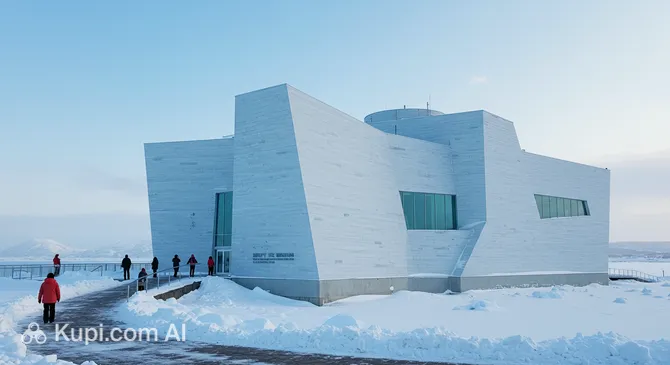
Drift Ice Museum. Illustration.
Source: Kupi.com AI

Traveler photos:

For those who want to see the drift ice in its natural environment, a trip on the Icebreaker Aurora provides an unforgettable experience. During the winter season, typically from late January to March, this vessel makes cruises, breaking through the ice fields of the Sea of Okhotsk. Tourists can witness the power of the icebreaker, admire the endless icy landscapes, and, if lucky, spot wildlife such as seals and Steller's sea eagles. This is a true adventure for nature lovers and thrill-seekers.

Abashiri Drift Ice Sightseeing Icebreaker Ship. Illustration.
Source: Kupi.com AI

Traveler photos:

Another iconic site in Abashiri is the Abashiri Prison Museum. This is an open-air museum located on the site of the former prison, which operated from the Meiji era and was known for its harsh conditions. Today, visitors can tour the preserved historical buildings, including inmate cells, bathhouses, and administrative wings, to learn about the history of Japan's correctional system and the lives of prisoners in this remote region. The museum offers a deep dive into an important aspect of Japanese history.

Local Cuisine

Abashiri is a true paradise for gourmets, especially those who appreciate the freshest gifts of the sea. Located on the coast of the Sea of Okhotsk, the city is famous for its seafood, which forms the basis of the local culinary tradition. Salmon and trout, considered some of the best in all of Japan, are caught here, along with crabs, sea urchins, and scallops, which go directly to the tables of local restaurants and markets.

While in Abashiri, be sure to try the incredibly fresh sashimi made from local salmon and trout. Another iconic dish is "kaisen-don". This is an appetizing bowl of rice generously topped with a variety of seafood: slices of fresh fish, roe, shrimp, and other marine delicacies. It is not only incredibly delicious but also very beautiful. For lovers of more unusual gastronomic experiences, look out for "prison curry" — a dish inspired by the menu of the former Abashiri Prison. Today it is served in the museum's cafe and is popular among tourists.

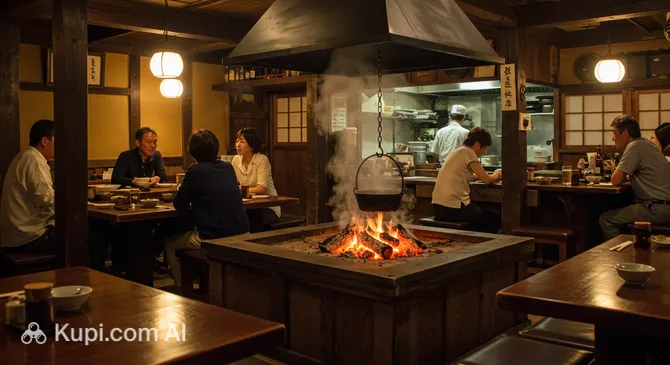
Irori Seafood Place, Abashiri. Illustration.
Source: Kupi.com AI

Traveler photos:

Food culture in Abashiri is closely linked to the sea. Locals and tourists prefer to enjoy the fresh catch in numerous restaurants and izakayas (Japanese pubs). One such place to savor the gifts of the sea is Irori Gyojo Abashiri. It is also worth visiting local markets, where you can not only buy fresh produce but also try street food and soak up the city's atmosphere. Abashiri regularly hosts food festivals where you can discover seasonal delicacies and local culinary traditions.

As for drinks, a seafood meal is perfectly complemented by traditional Japanese tea, sake, or local beer, which can be found in most establishments. While Abashiri may not offer a wide variety of specific, exclusively local drinks, classic Japanese beverages harmonize perfectly with the rich taste of fresh seafood.

Travel Tips

Planning a trip to Abashiri? Wonderful! To ensure your journey through this charming Hokkaido city goes smoothly and leaves you with only the pleasantest impressions, we have prepared some practical tips for you.

  1. Clothing and Essentials: The climate in Abashiri is continental, with cold, snowy winters and warm summers. In winter (December-March), be sure to bring layered warm clothing, including thermal underwear, a hat, gloves, a scarf, and waterproof outerwear, as well as comfortable non-slip shoes. In summer (June-August), light clothing is suitable, but evenings can be cool, so bring a sweater or light jacket. At any time of year, comfortable walking shoes will be your best friend. Don't forget a universal adapter for electronics (Japan uses Type A and B sockets, voltage 100V).
  2. City Transport: It is convenient to get around Abashiri itself using local buses. If you plan to explore the Hokkaido countryside, renting a car can be a good option, especially outside the winter season (keep in mind left-hand traffic and the need for an international driving permit). Taxis are available but can be quite expensive. Specialty taxi apps like JapanTaxi can be useful.
  3. Finances: The official currency is the Japanese Yen (JPY). Credit cards are accepted in most hotels, large stores, and restaurants, however, in small establishments and markets, cash is preferred. We recommend always having some cash on hand. ATMs that accept international cards can be found at post offices (Japan Post Bank) and 7-Eleven stores. Tipping in Japan is not practiced and may even be perceived as an insult. An approximate daily budget (excluding accommodation and major tours) might be 5,000-8,000 yen.
  4. Health and Safety: Abashiri, like Japan in general, is a very safe place for tourists. Pharmacies (look for the sign 薬 - kusuri) are available in the city, but the range of medications may differ, and communication will be in Japanese. For serious medical issues, seek help from your hotel or find the nearest clinic. It is recommended to have travel insurance. There are no particularly dangerous areas in Abashiri, but always follow basic precautions.
  5. Communication: The primary language is Japanese. The level of English proficiency among the local population can be limited, especially outside tourist sites. Learn a few basic phrases in Japanese: "Konnichiwa" (Hello), "Arigato" (Thank you), "Sumimasen" (Excuse me/I'm sorry). For convenience, you can buy a local SIM card or rent a portable Wi-Fi router at the airport or in advance online. Free Wi-Fi is available in some hotels and public spaces.
  6. Local Etiquette: Japanese people are very polite and value respect. Greetings are usually accompanied by a bow. In public places, especially on transport, try not to speak loudly on the phone. Remove your shoes when entering homes, some temples, and traditional restaurants (where the floor is covered with tatami mats).
  7. What to Avoid: Do not stick your chopsticks vertically into your rice — this is associated with funeral rituals. Also, try not to eat while walking on the street (except in designated areas at festivals or markets). Do not point at people with your finger, as it is considered impolite.
  8. Special Tip for Abashiri: If you visit the city in winter (typically from late January to March), be sure to plan an excursion on the Icebreaker Aurora to observe the drift ice (ryu-hyo) — it's a unique natural phenomenon. The Abashiri Prison Museum is also worth a visit, offering an interesting look into the region's history.

We hope these tips help you better prepare for your trip to Abashiri and enjoy every moment in this amazing corner of Japan. Have a pleasant and unforgettable journey!

Entertainment & Nightlife

Evening Abashiri offers guests a cozy and authentic atmosphere, quite different from the bustling nightlife of major metropolises. You won't find massive night clubs operating until dawn here, but you can enjoy delicious food, pleasant conversation, and the hospitality of local residents. The city's nightlife is centered around restaurants, traditional Japanese pubs (izakaya), and small bars where you can relax after a busy day.

The main evening establishments are usually located in the central part of the city, as well as near the railway station and the port. The atmosphere in such places is generally very friendly and calm. Both locals and tourists come here to enjoy the fresh seafood Hokkaido is famous for and local drinks. Many restaurants and izakayas stay open until late evening, typically until 22:00-23:00. There is usually no special dress code; casual attire is welcomed.

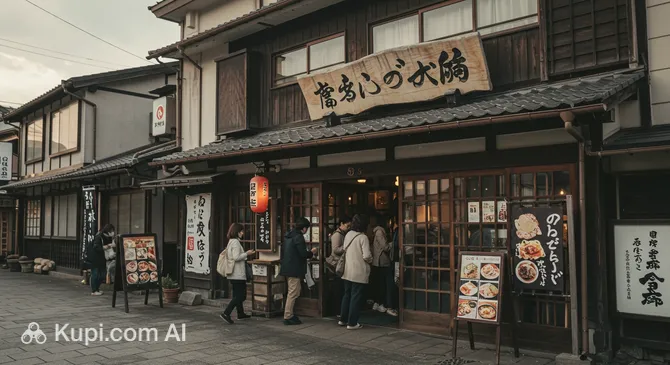
Among the places to spend a pleasant evening in Abashiri, restaurants offering local cuisine are worth noting. For example, Yoshida Mihachi Shoten is a place where you can try traditional Japanese dishes in a cozy setting. Another popular spot is Irori Gyojo Abashiri, which is famous for its fresh seafood and fish delicacies. To catch the lively atmosphere, it is best to visit restaurants during peak dinner times, from 19:00 to 21:00. The average bill for dinner can vary, but prices are generally moderate.

Yoshida Mihachi Shoten. Illustration.
Source: Kupi.com AI

Traveler photos:

Regarding transportation at night, the most convenient option is a taxi. Public transport runs less frequently in the evening, so for comfortable travel, it is better to look up local taxi service numbers in advance or ask your hotel or restaurant to call one for you. Abashiri is considered a safe city, however, as with anywhere, basic precautions should be taken during night walks, especially in secluded areas.

During the day, Abashiri also offers plenty of things to do. The city features interesting cultural and natural attractions. A visit to the Okhotsk Ryu-hyo Museum is a must to learn about this unique natural phenomenon. Sea excursions are also popular, such as the drift ice sightseeing icebreaker (in the winter season). Walks around the city and its surroundings will also delight nature lovers and those seeking a quiet holiday.

Parks & Museums

Abashiri, located on the picturesque coast of the Sea of Okhotsk in Hokkaido, offers tourists not only unique natural phenomena but also interesting opportunities for cultural enrichment through its museums and surrounding natural areas.

While Abashiri may not boast extensive urban parks in the traditional sense, its true beauty and "green lungs" are its stunning natural surroundings. The coastline of the Sea of Okhotsk itself is a magnificent natural area for walking and contemplation, especially in winter when drift ice approaches the shore. For panoramic views of the city, Lakes Abashiri and Notoro, and the endless sea, it is worth climbing Mount Tento (Tento-zan). Here you can find observation decks and walking trails that allow you to enjoy the region's nature.

Among the city's cultural institutions, the Okhotsk Ryu-hyo Museum stands out. This is not just a museum, but an entire scientific and educational center where you can learn everything about the drift ice phenomenon, see cold-water marine inhabitants such as "sea angels" (cliones), and even experience Arctic cold in a special freezer chamber. A visit to the museum provides a deep understanding of the importance of this natural phenomenon for the ecosystem and the life of the region.

For those interested in history and culture, Abashiri offers several other iconic sites. The Hokkaido Museum of Northern Peoples is dedicated to the culture and lifestyle of indigenous northern peoples, including the Ainu, and presents a rich collection of artifacts. A special place is held by the Abashiri Prison Museum. This is an impressive open-air museum reconstructing the buildings of a former Meiji-era maximum-security prison. The exhibition tells the story of this correctional institution and the role of prisoners in the development of Hokkaido, offering visitors a deep dive into the past.

For an authentic experience beyond the main attractions, try exploring the shores of Lake Notoro, which is particularly beautiful when the glasswort blooms in autumn, or visit one of the local fish markets to feel the atmosphere of a port city. Also, a stroll through the city's quiet streets may reveal small local temples and shrines reflecting the daily life of Abashiri.

Getting Around

Getting around Abashiri and its surroundings can be done in several ways, the main one being the bus service. Public transport here is geared toward the needs of both locals and tourists wishing to visit the main attractions.

The core of public transport in Abashiri consists of buses. They run on various routes connecting the city center, the railway station, the port, and popular tourist sites such as the Abashiri Prison Museum or the Museum of Northern Peoples. During the tourist season, special routes to iconic spots may be launched. The payment system on buses usually requires some preparation: when entering through the back or middle door, you take a ticket with a stop number (整理券 - seiriken) or tap your transport card. Payment is made when exiting through the front door to the driver. The amount to be paid is displayed on a board above the driver according to your ticket number. It is recommended to have small change, as it is not always possible to get change for large bills, although some buses have change machines for coins and 1000-yen notes.

Regarding payment, in addition to cash, some regional buses may accept popular Japanese rechargeable transport cards (IC cards), such as Kitaca (for Hokkaido) or the more universal Suica/Pasmo. However, it is worth checking their availability on specific routes in advance. Sometimes day passes for buses are offered to tourists, allowing for savings with active transport use—information about these is best sought at the station or the Abashiri tourist information center. The cost of a single trip depends on the distance.

Practical tips for tourists: buses in Abashiri run on a schedule, which can be found at stops or on the transport company's website (if available in English). Outside peak hours and on less popular routes, service intervals can be significant, so plan your trips in advance. Apps like Google Maps show bus routes and arrival times quite accurately. Tickets for a single trip are essentially bought by paying upon exit. Bus operating hours are generally from early morning to evening; night routes are typically unavailable.

An alternative to public transport is the taxi. They can be found at stands near the railway station, major hotels, or called by phone. Taxis in Japan are a comfortable but more expensive way to travel. Payment is made by the meter.

For greater freedom of movement, especially if you plan to explore not only Abashiri itself but also the picturesque Hokkaido countryside, consider renting a car. Rental points are available in the city, often near the station. In the warmer months, bicycle rental is popular—a great way to leisurely explore city attractions and enjoy nature. Some hotels also offer bicycles for their guests.

Accommodation

When planning a trip to Abashiri, you will find a variety of accommodation options to suit different preferences and budgets. The city offers a selection ranging from cozy guest houses and traditional Japanese ryokans to modern hotels. While luxury resorts are less common here, comfortable mid-range hotels can be found, along as well as more budget-friendly options, including hostels and apartments for short-term rent.

Many tourists prefer to stay in areas close to the main attractions, such as the Okhotsk Ryu-hyo Museum or the waterfront, where excursions on the drift ice sightseeing icebreaker depart. Areas with good transport accessibility are also convenient for staying, allowing you to easily move around the city and its surroundings. There are no distinct tourist enclaves with hotels in Abashiri, so the choice often depends on personal preference and travel plans.

The price range for accommodation in Abashiri varies: you can find both budget options and mid-priced hotels. The cost usually depends on the season, comfort level, and location. The most popular booking methods are international online platforms and Japanese booking systems. In some cases, direct booking via hotel websites is possible.

To ensure you have the best choice and prices, especially if your trip coincides with the peak tourist season (for example, winter, when drift ice is popular, or summer), it is recommended to book your accommodation well in advance. This will help you avoid situations where all suitable options are already taken and allow you to choose accommodation that best meets your expectations.

Nearby Cities

For those who want to explore the surrounding area, Abashiri serves as an excellent starting point for day trips to several interesting nearby locations:

CityPopulationDistance
Nakashunbetsu23 21176 km
Mobetsu21 31782 km
Betsukai14 82897 km
Kushiro165 699115 km
Kamikawa13 077122 km

These nearby destinations provide insight into the diverse culture and landscapes of the Hokkaido region. Each trip promises new discoveries, whether it's natural beauty, local delicacies, or unique cultural sites.

Shopping & Souvenirs

Shopping in Abashiri offers tourists the chance to purchase unique local goods and souvenirs reflecting the culture and nature of Hokkaido. The city is not a major center for fashion boutiques, but you can find high-quality products and crafts here, especially those related to the sea and local industries. Abashiri is famous for fresh seafood, woodwork, and drift ice-themed souvenirs.

The main shopping spots are concentrated in the central part of the city, particularly on the streets adjacent to Abashiri Station and in the port area. Here you can find small shops, souvenir stalls, and specialty stores offering local produce. While Abashiri doesn't have huge shopping malls like those in megacities, there are local department stores or shopping arcades featuring a range of daily necessities, clothing, and gifts.

Special attention should be paid to local markets, where you can buy the freshest seafood—crabs, scallops, roe—as well as seasonal Hokkaido vegetables and fruits. Such markets often offer the chance to taste products on-site or purchase them vacuum-packed for transport. Although there may not be dedicated flea markets, souvenir shops often offer handmade items and antique curiosities.

As souvenirs from Abashiri, it is worth bringing back local delicacies: canned or dried seafood, the famous "Abashiri Draft Beer" with its unusual colors (such as blue from seaweed), and sweets based on local ingredients. Souvenirs related to the drift ice of the Sea of Okhotsk are popular—these can be found, for example, in shops at tourist sites like the Okhotsk Ryu-hyo Museum. You can also look for woodwork and traditional craft goods from the region.

Shops in Abashiri usually operate from 10:00 to 19:00 or 20:00; small private shops may have shorter hours or a day off once a week. Large stores and tourist sites accept credit cards, however, in small shops and at markets, it is preferable to carry cash yen.

For foreign tourists in Japan, a Tax Free system is available. In shops participating in this program (usually marked with a sign), you can apply for a consumption tax refund when purchasing goods over a certain amount. Don't forget to bring your passport to complete the paperwork.

Reached the end of the page?

That means the route is fully explored