Support

Banna-ji Temple

About

Banna-ji Temple is an iconic Buddhist temple located in Ashikaga, Tochigi Prefecture, Japan. It is rightfully considered one of the main historical and cultural attractions of the Kanto region, attracting both pilgrims and tourists interested in the country's rich heritage.
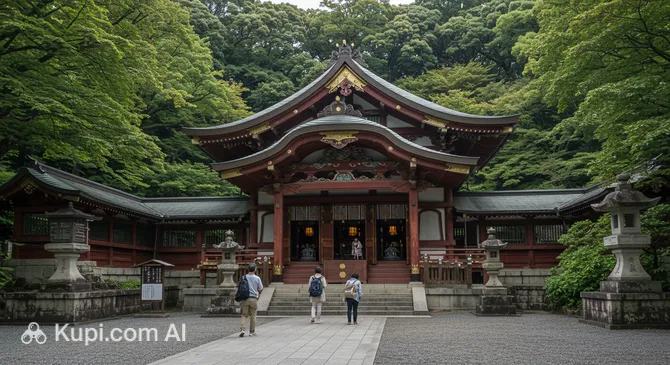
Banna-ji Temple. Illustration.
Source: Kupi.com AI

Traveller photos:

Banna-ji Temple gained particular fame and historical value for being the family temple of the powerful Ashikaga clan. This clan played a key role in shaping Japanese history during the Muromachi period, making the temple an important witness to that era. Visiting this site allows for a deeper understanding of the influence of samurai culture on the country's development.

The architectural ensemble of Banna-ji is unique: it harmoniously combines the features of a traditional samurai residence and a Buddhist monastery. The temple grounds are surrounded by a picturesque moat and impressive gates, giving it the appearance of a fortified castle. Inside the complex, visitors can see beautifully preserved halls for prayer and rituals, as well as ancient sculptures and valuable relics that tell the story of the temple's centuries-old history.

Walking through the grounds of Banna-ji Temple is an opportunity not only to touch important pages of Japanese history but also to enjoy the peaceful atmosphere of this sacred place and feel the spirit of old Japan.

Contacts

To find the most up-to-date information on opening hours, admission fees, or events at Banna-ji Temple, we recommend visiting its official website or contacting the local tourist information centers in Ashikaga. You can usually get the latest details and helpful tips there to plan your visit.

How to contactContact
Address2220 Ietomichō, Ashikaga, Tochigi 326-0803, Japan
Phone+81 284-41-2627
Websitewww.ashikaga-bannaji.org

What to Do

A visit to Banna-ji Temple in Ashikaga is an opportunity to experience the history and unique architecture of the 12th and 13th centuries. Tourists can stroll through the temple's picturesque grounds and closely examine the well-preserved elements of the Zen Buddhist style, which was first introduced to the Kanto region right here. Special attention should be paid to the gates, decorated with ancient statues of guardian deities. This place is ideal for those seeking solitude and peace, wanting to enjoy the calm atmosphere of an ancient sanctuary.

At Banna-ji Temple, visitors can not only admire the architecture but also witness various seasonal events and festivals regularly held on its grounds. Traditional Buddhist ceremonies often take place here, immersing you in the authentic culture of Japan. For a deeper introduction to the history of the Ashikaga clan and the Buddhist culture of the region, guided tours are organized, revealing many interesting details about this iconic site.

Getting There

Getting to Banna-ji Temple, located in the city of Ashikaga, is quite convenient, especially if you are traveling from Tokyo. The primary way is by train. You will need to take a JR train to Ashikaga Station on the Ryomo Line. The journey from Japan's capital takes some time but offers scenic views along the way.

Upon arriving at Ashikaga Station, Banna-ji Temple is within walking distance. The walk takes about 10–15 minutes. If you prefer a more comfortable option or have a lot of luggage, taxis are always available at the station to take you directly to the temple gates. The city of Ashikaga is generally well-connected by transport routes to other cities in the Kanto region, making it easily accessible.

Within Ashikaga itself, there is also a public transport system you can use to get around. For the convenience of tourists, especially those traveling independently, there are signs and information boards throughout the city. The information is often provided in English as well as Japanese, making it much easier to navigate and find sites like Banna-ji Temple.

Nearest city: Ashikaga

History & Facts

Banna-ji Temple, located in the city of Ashikaga, is more than just a religious structure; it is a true historical gem of Japan. Its history is closely intertwined with the powerful Ashikaga clan, which played a key role in Japanese history. The temple was founded in 1197 by Yoshikane Ashikaga, a prominent member of the family. Notably, the site originally housed the residence of Ashikaga Yoshiyasu (1127–1157), the clan's founder, highlighting the deep roots of this sacred place.

Like many ancient structures, the temple's fate was not always easy. The original buildings were destroyed by a devastating fire, a heavy blow to the followers and the local community. However, thanks to the efforts of Sadauji Ashikaga—the father of the famous Ashikaga Takauji, founder of the Muromachi shogunate—the temple was restored in 1299. This event not only brought the sanctuary back to life but also cemented its importance as a major center for the Ashikaga clan.

The architecture of Banna-ji Temple is a striking example of Chinese Zen Buddhist influence, making it an outstanding model of this style in the Kanto region. Visitors can admire the majestic gates and guardian statues dating back to the Momoyama period (16th century), which stand as witnesses to the temple's centuries-long history. These elements give the temple a special atmosphere and allow you to touch the past.

Due to its unique historical and cultural value, Banna-ji Temple has received high recognition. In 2013, it was officially listed as a National Treasure of Japan. This status underscores its importance not only as a religious site but as an integral part of the country's cultural heritage, attracting pilgrims and tourists from all over the world.

Time Needed

To get a general overview of Banna-ji Temple and its grounds, most visitors usually need about 1–1.5 hours. This is typically enough time to see the main buildings of the temple complex, stroll through its picturesque gardens, and soak up the atmosphere of this historical site in Ashikaga.

If you plan a deeper immersion—for example, taking a guided tour that can reveal interesting details about the temple's history and architecture, or if your visit coincides with any special events or festivals held on the Banna-ji grounds—you should allow extra time. In such cases, a visit may take 2 to 3 hours or even longer, depending on the program.

Overall, the recommended time for visiting Banna-ji Temple allows for a fairly thorough exploration of this significant landmark in Japan, without missing the main highlights or overextending the visit beyond what is necessary for a memorable experience.

Working Hours

Unfortunately, exact information regarding the opening hours of Banna-ji Temple in Ashikaga is currently unavailable. Since hours may change depending on the season or special events, it is highly recommended to check the current schedule on the official temple website or at local tourist information centers before visiting.

It is also worth finding out in advance if pre-booking tickets or registration is required for a visit, especially if you are planning to go during the peak tourist season. This information is also usually available on the attraction's official resources.

9:00 – 17:00

Nearby

A visit to Banna-ji Temple in Ashikaga will undoubtedly be a highlight of your trip to Japan. However, to make your experience even richer and more complete, we recommend taking some time to explore the surroundings of this iconic site. Often, it is small walks and exploring nearby objects that allow you to dive deeper into the city's atmosphere and discover its hidden gems.

There are many interesting locations around Banna-ji Temple that can complement your cultural program or offer a pleasant place to relax. From cozy restaurants to other historical monuments and picturesque parks—Ashikaga offers various options for the curious traveler.

NameDistance
Menya Tsururu0.4 km
Taipeng Main Restaurant0.5 km
Watarasebashi Monument0.6 km
Orihime Park0.8 km
Sōja Yakumo Shrine1.6 km
Kids Pia Ashikaga2.4 km
Yobe Sports Park2.8 km

Reached the bottom of the page?

Looks like you know this route inside out