Support

Yoyogi Park

About

Yoyogi Park is one of Tokyo's largest and most vibrant city parks, located in the heart of modern Japan. This spacious green oasis is situated in the Shibuya special ward and is a favorite leisure spot for both locals and tourists alike. The park offers a perfect blend of active recreation and a peaceful atmosphere, making it a must-visit on any itinerary through the capital.
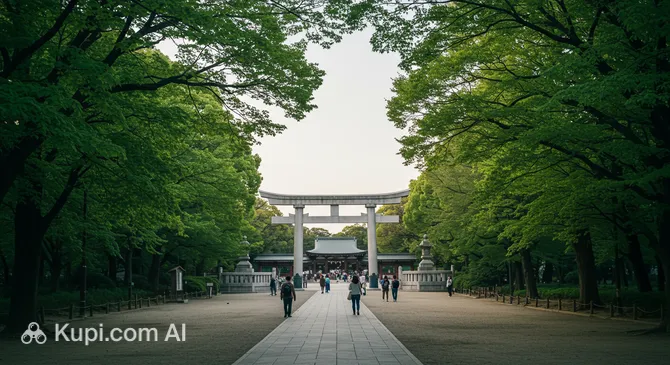
Yoyogi Park. Illustration.
Source: Kupi.com AI

Traveler photos:

The park's territory is impressive in its scale and diversity: it features wide open lawns perfect for picnics, shaded avenues for leisurely walks, picturesque ponds, and modern sports grounds. Yoyogi Park is also well-known as a venue for various cultural events and festivals that fill it with energy and creativity, especially on weekends.

Beyond its natural beauty, the park holds significant historical importance. It was here in 1910 that Japan's first successful airplane flight took place. Additionally, the site hosted the Olympic Village during the 1964 Games, and next to it lies one of the city's main shrines — Meiji Jingu, dedicated to Emperor Meiji and his consort. These facts give the park a special significance, turning it into not just a recreation zone, but a place with a rich cultural and historical heritage.

Contacts

Yoyogi Park is a public space, so no prior booking is required to visit. The most convenient way to get there is by public transport: the park is a five-minute walk from Harajuku Station on the JR Yamanote Line or Meiji-jingumae Station. Admission is free. All current information, including opening hours and event announcements, is usually posted on the official website.

How to contactContact
Address2-1 Yoyogikamizonochō, Shibuya, Tokyo 151-0052, Japan
Phone number+81 3-3469-6081
Websitewww.tokyo-park.or.jp

What to Do

Yoyogi Park is not just a green space, but a true hub for active and creative people. Here, everyone will find something to their liking: for sports enthusiasts, there are cycling and running tracks, as well as basketball courts. The spacious lawns are ideal for picnics, family walks, or simply relaxing on the grass. On weekends, the park transforms into a lively open-air stage hosting musical performances, dance flash mobs, and various cultural festivals.

The park's visitors create a unique atmosphere. You can encounter street performers, practicing musicians and dancers, and famous cosplayers holding colorful photo shoots. It is a great place to observe modern youth culture in Japan. On any day of the week, Yoyogi Park is full of life, offering unique experiences and a chance to see a slice of daily Tokyo life.

The park is beautiful at any time of year. In spring, it becomes one of the most popular spots for cherry blossom viewing, when thousands of trees turn soft pink. In autumn, the paths blaze with bright colors thanks to the fall foliage of maple and ginkgo trees, creating picturesque landscapes. Cozy ponds, fountains, and a concert stage complete the picture, making the park an ideal place to escape the city bustle in the very center of Tokyo.

Getting There

Yoyogi Park is conveniently located within walking distance of several of Tokyo's major transport hubs, making it easily accessible for visitors. The easiest and fastest way to get here is by public transport. The closest station to the park is Harajuku, which is served by the JR Yamanote loop line. It is also convenient to reach from Yoyogi Station, which serves JR trains and the Toei Oedo subway line. The park entrances are located right next to the exits of these stations, allowing you to immerse yourself in its green atmosphere immediately.

If you are coming from other central areas of Tokyo, the JR Yamanote Line is your best bet. Additionally, the park can be reached by one of the many city buses that stop nearby. For those who prefer to travel by car, paid parking is available near the park. However, please note that on weekends, and especially during the cherry blossom season, finding a free spot can be difficult due to the large influx of visitors. On such days, public transport is the most reliable and convenient option.

Nearest city: Chiyoda

History & Facts

The history of Yoyogi Park is full of landmark events for Japan. Few people know that it was here, on December 19, 1910, that the country's first successful airplane flight took place, piloted by General Yoshitoshi Tokugawa. A special stone monument in the park commemorates this historic moment. In the first half of the 20th century, the park's territory served a very different purpose — it was used as a military base for the Imperial Japanese Army.

After the end of World War II, the history of this place took a new turn: barracks for American officers, known as Washington Heights, were built here. However, the true rebirth of the park came in 1964, when Tokyo hosted the Summer Olympic Games. The area was completely transformed and became the Olympic Village, which housed athletes from all over the world.

Following the conclusion of the Olympics in 1967, the park was finally opened to the general public and quickly became a favorite spot for the city's residents. It was then that the famous Yoyogi National Gymnasium was built, designed by Kenzo Tange; it still impresses with its unique architecture and is used for major sporting and cultural events. This transformation from a military facility to a beloved public space makes the history of Yoyogi Park truly remarkable.

Time Needed

When planning a visit to Yoyogi Park, you should aim for a duration of 2 to 4 hours. This is enough time to fully enjoy its atmosphere and main areas. In a couple of hours, you can take a leisurely stroll along the main paths, relax on the famous spacious lawns, and observe life in one of Shibuya's most dynamic parks. This format is perfect for a first introduction to this iconic location.

If you want a deeper immersion, it's worth setting aside half a day. The extra time will allow you not only to have a picnic but also to visit the neighboring Meiji Jingu Shrine, which is one of the district's main attractions. Furthermore, on weekends, the park fills up with street musicians, dancers, and performers, so staying longer gives you a chance to see the vibrant spontaneous performances that are an integral part of Yoyogi's culture.

Working Hours

Yoyogi Park in Shibuya delights visitors with its accessibility. You can visit it on any day, as it is open to the public 24 hours a day, year-round. Entry to the park is completely free, so there is no need to buy or book tickets in advance for a regular stroll. This makes it an ideal spot for a spontaneous break in the heart of the capital of Japan.

While the park itself is open 24/7, please note that some of its facilities, such as service centers, bicycle rentals, or sports grounds, may have their own schedules, typically from 9:00 AM to 5:00 PM. Since the park may be insufficiently lit after dark, it is best to plan your visit for daylight hours for a comfortable and safe walk. It is also recommended to check the official website before visiting to stay informed about potential events or temporary changes in operations.

Open 24 hours

Nearby

A visit to Yoyogi Park is a wonderful opportunity to dive into Tokyo's dynamic atmosphere, but the adventure shouldn't end at its gates. Exploring the surrounding areas and nearby neighborhoods will give you a more complete and multifaceted impression of the capital of Japan. Just a few minutes away by transport, completely different landscapes await, from historical centers to ultra-modern shopping districts.

The park's surroundings and neighboring districts, including central Chiyoda, offer many interesting places to visit. This area is home to both iconic cultural sites and popular shopping and leisure spots. To help you plan your further route, we have prepared a list of some nearby attractions.

NameDistance
Imperial Hotel Tokyo5.7 km
Hibiya Midtown5.8 km
Itoya Ginza6.5 km
Nihonbashi Cinema7.4 km
Hozomon Gate (Senso-ji)10.4 km
The Manhattan Bar31.3 km
Takanodai Country Club37.6 km

Have you reached the end of the page?

So the route has been studied inside and out