Support

Fuji-Hakone-Izu National Park

About

Located near the city of Fujikawaguchiko, Fuji-Hakone-Izu National Park is one of the most famous and popular natural parks in Japan. This vast area, covering about 1,227 square kilometers, was founded in 1936 and became one of the country's first national parks. The park stretches across the Tokyo, Yamanashi, Kanagawa, and Shizuoka prefectures, offering visitors an incredible variety of landscapes and experiences.
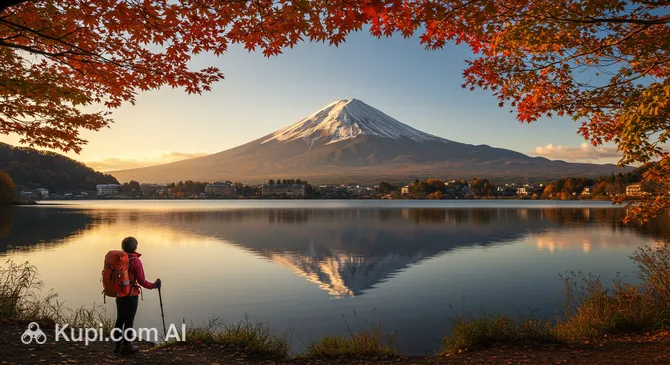
Fuji-Hakone-Izu National Park. Illustration.
Source: Kupi.com AI

Traveler photos:

The heart and main attraction of the park is undoubtedly the majestic Mount Fuji—a symbol of Japan and a UNESCO World Heritage site. At its foot lie the Fuji Five Lakes, each beautiful in its own way and offering breathtaking views of the mountain. In addition, the park is famous for its numerous hot springs (onsens), the volcanic Izu Islands with their unique tropical vegetation, as well as picturesque mountain landscapes and a rugged coastline.

Fuji-Hakone-Izu is not just a collection of beautiful views; it is a unique ecosystem where alpine meadows, dense forests, bustling waterfalls, and calm beaches harmoniously combine. Visitors can enjoy hiking on numerous trails, explore volcanic landscapes, relax on the coast, or soak in the healing waters of onsens. This park offers everyone a chance to experience Japan's pristine nature and feel its incredible beauty and power.

Contacts

Fuji-Hakone-Izu National Park is a vast natural area, so for the most up-to-date information on the opening hours of various zones, trail conditions, and visiting rules, it is recommended to consult the park's official websites or tourist information centers in the city of Fujikawaguchiko and its surroundings.

Information on how to reach different parts of the park, including popular entry points and routes, can usually be found on Japan travel portals or obtained at local tourist offices. Since the park covers a large territory with diverse landscapes, planning your visit in advance will help you make the most of your time and enjoy all its beauty.

How to contactContact
AddressMotohakone, Hakone, Ashigarashimo District, Kanagawa 250-0522, Japan
Phone number+81 460-84-8727
Websitewww.env.go.jp

What to Do

Fuji-Hakone-Izu National Park offers visitors an incredible variety of activities and experiences. One of the main adventures attracting tourists from all over the world is, of course, climbing the majestic Mount Fuji, which is especially popular during the official season. Equally fascinating are the walks around the picturesque Fuji Five Lakes, where every corner reveals breathtaking views of the sacred mountain and the surrounding nature.

For those seeking relaxation and wellness, the park is famous for its numerous hot springs—onsens, where you can soak in healing waters and enjoy the tranquility. Lovers of seascapes and a warmer climate should head to the Izu Peninsula, which charms with its beautiful beaches and lush tropical landscapes, offering a completely different atmosphere within the same park.

In addition to natural wonders, Fuji-Hakone-Izu National Park is rich in cultural sites. Here, you can visit unique open-air museums, where sculptures by artists from all over the world are displayed amidst the greenery. History buffs will find it interesting to visit the ancient Sekisho checkpoint on the historical Tokaido road, which has now been turned into a museum that immerses you in the atmosphere of the Edo period.

In the Hakone region, part of the park, unique natural phenomena await you, such as the Owakudani valley—an active volcanic zone with geysers and sulfur springs where you can observe volcanic activity. Nearby lies the picturesque Lake Ashi, where you can take a cruise on a stylized sightseeing ship, admiring the surrounding landscapes and, in clear weather, the view of Mount Fuji.

Getting There

You can reach Fuji-Hakone-Izu National Park from Tokyo, which serves as a convenient starting point for many travelers. A trip to the areas at the foot of Mount Fuji or the popular resort region of Hakone usually takes about 2 to 2.5 hours. You can choose between comfortable trains or buses that run regularly on these routes.

Another option is to use the Shinkansen high-speed trains traveling from Tokyo to cities such as Mishima, Odawara, or Atami. From these transport hubs, it is easy to transfer to local transport—buses or trains—that will take you directly to various attractions and park entrances. This method can be especially convenient if you plan to visit specific areas of the park, such as the Izu Peninsula.

There are several convenient options for moving around the vast territory of Fuji-Hakone-Izu National Park itself. Sightseeing buses connect key points and attractions, offering flexibility in route planning. Renting a car will give you maximum freedom of movement and the opportunity to explore more remote corners of the park at your own pace. Organized sightseeing tours are also popular, often including transfers, guide services, as well as tickets for cable cars and pleasure boats on the lakes, making them an excellent choice for those who prefer all-inclusive service.

Nearest city: Fujikawaguchiko

History & Facts

Fuji-Hakone-Izu National Park is not just a scenic spot in Japan, but a place with a rich and multifaceted history. Founded in 1936, it is one of the four oldest national parks in the country under state protection. The creation of the park was an important step towards preserving the unique nature and cultural heritage of this vast region, which includes the Fuji volcano, the Hakone area, the Izu Peninsula, and the Izu Islands.

Mount Fuji, the heart of the park, has been revered as a sacred site and a place of pilgrimage since ancient times. For many Japanese people, climbing to its summit is not just a tourist trip but an important spiritual tradition. Legends and stories associated with Mount Fuji are deeply rooted in Japanese culture and art, making it one of the most recognizable symbols of the country.

The Hakone region, part of the national park, also holds historical value. In the 17th century, the famous Tokaido road passed through this mountainous area—one of the most important roads in feudal Japan, connecting Edo (modern-day Tokyo) with the imperial capital, Kyoto. Along this route, in Hakone, was the strategically important Sekisho checkpoint. This checkpoint played a key role in ensuring security and controlling movement along the road, guarding the borders of the Kanto region.

Today, an impressive museum stands on the site of the former Sekisho checkpoint in Hakone, accurately recreating the buildings and atmosphere of the Edo period. Visitors can see reconstructed buildings, guardrooms, and exhibits telling the story of life and customs of that time, as well as the strict rules for passing through the checkpoint. This allows for a deeper understanding of the region's historical significance as an important transport and defense hub of ancient Japan.

Time Needed

When planning a visit to Fuji-Hakone-Izu National Park, you should consider its vast territory and variety of activities. For a general introduction to the park's main highlights, such as the picturesque views of Mount Fuji, the lakes, or the hot springs in the Hakone area, it is recommended to set aside at least one to two days. This time will be enough to enjoy nature, visit several observation decks, and perhaps take a short walk along one of the trails.

However, if your plans include a deeper immersion into the park's atmosphere—for example, climbing Mount Fuji (which itself takes one to two days depending on preparation and the chosen route), or if you want to explore several different areas like Fuji, Hakone, and the Izu Peninsula with its coastline and onsens—then it is better to plan for two to three days or even more. This approach will allow you to enjoy all the delights of this unique place in Japan without rushing.

Working Hours

Fuji-Hakone-Izu National Park is happy to welcome visitors year-round, offering the chance to enjoy its natural beauty at any time. However, it should be noted that individual sites within the park, such as museums, cable cars, or onsens (hot springs), usually operate on their own schedules, typically from 9:00 AM to 5:00 PM. For those planning to summit Mount Fuji, it is important to know that climbing is only permitted during the summer season, which lasts from July to early September.

Since the opening hours of specific attractions and services in the park can vary depending on the season and other factors, it is strongly recommended to check the latest information on official websites or at local tourist information centers before your visit. This will help you plan your trip in the best possible way and avoid potential inconveniences. Advance booking to visit the park itself is usually not required, but for some popular activities or excursions, it may be desirable or even mandatory.

Open 24 hours

Nearby

A visit to Fuji-Hakone-Izu National Park is, without a doubt, an unforgettable experience. However, to make your trip to the Fujikawaguchiko area even more rewarding and complete, it is worth paying attention to other nearby attractions. Exploring the surroundings will allow you to dive deeper into the culture and nature of this unique region of Japan.

Near the park, you will find many interesting places, from cultural sites to natural beauties and entertainment complexes, each of which will add vibrant colors to your trip. Below is a list of some attractions located near Fuji-Hakone-Izu National Park, along with the distance to them.

NameDistance
Fujiten Snow Resort2.1 km
Glamping Village Fuji Kawaguchiko5.2 km
Kawaguchiko Motor Museum / Kawaguchiko Zero Fighter Museum6.4 km
Aokigahara Forest6.5 km
Forest Adventure Fuji7 km
Asagiri Kogen Roadside Station8 km
Asagiri Food Park8.1 km

Have you reached the end of the page?

So the route has been studied inside and out