Support

Mukojima-Hyakkaen Gardens

About

Mukojima-Hyakkaen Garden is a jewel of traditional landscape art hidden in Katsushika, one of Tokyo's districts. Unlike strict imperial parks, this place was conceived as a cozy flower garden for poets and artists, where living nature and literature merge into one.
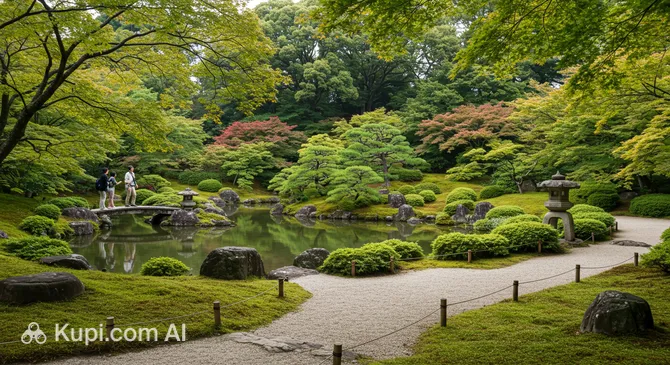
Mukojima-Hyakkaen Gardens. Illustration.
Source: Kupi.com AI

Traveler photos:

This unique site in Japan is the only surviving Edo-period flower garden. The name "Mukojima-Hyakkaen" translates as "Garden of a Hundred Flowers," highlighting its main feature: hundreds of plant species celebrated in classical Japanese poetry are gathered here. Blooming continues almost year-round, constantly changing the look of the paths.

Despite its relatively compact size, the garden impresses with its rich flora and attention to detail. There are no usual large-scale imitations of mountains or oceans; the focus is on the elegance of individual flowers and seasonal changes. It is an ideal place for those seeking solitude and wanting to feel the atmosphere of old Tokyo away from the skyscrapers.

Contacts

When planning a walk through the picturesque alleys of Mukojima-Hyakkaen Garden, it is worth checking the latest visitor information in advance. Since opening hours may change depending on holidays or special cultural events, we recommend confirming details before your trip.

Below are the main contact details to help you find your way and easily locate this green oasis in Katsushika.

How to contactContact
Address3-chōme-18-3 Higashimukōjima, Sumida City, Tokyo 131-0032, Japan
Phone number+81 3-3611-8705
Websitewww.tokyo-park.or.jp

What to Do

Visiting Mukojima-Hyakkaen Garden is, first and foremost, a meditative stroll along winding paths where every turn reveals a new view. Guests can admire small ponds overgrown with water lilies and unique floral arrangements. Depending on the time of year, you will find plum blossoms, irises, or chrysanthemums, which create the unique character of this place.

Special attention should be paid to the rich cultural program. In early September, the traditional "listening to the voices of autumn insects" takes place here, and in the evenings, full moon viewing and exquisite tea ceremonies are organized. At these moments, the garden fills with guests in traditional kimonos, creating a sense of a true journey back in time.

Don't forget to stop by the local shop, where you can buy traditional Japanese sweets and original souvenirs. The peaceful atmosphere of the garden invites you to forget the hustle and bustle of the metropolis for a moment and enjoy the harmony of nature in the heart of the city.

Getting There

Getting to this green corner is quite simple thanks to Tokyo's well-developed public transport system. Mukojima-Hyakkaen Garden is located at: 3-chōme-18-3 Higashimukōjima, Sumida City. The nearest transport hubs are Higashi-Mukojima Station (Tobu Railway line) and Keisei-Hikifune Station (Keisei Electric Railway line).

From both stations, the garden entrance is just a few minutes' walk away, following the signs. For greater convenience, we recommend using a navigation app, as the path leads through colorful residential neighborhoods. If you prefer comfort, a taxi ride from the city's central districts will also not take much time. Remember that there is an entrance fee to the garden.

Nearest city: Katsushika

History & Facts

The history of Mukojima-Hyakkaen Garden began in 1805 when a wealthy antique dealer, Sahara Kiku, decided to create something special. He purchased a plot of land that previously housed the residence of a hatamoto samurai and, together with his circle of friends—famous writers and artists of the time—laid the foundation for this unique space.

Initially, it was a private project focused on the aesthetic pleasure of Edo's intellectual elite. By the time of its opening, more than 360 plum trees had been planted in the garden, and over time, the collection was replenished with many plants mentioned in the "Man'yoshu," an anthology of ancient Japanese poetry. This made the garden a living illustration of classical literary works.

In 1938, the last private owner donated this treasure to the city, and a year later, it was opened to the public. Since 1978, Mukojima-Hyakkaen Garden has held the official status of a National Historic Site, confirming its exceptional value to Japan's cultural heritage.

Time Needed

To fully experience the charm of Mukojima-Hyakkaen Garden, 1 to 2 hours is enough for most travelers. The garden is relatively small, so this time will suffice for a leisurely stroll through all its corners and a look at the seasonal displays.

If you plan to attend one of the traditional tea ceremonies or take part in a seasonal event, it's worth setting aside a bit more time. The unhurried pace of this place invites contemplation, so do not rush—it is important to enjoy every moment and the beauty of the changing seasons.

Working Hours

The gates of Mukojima-Hyakkaen Garden are open to visitors daily from 9:00 AM to 5:00 PM. This makes it easy to fit a walk through the flower garden into a weekend or weekday itinerary. Please note that entry to the grounds stops 30 minutes before closing, so it is better to arrive early to have time to see all the displays.

Although the garden is usually open seven days a week, the schedule may change slightly during holiday periods. If your visit falls on Japanese public holidays, we recommend checking the current schedule to ensure your holiday goes perfectly.

9:00 – 17:00

Nearby

The surroundings of Mukojima-Hyakkaen Garden offer many interesting places to make your day even more rewarding. Just a few minutes' walk away is the fascinating Tobu Museum, where you can learn about the history of railways. For those interested in spiritual culture, a visit to Takagi Shrine or the mysterious Imado Shinto Shrine is well worth it.

If you want to return to modern dynamics after a walk in nature, the large-scale Tokyo Solamachi shopping complex is located nearby, offering excellent opportunities for shopping and dining with panoramic views of the city. Exploring these locations will allow you to see the versatility of Katsushika and the neighboring districts.

NameDistance
Takagi Shrine1 km
Shioiri Park1.5 km
Horikiri Iris Garden2.3 km
Link Kitasenju2.9 km
Sakazuki Brewing3 km
Bar Mix Nuts3.2 km
Domremy Outlet Kita-Senju3.2 km

Have you reached the end of the page?

So the route has been studied inside and out